DIY Woodworking Projects
I pick DIY woodworking projects with five filters: skill, tools, workspace, budget, and the wood already on hand. For many beginners, a build that takes about a couple of hours and uses six or fewer cuts is a safer bet. Pick badly and you waste lumber, stall halfway through, or buy tools that cost more than the project. This guide sorts project ideas by difficulty, space, tool kit, budget, and scrap type so you can finish one that actually fits.
Start here: how to choose the right DIY woodworking project


The wrong first build usually fails before assembly. It fails at project fit.
A wall shelf can look easier than a crate, but in practice the shelf often asks for longer level cuts, wall-mount planning, cleaner edges, and better screw placement. I have seen beginners do better with a tray, phone stand, or small box, because those teach the same measuring and assembly habits with less waste and less room for drift.
Pick your real constraint first
Most readers think the limit is skill. In my shop, the real limit is often noise, space, clamps, or warped lumber on hand.
- If tools are the limit: choose screw-based or pre-cut builds like a step stool, entry tray, or crate.
- If time is the limit: choose one-part or panel-based builds with few joints, such as a shelf, serving tray, or planter sleeve.
- If space is the limit: stay with small parts that can be cut on a portable work surface and sanded outdoors or near dust collection.
- If budget is the limit: use scrap wood, plywood offcuts, or 2×4 leftovers before buying hardwood.
- If tolerance for mistakes is low: avoid builds where one bad cut ruins the whole look, such as miter-heavy frames.
Match the build to the wood you already have
Material on hand should narrow the list fast. Short scraps push you toward hooks, risers, candle blocks, plant stands, and organizers. Half sheets of plywood push you toward shelves, storage cubes, and drawer dividers. Twisted 2x4s are fine for shop stools and utility racks, but poor for a clean indoor side table unless they are milled flatter first.
Choose your tolerance for mistakes and rework
Some projects hide error. Others put every flaw in plain sight.
Painted storage builds forgive filler, patched holes, and mixed grain. Natural-finish trays, cutting boards, and picture frames do not. If a reader hates sanding end grain or fixing out-of-square corners, skip projects with exposed miters and tight reveals.
Use purpose to narrow the field
Start with where the piece will live and what job it must do.
- Home organization: shoe racks, wall shelves, drawer dividers, crate storage, peg racks.
- Decor: picture ledges, frames, lantern boxes, plant stands.
- Gifts: serving trays, cutting boards, bookends, phone stands.
- Resale: batch-friendly items with repeatable sizes and low wood waste, such as wall hooks, risers, planter boxes, and simple benches.
What are the best DIY woodworking projects for beginners?
The best DIY woodworking projects for beginners use straight cuts, few joints, forgiving materials, and a small footprint. Good first builds teach measuring, squaring, drilling, and screw placement without needing advanced joinery, long glue-ups, or a full garage shop.
Projects with simple cuts and fewer joints
Best first choices include a crate, shelf, step stool, wall hook board, planter box, and simple bench. These rely on basic joinery, mostly screws, glue, or both.
Fast-win builds that teach useful habits
A good first project should teach drawing layout lines that you can still see after handling the board, test fitting every part before fasteners go in, drilling pilot holes to prevent splits, and checking for square with a real square instead of eyeballing it. Those habits matter more than the object itself.
Popular Mechanics says a side-grain cutting board is a good first woodworking project. It also says the build has five basic steps: cutting, gluing, trimming, sanding, and seasoning. That is a solid skill path, but it still asks for accurate stock prep, clamp control, and careful sanding, so it is better for a patient beginner than a rushed one.
Pre-cut and small-footprint projects
Pre-cut boards from a home center can remove the hardest part of the build. A small entry shelf, laptop riser, spice shelf, or nightstand caddy becomes far more realistic when the long cuts are done at the store.
Small parts also reduce error cost. If one phone stand side goes wrong, only a small scrap is lost.
Beginner projects that look easy but go wrong fast
Picture frames with miters, doors with tight reveals, and wide tabletops from construction lumber frustrate many beginners. So do “simple” floating shelves that need dead-straight cuts and solid wall anchoring. These are better second or third projects, not first ones.
Project selector table: 20 DIY woodworking projects ranked
Read the selector left to right. Skill shows the ceiling, not the marketing claim. Tool demand shows what actually matters. Cost and time are estimates, and both rise when stock is warped, hardware changes, or extra sanding enters the job.
| Project type | Skill ceiling | Tool requirement | Estimated cost | Build time | Workspace size | Best material on hand | Common failure points | Best-fit persona |
|---|---|---|---|---|---|---|---|---|
| Wall hook board | Low | Drill, driver, sander | Low | Short | Very small | Scrap wood, pine | Bad hook spacing, tear-out at edges | Apartment beginner |
| Phone stand | Low | Hand saw or pre-cut, sander | Low | Short | Very small | Scrap hardwood, plywood | Loose slot fit, weak grain direction | Gift maker |
| Candle block set | Low | Drill, sander | Low | Short | Very small | 2×4 offcuts, scrap wood | Off-center holes, blowout | Seller |
| Drawer dividers | Low | Hand saw, tape, square | Low | Short | Very small | Plywood, thin pine | Poor measuring, racking fit | Apartment beginner |
| Bookends | Low | Drill, screws, sander | Low | Short | Very small | Scrap wood, hardwood | Out-of-square assembly | Gift maker |
| Serving tray | Low to medium | Saw, drill, clamps, sander | Low to medium | Short | Small | Pine, plywood, hardwood | Clamp slip, uneven handles | Gift maker |
| Simple crate | Low to medium | Saw, drill, driver | Low | Short | Small | Pine, pallet-like scrap | Splits near screws, out-of-square box | Garage DIYer |
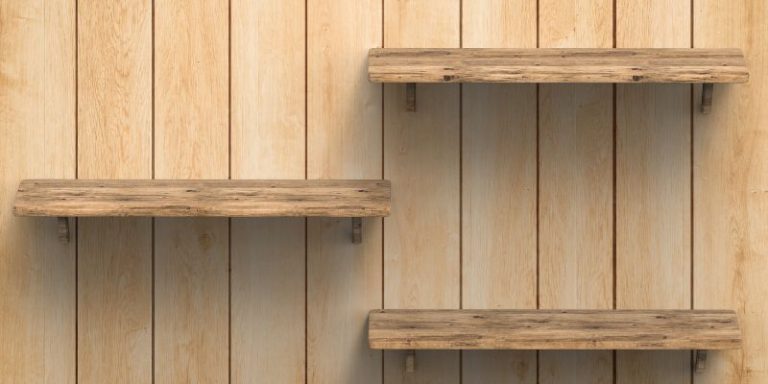
| Wall shelf | Low to medium | Saw, drill, level | Low to medium | Short | Small | Plywood, pine | Bad mounting, sag-prone stock | Apartment beginner |
| Step stool | Medium | Saw, drill, clamps | Low to medium | Half day | Small | 2x4s, pine | Wobble, weak screw placement | Garage DIYer |
| Planter box | Medium | Saw, drill, driver | Low to medium | Half day | Small | Cedar if available, pine if painted, 2x4s | Rot-prone finish choices, poor drainage | Parent and teen |
| Picture ledge | Medium | Saw, drill, clamps | Low to medium | Half day | Small | Pine, plywood | Thin strip tear-out, wall mounting errors | Apartment beginner |
| Laptop riser | Medium | Saw, drill, sander | Low to medium | Half day | Small | Plywood, hardwood scraps | Bad ergonomics, weak joinery | Apartment beginner |
| Shoe rack | Medium | Saw, drill, clamps | Medium | Half day | Medium | 2x4s, pine, plywood | Rack twist, uneven spacing | Garage DIYer |
| Storage cube | Medium | Circular saw, drill, square | Medium | Half day | Medium | Plywood | Panels out of square, edge splintering | Apartment beginner |
| Simple bench | Medium | Saw, drill, clamps | Medium | Half day to full day | Medium | 2x4s, pine | Racking, wobble, twisted legs | Garage DIYer |
| Peg rack | Medium | Drill, saw, mallet | Low to medium | Half day | Small | Hardwood, pine | Misaligned holes, split pegs | Gift maker |
| Side-grain cutting board | Medium | Table saw or circular saw or track saw, clamps, sander | Medium | Half day plus cure time | Small | Maple, walnut, cherry | Clamp drift, glue gaps, uneven sanding | Patient beginner |
| Picture frame | Medium to high | Saw with accurate angle control, clamps | Low to medium | Half day | Small | Hardwood, pine | Miter gaps, squeeze-out, racking | Gift maker |
| Nightstand | High | Saw, drill, clamps, sander | Medium to high | Full day to two days | Medium | Plywood, pine, hardwood trim | Drawer fit, square case, finish flaws | Garage DIYer |
| Cornhole boards | High | Circular saw, drill, sander | Medium to high | Full day | Large | Plywood, pine framing | Paired board mismatch, bounce from poor panel support | Yard-game builder |
For readers comparing media examples, HGTV’s DIY hub includes projects for home improvement and craft ideas, and its DIY section includes a cornhole project as a one-day build. That sounds friendly on paper, but the table above shows why cornhole still lands high on space demand and paired-build accuracy.
What tools do I need for simple woodworking projects?
Simple woodworking projects usually call for a small core kit: tape measure, square, pencil, drill and bits, driver bits, saw, clamps, and a sander. That set covers most beginner storage, decor, and gift builds without forcing a reader into a full-shop tool budget.
The true starter kit
- Measuring and layout: tape measure, combination square, pencil, marking knife if desired.
- Cutting: circular saw, jigsaw, or hand saw depending on noise and space.
- Drilling and driving: drill or drill/driver, pilot bits, countersink bit.
- Holding: a few clamps and a stable work surface.
- Sanding: random-orbit sander if possible, sanding block if not.
Saw choices that change what you can build
A circular saw with a straightedge handles shelves, plywood panels, and many 2×4 cuts. A jigsaw handles curves and rough sizing, but it is weaker for dead-straight edge work. A hand saw is slower, though it makes apartment-friendly projects possible when noise matters.
Popular Mechanics lists a table saw for its side-grain cutting board build, with a circular saw or track saw as alternatives. That matters because a reader should not reject a whole category of projects just because one tool list starts with a table saw.
Tool-buying order when the budget is tight
- Measuring tools and a square.
- Drill and driver bits.
- Clamps.
- Circular saw or a decent hand saw, based on space and noise.
- Sander.
- Only then specialty tools that match repeat work.
What to skip until the project demands it
Skip the miter saw if all current builds are small and can be crosscut with a circular saw guide or bought pre-cut. Skip a router unless edge profiles or dados keep appearing in the build list. Skip expensive hardwood-milling gear until rough lumber enters the plan.
Can I do woodworking projects with only basic tools?
Yes, many DIY woodworking projects can be done with only basic tools if the project is chosen around those limits. Focus on straight parts, screw assembly, pre-cut lumber, and small builds that avoid repeated angle cuts, long glue-ups, and fine furniture tolerances.
No-table-saw projects
Crates, shelves, planter boxes, step stools, shoe racks, and wall hook boards all work with a circular saw or pre-cut stock. Plywood storage cubes also work if the store cuts the sheet into manageable panels first.
No-miter-saw and low-noise options
Use home-center cut boards, a hand saw with a guide block, or a circular saw on a folding work surface. Low-noise projects include drawer dividers, phone stands, hook boards, and light sanding-only refresh builds.
No-glue and low-clamp builds
Screw-only crates, shelves with brackets, and utility stools are realistic no-glue paths. They leave visible fasteners, but they remove glue cure time, clamp slip, and squeeze-out cleanup. For beginners, that trade is often worth it.
When one more tool saves frustration
If edges keep wandering, buy a cutting guide before a more expensive saw. If assemblies keep shifting, add clamps before adding another drill. If finish prep is the pain point, a random-orbit sander saves more aggravation than a premium species board ever will.
Which wood species and materials are best for easy DIY woodworking projects?
The best wood for easy DIY woodworking projects depends on the job. Pine is easy to find and cheap enough for painted builds, plywood stays straighter for shelves and boxes, hardwood suits wear surfaces and gifts, and scrap wood works when the design can flex around size and grain limits.
When pine is the right call
Pine is often a good choice for painted shelves, crates, stools, and basic furniture frames. It cuts easily and is sold in many beginner-friendly sizes. Its weak spots are dents, blotchy stain, and knots that can break up a clean look.
Plywood for stable, straight parts
Plywood is often the smarter beginner material for storage cubes, drawer dividers, wall shelves, and shop organizers. It is flatter than many cheap solid boards and wastes less time fighting twist. Its weak spots are exposed edges, veneer splintering, and visible factory faces that vary by grade.
Using hardwoods without making the build harder
Use hardwood where the surface gets wear or where the project will be handled often: cutting boards, trays, bookends, pegs, and gift items. Popular Mechanics recommends maple, walnut, or cherry for cutting boards because those woods are hard and have tighter grain and smaller pores. It also specifies 3/4 to 1 inch thick wood for the cutting board, which helps frame expectations for stock selection.
How to use scrap wood and 2x4s without fighting them
Scrap wood is best for small objects with flexible sizing. Let the scraps dictate the dimensions.
2x4s work for benches, stools, racks, and utility builds. Avoid picking them for narrow, fine-detail projects unless they are straight and dry enough to stay put. Many beginner problems start with warped stock, then get blamed on skill.
How should you match a project to your workspace?
Match the project to the workspace by looking at stock length, dust, noise, assembly area, and where the piece will dry. Small-space builds use short parts and limited sanding, while larger furniture asks for room to cut, flip, clamp, and store pieces safely.
Small-space woodworking projects
Good apartment or patio projects include hook boards, phone stands, bookends, drawer dividers, trays, and short shelves. These fit on a portable work surface and can often be built from pre-cut parts.
Portable work surfaces and safe cutting support
A folding table alone is rarely enough. The setup needs support under the workpiece, clear offcut drop space, and clamps that do not tip the surface.
Storage limits, dust, and cleanup planning
Sheet goods eat space fast. So do clamps, extension cords, and finish rags. If storage is tight, choose projects that can be completed in one session or broken into flat parts between sessions.
Dust also controls project choice. Heavy sanding jobs and routed profiles are poor fits for tiny indoor spaces.
Projects that need more room than they seem
Benches, cornhole boards, and nightstands look moderate in plans but sprawl during layout and assembly. Even a simple pair build doubles the room needed for dry fitting, finishing, and cure time.
How do you build with fewer mistakes?

Build with fewer mistakes by using joinery that matches the project, checking fit before final assembly, and treating stock problems early. Beginners lose more time fixing warped boards, tear-out, misaligned holes, and finish errors than they do making basic cuts.
Joinery choices that reduce alignment problems
Screws and glue are the most forgiving starting point. Pilot holes reduce splits. Countersinks keep screw heads from lifting fibers. Pocket-hole style methods can speed box and frame work if the tool is already on hand, though they are not required for a sound first build.
No-glue variants make sense for utility shelves, hook boards, and some stools. Minimal sanding is realistic on painted shop projects, less so on gift pieces touched by hand.
How to avoid tear-out, blowout, and bad grain direction
Support the back side of drilled holes with scrap. Use painter’s tape on delicate plywood cuts if splintering is likely. Sand edges lightly before assembly rather than trying to erase deep saw marks after the box is already built.
On visible parts, keep grain direction consistent where possible. Mixed grain can make one board stain dark and the next stay pale.
Managing warped stock, clamp slip, and out-of-square assemblies
Reject the worst boards before cutting. A twist in a leg or a bow in a shelf rail keeps causing error later.
During glue-up, dry fit first. Add clamps in stages, not all at once. Check diagonals on boxes and trays before the glue grabs. A project can look square at the corners and still rack badly.
Finishing mistakes beginners make
Most finish problems start with prep. Sanding scratches left from coarse paper show up late, after stain or oil goes on. Popular Mechanics lists 80, 100, 150, and 220 grit sandpaper in the finishing sequence for its cutting board build, which is a helpful reminder that skipping grit steps often costs more time than it saves.
For cutting boards, Popular Mechanics also lists Titebond III or equivalent as waterproof glue. That detail matters because the project’s use environment should guide adhesive choice, not habit alone.
Which DIY woodworking projects fit your goal best?
The best project depends on the goal after the build. Home organization gives the highest daily payoff, gifts reward cleaner materials and finish work, small-space and kid-safe builds need lower risk setups, and sellable items must be repeatable enough to leave room for waste, hardware, and sanding time.
Home organization builds with high payoff
Start with hook boards, drawer dividers, shoe racks, and shelves. These solve real household problems and tolerate simpler materials. Plywood, pine, and 2x4s all make sense here depending on whether the piece is painted, hidden, or visible.
Decor and giftable builds that still teach useful skills
Serving trays, cutting boards, bookends, and picture ledges make good gifts. They also teach edge cleanup, layout symmetry, and finish control. Popular Mechanics gives the cutting board a defined five-step path, which is why it remains a solid training build for a careful beginner.
Small-space, no-saw, and kid-safe project picks
For small spaces: phone stands, hook boards, drawer dividers, and pre-cut shelves.
For no-saw builds: store-cut trays, hook boards, and simple boxes assembled from pre-cut panels.
For kids or teens: sanding, layout, predrilling, assembly with adult supervision, and simple builds like birdhouse-style boxes, small planters, or crate kits. Eye protection, hearing protection, dust control, safe cutting setup, and adult supervision for minors belong in every plan.
The easiest woodworking projects to sell and where margins disappear
Batch-friendly items sell better than one-off complicated pieces: wall hook boards, risers, planter boxes, candle blocks, bookends, and simple trays. The margin usually disappears in sanding time, hardware cost, finish cure time, and boards lost to bad grain or warp.
For readers browsing project hubs, DIYProjects.com organizes woodworking into Beginner Projects, Furniture Building, Workshop Organization, Tools & Techniques, and Wood Finishing. That broad grouping is useful for ideas, but a seller still needs to filter by repeatability and waste before building inventory.
Frequently asked questions
how to make woodworking projects
Start by choosing a project that matches the tools, wood, and space already available. Then break it into parts, mark every piece, cut safely, dry fit, assemble, sand, finish, and check fit at the end. That sequence prevents many beginner mistakes from stacking up.
What tools do I need for simple woodworking projects?
The shortest useful list is a tape measure, square, pencil, drill, driver bits, saw, clamps, and a sander or sanding block. With that kit, a reader can build many shelves, crates, trays, organizers, and gift items without buying large shop machines first.
Which wood species are best for easy DIY woodworking projects?
Pine is usually the easiest choice for painted storage and utility builds, plywood is often better for boxes and shelves because it stays flatter, and hardwood is best saved for wear surfaces or gifts. Scrap wood works well when the project dimensions can bend around what is on hand.
Can I do woodworking projects with only basic tools?
Yes, if the project is chosen around those limits. Small shelves, hook boards, crates, planter boxes, drawer dividers, and phone stands can all be built with a basic drill, saw, square, and clamps. The key is avoiding projects that demand high cut accuracy or long glue-ups.
What are some DIY woodworking projects for small spaces?
Good small-space picks include wall hook boards, phone stands, bookends, shallow shelves, drawer dividers, and serving trays. These use short parts, limited clamping room, and manageable sanding. Pre-cut lumber makes them even more realistic when noise, dust, or storage are tight.
What projects are safe for kids or teens to try?
Kids or teens should stick to simple builds with supervised drilling, sanding, measuring, and assembly rather than freehand cutting. Good choices include pre-cut crate kits, small planters, phone stands, and basic boxes. Adult supervision for minors, eye protection, hearing protection, and dust control should be built in from the start.
Sponsored / affiliate links. As an Amazon Associate I earn from qualifying purchases. I may earn additional commission from eligible campaigns.