How Big Should a Chandelier Be Over a Dining Table?
I remember the first time I went chandelier shopping for my dining room. The sparkle, the elegance—it was love at first sight! But then came the big question: how big should a chandelier be over a dining table? It’s not just about picking something pretty. The size matters for both style and function. I’ve spent hours researching, measuring, and even making a few mistakes along the way. Now, I’m excited to share everything I’ve learned with you. Whether you’re sprucing up your dining space or starting fresh, let’s figure out the perfect chandelier size together.
Why Chandelier Size Matters
Let’s start with why size is such a big deal. A chandelier that’s too small looks lost, like a tiny hat on a big head. Too large, and it overwhelms the room, making your dining table feel cramped. The right size creates balance. It lights up your space evenly, complements your table, and sets the mood for every meal, from casual breakfasts to fancy dinner parties.
I learned this the hard way. My first chandelier was way too small for my rectangular table. It looked like a sad little light bulb floating above my carefully set table. After swapping it for a properly sized one, the whole room felt transformed. Size isn’t just about aesthetics—it’s about making your dining room feel inviting and functional.
General Rule for Chandelier Sizing
So, how do you pick the right size? There’s a simple rule I swear by now. The chandelier’s diameter should be about half to two-thirds the width of your dining table. For example, if your table is 48 inches wide, aim for a chandelier that’s 24 to 32 inches in diameter. This keeps things proportional.
For rectangular tables, focus on the table’s width, not length. My table is 72 inches long but only 42 inches wide. I went with a 28-inch chandelier, and it’s perfect. If your table is round, the same rule applies—measure the diameter and aim for half to two-thirds of that.
Here’s a quick guide to make it even easier:
| Table Width (inches) | Chandelier Diameter (inches) |
|---|---|
| 36 | 18–24 |
| 42 | 21–28 |
| 48 | 24–32 |
| 54 | 27–36 |
| 60 | 30–40 |
This table saved me so much guesswork. Print it out or save it on your phone for your next shopping trip!
How High Should the Chandelier Hang?
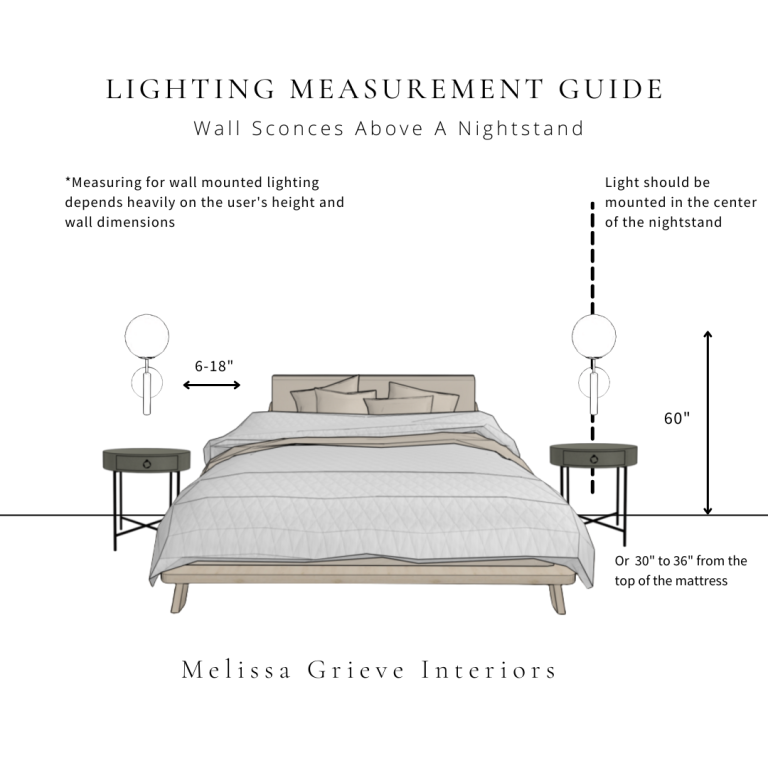
Size isn’t just about width—it’s also about height. A chandelier that’s too low bumps heads or blocks conversation. Too high, and it feels disconnected from the table. I aim for the bottom of the chandelier to be 30 to 36 inches above the table surface. This works great for standard 8-foot ceilings.
If your ceilings are higher, like 10 feet or more, you can hang it a bit higher—add about 3 inches for every extra foot of ceiling height. My dining room has 9-foot ceilings, so I hung mine about 33 inches above the table. It’s low enough to feel cozy but high enough that my tall friends don’t worry about headspace.
One tip: use a dimmer switch. It lets you adjust the light for different moods. I love dimming mine for romantic dinners—it makes the chandelier feel even more magical.
Considering Room Size and Shape
Your dining room’s size and shape play a big role too. A small chandelier in a large room looks out of place, while a massive one in a tiny space feels suffocating. I measure my dining room’s length and width, then add those numbers together (in feet) to get a rough chandelier diameter (in inches). For example, my room is 12 feet by 10 feet. That’s 22 feet total, so a 22-inch chandelier would work.
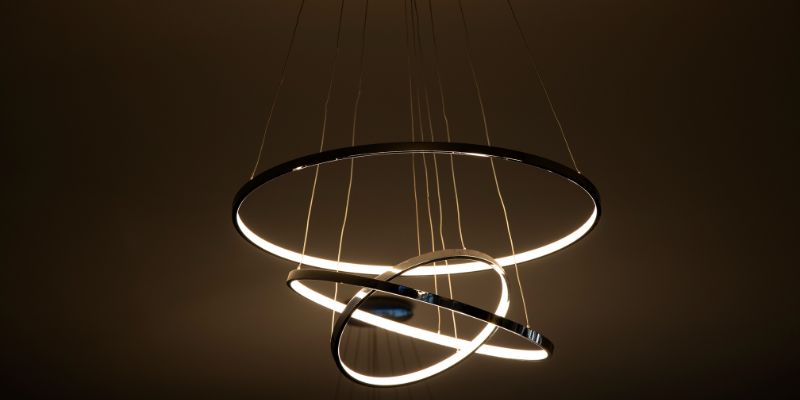
For long, narrow rooms, consider a linear chandelier or multiple smaller ones. My friend has a super long dining table, and she hung two chandeliers instead of one. It looks stunning and lights the whole table evenly. If your room feels cramped, go for a chandelier with a more open design—less bulk means it won’t overwhelm the space.
Matching Chandelier Style to Your Table
The chandelier should vibe with your table’s style. A sleek, modern table pairs well with a minimalist chandelier, while a rustic wooden table loves something with wrought iron or wood accents. My table is mid-century modern, so I chose a chandelier with clean lines and brass details. It feels like they were made for each other.
Think about shape too. Round tables look great with round or square chandeliers. Rectangular tables pair better with linear or rectangular ones. I once saw a stunning oval chandelier over an oval table—it was like the room was designed around it.
Don’t forget scale. A chunky table can handle a heavier chandelier, while a delicate glass table needs something lighter. I made the mistake of pairing a massive crystal chandelier with a slim table once. It looked like the table might collapse under the weight!
Lighting Needs for Your Dining Table
Chandeliers aren’t just decor—they’re your main light source. I think about how much light I need for different activities. For everyday meals, soft, warm light is cozy. For homework or game nights, brighter light is better.
Check the chandelier’s wattage or lumens. A dining room chandelier should give off about 200 to 400 lumens per square foot. My dining room is 120 square feet, so I aimed for around 24,000 to 48,000 lumens total. If that sounds like math overload, just pick a chandelier with multiple bulbs you can dim.
I also love chandeliers with exposed bulbs for a trendy look. But if you go this route, use soft white or warm LED bulbs. They’re energy-efficient and won’t blind your guests.
Common Mistakes to Avoid
I’ve made my fair share of chandelier blunders, so let me save you some trouble. First, don’t ignore proportions. A chandelier that’s too small or too big throws off the whole room. Measure your table and room before you shop.
Second, don’t hang it too high or low. I once hung a chandelier so high it felt like it was in the next room. Use the 30- to 36-inch rule and adjust for your ceiling height.
Third, don’t forget about installation. Some chandeliers are heavy and need extra ceiling support. I learned this when my first chandelier required an electrician to reinforce the junction box. Check the weight and hire a pro if needed.
Finally, don’t choose style over function. A gorgeous chandelier that barely lights your table isn’t worth it. Balance beauty with practicality.
Tips for Shopping for the Perfect Chandelier
Shopping for a chandelier is so much fun, but it can feel overwhelming. Here are my go-to tips. First, bring your measurements—table size, room size, ceiling height. I keep them in my phone so I’m always ready.
Second, set a budget. Chandeliers range from $100 to thousands. I found a gorgeous one for $300 that looks like it cost way more. Shop sales or check out secondhand stores for unique finds.
Third, test the look. If you’re unsure, tape a piece of cardboard the size of the chandelier to your ceiling. I did this to make sure my 28-inch chandelier wouldn’t feel too big. It’s a game-changer.
Finally, think long-term. A chandelier is an investment. Pick something you’ll love for years, not just a trendy piece that’ll feel dated soon.
How to Maintain Your Chandelier
Once you’ve got the perfect chandelier, keep it sparkling. Dust builds up fast, especially on crystal or glass. I dust mine every month with a soft cloth. For deeper cleaning, I use a mix of warm water and mild dish soap. Just be gentle—those crystals are delicate.
Turn off the power before cleaning. I learned this after a scary spark moment! If your chandelier is super high, hire a pro to clean it safely. And check the bulbs regularly. Swap out any that flicker to keep the light even.
Making a Statement with Your Chandelier
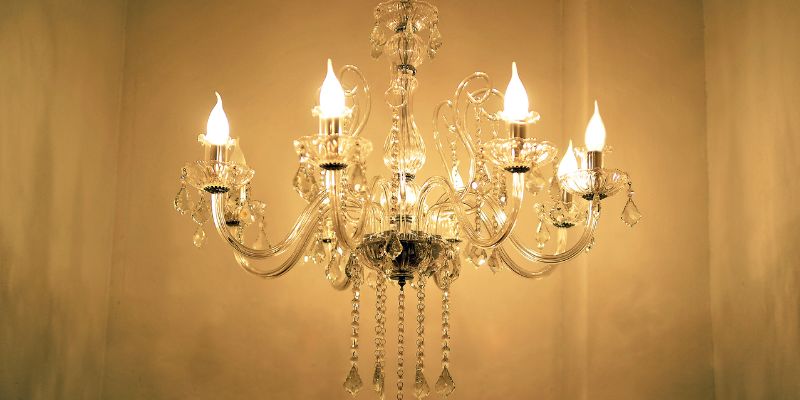
A chandelier is more than light—it’s a statement. I love how mine draws eyes the moment someone walks into my dining room. If you want drama, go for a bold design with crystals or unique shapes. For understated elegance, pick something simple with clean lines.
Mixing metals or finishes can add personality. My brass chandelier pairs with silver accents in my room, and it feels so chic. Just make sure it ties into your overall decor. A chandelier should feel like the cherry on top, not a random add-on.
Conclusion
Picking the right chandelier size for your dining table is an art, but it’s one you can master. I’ve been there—overwhelmed by choices, second-guessing measurements, and dreaming of that perfect glow. But with a few simple rules, like the half-to-two-thirds diameter trick and the 30- to 36-inch height guide, you can find a chandelier that transforms your dining room. It’s not just about light. It’s about creating a space where memories are made—laughter over dinner, quiet mornings with coffee, or holiday feasts with loved ones. Take your time, measure twice, and choose something that makes your heart sing. Your dining table deserves to shine, and I can’t wait for you to find the chandelier that makes it happen.
Frequently Asked Questions
How do I measure my dining table for a chandelier?
Measure the width of your table. For rectangular tables, use the shorter side. For round tables, measure the diameter. Then, choose a chandelier that’s half to two-thirds that size. For example, a 48-inch-wide table needs a 24- to 32-inch chandelier.
Can I use a chandelier in a small dining room?
Yes! Just pick a smaller chandelier to avoid overwhelming the space. Use the room’s length plus width (in feet) to estimate the diameter (in inches). An open design also helps keep things airy.
What if my chandelier is too big?
If it’s too big, it can make the room feel cramped. Consider swapping it for a smaller one or moving it to a larger space, like a foyer. If you love it, try dimming the lights to soften the impact.
How do I know if my chandelier is hung at the right height?
The bottom should be 30 to 36 inches above the table for standard ceilings. For higher ceilings, add 3 inches per extra foot. Sit at the table to check—it shouldn’t block your view or feel too close.
Should I get a dimmer for my chandelier?
Absolutely. A dimmer lets you adjust the mood, from bright for tasks to soft for dinners. It’s an easy upgrade that makes your chandelier more versatile.
Can I use multiple chandeliers over a long table?
Yes, it’s a great idea for tables longer than 8 feet. Use two or three smaller chandeliers, spaced evenly. Make sure their combined diameter follows the half-to-two-thirds rule for the table’s width.
What type of bulbs should I use in my chandelier?
Go for warm white LED bulbs. They’re energy-efficient and create a cozy glow. Check the chandelier’s max wattage and use dimmable bulbs if you have a dimmer switch.