How Does a Bathtub Drain Work? Trip Lever and Overflow
A bathtub drain works through a stopper, an overflow drain, and a trap: the trip lever at the overflow opens or closes the stopper via linkage, while the trap holds a bit of water to block sewer smells. A dry trap or a stuck trip lever is usually why water won’t drain right. This guide covers each part, common problems, and the tools to fix them.
What Is a Bathtub Drain?
Our Pick: Best Drain Plunger
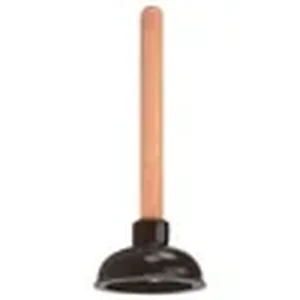 |
Small 4-Inch Rubber Drain Plunger – $8.95 This guide’s own tools table recommends a basic plunger in the $5-$10 range for clearing small clogs fast. Check on Amazon |
More Tools This Guide Recommends
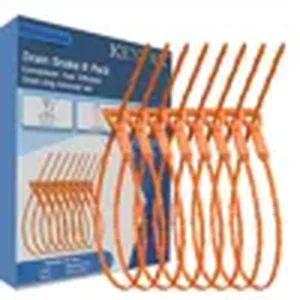 Drain Snake Clog Remover, 8-Pack – $5.99 The drain snake this guide’s tools table lists, for pulling out the hair and gunk that most often clogs a tub drain. Check on Amazon |
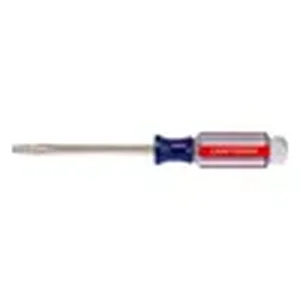 CRAFTSMAN Flathead Screwdriver – $6.98 Listed in this guide’s own tools table for opening drain covers to access the stopper mechanism. Check on Amazon |
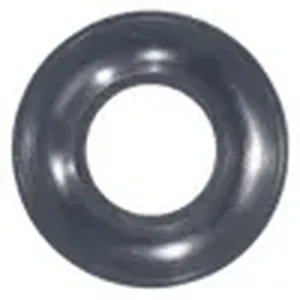 DANCO Tub Stopper Gasket – $2.82 This guide’s leak-fix tip says a worn gasket under the drain causes leaks, replace it for about $2. Check on Amazon |
A bathtub drain is the system that lets water flow out of your tub and into the pipes below. It’s like a secret tunnel for water! The drain includes parts like the stopper, overflow, and trap, all working together to keep things flowing smoothly and stop sewer smells from sneaking back up. Knowing how it works helps you fix clogs or pick the right tub for your bathroom.
Why It Matters
A good drain keeps your bath relaxing and your home clean. If it clogs, you get standing water – yuck! Plus, understanding the drain helps when replacing a tub, as the drain’s location (left, right, or center) must match your plumbing.
How Does the Bathtub Drain Work?
Let’s break it down step by step. Picture your bathtub as a bucket with a hole at the bottom. Here’s how the water escapes:
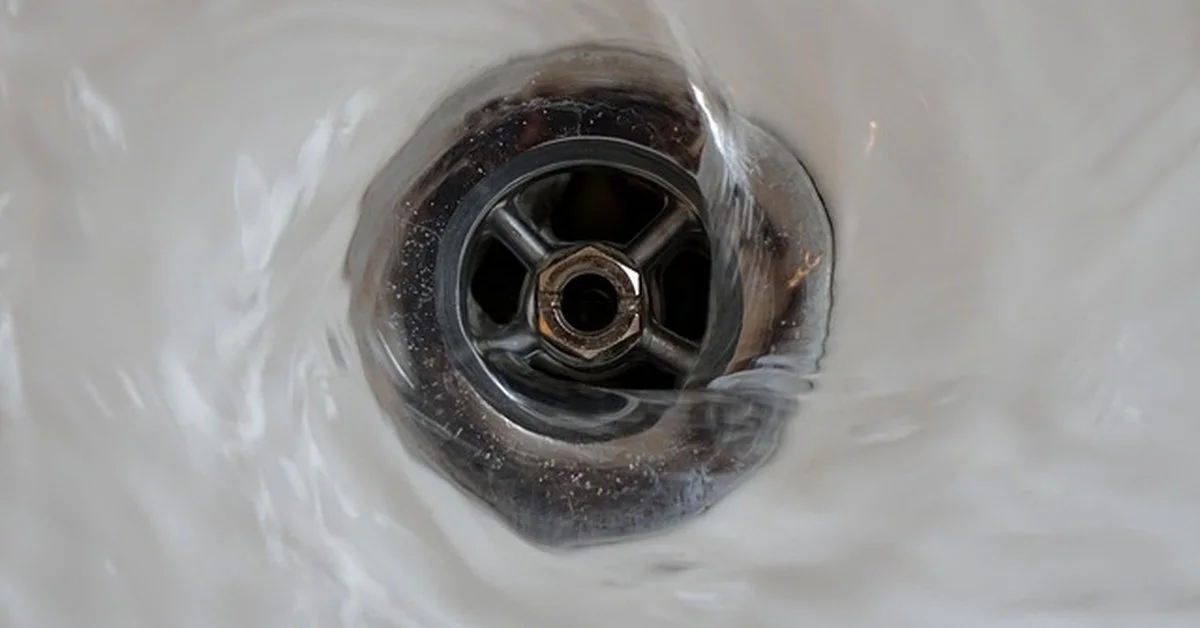
- The Drain Opening: This is the hole you see in the tub. It’s covered by a grate or stopper to catch hair and debris.
- The Stopper: This part holds water in or lets it out. Some stoppers pop up with a lever, while others twist or lift.
- The Overflow: A small hole near the top of the tub catches extra water to prevent spills. It’s like a backup plan!
- The Trap: A curvy pipe under the tub holds a bit of water to block sewer gases from coming up. Think of it as a gatekeeper.
- The Pipes: Water flows through the trap to bigger pipes, then out to the sewer. A vent pipe lets air in to keep things moving smoothly.
Imagine pouring water into a straw with a bend in it – that’s how the trap works to keep smells out while letting water through!
A Fun Example
Try this: Fill a cup with water, then pour it into a sink with a strainer. The strainer catches bits (like hair in a drain), and the water flows through pipes below. That’s your bathtub drain in action! If the strainer clogs, water backs up – just like a tub.
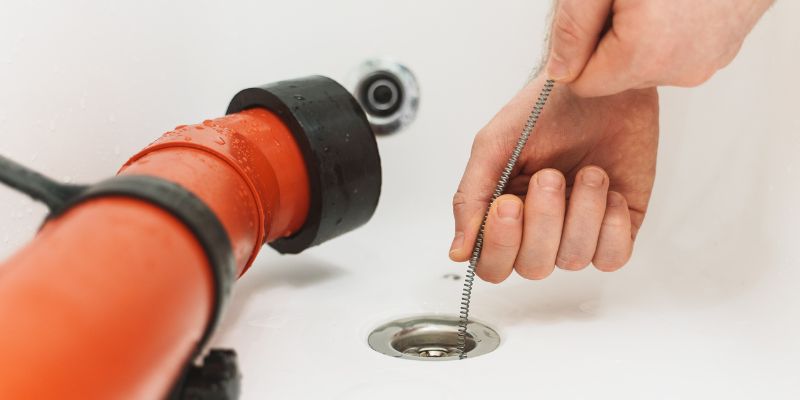
Tools and Parts You Need
To understand or fix a drain, you might need a few simple things. Don’t worry, it’s no big deal!
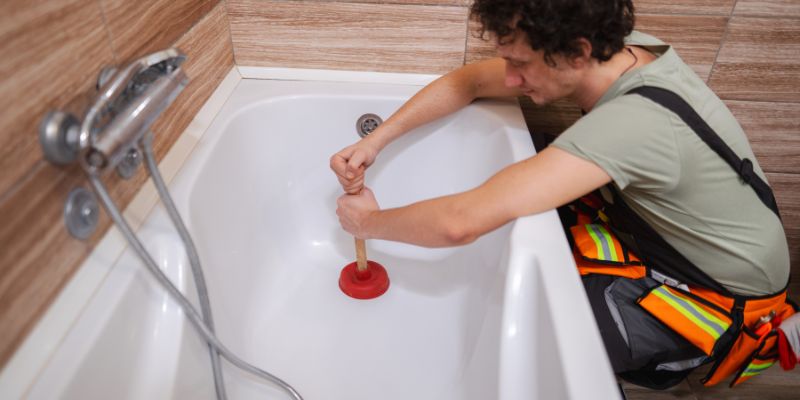
- Plunger: Great for small clogs. Push and pull to clear the pipe.
- Drain Snake: A long, flexible tool to pull out hair or gunk.
- Screwdriver: To remove the drain cover or overflow plate.
- Gloves: Keep your hands clean when digging out muck.
I recommend a basic plunger from any hardware store (about $5-$10) and a plastic drain snake (around $3). They’re cheap and easy to use!
| Tool | Cost | Why It’s Useful |
|---|---|---|
| Plunger | $5-$10 | Clears small clogs fast |
| Drain Snake | $3-$5 | Pulls out hair and debris |
| Screwdriver | $2-$5 | Opens drain covers |
Table 1: Basic Tools for Bathtub Drain Fixes
Types of Bathtub Drain Stoppers
Not all drains work the same way. Here are the main types of stoppers you’ll find:
- Lift-and-Turn: Twist a knob to open or close. Easy to use but can collect hair.
- Pop-Up: A lever on the overflow moves it up or down. Tricky to clean but common.
- Toe-Touch: Push with your toe to open or close. Super simple for kids!
- Trip-Lever: A lever on the overflow controls it. No visible stopper, but cleaning is tough.
Each type has pros and cons. For example, toe-touch is great for ease, but pop-up stoppers often clog with hair. Check your tub to see what you’ve got!
| Stopper Type | Ease of Use | Cleaning Difficulty | Cost to Replace |
|---|---|---|---|
| Lift-and-Turn | Easy | Medium | $10-$20 |
| Pop-Up | Medium | Hard | $15-$25 |
| Toe-Touch | Very Easy | Easy | $10-$15 |
| Trip-Lever | Medium | Hard | $20-$30 |
Table 2: Comparing Bathtub Drain Stoppers
Common Problems and Easy Fixes
Bathtub drains can act up, but most issues are a piece of cake to fix. Here’s what might go wrong:
- Clogs: Hair, soap, or dirt can block the drain. Use a plunger or snake to clear it.
- Slow Draining: This means a partial clog. Try pouring hot water down the drain to loosen gunk.
- Bad Smells: The trap might be dry or dirty. Run water to refill the trap or clean it with a snake.
- Leaks: A worn-out gasket under the drain can leak. Replace it with a new one (about $2).
Pro Tip: Never use chemical drain cleaners – they can hurt pipes! Stick to a plunger or snake for safe fixes.
A Quick Fix Example
Last week, my tub was draining slower than a sleepy turtle. I grabbed a $3 drain snake, pushed it into the drain, and pulled out a gross ball of hair. Five minutes later, the water flowed like a river! Try it – it’s easier than it sounds.
Tips to Keep Your Drain Happy
Here are my go-to tips to avoid drain drama:
- Use a Drain Cover: A simple mesh cover catches hair before it clogs. They cost about $2.
- Clean Weekly: Pull out the stopper and wipe away gunk with a cloth.
- Run Hot Water: After a bath, pour a pot of hot water down to clear soap residue.
- Avoid Makeup: Rinse off makeup before bathing to prevent sticky clogs.
These tricks save time and money. Trust me, I learned the hard way after a clog turned my bath into a swamp!
Benefits and Drawbacks of Bathtub Drains
Drains are awesome but not perfect. Here’s the scoop:
- Benefits: They keep water flowing, stop sewer smells, and are easy to fix with basic tools. A good drain makes baths relaxing!
- Drawbacks: Clogs happen, especially with hair or soap. Some stoppers (like trip-lever) are hard to clean. Old pipes might need a plumber.
If your drain’s location limits your tub choices, consider a pro to adjust the plumbing. It’s pricier but opens up options.
Visual Ideas for Better Understanding
I’d love to include diagrams, but here are ideas you can picture:
- Drain System Sketch: Show the drain, overflow, trap, and pipes in a simple drawing. Label each part for clarity.
- Stopper Comparison Chart: A visual of lift-and-turn, pop-up, and toe-touch stoppers side by side.
- Clog-Fixing Steps: A step-by-step image guide for using a drain snake.
Search for “bathtub drain diagram” on sites like Bob Vila for examples!
Frequently Asked Questions
What’s the Easiest Way to Unclog a Bathtub Drain?
Use a plunger or drain snake. Push the plunger over the drain a few times, or slide a snake in to pull out hair. It’s quick, cheap, and works 90% of the time. Avoid chemical cleaners – they can damage pipes.
Why Does My Bathtub Drain Smell Bad?
The trap might be dry or dirty. Run water to fill the trap, which blocks sewer gases. If it still smells, use a drain snake to clear gunk. Baking soda and vinegar can help freshen it up.
Can I Change My Bathtub Drain Location?
It’s tough but possible. The drain must match your pipes’ location, or water won’t flow right. A plumber can move pipes, but it costs $200-$500. Check your setup first.
What’s the Best Stopper for Kids?
Try a toe-touch stopper. It’s easy to push with a foot, no bending needed. Lift-and-turn is also simple but might need a twist. Both are kid-friendly and affordable.
How Often Should I Clean My Drain?
Clean it weekly. Wipe the stopper and use a mesh cover to catch hair. Pour hot water down monthly to clear soap buildup. This keeps clogs away and your tub fresh.
Why Does My Drain Leak?
A worn-out gasket might be the culprit. Unscrew the drain cover, replace the rubber gasket (about $2), and tighten it back. If it still leaks, call a plumber to check the pipes.
Can Any Tub Fit My Drain?
Not always. The tub’s drain hole must line up with your pipes (left, right, or center). Measure your drain location before buying a new tub to avoid plumbing headaches.
Wrapping It Up
Understanding how does the bathtub drain work is like learning a cool magic trick – it’s simple once you know the parts! From the stopper to the trap, each piece helps water flow and keeps your bath relaxing. Try using a drain cover or snake to keep things clear, and don’t be afraid to tackle small clogs yourself – it’s easier than you think! Got a tip or a clog story? Share it with friends or try fixing your drain this weekend. For more plumbing know-how, check out The Spruce or Magnus Home Products. Happy bathing!
Sponsored / affiliate links. As an Amazon Associate I earn from qualifying purchases. I may earn additional commission from eligible campaigns.