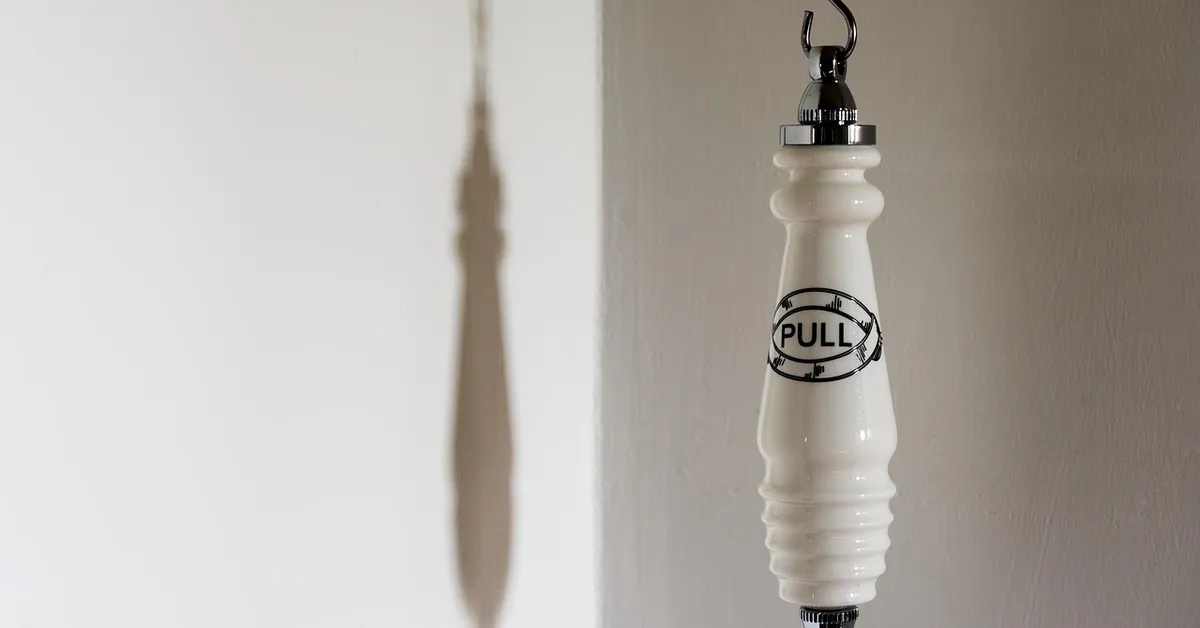
Toilet Won’t Flush but Isn’t Clogged? Tank, Handle, Water Level, and Rim-Jet Checks
When a toilet won’t flush and there’s no clog, the problem is almost always inside the tank rather than the drain: a disconnected or broken flush handle linkage, a flapper that isn’t lifting, a water level too low to generate a siphon, or rim jets so scaled up they can’t push water through. This is different from a clog, where water rises and drains slowly; here the tank often doesn’t even empty properly when you press the handle. This guide covers each of those tank-side causes in the order to check them.
Start With the Handle and Lift Chain
Remove the tank lid and press the handle while watching inside. If nothing moves, the lift chain (or lift arm and rod on older toilets) has likely disconnected from the handle, snapped, or come off the flapper entirely, a common failure since these plastic and metal links wear and can simply pop loose over years of use. Reconnect the chain to the flapper’s tab, leaving about half an inch of slack so the flapper can seat fully between flushes without the chain holding it open even slightly. This single fix resolves a large share of “won’t flush at all” cases with no clog involved.
Check That the Flapper Actually Lifts and Seals
If the chain is connected but the handle feels loose or doesn’t lift the flapper noticeably, the flapper itself may be warped, stuck to the flush valve seat by mineral deposits, or simply the wrong size for the valve opening (a mismatched replacement flapper is a common installation mistake). A flapper that doesn’t lift high enough or long enough won’t release enough water to trigger a siphon, leaving the bowl static even though some water moved. Flappers are inexpensive and universal-fit models are sold specifically to match different flush valve sizes, so confirm the diameter (usually 2 or 3 inches) before replacing.
Low Tank Water Level Prevents a Siphon From Ever Starting
A toilet flush works by rapidly dumping tank water into the bowl fast enough to fill the trapway completely and start a siphon effect that pulls the bowl’s contents down. If the tank water level sits well below the fill line marked on the overflow tube, whether from a fill valve that’s stopped working, a float arm bent or stuck too low, or a fill valve seat clogged with sediment, there simply isn’t enough water volume to start that siphon, so the flush feels like it “does nothing” even with a functioning flapper. Adjust or replace the fill valve if the level is consistently low, and check that the refill tube (the small flexible tube from the fill valve into the overflow tube) hasn’t fallen out, since that tube also keeps the bowl itself primed with a water seal between flushes.
Rim Jets Blocked by Mineral Scale
Even with correct water volume and a properly functioning flapper, heavily scaled rim jets and the siphon jet at the bottom front of the bowl can restrict flow enough that the flush lacks force, especially in hard-water areas. This shows up as water trickling weakly down the bowl sides rather than swirling with force. Clearing the jets with a bent wire and a descaling solution (or a specialized rim-jet cleaning tool) restores full flow, and it’s worth checking any time a toilet not flushing fully issue persists after ruling out the flapper and chain.
Frequently Asked Questions
How can I tell the difference between a clog and a tank problem without opening the tank?
Pour a bucket of water directly into the bowl quickly. If it flushes normally and drains well, the drain itself is clear and the problem is in the tank’s mechanics. If the water rises slowly or backs up, there’s an actual clog downstream that tank repairs won’t fix.
Could the toilet’s flush valve itself be broken?
Yes, though it’s less common than a chain or flapper issue. A cracked flush valve seat, usually from age or a dropped tool during a previous repair, can prevent a proper seal even with a new flapper installed, and it requires replacing the entire flush valve assembly, a bigger repair involving removing the tank from the bowl.
Is it safe to keep using the toilet while troubleshooting?
Yes, as long as there’s no actual clog and no water overflowing anywhere. A weak or absent flush from tank mechanics is an inconvenience, not a safety issue, so there’s no urgency to stop using the toilet while you work through the checks in order.
Sponsored / affiliate links. As an Amazon Associate I earn from qualifying purchases. I may earn additional commission from eligible campaigns.