Why Is My Toilet Not Flushing Strong? Tank, Bowl, and Drain Checks
A weak toilet flush comes from a problem in one of three systems: not enough water reaching the bowl from the tank, mineral buildup restricting the jets inside the bowl itself, or a partial clog or airflow problem in the drain line. Checking each system in order tells you exactly where the flush is losing power, rather than guessing.
Tank: water level and flapper timing
Remove the tank lid and check the water level; it should sit at the fill line marked on the overflow tube, typically about 1 inch below its top. If the water level is low, adjust the fill valve‘s float (raise the float on a ball-float style, or adjust the clip on a modern float-cup valve) until it reaches the correct mark. Separately, check the flapper: if the chain connecting it to the flush handle has too much slack, the flapper can drop and reseal before the tank fully empties, cutting the flush short. There should be about a half inch of slack, no more, when the flapper is fully seated.
Bowl: clogged rim holes and siphon jet
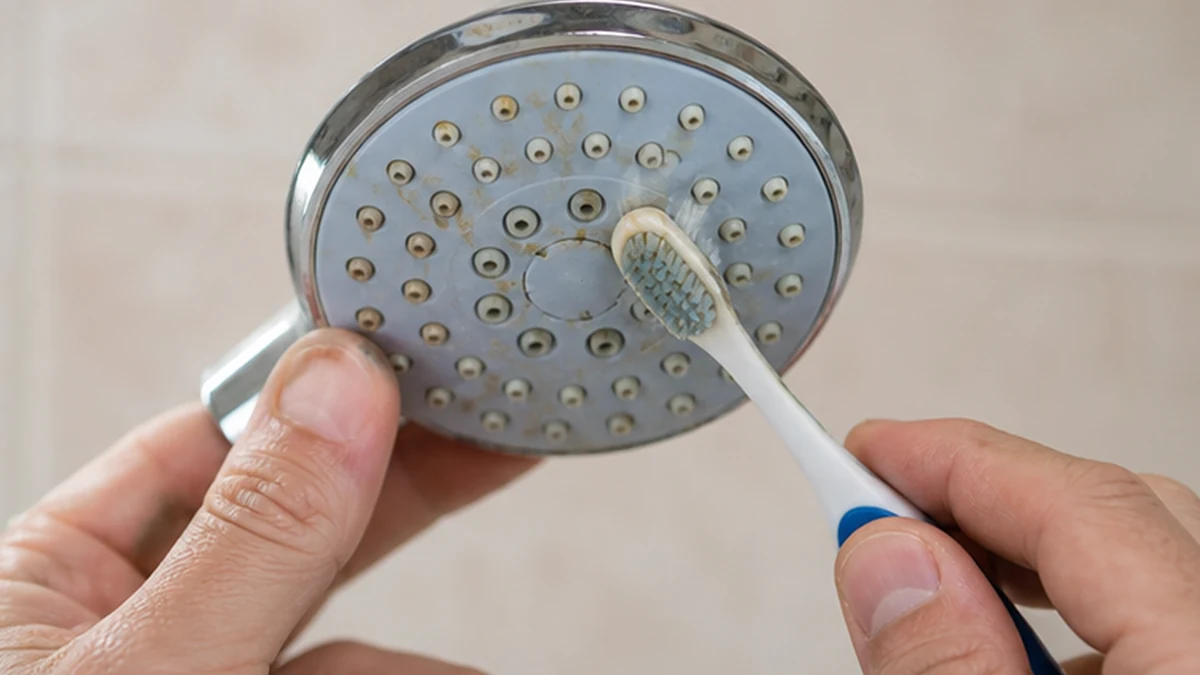
Water enters the bowl through small holes under the rim and a larger siphon jet at the bottom front of the bowl that creates the pulling action of the flush. Hard water deposits calcium and mineral scale inside these openings over time, narrowing them and reducing both the volume and velocity of water entering the bowl. Use a small mirror and flashlight to check the rim holes for visible white or gray buildup, and clear them with a stiff wire (an unfolded coat hanger works) or a rim-hole cleaning tool. Soaking the bowl overnight with white vinegar, then scrubbing with a stiff brush, dissolves lighter mineral buildup without harsh chemicals.
Drain: partial clogs and venting
If water enters the bowl normally but still drains slowly, the restriction is downstream, most often a partial clog in the trap or branch drain from an accumulation of wipes, buildup, or a foreign object. A plunger test isolates this: if plunging noticeably improves the flush, the issue is a partial drain clog rather than the tank or bowl jets. A gurgling sound during or after flushing, especially if paired with slow drainage in a nearby sink or tub, points to a blocked or undersized vent stack causing an airlock that fights against smooth drainage, which typically needs a plumber to clear from the roof vent.
Ruling out a low-flow design limitation
Toilets manufactured to meet the 1.28 gallons-per-flush WaterSense standard or older 1.6 gallon federal standard simply use less water than pre-1994 models, and some early low-flow designs from the 1990s had genuinely weak flush performance as a side effect of the water reduction. If your toilet has always flushed weakly since installation rather than gradually getting worse, this is more likely a design or model issue than a fixable fault; see this related guide on toilet not flushing fully for further checks specific to that scenario.
Frequently Asked Questions
Will adding more water to the tank overflow tube help a weak flush?
No, and it can cause the tank to overflow into the bowl continuously. The fill line marked on the overflow tube is the manufacturer’s tested level; raising it beyond that risks a running toilet rather than a stronger flush.
How often should rim holes be cleaned in hard water areas?
In areas with notably hard water, checking and cleaning the rim holes every 6 to 12 months prevents buildup from reaching the point where it noticeably weakens the flush.
Can a weak flush indicate a problem in the main sewer line?
It can, particularly if multiple fixtures in the house are also draining slowly or gurgling at the same time, which suggests the restriction is beyond the toilet’s own trap and warrants a professional drain inspection.
Sponsored / affiliate links. As an Amazon Associate I earn from qualifying purchases. I may earn additional commission from eligible campaigns.