How High Does a Wood Stove Chimney Need to Be? Pro Rules
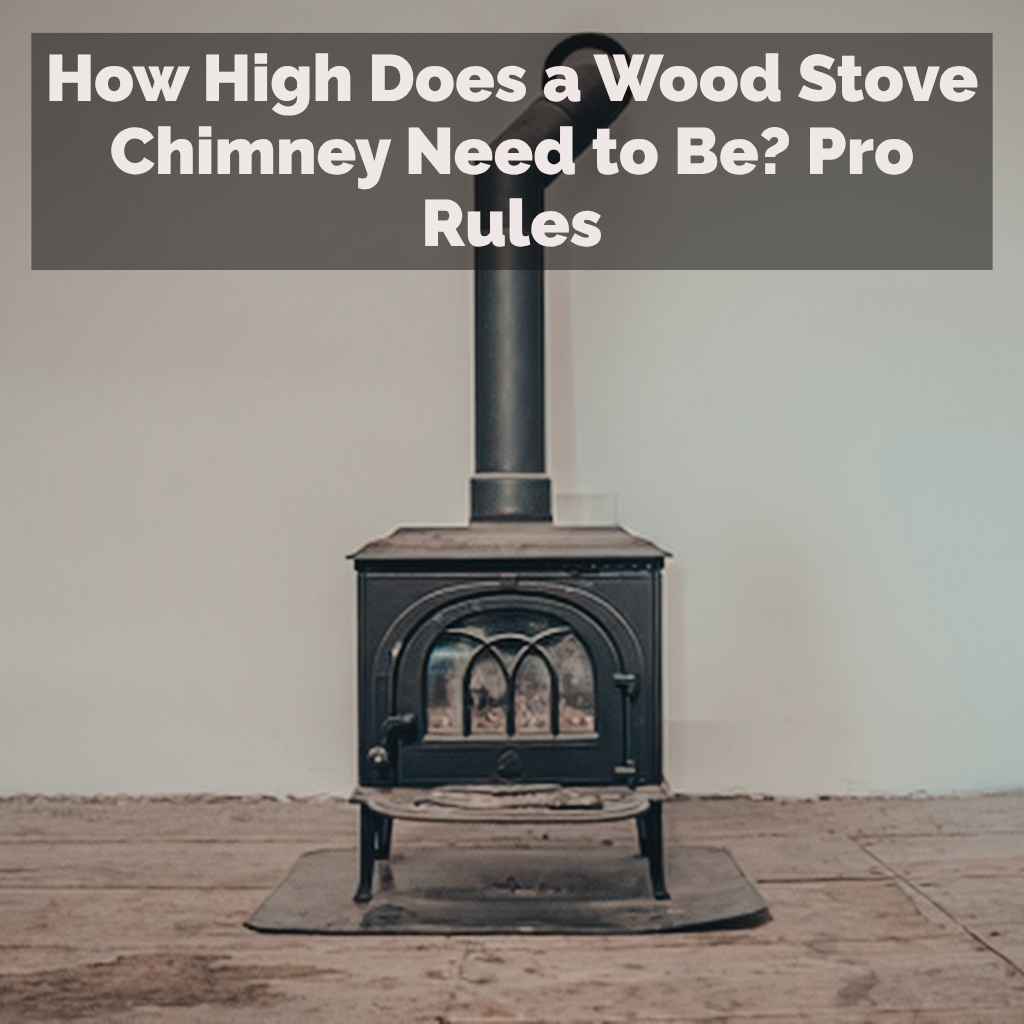
So, you’re thinking about setting up a wood stove, that’s great! But you might be wondering, “How high does a wood stove chimney need to be? Pro rules can seem a bit tricky at first.
We get it. Getting the chimney height just right is super important for safety and making sure your stove works well. Don’t worry, though!
We’re going to break down exactly what you need to know in a super simple, step-by-step way. Let’s figure out this chimney height puzzle together.
Understanding Wood Stove Chimney Height Requirements
Getting your wood stove chimney to the right height is a big deal. It’s not just about making sure smoke goes up and away. The proper height ensures that your stove burns efficiently and, most importantly, that it’s safe for your home and family.
Many people get this part wrong because the rules can seem complicated. They involve distances, angles, and local building codes. This section will explain why this height matters so much and what factors go into determining it.
We’ll make it clear so you know exactly what you need to do.
The Importance of Proper Chimney Height
A chimney’s height is key to its performance and safety. If it’s too short, smoke and dangerous gases might not vent properly. This can cause smoke to back up into your home, creating fire hazards and health risks from carbon monoxide.
A chimney that’s too tall isn’t necessarily better either; it can sometimes lead to poor draft, meaning the fire won’t burn as hot or as efficiently. This affects how well your stove heats your home and can cause creosote buildup, which is a major fire risk. So, finding that sweet spot for height is critical.
- Efficient Draft Creation: A well-designed chimney uses natural air currents, called draft, to pull smoke and gases up and out. The height plays a significant role in establishing a consistent and strong draft. Without enough height, this natural pull is weak, leading to smoke spilling back into the room. This is especially true on calm days or when there’s no wind. Proper height helps create a steady upward flow of air, making your stove burn cleaner and hotter.
- Preventing Smoke Spillage: Smoke contains carbon monoxide, a colorless, odorless gas that can be deadly. If your chimney isn’t tall enough, especially in relation to nearby structures or trees, wind can push smoke back down. This is known as downdraft. A taller chimney helps ensure that smoke rises above these obstructions and prevailing wind patterns, keeping your home safe and free of dangerous fumes.
- Reducing Fire Hazards: Creosote is a tar-like substance that builds up inside chimneys from burning wood. It’s highly flammable. A chimney that is too short or has poor draft may encourage more creosote to form because the smoke cools down too quickly before exiting. This increases the risk of a chimney fire. Proper height helps maintain a good temperature inside the chimney, reducing creosote accumulation and its associated dangers.
Factors Influencing Chimney Height
Several things affect how high your chimney needs to be. The type of wood stove you have is one. Some stoves are designed for different draft requirements.
The roof pitch of your house is also very important. Regulations often require the chimney to extend a certain distance above the highest point of your roof. Wind patterns in your area can also be a consideration.
Local building codes are the most critical factor, as they set the minimum legal requirements for safety. Always check these first.
For example, imagine two houses side-by-side. One has a steep roof, and the other has a low-pitched roof. The chimney on the steep roof might need to be shorter to meet the required distance above the roof peak.
The chimney on the low-pitched roof would need to extend higher to clear the roofline by the same margin, ensuring proper smoke dispersion and preventing downdraft issues. This shows how your home’s structure directly impacts chimney height needs.
National and Local Chimney Height Regulations
When we talk about “How High Does a Wood Stove Chimney Need to Be? Pro Rules,” we’re really talking about following established safety guidelines. These rules are put in place by building authorities to prevent fires and protect people from harmful smoke.
They aren’t just suggestions; they are legal requirements. Understanding these regulations is the first step to a safe and well-functioning wood stove system.
Understanding NFPA 211 Standards
The National Fire Protection Association (NFPA) provides widely recognized standards for chimneys, fireplaces, and vents, including NFPA 211. This is a key document that many local building codes are based on. It sets specific requirements for chimney height and clearances to combustible materials.
Following NFPA 211 helps ensure your installation is safe and up to code.
NFPA 211 has specific rules about how far a chimney must extend above certain parts of a building. For example, it generally requires the chimney to extend at least three feet above the point where it passes through the roof. It also needs to be at least two feet higher than any part of the building within ten feet.
These measurements are critical for preventing fires and ensuring good draft.
- Three Feet Above Roof Penetration: This rule is fundamental. When your chimney goes through your roof, it must extend a minimum of three feet above the roof surface at that point. This distance helps ensure that smoke has a clear upward path and is less likely to be affected by the roofline. It’s a basic safety measure to keep heat and sparks away from your roofing materials.
- Ten Feet Horizontal Clearance Rule: If your chimney is within ten feet horizontally of any part of your house or a neighboring structure, it must be at least two feet taller than that part. This is to prevent heat from a potential chimney fire from spreading to the building’s structure. Think of it as creating a safety buffer zone, ensuring that even if something goes wrong, the fire is contained.
- Wind Effects and Draft: NFPA 211 also implicitly considers wind effects. A taller chimney is generally better at overcoming wind gusts that might try to push smoke back down. The rules aim to create a chimney that performs reliably under various weather conditions, ensuring consistent ventilation and safety. This is why a simple height is not enough; it must also consider surrounding structures.
Local Building Codes and Permitting
While NFPA 211 provides a strong foundation, your local municipality or county will have its own specific building codes. These codes might be stricter than NFPA 211. It is absolutely essential to check with your local building department before starting any installation.
They will tell you exactly what is required in your area. Many areas require a permit for installing or modifying a wood stove and chimney, and they will likely inspect the work to ensure it meets all codes.
For instance, some towns might have stricter rules about chimney height in densely populated areas or near parks. Others might have specific requirements for chimney caps or spark arrestors. Ignoring local codes can lead to fines, forced removal of the system, or denial of homeowners insurance claims if something goes wrong.
Getting the permit and passing the inspection means your installation is safe and legal.
Case Study: A Tale of Two Chimneys
Consider two homeowners, Sarah and John, both installing new wood stoves. Sarah lives in a rural area with scattered trees. Her local code follows NFPA 211 closely.
Her chimney needs to be 3 feet above the roof penetration and clear any nearby trees by the 10-foot rule. John lives in a more urban neighborhood with closely spaced houses and higher rooflines. His local code requires his chimney to be 5 feet above the roof penetration and extend 3 feet above any adjacent structure within 10 feet, making his chimney significantly taller than Sarah’s, even if their roof pitches are similar.
This difference highlights how location and local interpretations of safety rules significantly impact the required chimney height. John’s situation demands a higher chimney to ensure his smoke doesn’t impact his neighbors or get trapped by taller buildings nearby. Sarah’s setup, while requiring adherence to standards, has more environmental space allowing for a slightly less imposing structure.
Both are following the “How High Does a Wood Stove Chimney Need to Be? Pro Rules” for their specific circumstances, demonstrating the necessity of local checks.
Determining Your Specific Chimney Height
Now that we understand why height matters and what rules are in place, let’s get practical. How do you figure out the exact height for your house? This involves looking at your roof and measuring distances.
It’s like following a recipe – every ingredient has its place and amount for the best result. We’ll walk through the steps to measure and calculate, ensuring your chimney is both safe and effective.
Measuring Your Roof Pitch
Your roof pitch is how steeply your roof slopes. You can usually find this information in your home’s blueprints, or you can measure it. A common way to measure is to find a horizontal distance of 12 inches on your roof and then measure the vertical rise in inches over that distance.
For example, a “6/12 pitch” means for every 12 inches you go horizontally, the roof rises 6 inches.
Understanding your roof pitch is crucial because many chimney height regulations are based on it. A steeper roof might mean the chimney needs to extend less distance vertically from the point it exits. A flatter roof means the chimney will have to be taller to clear the roofline sufficiently.
This measurement helps ensure that the chimney’s top is at a safe height, well above any potential downdraft issues caused by the roof’s shape.
Applying the Clearance Rules
Once you know your roof pitch and where the chimney will exit, you apply the clearance rules. The most common rule is the one requiring the chimney to extend at least 3 feet above the roof surface where it penetrates. Another key rule, as mentioned, is the 10-foot horizontal rule: if any part of your building or a neighboring building is within 10 feet horizontally of your chimney, the chimney must extend at least 2 feet above that point.
Let’s visualize this. If your chimney exits your roof at a point 8 feet away from the peak of your roof, and your roof is quite steep, the 3-foot rule might be enough. However, if that same chimney exit point is only 5 feet away horizontally from a taller section of your house (like a second story addition or a dormer), then the chimney must be 2 feet taller than that taller section.
This is where careful measurement and understanding of your home’s architecture are vital.
Here’s a sample scenario:
- Identify Chimney Exit Point: Pinpoint exactly where the chimney will come through your roof.
- Measure Roof Height at Exit: Determine the height of the roof surface at that point from the ground.
- Measure Distance to Highest Obstruction: Measure the horizontal distance from the chimney exit point to the nearest taller structure (your house or a neighbor’s).
- Calculate Required Height: Apply the 3-foot rule above the roof surface. Then, apply the 2-foot rule above the obstruction if it’s within 10 feet. The greater of these two calculated heights is your minimum requirement.
Chimney Height Calculators and Professional Help
There are online calculators that can help you estimate required chimney heights. However, these are often based on general rules and might not account for specific local codes or complex rooflines. For peace of mind and absolute certainty, it is highly recommended to consult with a certified chimney sweep or a qualified fireplace installer.
They have the expertise and knowledge of current codes to ensure your installation is perfect.
These professionals can perform on-site assessments, taking into account all the variables of your specific home and location. They can identify potential issues you might overlook, such as prevailing wind directions or unusual roof structures. Investing in professional advice can save you significant trouble and expense down the line and, most importantly, ensure your family’s safety.
A small fee for their expertise is well worth it for a safe, properly functioning chimney.
Types of Chimneys and Their Height Considerations
Not all chimneys are created equal, and their design can influence how height regulations are applied. Understanding the different types of chimneys will help you appreciate why certain structures might have different height requirements or installation considerations, even when adhering to the core “How High Does a Wood Stove Chimney Need to Be? Pro Rules.”
Masonry Chimneys
Traditional masonry chimneys are built from brick and mortar, often with a clay tile liner. They are very durable and can last for many years. Because they are built on-site, their height can be adjusted quite precisely during construction.
The rules for masonry chimneys are generally the same as for prefabricated ones regarding height above the roof and clearance from combustible materials.
Masonry chimneys are typically quite substantial and have good thermal mass, meaning they absorb and release heat slowly. This can contribute to a stable draft. However, they require a solid foundation and must be properly constructed to prevent moisture penetration and structural issues.
The height calculation remains paramount; a beautiful, well-built masonry chimney that is too short is still a safety hazard.
- Durability and Longevity: Masonry chimneys, when built correctly, can last for decades, sometimes even a century or more. Their robust construction makes them resistant to the elements and the high temperatures experienced during wood burning. This longevity is a significant advantage.
- Thermal Mass Benefits: The bricks and mortar store heat from the fire. This stored heat helps maintain a consistent temperature within the chimney, which can contribute to a more stable draft. It also means less heat is lost through the chimney walls compared to some other types.
- Construction Complexity: Building a masonry chimney is a specialized skill. It requires careful planning, the right materials, and skilled labor. Ensuring the correct height and structural integrity is part of this complex process, often requiring professional builders.
Prefabricated Metal Chimneys
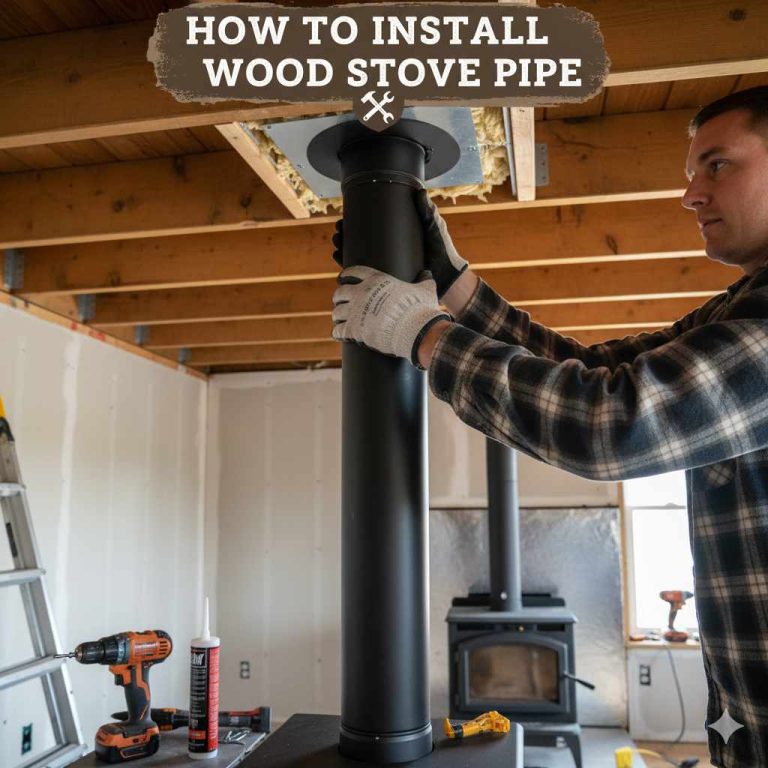
Prefabricated chimneys, often called “Class A” chimneys, are made of insulated metal sections that are assembled on-site. They are popular because they are generally easier and quicker to install than masonry chimneys and are designed for direct use with wood stoves. They come in various diameters and lengths to suit different installations.
When using prefabricated chimneys, it’s crucial to use only listed and approved components specifically designed for solid fuel appliances like wood stoves. The system must be installed according to the manufacturer’s instructions and local building codes. The height requirements remain the same: ensuring clearance from the roof and other structures is vital for safety.
The triple-wall construction of these chimneys provides insulation, which helps maintain heat and draft.
A common scenario involves installing a prefabricated chimney through a cathedral ceiling or a finished living space. In these cases, specific clearances to combustible framing members within the walls and ceiling are absolutely critical. These clearances are part of the “pro rules” and are designed to prevent heat transfer from the hot chimney pipe to flammable building materials.
Manufacturers provide detailed diagrams for these installations.
Chimney Height in Relation to Stove Type
While the fundamental height rules apply broadly, the type of wood stove can influence chimney design and, indirectly, height. Some high-efficiency stoves might require a very specific draft profile, which can be influenced by chimney height and diameter. Always consult your stove manufacturer’s manual for their specific recommendations regarding chimney size and height, in addition to local codes.
For example, a small, efficient wood stove designed for a tightly sealed home might have different draft needs than a larger, older model. The chimney’s diameter should also be matched to the stove’s flue collar size. A chimney that’s too large can lead to insufficient draft because the exhaust gases cool down too much.
A chimney that’s too small can create excessive backpressure. These factors, combined with height, ensure optimal performance.
Maintaining Your Chimney for Continued Safety
Even with the perfect height, a chimney needs regular maintenance to remain safe and effective. This is the final piece of the puzzle for ensuring the “How High Does a Wood Stove Chimney Need to Be? Pro Rules” lead to lasting safety.
Neglecting maintenance can undo all the careful planning and installation.
Regular Chimney Sweeping
Creosote buildup is a major fire hazard. Regular chimney sweeping removes this flammable substance, along with soot and debris. How often you need sweeping depends on how much you use your stove and what kind of wood you burn.
A general recommendation is to have it inspected annually and swept as needed.
A qualified chimney sweep will not only clean the chimney but also inspect it for any damage. This includes checking the liner, masonry, cap, and flashing for cracks, deterioration, or blockages. Early detection of problems can prevent minor issues from becoming major safety hazards or costly repairs.
They can also advise if the chimney’s height is still appropriate given any changes to your property or surrounding area.
- Preventing Chimney Fires: The primary reason for sweeping is to prevent fires. Creosote is highly flammable, and when enough accumulates, it can ignite. A clean chimney significantly reduces this risk. Think of it like changing the oil in your car; it’s essential maintenance for safe operation.
- Ensuring Proper Draft: Soot and creosote can narrow the chimney’s passage, impeding airflow. Regular cleaning ensures the chimney maintains its designed draft, allowing smoke and gases to escape efficiently. This leads to better stove performance and a safer home environment.
- Inspecting for Damage: Sweepers are trained to spot potential problems like cracks in the liner, loose bricks, or damaged flashing around the roofline. Addressing these issues promptly is crucial for preventing water damage and structural problems, and for maintaining the chimney’s ability to vent safely.
Inspecting the Chimney Cap and Spark Arrestor
The chimney cap sits on top of the chimney and prevents rain, snow, animals, and debris from entering. Many caps also include a spark arrestor, which is a mesh screen designed to prevent embers from escaping the chimney and starting a fire on your roof or in your yard. Both the cap and the spark arrestor need to be checked regularly.
A damaged or clogged spark arrestor can be just as dangerous as a chimney that is too short. If the mesh gets clogged with creosote or debris, it can restrict airflow and cause smoke to back up into the house. Similarly, a cap that is loose or missing can allow water to enter, causing damage to the chimney liner and structure over time.
Regular visual checks and cleaning are important.
Sample Scenario: Blocked Spark Arrestor
Mr. Henderson used his wood stove heavily during a cold winter. He hadn’t had his chimney inspected in two years.
One evening, he noticed smoke filling his living room. Upon investigation, he found that the spark arrestor on his chimney cap was completely blocked with creosote and debris. This blockage severely restricted the draft.
His chimney was the correct height, but the blockage created a dangerous situation, forcing him to have an emergency cleaning and inspection. This illustrates that even with proper height, maintenance is non-negotiable.
Frequently Asked Questions
Question: What is the minimum height for a wood stove chimney?
Answer: The general rule from NFPA 211 is that the chimney must extend at least three feet above the roof penetration and be at least two feet higher than any part of the building within ten feet horizontally. Local codes may require more height.
Question: Can my chimney be too tall?
Answer: Yes, a chimney can be too tall. If it’s excessively tall, it can sometimes lead to poor draft, meaning the fire may not burn as efficiently, and smoke might not exit properly. The goal is the correct height, not just the tallest height.
Question: Do I need a permit to install a wood stove chimney?
Answer: In most areas, yes, you will need a permit from your local building department for installing or modifying a wood stove and its chimney system. It’s best to check with your local authorities.
Question: What are the dangers of a chimney that is too short?
Answer: A chimney that is too short can cause smoke and dangerous gases like carbon monoxide to back up into your home, leading to poor air quality and potential health risks. It also increases the risk of downdraft and fire spread from insufficient clearance.
Question: How often should a wood stove chimney be inspected?
Answer: It is generally recommended to have your wood stove chimney inspected by a professional annually. The frequency of sweeping depends on usage and wood type, but an annual inspection is a good safety practice.
Conclusion
Getting your wood stove chimney height right is a critical safety step. Following the 3-foot rule above the roof and the 10-foot rule for nearby structures, along with local codes, ensures proper draft and prevents fires. Always consult local regulations and consider professional help for peace of mind.
Regular maintenance keeps your chimney safe for years to come.