How Long Do Solar Lights Last? A Comprehensive Guide for Car Enthusiasts and Homeowners
Hey there! If you’re like me, you’ve probably noticed solar lights popping up everywhere—on driveways, along garden paths, and even illuminating carports. They’re eco-friendly, cost-effective, and add a nice touch to your outdoor space. But one question I kept asking myself when I first started using them was, “How long do solar lights last?” I’ve spent a lot of time exploring this topic, testing different brands, and digging into the nitty-gritty details.
So, let’s dive in and break it down together. Whether you’re using solar lights for your carport, driveway, or backyard, I’ll walk you through everything you need to know about their lifespan, maintenance, and more.
Understanding the Lifespan of Solar Lights
When I first installed solar lights around my driveway, I was curious about how long they’d keep shining. Solar lights are a fantastic way to light up your outdoor space without hiking up your electricity bill. But their lifespan depends on several factors, like the quality of the components, how often you use them, and how well you maintain them.
On average, a good-quality solar light can last anywhere from 2 to 5 years. But that’s just the light itself. The individual parts, like the solar panel, battery, and LED bulb, have their own lifespans. Let me break it down for you.
The solar panel, which captures sunlight and turns it into energy, usually lasts 10 to 20 years if it’s made well. The battery, though, is often the first part to wear out. Most solar lights use rechargeable batteries, like NiMH or lithium-ion, which last about 1 to 3 years before they start losing their ability to hold a charge. The LED bulb is the real champ—it can last up to 10 years or more, sometimes outlasting the light itself!
But here’s the thing: not all solar lights are created equal. Cheap ones from the dollar store might only last a season, while high-end models can keep going for years. I learned this the hard way when I bought some budget lights that fizzled out after a few months. So, investing in quality is key.
What Affects the Lifespan of Solar Lights?
I’ve had my fair share of solar lights that either shone brightly for years or died way too soon. After some trial and error, I figured out that a few things can make or break how long your solar lights last. Let’s talk about them.
First, there’s the quality of the materials. High-quality solar panels made of monocrystalline silicon tend to last longer and work better than cheaper polycrystalline ones. I noticed that my premium lights with monocrystalline panels still charge well even after a few years, while the budget ones started fading fast.
Weather plays a big role, too. If you live somewhere with harsh winters or constant rain, like I do in the Midwest, your solar lights take a beating. Water can seep into poorly sealed units, and extreme cold can weaken the battery. I’ve had to replace a few lights that weren’t rated for heavy weather.
Then there’s sunlight exposure. Solar lights need a good dose of direct sunlight to charge properly. If you place them in a shady spot—like under my big oak tree—they won’t charge well, and the battery will wear out faster. I made the mistake of putting a few lights in a shadowy corner, and they barely lasted a year.
Finally, maintenance matters. Dust, dirt, and debris can cover the solar panel, blocking sunlight and reducing efficiency. I clean my panels every few months with a damp cloth, and it makes a huge difference. Neglecting maintenance is like letting your car’s oil go unchanged—it’s a recipe for a shorter lifespan.
Breaking Down the Components and Their Durability
To really understand how long solar lights last, you need to know about their main parts. I’ve taken apart a few of my old lights (yes, I’m that curious), and here’s what I found.
Solar Panels
The solar panel is the heart of the light. It captures sunlight and converts it into electricity. Good panels, like those made from monocrystalline silicon, can last 10 to 20 years. But cheaper panels might start losing efficiency after just a few years. I’ve got some high-end lights that have been going strong for over a decade, and their panels still work like a charm.
Batteries
The battery stores the energy collected by the panel. Most solar lights use NiMH or lithium-ion batteries. NiMH batteries last about 1 to 2 years, while lithium-ion ones can go for 2 to 3 years. I’ve found that replacing the battery can give an old solar light new life. It’s like swapping out a car battery—suddenly, everything works again.
LED Bulbs
LEDs are super durable. They can last 25,000 to 50,000 hours, which translates to about 5 to 10 years of nightly use. I’ve rarely had to replace an LED bulb in my solar lights. They’re usually the last part to fail.
Housing and Wiring
The body of the light, including the casing and wiring, can also affect durability. Cheap plastic housings crack easily, especially in cold weather. I switched to lights with stainless steel or weather-resistant plastic, and they’ve held up much better.
Here’s a quick table to sum it up:
| Component | Average Lifespan | Notes |
|---|---|---|
| Solar Panel | 10–20 years | Monocrystalline lasts longer |
| Battery | 1–3 years | Replaceable in most models |
| LED Bulb | 5–10 years | Rarely needs replacement |
| Housing/Wiring | 2–5 years | Depends on the material and the weather |
How to Extend the Life of Your Solar Lights
I’ve learned a few tricks to keep my solar lights shining longer. If you want to get the most out of your investment, here’s what I recommend.
First, choose the right spot. Place your lights where they’ll get at least 6 hours of direct sunlight daily. I moved some of my lights away from my garage’s shadow, and they started lasting longer. It’s like giving your car a clear road to run on—everything works better.
Next, clean the solar panels regularly. A quick wipe with a damp cloth every few months keeps them free of dirt and grime. I noticed my lights were dimming because of dust buildup, and a simple cleaning made them bright again.
Protect your lights from extreme weather. If you know a big storm is coming, consider bringing portable lights inside. For fixed lights, make sure they’re rated for your climate. I check the IP (Ingress Protection) rating—IP65 or higher is best for rain and dust.
Replace batteries when they start to weaken. I keep a stash of rechargeable NiMH batteries and swap them out every couple of years. It’s a cheap fix that can double the life of your light.
Finally, turn off your lights when you don’t need them. Some models have an on/off switch, which saves battery life during the day or when you’re away. I started doing this with my garden lights, and it’s made a noticeable difference.
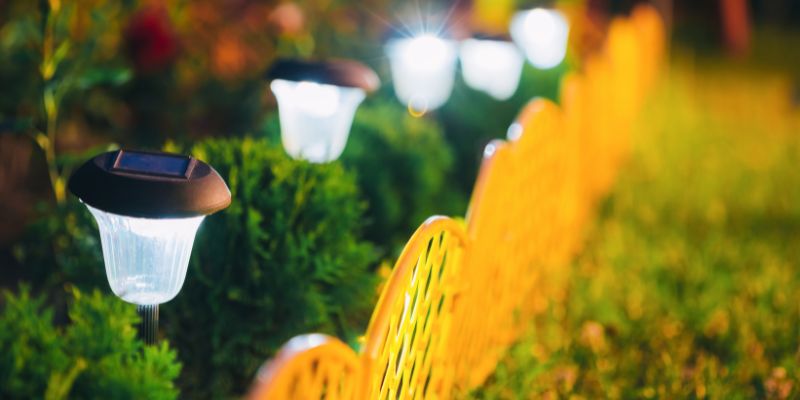
Choosing the Right Solar Lights for Longevity
When I first started buying solar lights, I went for the cheapest ones I could find. Big mistake. They barely lasted a season. Now, I’m pickier, and I’ve learned what to look for to ensure longevity.
Go for reputable brands. Companies like Philips, Ring, or Litom tend to use better materials. I’ve had great luck with Litom’s motion-sensor lights for my driveway—they’re still going strong after 3 years.
Check the battery type. Lithium-ion batteries last longer than NiMH, but they’re pricier. If you’re on a budget, NiMH is fine, but make sure they’re replaceable. I always check the product description to confirm this.
Look at the IP rating. For outdoor use, especially in wet or dusty areas, an IP65 rating or higher is ideal. My carport lights are IP67, and they’ve survived heavy rain and snow without a hitch.
Consider the warranty. A 1- or 2-year warranty is a good sign of quality. My best-performing lights came with a 2-year warranty, and the manufacturer even sent me free replacement batteries when one failed.
Common Issues and How to Fix Them
Even the best solar lights can run into problems. Here’s what I’ve dealt with and how I fixed them.
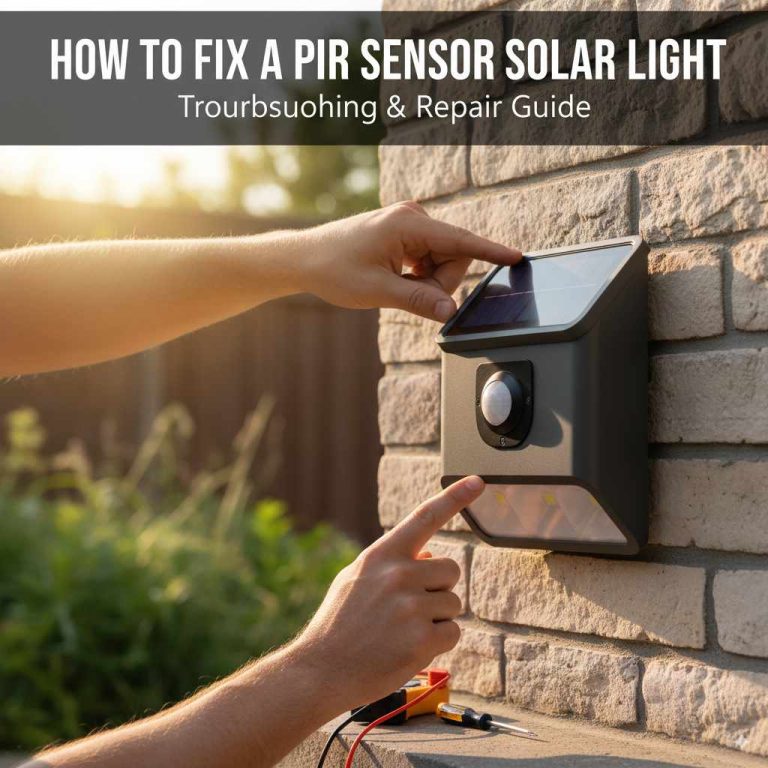
If your light isn’t turning on, check the battery. I’ve had lights go dark because the battery was dead. Pop in a new one, and you’re usually good to go. Also, make sure the solar panel is clean and getting enough sunlight.
If the light is dim, it might be a weak battery or a dirty panel. I had a light that was barely glowing, and a quick cleaning fixed it. If that doesn’t work, the LED might be nearing the end of its life, but that’s rare.
Sometimes, water gets inside the light, especially with cheaper models. If this happens, dry it out completely and seal any cracks with waterproof silicone. I saved a couple of lights this way, but it’s better to buy weatherproof models from the start.
Why Solar Lights Are Great for Automotive Spaces
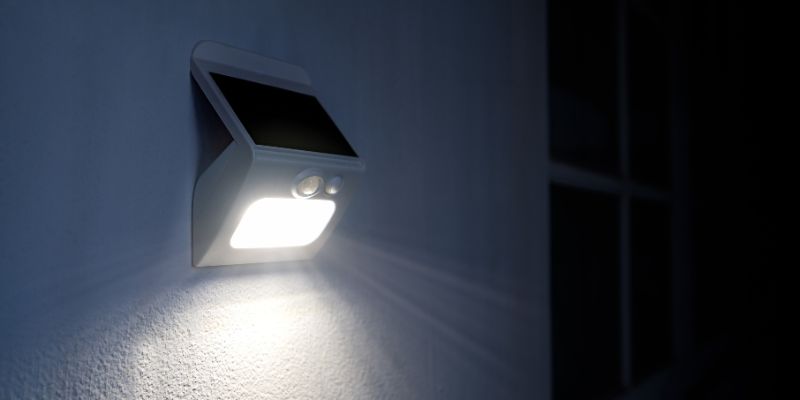
As a car enthusiast, I love using solar lights around my garage and driveway. They’re perfect for lighting up your workspace without running wires or adding to your electric bill. I’ve got motion-sensor solar lights that turn on when I pull into the driveway, making it easier to park at night. Plus, they add a layer of security—burglars hate well-lit areas.
Solar lights are also low-maintenance, which is great when you’re busy tinkering with your car. Once they’re set up, they pretty much take care of themselves. And since they’re eco-friendly, I feel good about reducing my carbon footprint while keeping my automotive space looking sharp.
My Experience with Solar Lights Over the Years
I’ve been using solar lights for about 7 years now, and I’ve learned a lot through trial and error. My first set was a cheap pack from a big-box store. They looked great for a month, then started flickering and died by winter. Lesson learned: You get what you pay for.
Now, I stick to mid-range or high-end lights with good reviews. My favorite setup is a mix of pathway lights along my driveway and motion-sensor lights above my garage. They’ve been reliable for years, and I only need to replace batteries every so often. Cleaning the panels and checking for weather damage has become part of my routine, like checking my car’s tire pressure.
Conclusion
After years of using solar lights, I can tell you they’re a game-changer for any outdoor space, especially for car enthusiasts like us who want a well-lit driveway or garage. How long do solar lights last? With the right choice and a bit of care, they can brighten your nights for 2 to 5 years—or even longer if you invest in quality and maintain them well.
From choosing durable materials to keeping those panels clean, a little effort goes a long way. So, next time you’re shopping for solar lights, think about the long game. Pick ones with good batteries, solid construction, and a decent warranty. Your wallet, your planet, and your carport will thank you. Here’s to bright nights and eco-friendly vibes!
FAQs
How long do solar light batteries last?
Most solar light batteries, like NiMH or lithium-ion, last 1 to 3 years. You can extend their life by ensuring they get enough sunlight and turning them off when not in use. I replace mine every couple of years to keep things running smoothly.
Can I replace the battery in my solar light?
Yes, most solar lights have replaceable batteries. Check the manual or product description to confirm. I’ve swapped out batteries in my lights, and it’s usually a quick fix with a screwdriver.
Do solar lights work in winter?
They can, but cold weather and shorter days can reduce their performance. I make sure my lights are weatherproof (IP65 or higher) and clean off any snow to keep them charging properly.
Why is my solar light dim?
A dim light usually means a weak battery or a dirty solar panel. Try cleaning the panel with a damp cloth or replacing the battery. I fixed a dim light this way, and it was back to full brightness in no time.
Are expensive solar lights worth it?
In my experience, yes. Higher-quality lights with better materials last longer and perform better. I’ve had cheap lights fail in months, but my pricier ones are still going strong after years.
How much sunlight do solar l ights need?
They need about 6 to 8 hours of direct sunlight daily to charge fully. I moved some of my lights to sunnier spots, and they started lasting longer and shining brighter.