How Long Does It Take A Dogwood Tree To Grow? Full Timeline
Dogwood trees typically take 5 to 10 years to start producing noticeable flowers and reach a moderate size. Full maturity, where they are well-established and display their full beauty, can take 20 years or more. Growth speed depends heavily on the specific dogwood variety, sunlight, soil, water, and care.
Understanding Dogwood Tree Growth Stages
Growing a dogwood tree is a journey. It’s not just about planting a seed and watching it shoot up. There are distinct phases your tree will go through.
Each stage has its own needs and its own pace. Understanding these stages helps you appreciate the process and know what to look for.
Think of it like raising a child. There’s the baby stage, the toddler years, adolescence, and then finally, adulthood. Each has its own charm and its own rate of development.
Dogwood trees are much the same. They start small and grow stronger and more impressive over time.
The Seedling Stage: A Fragile Beginning
When you first plant a dogwood, especially if it’s from seed, it’s in its most vulnerable state. This seedling stage is all about establishing a strong root system. Above ground, it might look like just a few tiny leaves.
But underground, a lot of hard work is happening.
This early growth is often very slow. It’s not unusual for a seedling to grow only a few inches in its first year. The energy of the young plant is focused on survival and building the foundation it will need for decades to come.
Patience is key here. It’s easy to get discouraged by the lack of rapid visible change.
The Juvenile Stage: Gaining Momentum
Once the dogwood tree has its roots well-established, usually after a year or two, it enters what we can call the juvenile stage. This is when you’ll start to see more noticeable growth. The trunk will begin to thicken, and the branches will start to spread outwards.
During this time, the tree is still growing rapidly, but it’s not yet producing flowers or fruit. It’s putting all its energy into getting bigger and stronger. This is the period where proper care, like watering and feeding, can really make a difference in its future health and size.
The Young Adult Stage: Showing Off Blooms
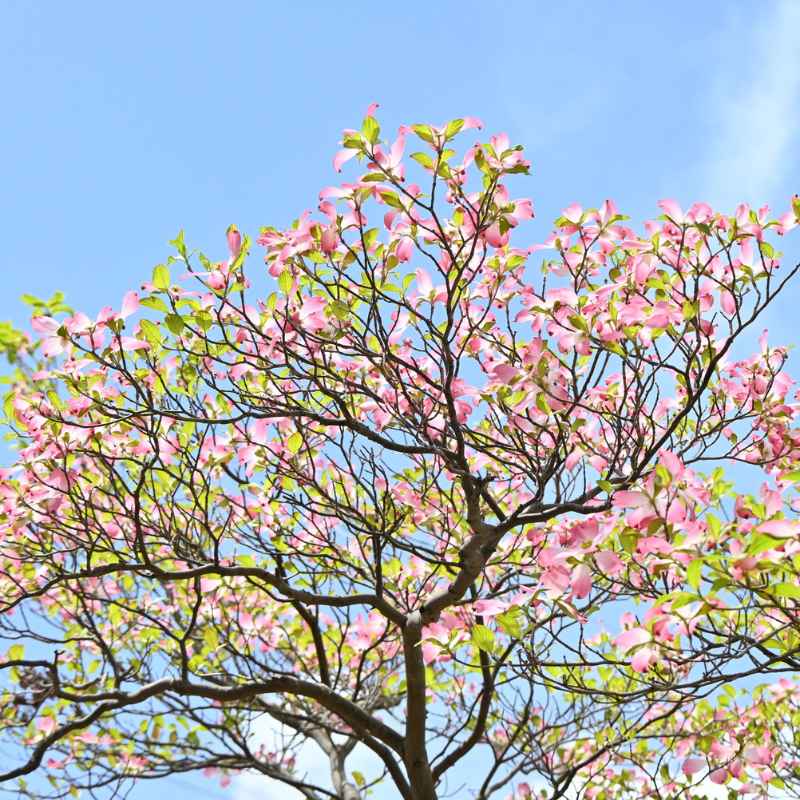
This is the stage many people eagerly await. After about 5 to 10 years, depending on the variety and growing conditions, your dogwood tree will start to produce flowers. These are the first real signs that your tree is maturing and reaching its reproductive phase.
The flowers might not be as abundant or as large as they will be on a fully mature tree. But seeing those first dogwood blossoms is a significant milestone. It shows that the tree is healthy and well-established enough to invest energy into flowering.
This stage marks a transition from purely vegetative growth to reproductive growth.
The Mature Stage: Full Splendor
A dogwood tree reaches full maturity over a much longer period. This can take 20 years or even more. At this point, the tree has reached its typical mature size for its species.
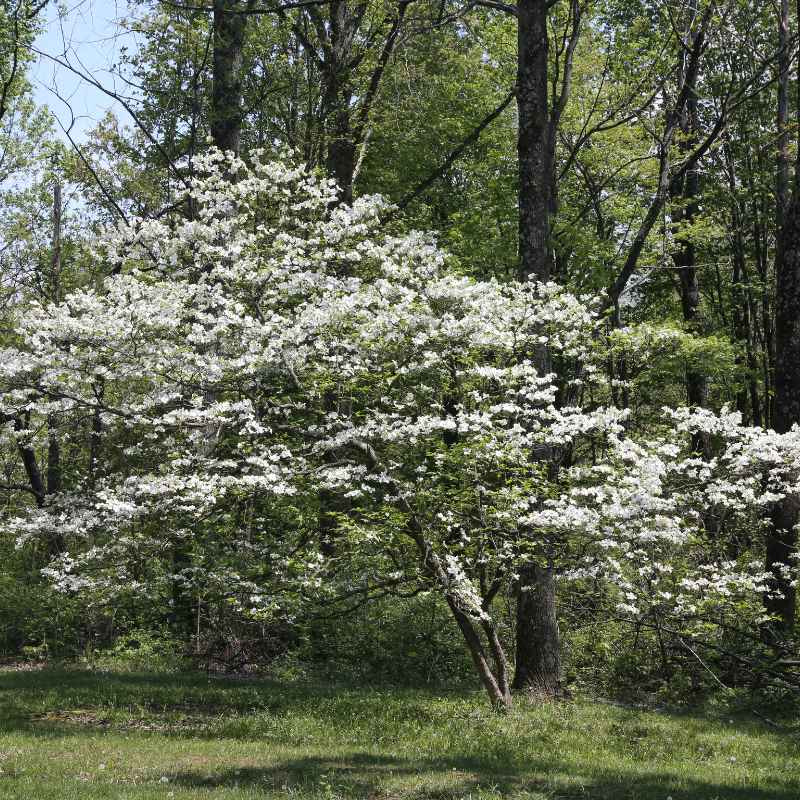
Its branches are well-formed, its canopy is full, and its flowers are spectacular, appearing reliably each spring.
A mature dogwood is a true garden focal point. It provides shade, beauty, and attracts wildlife. Its root system is extensive, and it’s generally very resilient.
This is the tree you envisioned when you first planted it. It has taken time, but the reward is immense.
Factors Affecting Dogwood Growth Speed
It’s not just about the years passing. Many things influence how fast your dogwood grows. Some of these you can control, and others are just part of where you live.
Understanding these factors helps you give your tree the best chance to thrive.
Think about it this way: a plant is like a person. Some people grow faster than others. And the environment they grow up in plays a huge role.
The same is true for trees. What works for a dogwood in one yard might be different for one in another.
Dogwood Variety Matters
This is a big one. There isn’t just one kind of dogwood tree. There are many species and cultivars, and they all grow at different rates.
Some are naturally slower growers, while others are quite vigorous.
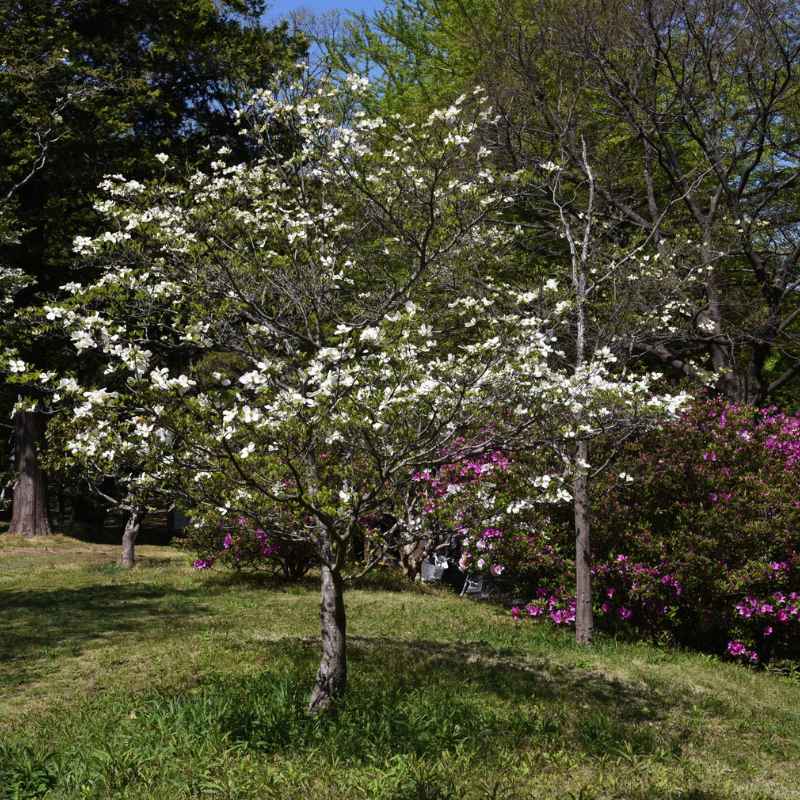
For instance, the Flowering Dogwood (Cornus florida) is a classic choice, often a moderate grower. The Kousa Dogwood (Cornus kousa), native to Asia, can sometimes grow a bit faster and is known for its disease resistance. Even within a species, different cultivars can have slightly different growth habits.
Always check the specific variety you are planting. The nursery or seed packet will usually give you an idea of its mature size and growth rate. Some dwarf varieties will naturally grow much slower and stay smaller, which is what you want if space is limited.
Common Dogwood Varieties and Their Growth
Let’s look at a few examples. The Flowering Dogwood (Cornus florida) is known for its beautiful spring bracts and red fall fruit. It’s a native tree that typically grows about 1-2 feet per year once established.
This means it will take around 5-7 years to reach 10-15 feet tall.
The Kousa Dogwood (Cornus kousa), also called the Japanese or Chinese Dogwood, has a different bloom time (late spring/early summer) and a more upright, often multi-stemmed habit. It can also grow at a similar pace, around 1-2 feet per year, but can sometimes be a bit faster in ideal conditions. It often matures to a similar height as Cornus florida.
There are also shrubs like the Red Twig Dogwood (Cornus sericea or Cornus stolonifera). These grow quite fast, often reaching their mature size of 6-8 feet tall and wide in just 3-5 years. However, they are grown more for their colorful stems in winter and less for flowers or form like the tree types.
This shows how “dogwood” can mean different things!
Sunlight: The Tree’s Energy Source
Sunlight is food for trees. Dogwoods generally prefer partial shade. Too much harsh, direct sun, especially in hot climates, can scorch their leaves and stress the tree.
This stress slows down growth.
On the flip side, too much shade means less energy for photosynthesis. While dogwoods can tolerate shade, very deep shade will also lead to slower growth and less vigorous flowering. Finding that sweet spot of dappled light or morning sun and afternoon shade is ideal for most dogwoods.
In my own garden, I learned this the hard way. I planted a young Flowering Dogwood in a spot that got full, scorching afternoon sun. It struggled for the first few years, looking perpetually wilted even when watered.
Once I moved it to a spot with more afternoon shade, it perked up considerably and started growing much better. That lesson really stuck with me: location is everything for a dogwood.
Soil Quality and Drainage
The soil is the foundation for your tree’s health. Dogwoods love rich, loamy soil that drains well. If the soil is too sandy, it won’t hold enough moisture or nutrients.
If it’s too heavy and clay-like, water can sit around the roots, leading to root rot.
Good drainage is critical. Waterlogged soil suffocates the roots. They need oxygen to survive and function.
When roots can’t breathe, the entire tree suffers, and growth slows dramatically. Adding compost or other organic matter to the soil before planting can significantly improve its structure and fertility.
When I bought my first house, the soil in the backyard was mostly heavy clay. I was excited to plant a dogwood, but it took a lot of work to amend the soil. I dug wide, deep holes and mixed in lots of compost and aged manure.
This preparation was key to helping that dogwood get established without its roots sitting in water. It made a world of difference.
Watering Habits
Consistent moisture is vital, especially for young trees. During their first few years, dogwoods need regular watering. They shouldn’t dry out completely, nor should they be constantly waterlogged.
Once established, they are more drought-tolerant. However, during prolonged dry spells, even mature trees can benefit from a good watering. Improper watering – too much or too little – is a common cause of slow growth and stress in dogwood trees.
One common mistake people make is overwatering. They might think more water means faster growth. But for dogwoods, that can be deadly.
It’s about finding that balance. Checking the soil moisture a few inches down is the best way to know if it’s time to water.
Climate and Location
Dogwood trees have preferred climate zones. Most native dogwoods thrive in temperate climates with distinct seasons. They need a period of winter chill to help them set buds for spring flowering.
Extremes in temperature, whether too hot or too cold, can affect their growth. Planting a dogwood outside its ideal hardiness zone will likely result in a much slower-growing, stressed tree, if it survives at all. For example, trying to grow a Flowering Dogwood in the extreme heat of Arizona might prove very difficult.
Pest and Disease Issues
Unfortunately, dogwood trees can be susceptible to certain pests and diseases. Powdery mildew, anthracnose, and borers can all weaken a tree. A tree that is constantly battling an infestation or infection will divert energy away from growth.
Regular inspection of your tree is important. Catching problems early allows for treatment before they cause significant damage. Healthy trees are better able to resist pests and diseases.
Good care practices help build that resilience.
I remember a neighbor’s dogwood that was hit hard by anthracnose. The leaves would get spots and fall off early. The tree looked terrible and barely grew for two years.
It took a lot of pruning and some treatments, but eventually, it recovered. It was a stark reminder that these trees aren’t invincible and need our help sometimes.
The Dogwood Growth Timeline: Year by Year
Let’s break down what you might expect in the first decade. This is a general guide, as every tree is different. Think of it as a roadmap, not a rigid schedule.
Year 1: The Establishment Phase
Your dogwood is putting down roots. Above ground, you might see very little growth, perhaps just a few inches. The main goal is root development.
Water is crucial. Protect it from harsh conditions.
Years 2-3: First Signs of Branching
You’ll start to see more distinct branching patterns. The trunk will be noticeably thicker than in year one. The tree might add 6-12 inches in height this year.
It’s still focused on building a strong structure.
Years 4-5: Increasing Vigour
Growth rate picks up. You might see 1-2 feet of new growth annually. The tree is becoming more robust.
Some faster-maturing varieties might even show a few tentative flowers towards the end of this period.
Years 6-7: Entering Flowering Age
This is typically when you’ll start to see a good number of flowers. The tree is establishing its rhythm. The canopy is filling out.
Growth might still be 1-2 feet per year, but the tree is starting to look more like a mature specimen.
Years 8-10: A Young, Blooming Tree
Your dogwood is now a young adult. It blooms reliably and has a pleasing shape. The growth rate might start to slow down a bit, perhaps to around 1 foot per year, as more energy goes into maintaining its structure and producing flowers and seeds.
What This Means for Your Garden Design
Knowing the timeline helps you plan. You don’t want to plant a fast-growing shrub in front of a slow-growing tree you expect to become large. Or place a delicate seedling where it will be overwhelmed by larger, established plants too soon.
Think about the mature size of the dogwood. Where will it look best in 10, 15, or 20 years? Will it cast too much shade on a sunny perennial border?
Will it be visible from your favorite window? Planning ahead prevents future headaches.
For instance, if you want a dogwood to provide shade over a patio, you’ll need to be patient. It will take many years for that canopy to spread wide enough. In the meantime, you might need other, smaller shade providers.
Designing with Patience
Dogwoods are often used as specimen trees. This means they are planted where they can be admired from all sides. Their shape and flowers make them ideal for this.
You don’t want to hide them behind something else.
Consider the underplanting. What plants will look good beneath a young dogwood that will eventually grow large? Shade-loving plants are often a good choice, as dogwoods provide dappled shade.
Hostas, ferns, and astilbes are great companions.
If you’re planting a dogwood as part of a larger landscape project, think about its eventual height and spread. It’s wise to plant it further back from walkways or seating areas than you might think necessary in the early years. This gives it room to grow into its full glory without crowding.
When is a Dogwood “Established”?
An established dogwood tree is one that has successfully integrated into its environment. Its root system is well-developed and can support the tree’s needs, even during dry periods. This usually happens around 3-5 years after planting.
An established tree will show consistent annual growth. It will bloom well (if it’s a flowering variety) and its leaves will look healthy. It’s no longer as dependent on supplemental watering or protection as it was when it was young.
I know a dogwood in my neighborhood that was planted by the previous owners. For the first few years, it seemed to just sit there. Then, suddenly, it started putting on real growth.
It looked like it had just woken up and decided to get serious about growing. That was when I knew it was truly established and settled in.
Common Misconceptions About Dogwood Growth
People often have ideas about how trees should grow that aren’t always accurate. This can lead to disappointment or incorrect care.
Myth vs. Reality: Dogwood Growth
Myth:
All dogwoods grow fast.
Reality:
Growth rates vary hugely by species, variety, and conditions. Some are slow, some moderate.
Myth:
More fertilizer means faster growth.
Reality:
Over-fertilizing can harm dogwoods. They prefer rich, well-drained soil with organic matter, not excessive chemical feeds.
Myth:
If it’s not growing, it’s dying.
Reality:
Young trees spend years developing roots before showing significant top growth. Slow growth in the first 1-3 years is often normal.
One common misconception is that you can speed up growth significantly with fertilizer alone. While good soil nutrition is important, it’s not a magic bullet. Dogwoods are not heavy feeders.
Too much fertilizer can actually burn their roots and cause more harm than good. They thrive on good soil structure and consistent moisture more than frequent feeding.
Another thought people have is that if a tree isn’t growing much in the first year or two, it’s a lost cause. This is rarely true for dogwoods. The first year is all about establishing those crucial roots.
If the leaves look healthy and the trunk isn’t showing signs of distress, it’s likely just working hard underground.
Tips for Encouraging Healthy Dogwood Growth
While you can’t force a dogwood to grow at an unnatural pace, you can certainly create the best environment for it to reach its potential. Good care practices are the key to a healthy, beautiful tree.
Quick Care Guide for Faster Growth
- Plant in the Right Spot: Dappled shade or morning sun is ideal. Avoid harsh, all-day sun or deep shade.
- Prepare the Soil: Use rich, loamy soil with excellent drainage. Amend with compost before planting.
- Water Wisely: Keep soil consistently moist for the first 3-5 years. Avoid waterlogging. Mature trees need less water but benefit during droughts.
- Mulch Annually: A 2-3 inch layer of organic mulch (wood chips, shredded bark) helps retain moisture, suppress weeds, and regulate soil temperature. Keep mulch a few inches away from the trunk.
- Avoid Over-Fertilizing: Dogwoods generally don’t need much extra food. If soil is poor, a light feeding in spring with a balanced, slow-release fertilizer might help, but it’s often not necessary.
- Prune Thoughtfully: Remove dead, damaged, or crossing branches. Prune to shape when the tree is young. Avoid heavy pruning, especially during flowering season.
- Monitor for Pests/Diseases: Address issues like powdery mildew or insect infestations early. Healthy trees are more resistant.
One of the simplest yet most effective things you can do is add a layer of organic mulch around the base of your tree. I always recommend a 2-3 inch layer, extending out to the drip line. This mulch acts like a blanket for the soil.
It keeps moisture in, which is vital, especially during dry spells. It also helps keep the soil temperature more stable, protecting the roots from extreme heat and cold.
When mulching, remember to keep the mulch pulled back a few inches from the trunk of the tree. Piling mulch right against the trunk can trap moisture and create a haven for pests and diseases, leading to trunk rot. This is a small detail that makes a big difference.
When to Expect Blooms
The question of “how long until my dogwood blooms?” is often tied to the growth timeline. As mentioned, you can expect the first significant blooms around 5 to 10 years after planting. This is for tree-form dogwoods like Cornus florida and Cornus kousa.
The first few years, you might see only a few small flowers. Don’t be disheartened by this! It’s a sign of a healthy young tree.
As the tree matures and its structure strengthens, the bloom display will become more abundant and spectacular. The true show begins when the tree is fully established and comfortable in its environment.
Some cultivars are bred for earlier or more prolific flowering. Always check the tag or description for your specific dogwood variety. Also, remember that bloom time can vary year to year based on weather patterns.
A late frost can sometimes damage the flower buds, leading to fewer blooms that particular spring.
Dogwood Tree Height and Spread Over Time
Understanding the dimensions of your dogwood helps with placement and anticipation.
Dogwood Growth Estimates (Cornus florida example)
| Years After Planting | Estimated Height | Estimated Spread |
|---|---|---|
| 1-2 | 3-5 feet | 2-4 feet |
| 3-5 | 6-10 feet | 5-8 feet |
| 6-10 | 10-20 feet | 8-15 feet |
| 15-20+ | 20-30 feet (Mature Height) | 20-30 feet (Mature Spread) |
Note: These are general estimates for Cornus florida. Growth rates can vary significantly based on variety and growing conditions.
As you can see from the table, the first few years are about gaining height. The spread comes a bit later, as the branches extend outwards. By the time the tree reaches its late teens or twenties, it’s usually achieved its characteristic broad, spreading habit.
When I planted a dogwood in my backyard, I was surprised by how slowly it seemed to grow in width. It went up steadily, but the branches took their time extending outwards. It was only after about 8 or 10 years that it really started to fill out and create that lovely, wide canopy that provides shade.
When to Seek Expert Advice
Most of the time, a dogwood tree’s growth is a natural process. However, there are times when you might need to consult a professional. If your tree is showing signs of serious decline despite your best efforts, it’s time to get expert help.
Look for consistent wilting that doesn’t improve with watering, excessive leaf drop outside of fall, unusual bark peeling, or visible signs of severe insect infestation. These could be indicators of a problem that a certified arborist can diagnose and treat.
Don’t hesitate to call in a professional if you’re concerned. They have the knowledge and experience to identify issues you might miss and can offer tailored solutions. It’s better to get expert advice early than to wait until the problem is too severe to fix.
Conclusion: The Beauty of Patience
The answer to “how long does it take a dogwood tree to grow?” isn’t a single number. It’s a range, influenced by many factors. But what’s clear is that dogwood trees reward patience.
They start small, grow steadily, and eventually offer spectacular beauty.
From their delicate seedling stage to their full, blooming maturity, each phase has its own charm. By understanding the growth timeline and providing the right care, you can enjoy your dogwood tree for many years to come. It’s a living investment in your landscape, and the wait is truly worth it.
Sponsored / affiliate links. As an Amazon Associate I earn from qualifying purchases. I may earn additional commission from eligible campaigns.