How To Identify Chicken Of The Woods Mushroom With Confidence
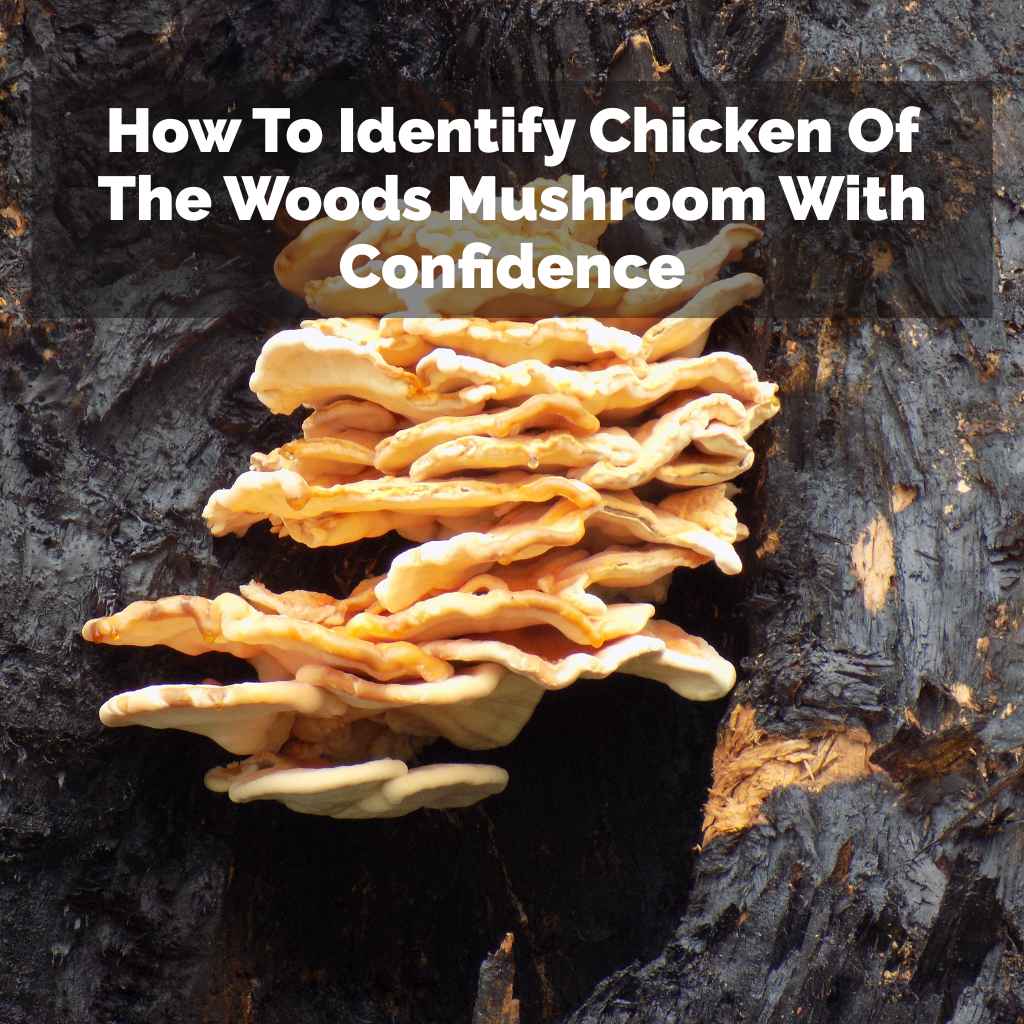
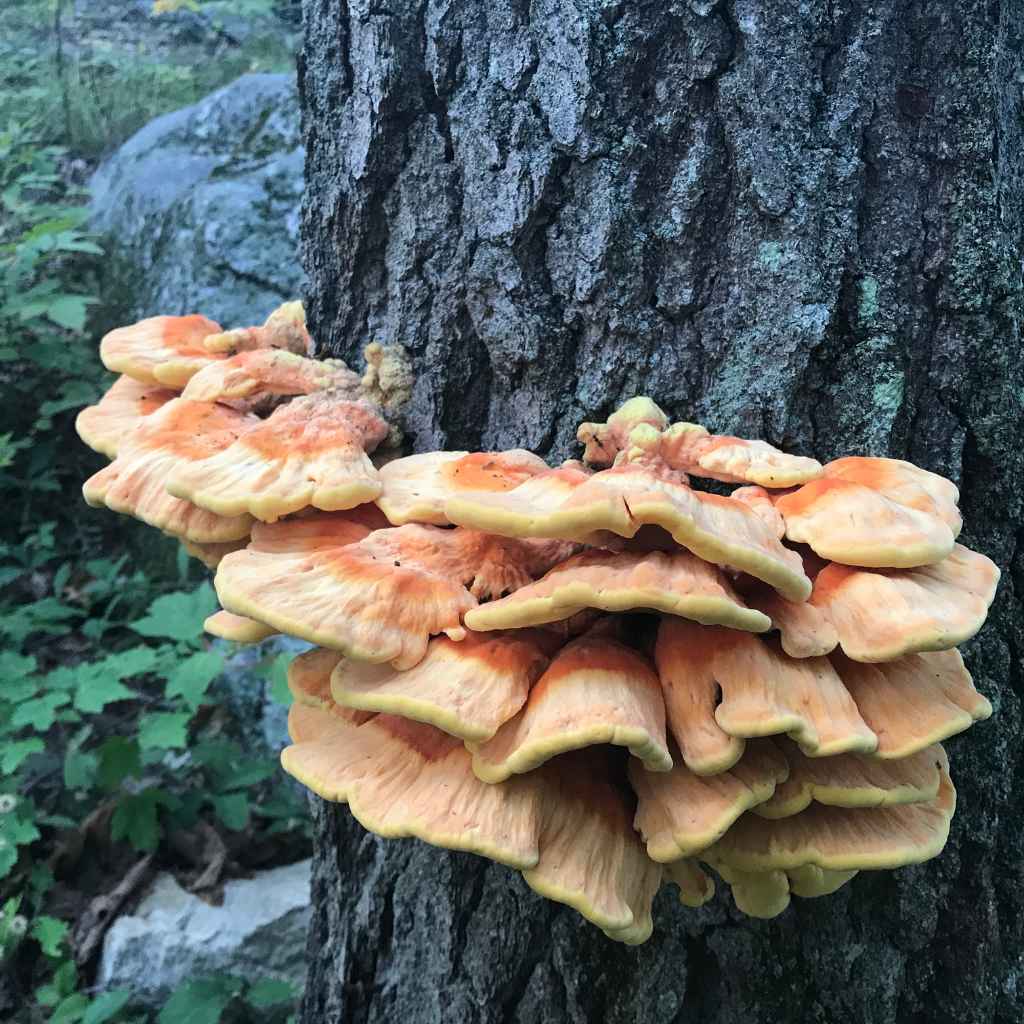
Chicken of the Woods mushroom (Laetiporus sulphureus) is a bright, shelf-like fungus. It grows on dead or dying hardwood trees. It has a distinct bright orange or yellow color.
It is prized for its savory, chicken-like flavor and texture when cooked.
Understanding Chicken of the Woods
Chicken of the Woods is a type of polypore mushroom. This means it grows pores on its underside. It doesn’t have gills like many other mushrooms.
These pores release the mushroom’s spores. The mushroom itself grows in large, fan-shaped shelves. These shelves often stack on top of each other.
They look like steps or rosettes on the tree.
The color is one of its most striking features. Young mushrooms are often a vibrant, sulfur-yellow. As they mature, the edges can turn a bright orange.
The underside, where the pores are, stays yellow or white. The texture is soft and fleshy when young. It becomes more tough and woody as it ages.
This toughness is why it’s best to harvest young specimens.
This mushroom is a parasite and a decomposer. It often attacks oak, beech, and other hardwood trees. It can weaken a tree over time.
You will usually find it in spring and fall. But in warmer climates, it can appear year-round. It grows on dead stumps or living trees.
Always check if the tree is alive before harvesting. Damaged or dying trees are common places to find it.
The scientific name is Laetiporus. This comes from Latin words. ‘Laetus’ means ‘joyful’ or ‘bright’.
‘Porus’ means ‘pore’. This really fits its bright, cheerful look. The most common species in North America is Laetiporus sulphureus.
Another is Laetiporus cincinnatus. They look very similar. They are both edible.
One of the best parts of finding Chicken of the Woods is its taste. Many people describe it as tasting like chicken. It has a mild, slightly tangy flavor.
Its texture is firm and meaty. This makes it a great meat substitute for vegetarians and vegans. You can grill it, fry it, or bake it.
It soaks up flavors well. This makes it very versatile in cooking.
However, finding it can be a bit of a treasure hunt. It doesn’t grow everywhere. You need to know where to look.
And you must be very sure of your identification. This is the most important step for any wild mushroom hunter. Safety always comes first.
There are other shelf fungi that look similar. Some are not safe to eat.
The Thrill of the Hunt: My Own Chicken of the Woods Story
I remember my first real mushroom hunting trip. It was a crisp autumn day in upstate New York. The leaves were turning brilliant shades of red and gold.
I had been reading about edible wild mushrooms for months. I felt a mix of excitement and nervousness. My friend, Mark, who was more experienced, led the way.
We were walking through a dense forest. The air smelled earthy and damp.
Mark suddenly stopped. He pointed to a large, old oak tree. On its side, about ten feet up, was a bright splash of orange.
It looked like a shelf, or a cluster of shelves, growing right out of the bark. My heart leaped. “Is that…?” I barely whispered.
Mark smiled. “Yep. Looks like it.
That’s Chicken of the Woods.”
We carefully approached the tree. The mushroom was a vibrant, almost glowing orange. It was stunning against the brown bark.
It had that unmistakable shelf-like growth. The edges were a deep orange. The underside was a lighter yellow.
It looked so inviting. I felt a surge of pure joy. I had found one!
But then a tiny bit of doubt crept in.
“Are you absolutely sure?” I asked. “There aren’t any dangerous ones that look just like this?” Mark explained the key features. He showed me the pores.
He pointed out the lack of gills. He mentioned the preferred tree types. He also noted that this particular species usually grows on hardwoods, not conifers.
He said that true Chicken of the Woods has a very distinctive look. Most other similar-looking shelf fungi are tough and woody even when young. They are usually not considered edible.
He also stressed the importance of knowing where it’s growing from. This one was clearly on a decaying hardwood.
We carefully harvested a good portion of the younger, brighter parts. The older parts were too tough. It felt like a small victory.
That night, we cooked it up. It was amazing. It really did taste like chicken.
It was a perfect introduction to the world of foraging. That experience taught me the importance of careful identification. It also showed me the incredible rewards of learning about nature.
Key Features to Look For
When you are trying to identify Chicken of the Woods, several key features will help you. These are the things you should focus on. They will help you tell it apart from other fungi.
It’s like a checklist for your mushroom hunt.
Color is a Big Clue
Chicken of the Woods is known for its bright colors. Young specimens are typically a bright, sulfur-yellow or creamy white. As they mature, the edges and tops of the shelves often turn a vibrant orange.
Some species can even have red or pinkish hues. The underside, where the pores are, is usually yellow. It can sometimes be white.
The colors are usually very vivid and eye-catching. Muted or brownish colors can be a sign of an older mushroom or a different species. Some edible species can be orange and yellow.
But if it looks dull or brown, be very cautious.
Growth Pattern and Shape
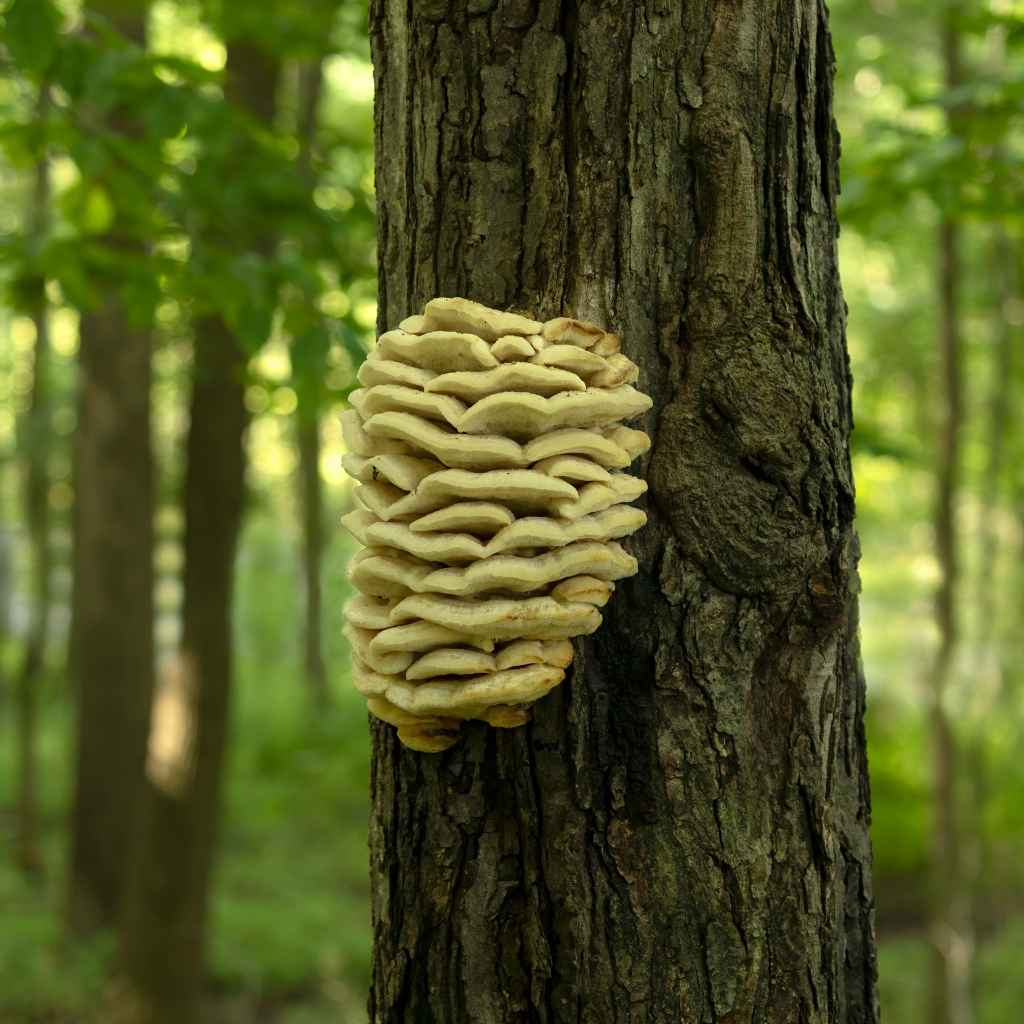
This mushroom grows in a distinctive way. It forms large, fan-shaped or kidney-shaped shelves. These shelves often grow in overlapping clusters.
They can look like a stack of pancakes or rosettes. They grow directly from the wood of trees. They do not grow from the ground like many other mushrooms.
They can grow quite large. A single mushroom can spread over several feet. The shelves are usually thick and fleshy when young.
They become harder and more brittle as they age.
Underside: Pores, Not Gills
This is a very important identification point. Chicken of the Woods is a polypore. This means it has pores on its underside.
These pores are tiny holes. They are not thin, blade-like structures like gills. The pores are usually small and round.
They are typically the same color as the underside. This is usually yellow or white. If you see a shelf mushroom with clear gills, it is NOT Chicken of the Woods.
This is a major difference. Always check the underside carefully.
Where It Grows: The Host Tree
Chicken of the Woods almost always grows on trees. It prefers dead or dying hardwood trees. Common hosts include oak, beech, maple, and cherry.
It can also grow on conifers sometimes. But it is more common on hardwoods. It can grow from the base of a tree.
It can also grow higher up on the trunk or branches. If you find a bright orange or yellow shelf fungus growing from the ground, it is likely not Chicken of the Woods. It might be something else entirely.
Knowing the host tree is a crucial part of identification.
Texture and Edibility
The texture changes as the mushroom ages. Young Chicken of the Woods is soft, moist, and fleshy. It’s tender and has a texture similar to cooked chicken.
As it gets older, it becomes tougher, more woody, and brittle. Older specimens are not pleasant to eat. They can also be harder to digest.
For the best eating experience, harvest only the young, tender parts. These are usually the outer edges. You can test the tenderness by breaking a piece.
If it snaps easily and is moist, it’s likely good. If it’s dry and hard, leave it behind.
Quick Identification Checklist
- Color: Bright yellow to orange/red. Underside is yellow or white.
- Shape: Large, fan-shaped shelves. Often in overlapping clusters.
- Underside: Has pores, not gills.
- Location: Grows on dead or dying hardwood trees.
- Texture: Fleshy and tender when young.
It’s also important to consider the location where the mushroom is growing. Is it in a clean area? Mushrooms can absorb toxins from their environment.
Look for mushrooms away from roadsides or industrial areas. This is good practice for all wild foraging.
Common Look-Alikes and How to Tell Them Apart
While Chicken of the Woods is quite distinctive, there are a few other shelf fungi. Some can cause confusion. It’s vital to know how to differentiate them.
This is where the real safety comes in. Mistaking one for another can have serious consequences.
False Tinder Conks (Ganoderma spp.)
Some species of Ganoderma, often called Reishi or Artist’s Conk, are shelf fungi. They also grow on trees. They can be brown or reddish-brown.
They often have a hard, woody texture. They also have pores on their underside. However, their color is usually much duller than Chicken of the Woods.
They don’t have the vibrant orange and yellow hues. Also, their texture is much harder, almost like wood, even when young. They are usually not considered edible due to their toughness.
You won’t confuse the bright color of true Chicken of the Woods with these.
Other Yellow or Orange Polypores
There are other polypores that can be yellow or orange. One example is the Giant Polypore (Bondarzewia berkeleyi). This one grows on the ground at the base of trees.
It is a large, leathery shelf fungus. It’s usually off-white to pale yellow. It is generally considered edible when young.
However, it is not as brightly colored as Chicken of the Woods. Its texture can also be quite tough. It’s also important to note that it grows from the ground, not directly out of the wood.
This is a key difference.
Another possibility is some species of Bondarzewia or related genera. These can have yellowish or orangish tinges. But they typically lack the intense, uniform coloration of Chicken of the Woods.
They might also have different pore structures or textures. The classic, bright orange-to-yellow progression is usually absent. Always double-check the color and the growth habit.
Myth vs. Reality: Common Misconceptions
- Myth: Any orange shelf mushroom is Chicken of the Woods. Reality: Color can vary, and other orange fungi exist. Always check for pores, lack of gills, and growth habit.
- Myth: If it tastes good raw, it’s edible. Reality: NEVER eat a wild mushroom raw. Some edible mushrooms are toxic raw. Some poisonous mushrooms taste fine. Always cook thoroughly.
- Myth: All mushrooms growing on trees are safe. Reality: Many shelf fungi grow on trees. Some are poisonous or inedible. Proper identification is crucial.
The main thing to remember is that true Chicken of the Woods has a unique combination of features. It’s the vivid color, the shelf-like growth on trees, and the pores on the underside. When in doubt, it’s always best to err on the side of caution.
If you cannot be 100% certain, do not eat it.
Real-World Context: Where and When to Find It
Understanding the environment where Chicken of the Woods thrives can greatly increase your chances of finding it. It’s not just about knowing what it looks like. It’s also about knowing where nature hides these treasures.
Forest Habitats
You’ll find Chicken of the Woods most often in wooded areas. This includes deciduous forests, mixed forests, and sometimes even parks with old trees. Hardwood forests are prime territory.
Look for areas with mature oak, maple, and beech trees. These are the preferred hosts. The mushroom needs dead or decaying wood to grow.
So, look for older trees that show signs of decay. This could be fallen logs, stumps, or living trees with damaged trunks or branches.
Seasonality Matters
While it can appear at different times depending on the region and weather, the most common seasons for Chicken of the Woods are spring and fall. In the spring, look for it after the spring rains. It often emerges in late spring.
The fall is another excellent time. You’ll see it from late summer through autumn. It prefers damp conditions after a period of rain.
If you live in a warmer climate, you might find it sporadically throughout the year. But these two seasons are your best bet.
The specific timing can depend on your local climate. For example, in the northern United States, spring sightings might be from May to June. Fall sightings could be from September to November.
In more southern states, the season might be longer. Always check local foraging guides or forums for specific timing in your area.
Signs of Healthy and Unhealthy Trees
Chicken of the Woods is a fungus that feeds on decaying wood. It helps break down dead trees. So, you’ll often find it on trees that are already in decline or have recently died.
Look for trees with:
- Visible rot or decay on the trunk.
- Dead branches or large areas of dead bark.
- Fungal growth on the roots or base.
- Large cracks or holes in the trunk.
While it can grow on living trees, it’s usually a sign that the tree is stressed or already infected. It’s best to focus on trees that are clearly past their prime. This ensures you are harvesting from a safe and plentiful source.
It also means you aren’t harming a healthy tree.
Finding Locations: A Quick Scan
- Type of Wood: Hardwood forests (oak, maple, beech).
- Tree Condition: Dead, dying, or decaying trees.
- Growth Spots: Tree trunks, large branches, stumps, fallen logs.
- Time of Year: Spring (late May-June) and Fall (Sept-Nov) are peak seasons.
- Conditions: After rain, in humid environments.
Many foragers also have their secret spots. They remember areas where they found it before. Often, Chicken of the Woods will return to the same trees or stumps year after year.
If you find a good patch, mark it on your map or in your mind. Visit it again in the right season.
What This Means For You: When It’s Normal and When to Worry
Finding a mushroom is exciting. But knowing when it’s a good find and when to be cautious is key. Chicken of the Woods is generally safe to eat when properly identified.
But there are a few things to keep in mind.
When Finding It Is Normal
Finding bright orange or yellow shelves growing in clusters on dead or dying hardwood trees during spring or fall is usually a good sign. This is the classic scenario for Chicken of the Woods. If the mushroom looks fleshy and tender, and the underside has pores (not gills), it is very likely the edible Laetiporus species.
It’s also normal for this mushroom to grow quite large. Don’t be alarmed if you see a huge cluster. Just focus on harvesting the younger, more tender parts.
It’s normal for it to have a slightly tangy or citrusy smell. This is not a sign of spoilage.
When to Be Concerned
There are a few red flags to watch out for:
- Growing from the ground: If the mushroom is growing directly from the soil, it is not Chicken of the Woods. It could be something else entirely.
- Gills on the underside: If you see distinct gills instead of pores, it is not Chicken of the Woods. This is a critical difference.
- Dull or off-colors: If the mushroom is mostly brown, grey, or has a very muted color, it might be too old or a different species.
- Woody or brittle texture: If the mushroom is hard and dry even when you break it, it’s too old to eat.
- Unusual smell: While a slight tang is normal, a strong, unpleasant, or chemical smell is a bad sign.
- Growing on conifers: While possible, it’s less common and some species are more likely to grow on conifers. If it’s a pine tree, be extra cautious.
- Location Issues: Mushrooms absorb whatever is in their environment. If it’s growing near a busy road, a factory, or a place that might have been sprayed with pesticides, it’s best to avoid it.
Also, some people have sensitivities to Chicken of the Woods. While rare, some individuals may experience digestive upset. This is sometimes linked to the mushroom growing on certain trees, like black locust.
If you are trying it for the first time, eat only a small amount. See how your body reacts before consuming a larger portion.
Simple Checks Before You Pick
- Check the tree: Is it a hardwood? Is it dead or dying?
- Check the base: Is it growing from the ground or the wood?
- Check the underside: Are there pores or gills?
- Check the color: Is it bright yellow/orange?
- Check the texture: Is it fleshy and tender?
If you have any doubts at all, do not harvest. It is always better to be safe than sorry when it comes to wild mushrooms. There are many great resources online and in books that can help you learn more.
Consider joining a local mycological society. They offer guided walks and expert advice.
Harvesting and Preparing Chicken of the Woods
If you’ve confidently identified Chicken of the Woods and it’s young and tender, you’re in for a treat! Harvesting and preparing it correctly ensures the best flavor and safety.
How to Harvest
When you find a good patch, use a sharp knife or a mushroom trowel to cut the mushroom from the tree. Try to cut it as close to the wood as possible. For younger, tender parts, focus on the outer edges.
You can often snap off the tender bits by hand. Avoid taking the whole mushroom, especially if parts of it are old and tough. Leave some behind for spore dispersal.
It’s a good idea to bring a basket or a paper bag for harvesting. Avoid plastic bags, as they can trap moisture and cause the mushrooms to spoil quickly. If you’re harvesting a large amount, you can also trim off any woody parts in the field.
Preparation Tips
Before cooking, always clean your mushrooms. Gently brush off any dirt or debris with a soft brush or a damp cloth. Avoid washing them under running water if possible, as they can absorb too much moisture.
If they are very dirty, a quick rinse and immediate pat dry is okay.
As mentioned, only use the tender parts. If you have both young and old sections, you can tell the difference by texture. The older, tougher parts will be woody and may require discarding.
You can often identify the tender edges by their bright color and flexibility. The central parts can be tougher, so cut them away if they feel woody.
Chicken of the Woods is not typically eaten raw. It’s best when cooked thoroughly. This helps break down any compounds that might cause digestive upset.
Cooking also brings out its savory flavor and meaty texture.
Popular cooking methods include:
- Sautéing: Cut into pieces and fry in a pan with butter or oil.
- Baking: Toss with oil, herbs, and spices and bake until tender.
- Grilling: Marinate pieces and grill them for a smoky flavor.
- Incorporating into dishes: It works well in pasta dishes, stir-fries, tacos, or as a meat substitute in many recipes.
Cooking Ideas
- Simple Sauté: Pan-fry with garlic, butter, and herbs.
- “Chicken” Salad: Boil or steam until tender, then shred and mix with mayo, celery, and seasonings.
- Tacos/Fajitas: Season and sauté with onions and peppers.
- Pizza Topping: Add to your favorite pizza before baking.
If you have more than you can eat fresh, Chicken of the Woods can be dried or frozen. Drying works well for older, tougher pieces. They can be rehydrated later for soups or stews.
Freezing is best for younger, tender mushrooms. Blanch them briefly before freezing to preserve texture and flavor.
Frequent Questions About Chicken of the Woods
Is Chicken of the Woods really edible?
Yes, Chicken of the Woods (Laetiporus species) is widely considered an edible mushroom. However, proper identification is crucial. Only consume young, tender specimens that have been thoroughly cooked.
Some people may experience digestive upset, so eat a small amount first to test your tolerance.
What does Chicken of the Woods taste like?
It has a mild, savory flavor that is often compared to chicken. It has a firm, meaty texture when cooked, making it a popular meat substitute for vegetarians and vegans.
Can I eat Chicken of the Woods raw?
No, it is not recommended to eat Chicken of the Woods raw. Like most wild mushrooms, it should be cooked thoroughly to improve digestibility and reduce the risk of any potential toxins or digestive issues.
What is the difference between Chicken of the Woods and Jack-o’-lantern mushrooms?
This is a very important distinction. Jack-o’-lantern mushrooms (Omphalotus illudens and Omphalotus olearius) are poisonous. They grow in clusters on wood or buried roots, but they have distinct gills on their underside and are typically a duller orange.
Chicken of the Woods has pores, not gills, and is usually brighter. Jack-o’-lantern mushrooms can cause severe gastrointestinal distress.
Can Chicken of the Woods grow on dead logs?
Yes, Chicken of the Woods commonly grows on dead logs, stumps, and the base of dead or dying hardwood trees. This is a prime location to find it.
How do I know if Chicken of the Woods is too old to eat?
If the mushroom is hard, dry, brittle, or has lost its bright yellow or orange color (turning brown or grey), it is likely too old to eat. Focus on the tender, fleshy edges that are easy to break.
Are there any poisonous look-alikes that grow on trees?
While true Chicken of the Woods with its bright colors, pores, and fleshy texture is quite distinct, it’s always important to be sure. Some older or less vibrantly colored polypores could be confused, but they are often woody and unpalatable. The most dangerous confusion would be with a ground-growing mushroom like the Jack-o’-lantern, which is poisonous.
Always confirm pores vs. gills and growth location.
Conclusion
Finding Chicken of the Woods is a rewarding experience for any forager. Its bright colors and delicious taste make it a sought-after edible mushroom. By understanding its key identification features—bright colors, shelf-like growth on hardwood trees, and pores on the underside—you can confidently spot this culinary delight.
Always remember to check for any signs of toxicity or age and never eat a mushroom unless you are 100% sure of its identity.
Sponsored / affiliate links. As an Amazon Associate I earn from qualifying purchases. I may earn additional commission from eligible campaigns.
 Mecurate Digital Pin Type Wood Moisture Meter with 3 Colored Indicators, Moisture Detector 2 Mode 8 Calibration Large Backlit for Wood, Wall, Firewall (Orange)
 Wood Glue, Strong Glue for Woodworking, Waterproof Clear Wood Glue for Furniture Heavy Duty, Interior & Exterior Furniture Glue for Crafts, Baseboard, Cabinets, Door (500g)