How Long Does Wood Decompose? Proven Facts
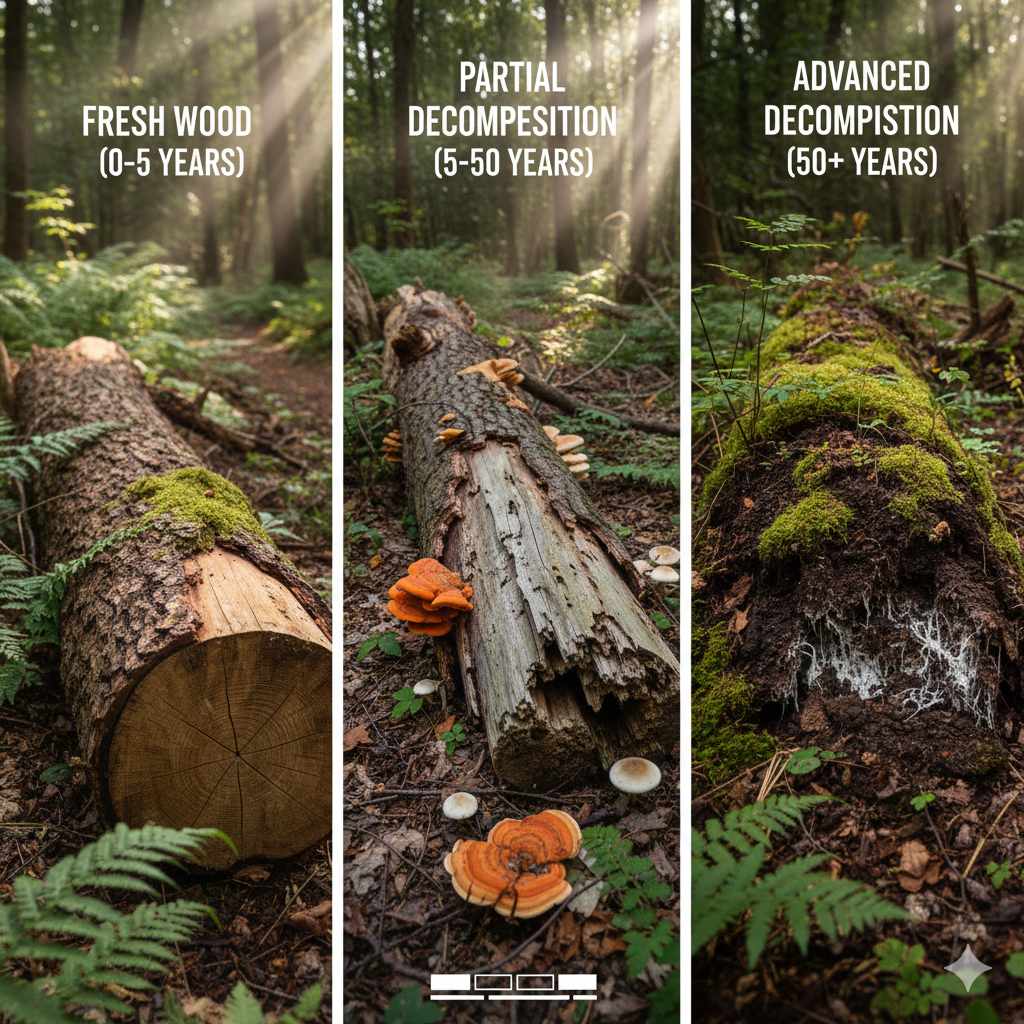
How long does wood decompose? It can take anywhere from 10 months to 100 years, depending on the type of wood, its environment, and how it’s treated. Factors like moisture, temperature, and the presence of fungi and insects play a huge role in speeding up or slowing down the decomposition process.
Ever wonder what happens to that old wooden fence post or the leftover lumber from a project? It’s a great question, especially if you’re dealing with outdoor wood or thinking about composting. Wood decomposition is a natural process, but it’s not as simple as just leaving it out. Many things can affect how quickly wood breaks down, from the kind of tree it came from to where it ends up. Understanding these factors can help you manage wood waste, plan for longevity in your outdoor projects, or even speed up composting. We’ll break down the science behind wood decay in a way that’s easy to grasp, so you can feel confident about what happens to wood over time.
The Fascinating Journey of Wood Decomposition
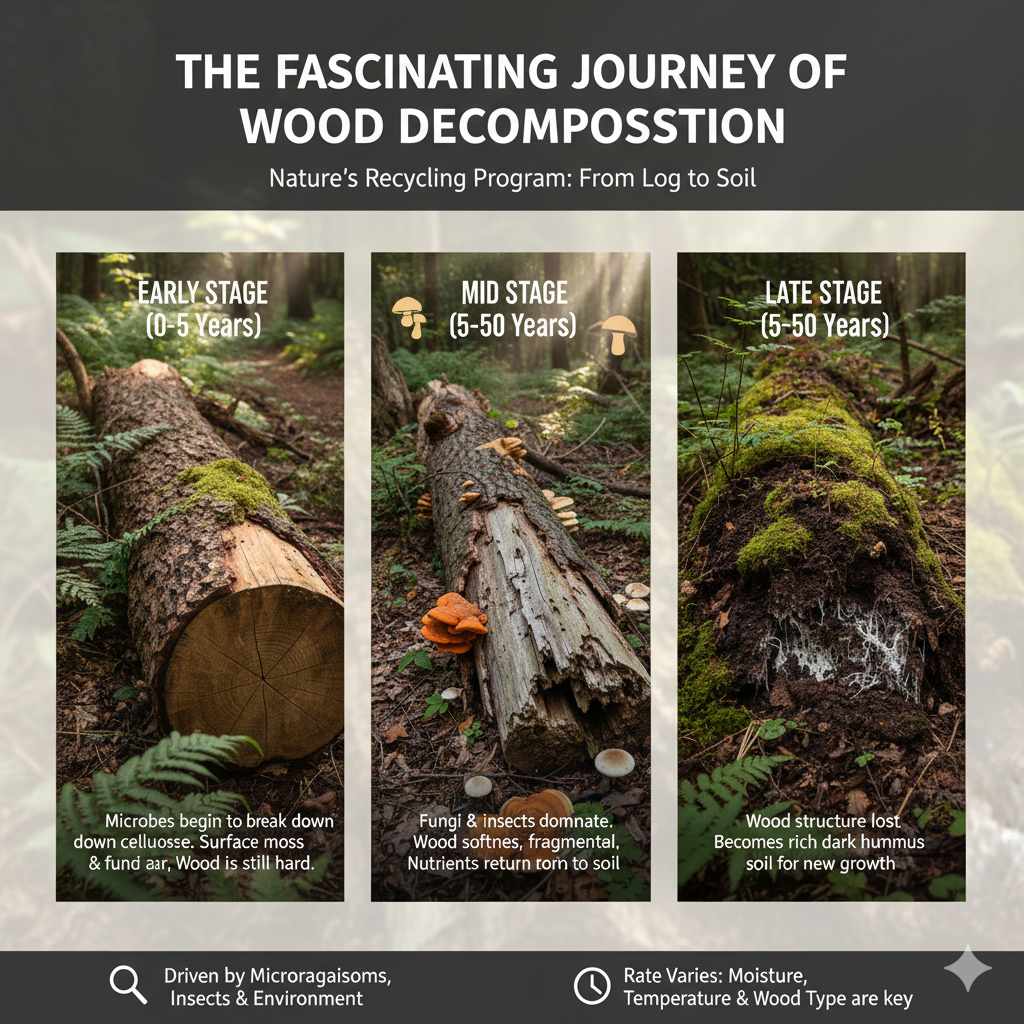
Wood is a natural material, and like all organic matter, it’s designed to return to the earth. This process, called decomposition, is carried out by a team of tiny helpers: microorganisms like bacteria and fungi, along with larger organisms like insects and earthworms. They work together to break down the complex structures of wood – primarily cellulose, hemicellulose, and lignin – into simpler substances that enrich the soil. Think of it as nature’s recycling program!
The rate at which this recycling happens varies wildly. A small twig left on a damp forest floor might vanish in a year or two, while a massive, treated timber buried deep underground could remain recognizable for centuries. It’s a slow, intricate dance of biology and environmental conditions.
Key Factors Influencing Wood Decomposition
Several elements work together to determine how quickly wood will break down. Let’s explore the main players:
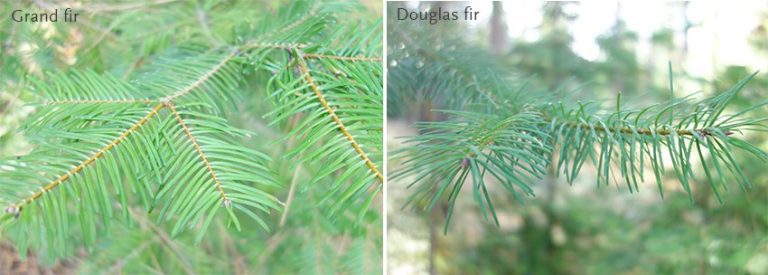
- Wood Type: Not all wood is created equal when it comes to durability. Softwoods like pine and fir tend to break down faster than hardwoods like oak and maple. Woods with natural oils and resins, like cedar and redwood, are also more resistant to decay.
- Moisture Content: This is perhaps the most critical factor. Wood needs moisture to support the growth of fungi and bacteria that cause decay. Completely dry wood will decompose very slowly, while wood that is consistently wet will break down much faster.
- Temperature: Decomposition thrives in warm conditions. Freezing temperatures can significantly slow down microbial activity, while very hot, dry conditions can also inhibit decay by drying out the wood and the decomposers.
- Oxygen Availability: Microorganisms need oxygen to do their work. Wood buried deep in saturated soil with little air circulation will decompose much slower than wood exposed to the air.
- Presence of Fungi and Insects: These are the primary agents of decomposition. Certain types of fungi are specialized to break down lignin, the tough component of wood, while others target cellulose. Insects like termites and beetles can also chew through wood, creating pathways for fungi and bacteria.
- Wood Treatment: Preservatives added to wood, such as those used in pressure-treated lumber, are designed specifically to resist decay and insect attack. This dramatically increases the lifespan of the wood.
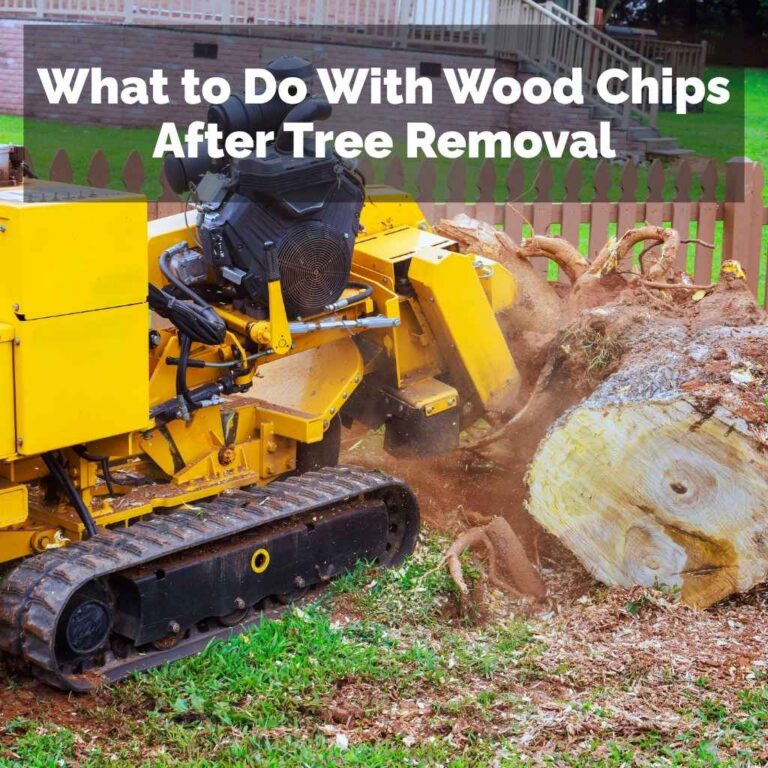
- Surface Area: Smaller pieces of wood or wood with more surface exposed to the elements will decompose faster than larger, solid blocks. Think of wood chips versus a thick log.
Decomposition Times: What the Facts Say
Estimating decomposition time can be tricky, but research and observation give us some solid benchmarks. The environment where the wood is placed has a massive impact.
Wood Decomposition in Different Environments
Let’s look at how long wood might take to decompose in various settings:
1. Above Ground (Exposed to Air)
When wood is left exposed to the elements but not in constant contact with soil or water, its decomposition rate is moderate. Rain provides moisture, sun can dry it out, and air provides oxygen. Fungi and insects are readily available.
- Untreated Softwood (e.g., Pine): Can start showing significant decay within 2-5 years. Complete decomposition might take 10-20 years.
- Untreated Hardwood (e.g., Oak): More resistant, might take 5-15 years to show significant decay and 20-50 years for full decomposition.
- Pressure-Treated Wood: Designed to last for decades, often 25-50 years or more, before significant structural decay occurs. Full decomposition is very slow, potentially over 100 years.
2. In Soil (Partially Buried or on the Ground)
Contact with soil introduces more moisture and a rich ecosystem of microbes and insects. This usually speeds up decomposition compared to being fully above ground.
- Untreated Softwood: Significant decay can occur in 1-3 years. Full decomposition might take 5-15 years.
- Untreated Hardwood: Might take 3-10 years for noticeable decay and 15-40 years for complete breakdown.
- The U.S. Forest Service Forest Products Laboratory has conducted extensive research on wood durability and decay. Their findings indicate that wood in contact with the ground, especially in moist climates, will degrade much faster than wood kept dry. You can find more about their work and wood properties on their publications page.
3. Underground (Buried)
This is where decomposition slows down considerably, especially if the soil is compacted and has low oxygen. Moisture is present, but the lack of air and limited access for some decomposers are major factors.
- Untreated Softwood: Can take 5-10 years for noticeable decay and 15-30 years for substantial breakdown.
- Untreated Hardwood: Might take 10-20 years for significant decay and 30-60 years for near-complete decomposition.
- How long does it take for wood to decompose underground? Generally, it takes much longer than above ground. Expect anywhere from 15 to 60 years for untreated wood, with hardwoods lasting longer.
4. In Water (Freshwater)
Wood submerged in freshwater, especially in cool, oxygen-poor environments like the bottom of a lake, decomposes very slowly. The lack of oxygen limits the aerobic bacteria and fungi that are most efficient at breaking down wood. However, the constant moisture ensures that decay doesn’t stop entirely.
- Untreated Wood: Can last for decades, even centuries, in submerged conditions. Significant structural weakening might take 50-100+ years.
5. In Water (Saltwater)
Saltwater environments introduce different challenges. While the salinity can inhibit some freshwater microbes, marine borers (like shipworms) are incredibly efficient at consuming wood. This can lead to rapid destruction, sometimes within months or a few years, depending on the species of borer and the type of wood. This is a form of biological degradation rather than simple decomposition.
Table: Estimated Wood Decomposition Times
This table provides a general idea of how long untreated wood might take to decompose in different environments. Remember, these are estimates, and actual times can vary greatly.
| Environment | Wood Type | Estimated Time for Significant Decay | Estimated Time for Near-Complete Decomposition |
|---|---|---|---|
| Above Ground (Exposed) | Softwood (e.g., Pine) | 2-5 years | 10-20 years |
| Hardwood (e.g., Oak) | 5-15 years | 20-50 years | |
| In Soil (On Ground/Partially Buried) | Softwood | 1-3 years | 5-15 years |
| Hardwood | 3-10 years | 15-40 years | |
| Underground (Buried) | Softwood | 5-10 years | 15-30 years |
| Hardwood | 10-20 years | 30-60 years | |
| In Freshwater (Submerged) | Untreated Wood | 50+ years (for significant structural weakening) | Centuries |
Understanding Wood Decay: The Role of Fungi and Insects
The primary architects of wood decomposition are fungi. Different types of fungi target different components of wood:
- Brown Rot Fungi: These fungi primarily attack cellulose and hemicellulose, the carbohydrates that give wood its strength. As they consume these components, the wood shrinks, cracks, and develops a characteristic reddish-brown, crumbly appearance. Lignin is largely left behind.
- White Rot Fungi: These are more aggressive decomposers because they can break down all the main components of wood, including lignin. This leaves behind a bleached, stringy, or spongy material.
- Soft Rot Fungi: These fungi thrive in very wet conditions and attack wood slowly, creating a softened surface layer.
Insects also play a crucial role, especially in breaking down larger pieces of wood and creating access points for fungi. Termites, carpenter ants, and wood-boring beetles can chew through wood, fragmenting it and increasing its surface area for microbial action. For more on wood-destroying organisms, the Environmental Protection Agency (EPA) provides information on fungi that cause wood decay.
What About Treated Wood?
Wood preservatives are chemicals forced into the wood under pressure to make it resistant to decay and insect attack. This significantly extends its usable life, especially in outdoor or ground-contact applications. For example, modern pressure-treated lumber used for decks, fences, and playground equipment is designed to last for many years, often exceeding 25 years for ground contact applications. However, even treated wood will eventually decompose, just at a much slower rate, especially once the preservatives leach out or are no longer effective.
Practical Applications: Using This Knowledge
Knowing how long wood decomposes can be incredibly useful for DIYers and homeowners:
- Designing Outdoor Structures: If you’re building a deck or fence, understanding that untreated wood in contact with the ground will decay faster helps you choose the right materials (like pressure-treated lumber or naturally rot-resistant species) and construction methods to ensure longevity.
- Composting Wood Scraps: Small, untreated wood scraps can be a valuable addition to a compost pile, especially if you chip them. They add carbon to the mix and will break down over time, contributing to rich compost. Larger pieces will take much longer.
- Managing Wood Waste: For larger untreated wood items, knowing they will eventually decompose can inform disposal decisions. In some areas, unpainted, untreated wood can be chipped and used as mulch or composted.
- Restoration Projects: If you’re restoring an old wooden structure, understanding the typical decay patterns can help you identify areas that are most vulnerable and require repair or replacement.
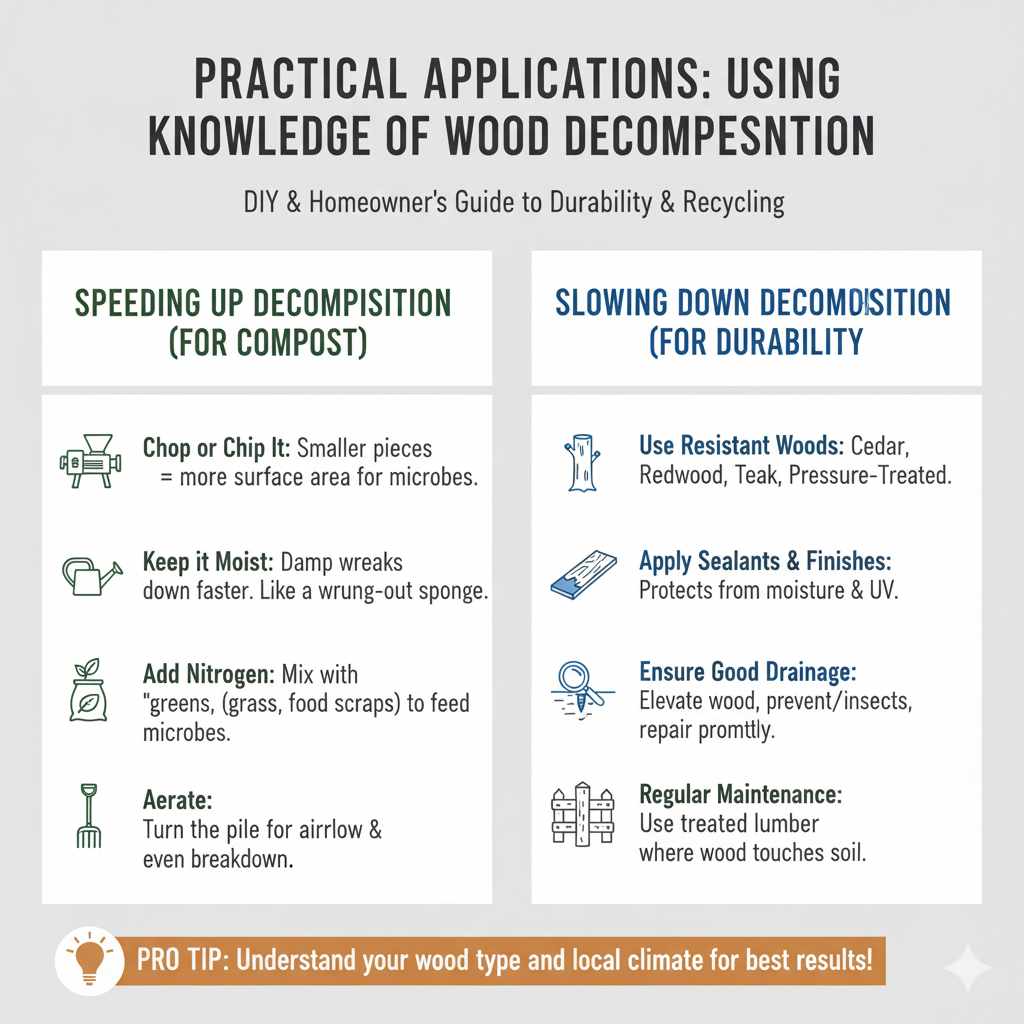
Speeding Up Decomposition (for Composting)
If your goal is to break down wood quickly for compost, you can help nature along:
- Chop or Chip It: The smaller the pieces, the more surface area is exposed to moisture, air, and microbes.
- Keep it Moist: Ensure your wood chips or scraps are consistently damp, like a wrung-out sponge.
- Add Nitrogen: Mix wood scraps (a “brown” carbon source) with “green” nitrogen-rich materials like grass clippings or kitchen scraps to balance your compost pile and feed the microbes.
- Aerate: Turn your compost pile regularly to ensure good airflow.
Slowing Down Decomposition (for Durability)
If you want your wooden structures to last:
- Use Naturally Resistant Woods: Cedar, redwood, teak, and other dense hardwoods are naturally more resistant to decay.
- Use Pressure-Treated Lumber: Especially for ground contact or areas exposed to moisture.
- Apply Sealants and Finishes: Paints, stains, and sealants can protect the wood surface from moisture and UV damage.
- Ensure Good Drainage: Keep wood structures elevated and ensure water can drain away easily, preventing constant saturation.
- Regular Maintenance: Inspect your wood structures periodically for signs of rot or insect damage and address them promptly.
Frequently Asked Questions (FAQs)
Q1: What is the fastest way for wood to decompose?
The fastest decomposition happens when wood is in small pieces, kept moist, warm, and exposed to plenty of air and microbes. Think of wood chips in a hot, active compost pile.
Q2: Can wood decompose completely in a landfill?
Wood in a landfill decomposes very slowly, especially if it’s buried deep where oxygen is limited. It can take many decades or even centuries to break down significantly, and often ends up contributing to methane gas production.
Q3: Does saltwater make wood rot faster?
Saltwater itself doesn’t necessarily make wood rot faster through microbial action. However, it introduces marine borers (like shipworms) which can consume wood very rapidly, leading to quick destruction.
Q4: How long does a wooden stake take to decompose in the ground?
An untreated wooden stake driven into the ground can take anywhere from 5 to 15 years to decompose significantly, depending on the wood type and soil conditions. Hardwoods will last longer than softwoods.
Q5: Is it safe to burn decomposed wood?
Yes, fully decomposed wood is essentially soil and organic matter. However, burning partially decomposed wood or old treated wood can release harmful chemicals into the air, so it’s best to avoid burning anything other than clean, untreated wood.
Q6: What happens to old wooden furniture left outside?
Old wooden furniture left outside will gradually weather and decay. Paint or finishes will chip away, exposing the wood to moisture and UV rays. Fungi and insects will attack it. Depending on the wood type and climate, it could start showing significant decay within a few years and might be completely unusable within 10-30 years.
Conclusion
As we’ve explored, the lifespan of wood in the environment is a fascinating interplay of biology and physics. From a few months for treated wood in a marine borer-infested sea to potentially centuries for solid timbers submerged in oxygen-poor water, the range is vast. For the average untreated piece of wood, decomposition is a process measured in years, influenced heavily by moisture, temperature, and the living organisms that call it home. Understanding these factors empowers you to make informed decisions for your DIY projects, from building durable decks to managing your compost pile effectively. So next time you encounter a piece of wood, you’ll have a clearer picture of its eventual, natural journey back to the earth.