How Long Should Paint Dry: Essential Guide
Quick Summary:
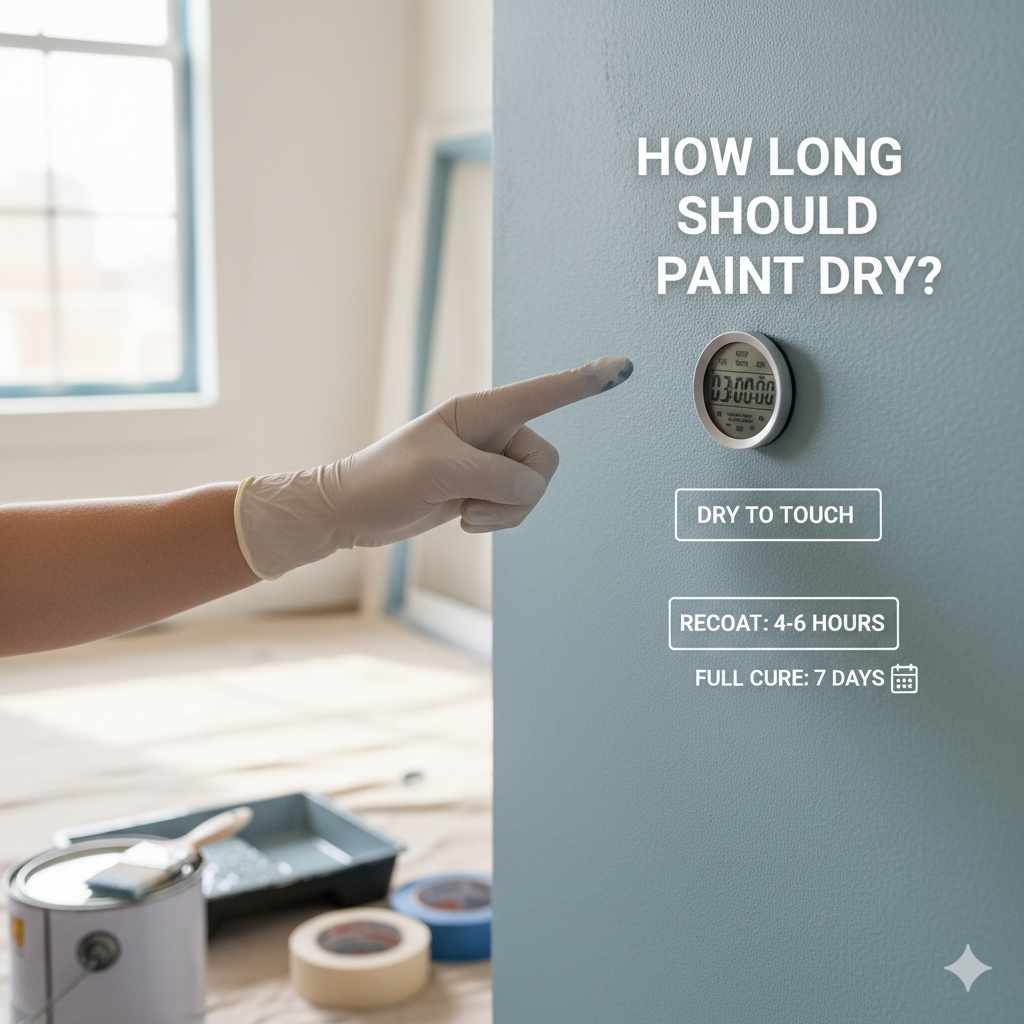
Paint drying times vary greatly, but generally, allow 2-4 hours for a light touch and 24 hours for recoating. Full curing, when paint is toughest, can take 7 to 30 days, depending on the paint type and conditions. Rushing can lead to smudges, peeling, and a less durable finish.
Ever stood back, admiring your freshly painted walls, only to wonder, “Now what?” The biggest question on many DIYers’ minds is, “How long should paint dry before I can touch it, move furniture back, or even hang pictures?” It’s a common frustration! You want to enjoy your refreshed space, but you also don’t want to ruin all your hard work. This guide is here to clear up the confusion. We’ll break down paint drying times, explain the differences between drying and curing, and give you the confidence to know exactly when your painted surfaces are ready for the next step. Let’s get your project finished right!
Understanding Paint Drying vs. Curing: It’s Not the Same!
When you’re waiting for paint to be ready, there are actually two key stages to consider: drying and curing. It’s super important to know the difference, because they mean very different things for your project’s success.
What is Paint Drying?
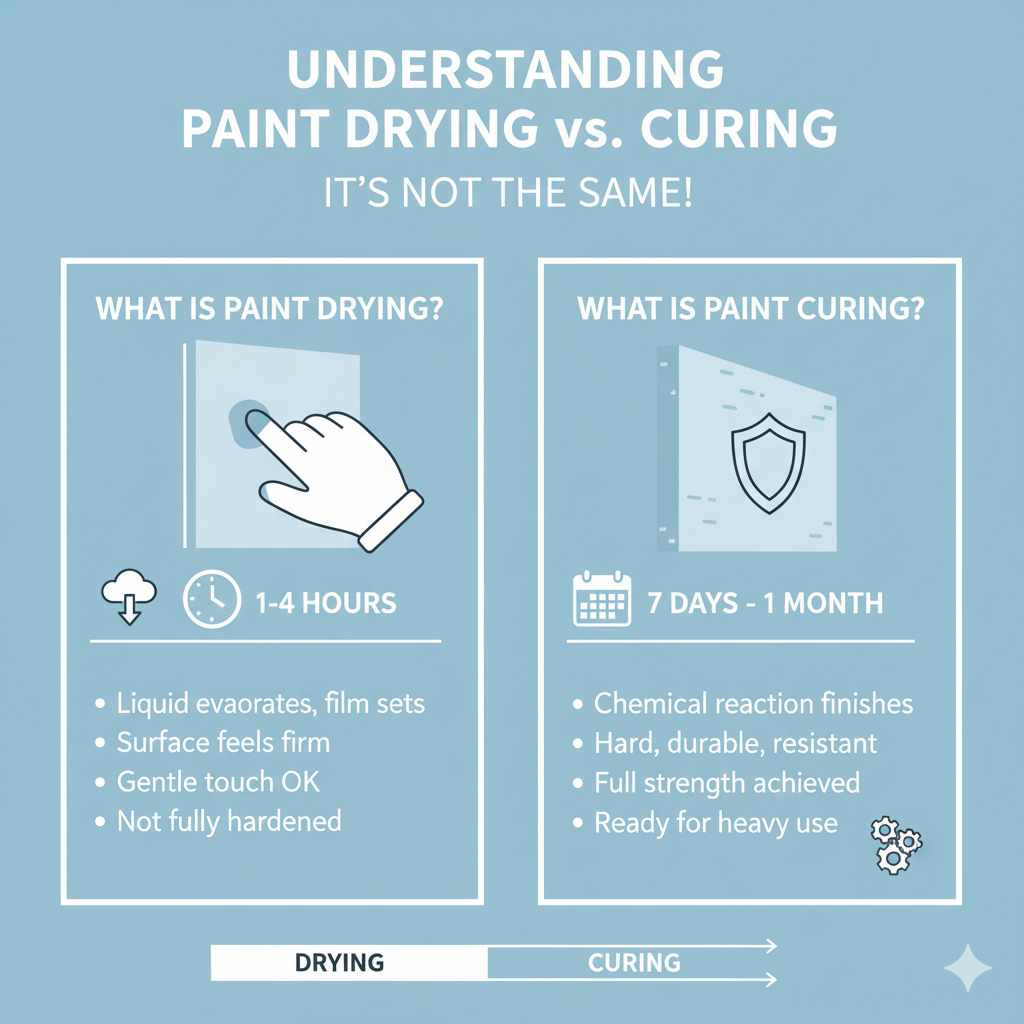
Drying is the initial stage where the liquid part of the paint evaporates, and the paint film starts to set. When paint is “dry to the touch,” it means the surface feels firm and won’t easily smudge if you lightly brush against it. This usually happens within a few hours. However, “dry to the touch” doesn’t mean the paint is fully hardened or ready for heavy use. It’s like the surface is ready for a gentle pat, but not a handshake.
What is Paint Curing?
Curing is a much longer process. This is when the chemical reactions within the paint finish completely, making the paint film hard, durable, and resistant to wear and tear. Think of it as the paint reaching its full strength. While the paint might be dry to the touch in a few hours, it can take days, weeks, or even a month to fully cure. This is why a freshly painted wall might look great but can still be susceptible to scratches or scuffs if you’re too rough with it too soon.
Factors Affecting Paint Drying and Curing Times
You might have noticed that sometimes paint seems to dry faster or slower than expected. Several factors play a role in this, and understanding them can help you manage your project timeline better.
1. Type of Paint
Different paint formulations have different drying and curing properties. For example, latex (water-based) paints generally dry faster than oil-based paints. Specialty paints, like those designed for high-traffic areas or specific surfaces, might have unique timelines. Always check the manufacturer’s instructions on the paint can, as this is your best resource.
2. Humidity Levels
High humidity is paint’s enemy when it comes to drying. When the air is already full of moisture, it takes longer for the water in latex paints to evaporate. Conversely, very dry air can sometimes cause paint to dry too quickly on the surface, leading to brush marks or an uneven finish. Aim for moderate humidity, ideally between 40% and 60%.
3. Temperature
Paint dries and cures best within a specific temperature range, typically between 50°F and 85°F (10°C and 30°C). If it’s too cold, the drying process slows down significantly. If it’s too hot, the paint can dry too fast, making it difficult to work with and potentially affecting the finish.
4. Ventilation
Good airflow is crucial for paint to dry properly. Opening windows and doors, or using fans, helps to circulate air and carry away the moisture and solvents evaporating from the paint. Poor ventilation can trap moisture, slowing down the drying process considerably.
5. Paint Thickness
Applying a thick coat of paint means there’s more liquid to evaporate. This will naturally extend the drying and curing times. It’s often better to apply two thin coats with adequate drying time in between than one thick, gloopy coat. This also leads to a more durable and even finish.
6. Surface Type
Porous surfaces, like unprimed drywall or bare wood, can absorb some of the liquid from the paint, which can affect drying times. Non-porous surfaces, like metal or previously painted glossy surfaces, might take longer for the paint to adhere to and dry properly.
Typical Drying and Curing Times by Paint Type
While manufacturer instructions are king, here’s a general breakdown of what you can expect for common paint types. Remember, these are averages, and your specific conditions might alter them.
It’s always best to consult the specific product’s Technical Data Sheet (TDS) for precise recommendations. You can often find these on the paint manufacturer’s website. For example, Sherwin-Williams provides detailed TDS for their extensive product lines.
Latex/Water-Based Paints
These are the most common paints for interior walls and ceilings. They’re known for their quick drying times, low VOCs (Volatile Organic Compounds), and easy cleanup.
- Dry to the touch: 1-2 hours
- Recoat time: 2-4 hours (for a second coat)
- Light use: 24-48 hours (e.g., gentle cleaning, avoiding heavy contact)
- Full cure: 7-14 days (for maximum durability)
Oil-Based/Alkyd Paints
Often used for trim, doors, and cabinets due to their hard, durable finish. They have a stronger odor and require mineral spirits for cleanup.
- Dry to the touch: 6-8 hours
- Recoat time: 24 hours
- Light use: 24-72 hours
- Full cure: 30 days or more
Enamels (Waterborne and Oil-Based)
These paints are formulated for durability and a smooth, hard finish, often used on trim, furniture, and cabinets. Their drying and curing times can vary significantly depending on whether they are water-based or oil-based.
- Waterborne Enamels: Similar to latex – dry to touch in 1-2 hours, recoat in 4-6 hours, cure in 7-14 days.
- Oil-Based Enamels: Similar to oil-based paints – dry to touch in 6-8 hours, recoat in 24 hours, cure in 30+ days.
Primers
Primers are essential for good paint adhesion and coverage. Their drying times vary by type (latex, oil, shellac).
- Latex Primers: Dry to touch in 1 hour, recoat in 4 hours.
- Oil-Based Primers: Dry to touch in 4-6 hours, recoat in 24 hours.
- Shellac-Based Primers: Very fast drying, often recoat in 15-30 minutes.
How Long Should Paint Dry Before Putting Furniture Back?
This is where the “dry to the touch” vs. “fully cured” concept really matters. You want your furniture to rest on a surface that won’t be damaged, and you don’t want the furniture to stick to the wall or leave marks.
For Walls:
- Light contact (like leaning something lightly): Wait at least 24-48 hours after the final coat.
- Moving furniture back fully: It’s safest to wait at least 7 days. This allows the paint to cure enough to withstand the pressure and potential friction of furniture. For high-traffic areas or if you have heavy furniture, consider waiting the full 14-30 days for complete peace of mind.
- Hanging pictures/decor: You can often do this after 24-48 hours, but be gentle. Avoid using strong adhesives or heavy items too soon.
For Trim, Doors, and Cabinets:
These surfaces get more direct contact and are more prone to scuffs. You’ll want to be more patient here.
- Light use (like closing a door gently): Wait at least 24-48 hours.
- Full use and cleaning: Wait for the paint to be mostly cured, ideally 7-14 days for water-based enamels and up to 30 days for oil-based enamels.
A Practical Timeline: What to Expect When
To make things easier, here’s a visual guide of when you can typically do certain things after painting.
| Action | Latex/Water-Based Paint | Oil-Based/Alkyd Paint |
|---|---|---|
| Dry to the Touch | 1-2 hours | 6-8 hours |
| Second Coat Applied | 2-4 hours | 24 hours |
| Light Cleaning/Gentle Contact | 24-48 hours | 48-72 hours |
| Hanging Pictures/Light Decor | 24-48 hours | 48-72 hours |
| Moving Furniture Back (Walls) | 3-7 days | 7-14 days |
| Full Use (Trim, Doors, Cabinets) | 7-14 days | 14-30 days |
| Full Cure (Maximum Durability) | 7-14 days | 30+ days |
This table provides a good general overview. Always remember to check your specific paint’s instructions for the most accurate information.
Tips for Faster Drying and Better Curing
While you can’t magically speed up the chemical process, you can create optimal conditions for your paint to dry and cure efficiently.
1. Control Your Environment
- Maintain ideal temperature: Keep the room between 50°F and 85°F (10°C and 30°C). Avoid painting in extreme cold or heat.
- Manage humidity: Use a dehumidifier in humid conditions or an air conditioner to help lower moisture in the air. In very dry climates, avoid direct, intense heat that could dry the surface too fast.
- Ensure good ventilation: Open windows and doors. Use fans to create a gentle airflow, but avoid pointing fans directly at wet paint, as this can cause an uneven finish.
2. Proper Application Techniques
- Thin coats are key: Apply paint in thin, even coats rather than one thick layer. This allows each layer to dry and cure more effectively.
- Don’t overwork the paint: Apply paint smoothly and evenly. Overworking it can break down the paint film and affect drying.
- Use the right tools: High-quality brushes and rollers designed for your paint type will apply paint more evenly, leading to a better finish and more consistent drying.
3. Choose the Right Paint
Some modern paints are formulated for faster drying and curing. If time is a major concern, look for “quick-dry” or “fast-drying” labels, but always check the recoat and cure times.
4. Allow Adequate Time Between Coats
Resist the urge to rush the second coat. Waiting the recommended time ensures the first coat has sufficiently dried, allowing for better adhesion and a stronger final finish. For more on achieving a perfect finish, resources from the Building Science Corporation offer insights into how paint films perform.
Common Mistakes to Avoid
Even with the best intentions, it’s easy to make a mistake when you’re eager to finish a painting project. Here are some common pitfalls to watch out for:
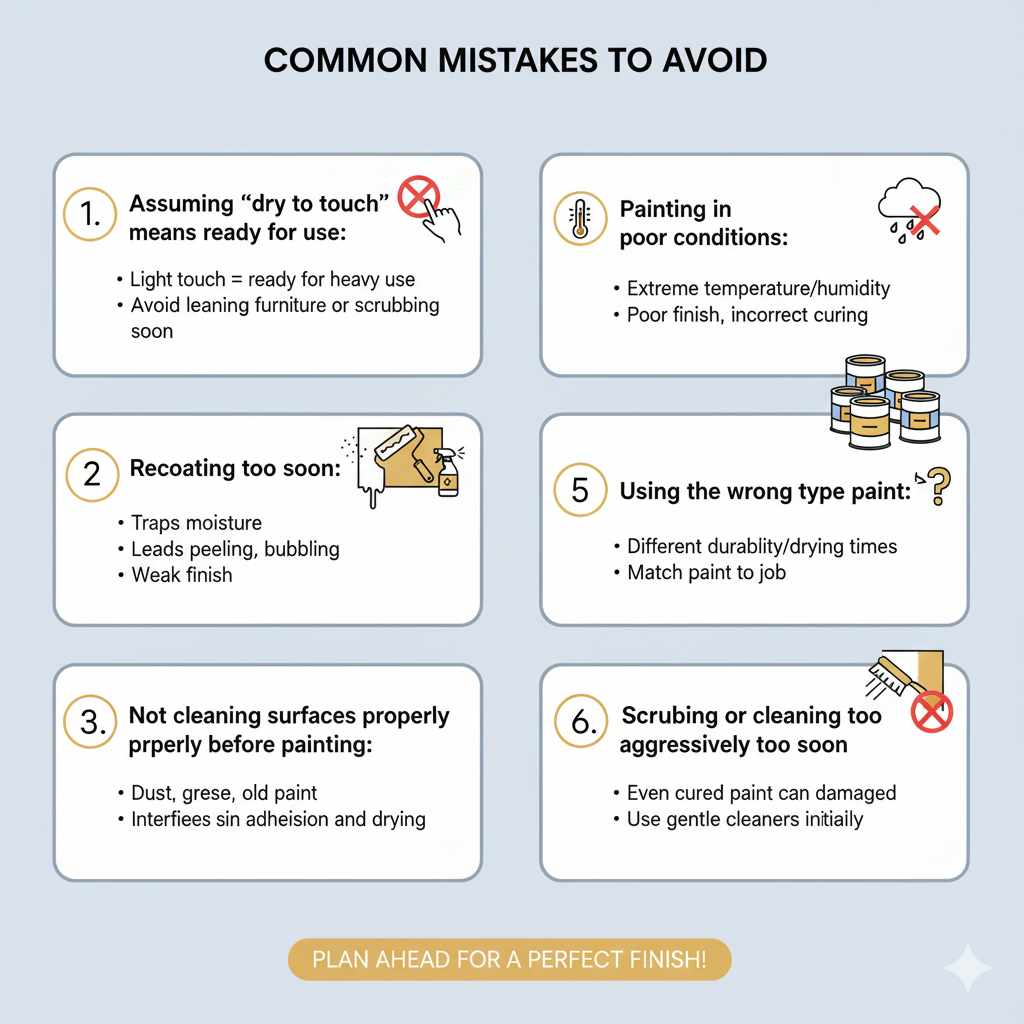
- Assuming “dry to touch” means ready for use: This is the most frequent error! Lightly touching is one thing; leaning furniture or scrubbing is another.
- Recoating too soon: Applying a second coat before the first is properly dry can trap moisture, leading to peeling, bubbling, or a weak finish.
- Not cleaning surfaces properly before painting: Dust, grease, or old paint can interfere with adhesion and drying.
- Painting in poor conditions: Ignoring temperature and humidity can lead to a poor finish that might not cure correctly.
- Using the wrong type of paint for the job: Some paints are more durable or faster drying than others.
- Scrubbing or cleaning too aggressively too soon: Even cured paint can be damaged by harsh cleaning chemicals or abrasive scrubbing shortly after painting.
Frequently Asked Questions (FAQ)
Q1: How long does it take for latex paint to dry completely?
Latex paint is usually dry to the touch in 1-2 hours. You can typically apply a second coat after 2-4 hours. However, for it to fully cure and reach maximum hardness, it can take 7 to 14 days.
Q2: Can I paint over wet paint?
No, you should not paint over wet paint. The new layer of paint will not adhere properly to the wet surface, and it can trap moisture, leading to problems like blistering and peeling. Always wait for the previous coat to dry according to the manufacturer’s recommendations.
Q3: My paint is still tacky after 24 hours. What’s wrong?
Tacky paint after 24 hours usually indicates issues with humidity, temperature, or application thickness. High humidity, cold temperatures, or applying the paint too thickly can all slow down the drying and curing process. Ensure good ventilation and optimal environmental conditions.
Q4: How long should I wait to clean my freshly painted walls?
For light dusting, you can usually wait 24-48 hours. For gentle washing with mild soap and water, it’s best to wait at least 7 days, and ideally longer for fully cured paint (up to 30 days) to avoid damaging the finish.
Q5: Does temperature really affect paint drying time that much?
Yes, temperature has a significant impact. Paint dries and cures best within a specific range (often 50-85°F or 10-30°C). Colder temperatures slow down the evaporation of solvents and water, while extreme heat can cause the paint to dry too quickly on the surface, leading to application issues.
Q6: What’s the difference between “dry to touch” and “fully cured” for paint?
“Dry to touch” means the surface feels firm and won’t easily smudge when lightly brushed. “Fully cured” means the paint has completed its chemical hardening process and has reached its maximum durability and resistance to scratches, scuffs, and cleaning.
Q7: If I use a primer, does that change how long I wait?
Yes, primers have their own drying and recoat times. For example, a fast-drying shellac primer might allow you to recoat with your topcoat in as little as 15 minutes, whereas an oil-based primer might require 24 hours before applying a latex topcoat. Always follow the primer manufacturer’s instructions.
Conclusion
Knowing how long paint should dry is more than just a waiting game; it’s about ensuring a beautiful, lasting finish for your home improvement projects. By understanding the difference between drying and curing, considering the factors that influence these times, and following the manufacturer’s guidelines, you can avoid common mistakes and achieve professional-looking results. Patience is truly a virtue when it comes to painting. Waiting for that full cure means your paint will be more durable, easier to clean, and less likely to show wear and tear over time. So, take a deep breath, enjoy the process, and give your paint the time it needs to reach its full potential. Happy painting!