How Many Brackets Per Shelf: Expert Guidelines
Imagine you’ve just found the perfect shelf to showcase your favorite books, collectibles, or plants. It’s stylish, matches your décor, and fits perfectly in the space you envisioned.
But there’s one lingering question: “How many brackets do I need for this shelf? ” If you’ve ever been puzzled by this, you’re not alone. Many people overlook the importance of proper bracket support, which can make all the difference between a sturdy shelf and a sagging one.
We’ll guide you through the essentials of choosing the right number of brackets. By the end, you’ll feel confident in your ability to create a beautiful, stable display that you can trust with your treasures. Keep reading to ensure your shelf is not only a visual delight but also a reliable and lasting fixture in your home.
Factors Affecting Bracket Number
Long shelves need more brackets. They stop the shelf from bending. Wide shelves also need more support. The weight spreads out more. This means the shelf may bend. Extra brackets help.
Heavy shelves need sturdy brackets. Wood shelves hold more weight. Metal shelves can be heavy too. Strong brackets keep them safe. Light shelves need fewer brackets. Plastic shelves are not very heavy.
Weak walls need special brackets. Drywall is soft. Brick and concrete are strong. Strong walls hold brackets well. This keeps the shelf safe. Wall type decides bracket strength.
Credit: vaultfurniture.com
Standard Bracket Spacing
Residential shelvesusually hold lighter items. Books, dishes, or decor items. For these, placing brackets every 24 to 30 inches works well. Commercial shelvesneed to be stronger. They often support heavier loads. A spacing of 16 to 24 inches is best here. Always consider what the shelf will hold. Heavier items need more support. This keeps the shelf stable and safe.
Brackets give support and stabilityto shelves. For most shelves, spacing brackets at 24 inches is a safe choice. This works well for most uses. Lighter items need less support. Heavier items need more. Adjust the spacing based on the weight and size of items. Always check the wall type and bracket strength. This helps to ensure safety and durability.
Calculating Brackets For Heavy Loads
Weightshould be spread evenly on the shelf. This helps to keep it stable. For a long shelf, use more brackets. Place brackets every 16 to 20 inches. This gives strong support. Heavy items need extra care. Use thicker brackets for these items. For very heavy loads, use three brackets even for short shelves. Make sure the brackets are fixed tightly to the wall. This keeps them from falling.
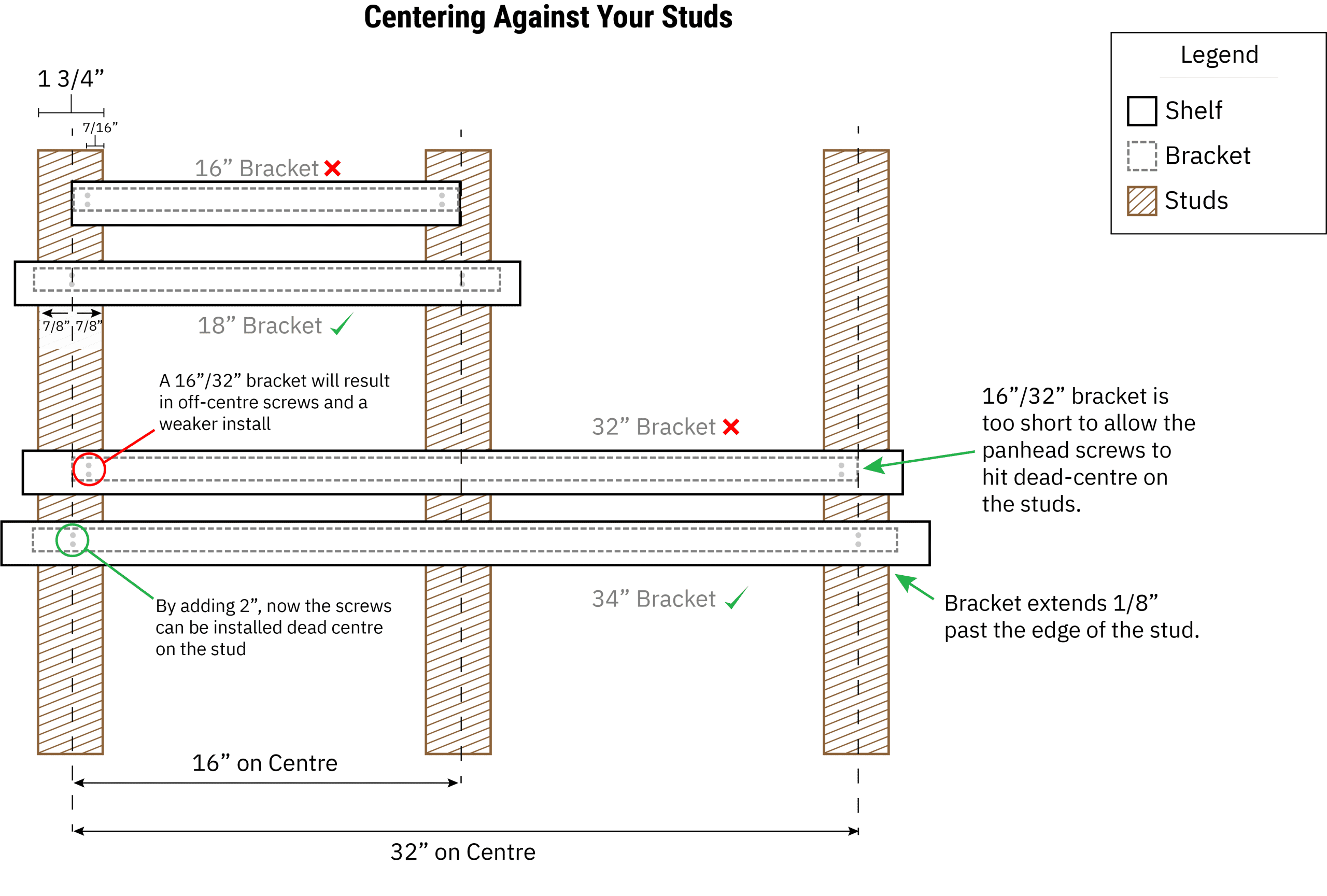
Use wall anchorsfor extra support. They help when brackets are on weak walls. Brackets should be screwed into the wall studs. This ensures they can hold much weight. Avoid placing too many items on one shelf. This can cause it to bend. Check brackets often to ensure they are tight. Fix loose brackets right away. Safety first!

Credit: www.reddit.com
Installation Tips
Start with a measuring tape. It’s important to get the right size. A level helps keep things straight. You will need a drill for making holes. Screws are necessary for attaching brackets. Choose wall anchors for extra support. A pencil is useful for marking spots. Lastly, have a screwdriver handy for tightening screws.
Always wear safety goggles. This protects your eyes from dust. Use gloves to avoid cuts. Keep the drill away from children. Make sure the ladder is stable before climbing. Check the wall for wires before drilling. Always have a first aid kit nearby. Stay focused and work slowly.
Troubleshooting Common Issues
Shelves can sag without enough support. Use the right number of brackets. Heavy items need more brackets. Place brackets every 16 to 24 inches. This helps the shelf stay straight and strong.
Use strong materials for shelves. Wood or metal is best. Avoid particle board for heavy items. Check the brackets for tightness. Loose brackets cause sagging. Tighten them often.
Wall damage can happen if the brackets are not secure. Use wall anchors for weak walls. They hold the brackets better. Choose anchors based on wall type. Drywall needs special anchors. Brick or concrete walls need different ones.
Check the wall for cracks or holes. Repair them before adding shelves. Paint can hide small marks. Use putty for bigger holes. Secure brackets to avoid damage. This makes your walls last longer.
Expert Recommendations
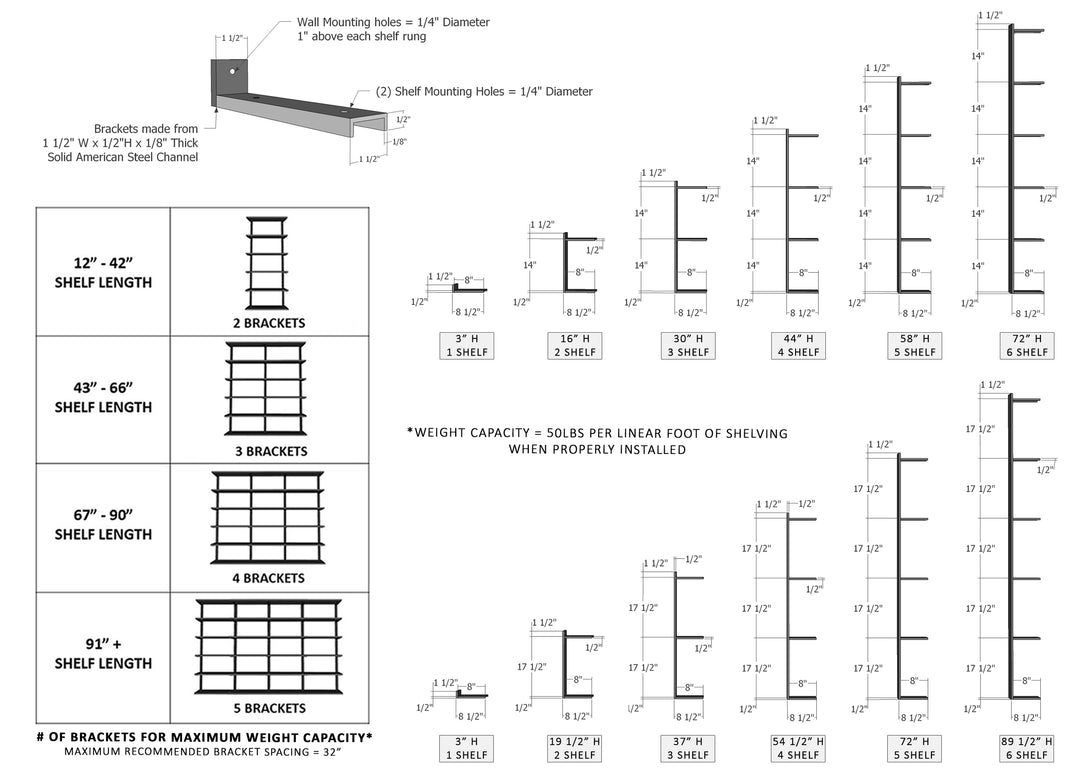
Experts suggestusing at least two brackets per shelf. This keeps shelves steady and safe. Shelves longer than 3 feet need more support. Three brackets are better for these. Heavy items need strong brackets. Choose brackets based on shelf length and weight. Brackets come in different sizes. Some are small, others are large. Choose wisely.
Case Studies
Many people follow expert advice. Shelves stay strong and last longer. People use three brackets for bookshelves. This prevents bending. Kitchen shelves often use two brackets. Dishes and cups are safe. Proper bracket choice mattersfor shelf life. A study showed fewer brackets cause shelves to sag. More brackets keep shelves straight. Experts always test shelf strength. They check bracket placement. They study weight limits.

Credit: cascadeironco.com
Frequently Asked Questions
How Many Brackets Do I Need Per Shelf?
Typically, two to three brackets per shelf are sufficient. This depends on the shelf’s length and weight capacity. For longer or heavier shelves, consider adding more brackets. Proper bracket placement ensures stability and prevents sagging.
What Factors Determine Bracket Placement?
Bracket placement depends on shelf length, weight, and material. Heavier shelves require more support, while lighter ones need fewer brackets. Ensure brackets are evenly spaced for balanced support. Always follow the manufacturer’s guidelines for optimal placement.
Can I Use Fewer Brackets For Lightweight Shelves?
Yes, lightweight shelves often require fewer brackets. For short or lightweight shelves, two brackets may suffice. However, ensure they can support the intended load. Proper installation is crucial for safety and stability.
Are There Specific Brackets For Wooden Shelves?
Yes, wooden shelves may need specific brackets. L-brackets or adjustable brackets are commonly used. Choose brackets that match the shelf’s weight and material. Proper brackets enhance shelf stability and lifespan.
Conclusion
Choosing the right brackets ensures your shelf’s stability. Consider shelf weight and length before deciding. More brackets add support for heavy items. Ensure brackets are evenly spaced for balance. Check wall type to select suitable brackets. Proper installation prevents accidents.
Always use quality materials for durability. Visual appeal matters too. Match bracket style with your room decor. A well-supported shelf enhances space and organization. With these tips, your shelves will be both functional and stylish. Enjoy the peace of mind that comes with sturdy shelving.