How Many Lumens Is a 60 Watt LED Bulb? (800 Lumens Explained)
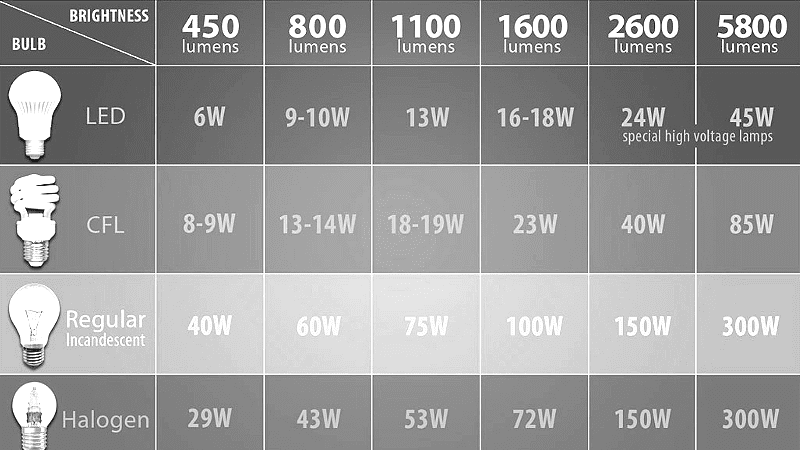
A 60-watt LED bulb produces about 800 lumens – the same brightness as an old-school 60-watt incandescent, but using only about 9 watts of power. Buy an LED rated below 800 lumens and a room that used to feel bright enough will suddenly feel dim. This guide covers the full wattage-to-lumens equivalency chart, what changes brightness besides lumens, and how many lumens each room actually needs.
60 Watt LED Bulb Lumens (Full Equivalency Chart)
A 60 watt-equivalent LED bulb produces about 800 lumens using roughly 9 watts of actual power – always check lumens, not watts, since watts only measure energy use, not brightness. LED bulbs stay cool to the touch, unlike incandescent bulbs, which waste most of their energy as heat rather than light. See our full lighting guides for more bulb comparisons.
| Incandescent Equivalent | Lumens | LED Wattage |
|---|---|---|
| 40 watt | 450 lumens | 5-7 watt LED |
| 60 watt | 800 lumens | 9 watt LED |
| 75 watt | 1,100 lumens | 13 watt LED |
| 100 watt | 1,600 lumens | 16-20 watt LED |
📊 A 60-watt incandescent bulb produces 800 lumens; a 9-watt LED matches that same output — Source: ENERGY STAR, brightness guide
Best 60W-Equivalent LED Bulb Pick
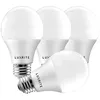
LUXRITE A19 LED Bulb (60W Equivalent, 800 Lumens)
Rated at exactly the 800-lumen output this guide covers, so you know the brightness matches before you buy.
- Best for: direct 60W incandescent replacement, any standard fixture
- Why we picked it: lumen rating on the box matches this guide’s number exactly
- Main drawback: pricier per-bulb than basic multi-packs
Compare more 60W-equivalent LED options
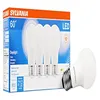 Option 1 Sylvania 60W Equivalent A19
|
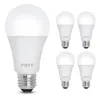 Option 2 Feit Electric 800 Lumens Dimmable
|
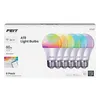 Option 3 Smart WiFi 60W-Equivalent Bulb
|
As an Amazon Associate we earn from qualifying purchases.
Factors Affecting Brightness
Color temperaturechanges how light looks. It is measured in Kelvins (K). Bulbs with lower Kelvins are warmer. They give a soft, yellow light. Higher Kelvins give a cool, white light. This light is more like daylight. The brightnesscan feel different. Warm light is cozy. Cool light is bright and clear. Choose the right color for your space. It can affect mood and visibility.
The beam angleshows how wide light spreads. It is important for lighting large areas. A wider beamlights up more space. A narrow beamfocuses on one spot. The angle affects brightness in rooms. Larger rooms need wider beams. Small spaces can use narrow beams. Beam angle helps decide bulb placement. It makes sure light covers the needed area.
Choosing The Right Bulb
A room’s purpose affects bulb choice. Living rooms need warm, cozy light. Kitchens benefit from bright, clear light for cooking. Bedrooms should have soft light for relaxing. Bathrooms require bright light for grooming.
Everyone likes different lighting. Some prefer bright lights for reading. Others enjoy dim lights for relaxing. Consider what feels comfortable. Think about activities in each room. Bright bulbs suit active tasks. Softer light fits quiet moments.
Calculating Lumens For Your Space
Lumenstell you how bright a light is. Knowing this helps when buying bulbs. A 60-watt LED bulbgives around 800 lumens. This is important for lighting a room well. Think about what activitieshappen in the space. Reading needs more light than watching TV. More lumensmean more light.
A lumens calculatoris a tool. It helps you decide how many bulbs you need. You enter room size and activities. It tells you the needed lumens. This saves time and ensures you get it right. No more guessing.
Each room needs different lumens. A bedroom might need 2,000 lumens. A kitchen may need 5,000 lumens. Think about the tasksyou do there. More lumensmake tasks easier. Plan carefully to get enough light.
Benefits Of Led Bulbs
LED bulbs last a long time. They can shine for over 25,000 hours. That’s like having the same bulb for many years. You don’t need to change them often. This saves money. It also saves time. Regular bulbs burn out faster. LED bulbs shine bright for a long time.
LED bulbs are good for the planet. They use less energy. This means less electricity. Less electricity means less pollution. Regular bulbs use more energy. They waste power. LED bulbs help keep the earth clean. They make the world a better place. Choose LED. Help the environment.
Frequently Asked Questions
How Many Lumens Does A 60w Led Produce?
A typical 60W LED bulb produces around 800 lumens. This varies slightly based on the manufacturer and bulb design. LED bulbs are efficient and provide more lumens per watt compared to incandescent bulbs. Always check the packaging for exact lumens to ensure the brightness meets your needs.
Is A 60w Led Brighter Than Incandescent?
Yes, a 60W LED bulb is brighter than a 60W incandescent bulb. LEDs use less energy and convert more electricity into light. An incandescent bulb only offers about 800 lumens at 60 watts. LEDs achieve the same brightness using significantly less power.
What Is The Lifespan Of A 60w Led Bulb?
A 60W LED bulb typically lasts between 15,000 to 25,000 hours. This lifespan is much longer compared to incandescent bulbs. LED bulbs are designed for durability and energy efficiency. Regular use and proper installation can help maximize their lifespan.
Are 60w Led Bulbs Energy-efficient?
Yes, 60W LED bulbs are highly energy-efficient. They use less power while providing the same brightness as incandescent bulbs. LEDs convert most energy into light rather than heat. This efficiency makes them a cost-effective and eco-friendly lighting choice.
Conclusion
Compare lumens, not watts, when buying any bulb – a 60-watt LED means 800 lumens using about 9 watts of actual power. Use the equivalency chart above for other wattages, and check the room-lumens guide if the space still feels too dim or too bright once installed.
Sponsored / affiliate links. As an Amazon Associate I earn from qualifying purchases. I may earn additional commission from eligible campaigns.