How To Change An LED Light Bulb
I’ll never forget the first time I tried to change an LED light bulb in my living room. I fumbled in the dark, thinking it was a big deal—spoiler: it’s not! Learning how to change an LED light bulb is a quick, money-saving skill. This article walks you through simple steps, safety tips, and tricks to make it a breeze. Whether you’re a beginner or a DIY pro, you’ll find clear examples, handy tools, and answers to common questions. Let’s light up your home the easy way!
What is an LED Light Bulb?
An LED light bulb is a bright, energy-saving light that lasts way longer than old-school bulbs. LED stands for “light-emitting diode,” but don’t worry about the techy stuff—it just means they’re super efficient.
LEDs use up to 75% less energy than traditional bulbs and can last for years. They’re perfect for lamps, ceiling lights, or recessed fixtures in your home. Changing them is a snap, and it saves you money on your electric bill. My kitchen LEDs made such a difference—I wish I’d switched sooner!
Why Change an LED Light Bulb?
You might need to change an LED bulb if it flickers, dims, or stops working. Sometimes, you just want a brighter or warmer light. LEDs are awesome because they’re durable, but they don’t last forever. Knowing how to change an LED light bulb lets you control your home’s vibe without calling an electrician.
Tools You’ll Need to Change an LED Bulb
You don’t need much to swap out an LED bulb. Here’s what I grab before starting:
- A sturdy step ladder (for ceiling lights).
- Rubber gloves (to avoid burns or shocks).
- A new LED bulb (check the old one’s size and type).
- A cloth (to clean the socket if it’s dusty).
I recommend affordable tools like a folding step ladder from Home Depot (around $20) or basic rubber gloves from any hardware store. Keep it simple—you’ve got this!
Table 1: Tools for Changing an LED Light Bulb
| Tool | Purpose | Estimated Cost |
|---|---|---|
| Step Ladder | Reach high fixtures safely | $20-$50 |
| Rubber Gloves | Protect hands from heat or electricity | $5-$10 |
| New LED Bulb | Replace the old bulb | $3-$15 |
| Caption: Basic tools make changing an LED bulb quick and safe. |
Types of LED Bulbs: Which One Do You Need?
LED bulbs come in different shapes and sizes. Picking the right one is key to a smooth swap. Here’s a quick rundown of common types I’ve worked with:
- A19: Standard bulb for lamps and ceiling fixtures. It’s the classic pear shape.
- GU10: Small, two-pin bulb for recessed or track lighting. Common in kitchens.
- MR16: Another pin-based bulb, often used in low-voltage systems with transformers.
- BR30: Wider bulb for floodlights or recessed cans, great for living rooms.
Check the old bulb’s base (the part that fits the socket) before buying a new one. I once grabbed the wrong size and had to make a second store run—oops! Look for labels like “GU10” or “A19” on the bulb or fixture.
Table 2: Common LED Bulb Types
| Bulb Type | Best For | Base Type | Average Cost |
|---|---|---|---|
| A19 | Lamps, ceiling lights | Screw-in (E26) | $3-$8 |
| GU10 | Recessed lights | Two-pin | $5-$10 |
| MR16 | Track lighting, low-voltage | Two-pin | $6-$12 |
| BR30 | Floodlights, recessed cans | Screw-in (E26) | $8-$15 |
| Caption: Match your bulb type to the fixture for an easy swap. |
Step-by-Step Guide to Change an LED Light Bulb
Changing an LED light bulb is no sweat if you follow these steps. I’ll break it down for different fixtures, starting with a standard lamp.
Changing an LED Bulb in a Lamp
- Turn off the power: Unplug the lamp. This keeps you safe from shocks.
- Let the bulb cool: Wait 5-10 minutes if it was on. Hot bulbs can burn!
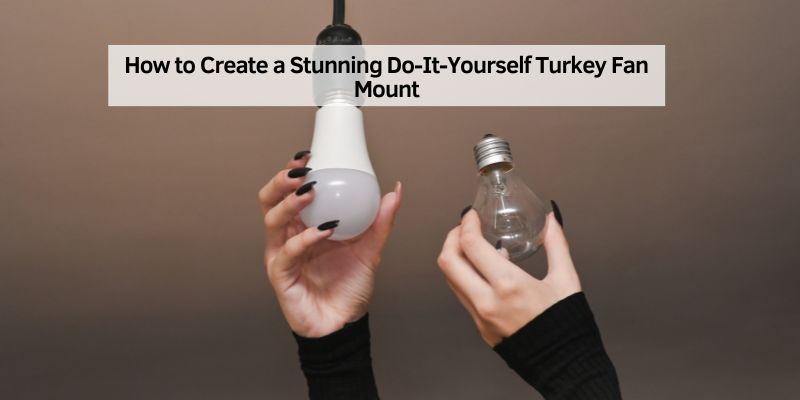
- Remove the old bulb: Twist it counter-clockwise gently. It should pop out.
- Check the new bulb: Make sure it’s the same type (like A19) and wattage.
- Insert the new bulb: Screw it in clockwise until snug. Don’t over-tighten!
- Plug it back in: Turn on the lamp and check if it works.
I swapped a lamp bulb in my bedroom in under two minutes. It’s that easy!
Changing an LED Bulb in a Ceiling Fixture
Ceiling lights can be trickier, but don’t worry. Here’s how I do it:
- Switch off the breaker: Find your home’s circuit breaker and turn off the power to the room. Safety first!
- Use a ladder: Set up a sturdy step ladder to reach the fixture.
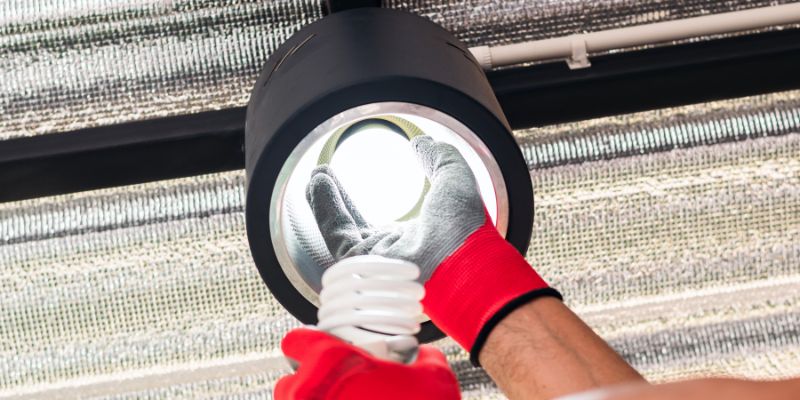
- Remove the cover: Twist or unclip the fixture’s cover (if it has one).
- Take out the old bulb: Twist counter-clockwise or pull gently if it’s a pin-base bulb.
- Install the new bulb: Line up the pins or screw it in clockwise.
- Replace the cover: Secure it back in place.
- Turn on the power: Flip the breaker and test the light.
My living room ceiling light was a bit high, so I used a ladder and gloves. Worked like a charm!
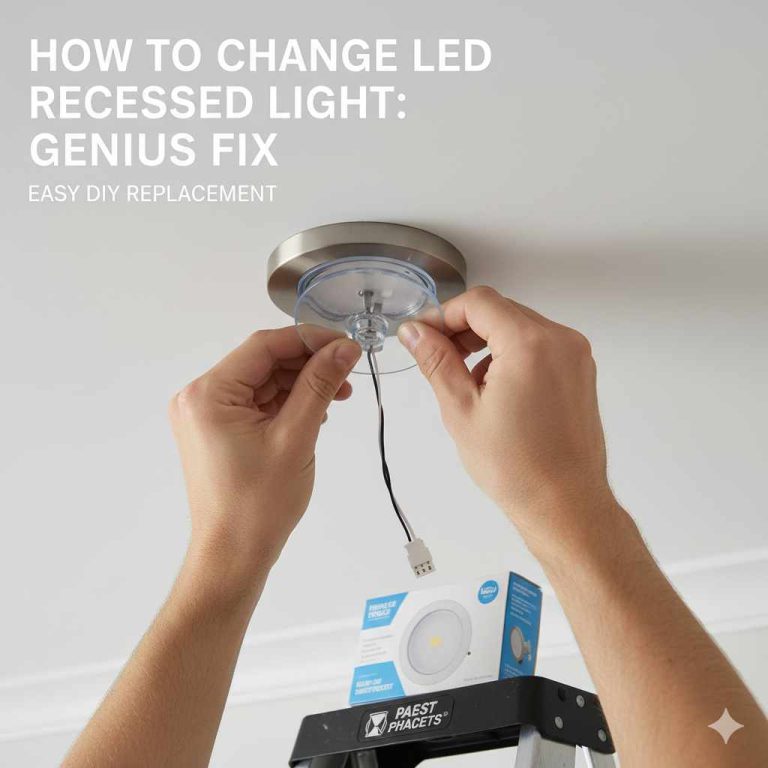
Changing a Recessed LED Downlight
Recessed lights (like in kitchens) often use GU10 or MR16 bulbs. Here’s my go-to method:
- Cut the power: Turn off the breaker for safety.
- Let it cool: Wait 10 minutes to avoid burns.
- Remove the bulb: Squeeze the spring clips or twist the faceplate counter-clockwise. Pull gently.
- Check the socket: Make sure the new bulb matches (e.g., GU10 or MR16).
- Insert the new bulb: Push it into the socket or twist clockwise until it clicks.
- Turn power back on: Test the light to confirm it works.
I changed a flickering kitchen downlight last week. Matching the bulb type was the key!
Visual Idea: A simple diagram showing A19, GU10, and MR16 bulb shapes would help readers identify their bulb. Another idea is a photo guide of twisting a bulb in and out of a socket.
Safety Tips for Changing LED Bulbs
Safety is a big deal when changing bulbs. Here are my top tips:
- Always turn off the power at the breaker or unplug the lamp.
- Wear rubber gloves to avoid shocks or burns.
- Use a sturdy ladder for high fixtures—wobbly chairs are a no-go.
- Let bulbs cool down to avoid burns, even though LEDs stay cooler than old bulbs.
I learned the hard way when I touched a hot bulb once. Ouch! Take your time to stay safe.
Common Mistakes to Avoid
Don’t make these rookie errors I’ve seen (or made myself):
- Wrong bulb type: Double-check the base (e.g., GU10 vs. A19) before buying.
- Forcing the bulb: If it doesn’t fit, don’t push hard—you might break it.
- Skipping safety: Always turn off the power. Shocks are no joke.
- Over-tightening: Screw bulbs in gently to avoid cracking them.
I once forced a bulb into the wrong socket. It got stuck, and I had to call a friend for help!
Benefits of LED Bulbs
LED bulbs are a game-changer. Here’s why I love them:
- Save money: They use less power, cutting your electric bill.
- Long-lasting: Some last up to 15 years with normal use.
- Bright and clear: They make rooms feel cozy or vibrant, depending on the color.
Switching to LEDs in my home saved me about $50 a year. Plus, they’re eco-friendly!
Drawbacks and Alternatives
LEDs aren’t perfect. They cost more upfront (about $3-$15) than old bulbs. Some need special dimmers to work right. If you’re not ready for LEDs, compact fluorescent bulbs (CFLs) are cheaper but less efficient. I stick with LEDs for the long-term savings.
My Personal Tips for Easy Bulb Changes
After years of swapping bulbs, here are my tricks:
- Keep a spare bulb handy for quick replacements.
- Check lumens (brightness) on the box—800 lumens is like a 60-watt old bulb.
- Snap a photo of the old bulb at the store to match it perfectly.
- Clean the socket with a dry cloth for better contact.
These saved me time and hassle, especially in my tricky recessed lights!
Table 3: LED Bulb Brightness Guide
| Lumens | Old Bulb Equivalent | Best For |
|---|---|---|
| 450 | 40-watt | Small lamps |
| 800 | 60-watt | Living rooms |
| 1100 | 75-watt | Kitchens |
| 1600 | 100-watt | Workspaces |
| Caption: Choose lumens based on your room’s needs. |
Visual Idea: A chart comparing lumens to old wattages could make picking bulbs easier. A photo of a GU10 bulb next to its socket would also help.
Frequently Asked Questions
Can I Change an LED Bulb Myself?
Yes, you can! It’s easy if you turn off the power, let the bulb cool, and match the new bulb’s type to the old one. No electrician needed for most lamps or fixtures.
What If My LED Bulb Won’t Come Out?
Gently wiggle it while twisting counter-clockwise. If it’s stuck, use gloves for grip and check for clips or a faceplate. Call an electrician if it’s really jammed.
How Do I Know Which LED Bulb to Buy?
Look at the old bulb’s base (e.g., A19, GU10) and lumens. Take a photo of it to match at the store. Check wattage limits on your fixture, too.
Are LED Bulbs Safe to Touch?
Yes, but let them cool first. LEDs don’t get as hot as old bulbs, but waiting a few minutes prevents burns. Always turn off the power.
Can I Use an LED Bulb in Any Fixture?
Most fixtures work with LEDs, but check the socket type and wattage limit. Some dimmable LEDs need special dimmers. Read the fixture’s label to be sure.
How Long Do LED Bulbs Last?
LEDs can last 10-15 years with normal use (about 3 hours daily). That’s way longer than old bulbs, saving you time and money!
What’s the Difference Between Warm and Cool LED Bulbs?
Warm LEDs (2700K) give cozy, yellowish light, great for bedrooms. Cool LEDs (4000K-6500K) are brighter, like daylight, perfect for kitchens or offices.
Conclusion
Changing an LED light bulb is a quick, easy way to keep your home bright and save money. With a few simple steps, the right bulb, and some safety know-how, you can do it in minutes. I love how LEDs make my rooms feel fresh without breaking the bank. Try swapping a bulb this weekend—it’s no big deal! Share your lighting wins or ask questions in the comments. Let’s keep the lights on!
For more info, check out EnergyStar.gov for LED tips, CNET for bulb reviews, and Home Depot for affordable bulbs.