How to Choose Oil Lamp Burner Chimney Size: Essential Guide
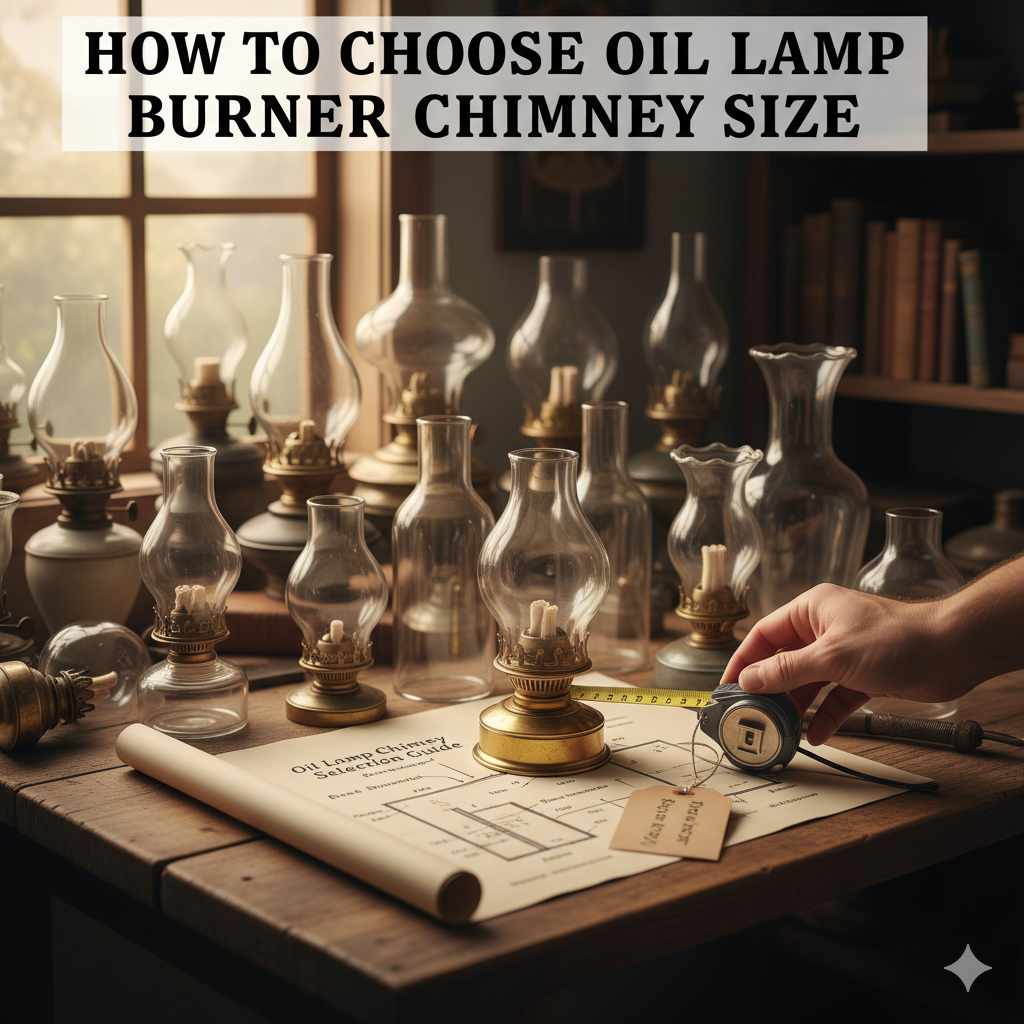
Choosing the right oil lamp burner chimney size is crucial for a safe, efficient, and beautiful flame. The correct chimney ensures proper airflow for a steady burn, prevents flickering, and protects the wick and burner from drafts. Look for chimneys that match your burner’s base diameter and are tall enough to allow adequate combustion.
Oil lamps are more than just light sources; they’re often cherished heirlooms and beautiful decorative pieces. But when it’s time to get that warm glow going, a flickering flame or a lamp that just won’t burn right can be frustrating. Often, the culprit is a simple but overlooked component: the oil lamp burner chimney. Getting the chimney size right is key to a perfect, steady flame. Don’t worry, it’s easier than you think! We’ll walk you through exactly how to choose the right size, ensuring your lamp burns beautifully and safely.
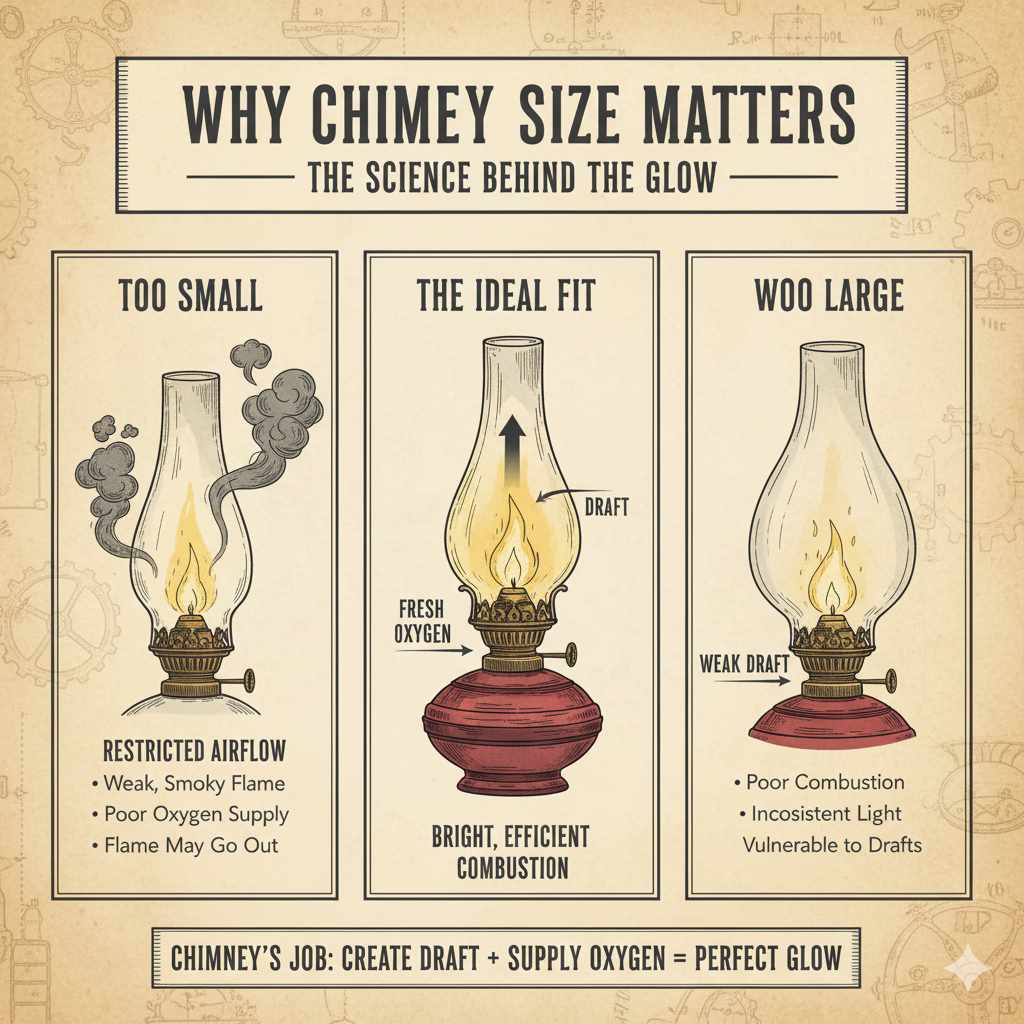
Why Chimney Size Matters: The Science Behind the Glow
You might be wondering, “Why is the size of this glass tube so important?” It all comes down to airflow and combustion. The chimney’s primary job is to create a draft. As the oil burns, it heats the air inside the chimney. This hot air rises, pulling fresh air in from the bottom, around the wick. This continuous flow of oxygen is what the flame needs to burn brightly and efficiently.
If the chimney is too small, it can restrict this airflow, leading to a weak, smoky flame or even a flame that goes out. If it’s too large, it might not create enough of a draft, again resulting in a poor burn. The chimney also protects the flame from drafts that could cause it to flicker or sputter, ensuring a consistent light.
Understanding Your Oil Lamp Burner
Before we can pick a chimney, we need to understand the burner it attaches to. Most modern kerosene lamps use a standard threaded burner, but there are variations. The key measurement for chimney compatibility is the diameter of the burner’s base, where the chimney sits.
Burner types can vary, but the most common ones you’ll encounter are:
- Threaded Burners: These are the most prevalent. They have a threaded base that screws into the lamp’s collar. The chimney usually has a matching lip or base that sits securely on top of the burner.
- Slip-on Burners: Less common for standard kerosene lamps, these might have a plain base that the chimney slides over.
The most critical dimension for chimney selection is the diameter of the part of the burner where the chimney’s base rests. This is often referred to as the “collar” or “fitting.”
How to Measure Your Oil Lamp Burner
This is where we get hands-on! Don’t worry; you don’t need fancy tools. A simple ruler or a tape measure will do.
Here’s how to get the measurement:
- Remove the Burner: Gently unscrew the burner from your oil lamp.
- Identify the Chimney Seat: Look at the base of the burner. You’ll see a part that the chimney’s glass base sits on or fits around. This is the chimney seat.
-
Measure the Diameter:
- If the chimney seat is a circular lip the chimney sits ON TOP of: Measure the diameter across the widest part of this lip.
- If the chimney seat is a cylindrical part the chimney fits AROUND: Measure the outer diameter of this cylinder.
- Note the Measurement: Write down the measurement in inches or millimeters. Most chimneys are sold by their base diameter. Common sizes include 2-1/2 inches, 3 inches, and 3-1/2 inches.
Pro Tip: Sometimes, there are manufacturer markings on the burner itself. Look for numbers or letters that might indicate the burner size or type. These can be a helpful clue if you can find them.
Common Oil Lamp Burner Chimney Sizes and Their Applications
Chimney sizes are generally categorized by the diameter of their base, which needs to match the burner. Here’s a look at some common sizes and what they’re typically used for.
| Chimney Base Diameter (Approximate) | Typical Burner Type/Lamp Size | Flame Characteristics | Notes |
|---|---|---|---|
| 2-1/2 inches (63.5 mm) | Smaller burners, often found on decorative lamps or older, smaller kerosene lamps. | Produces a smaller, more concentrated flame. | Ensure the wick height is appropriate for this size to avoid the flame being too high or too low. |
| 3 inches (76.2 mm) | Medium-sized burners, very common for standard household kerosene lamps. | Provides a good balance of light and flame stability. | This is often the most versatile size. |
| 3-1/2 inches (88.9 mm) | Larger burners, often found on larger decorative lamps or lamps designed for maximum light output. | Creates a larger, brighter flame. | May require a larger wick to match the burner’s capacity. |
It’s important to remember that these are general guidelines. The height of the chimney also plays a role in draft and flame characteristics, but the base diameter is the primary factor for compatibility.
Beyond Diameter: Other Factors to Consider
While diameter is king, a few other aspects can influence your choice and the lamp’s performance.
Chimney Height
The height of the chimney is designed to work in conjunction with the burner and wick. A chimney that’s too short might not create a sufficient draft, leading to a smoky flame. Conversely, a chimney that’s excessively tall might not be necessary and could even be unstable. Most replacement chimneys are designed to be the correct height for standard burners of a given diameter. If you’re replacing an original chimney, try to match its height as closely as possible.
Chimney Shape and Style
Oil lamp chimneys come in various shapes:
- Round Top (or “Queen Anne”): A classic, slightly bulbous shape that tapers to a round opening.
- Square Top: Less common, but still found on some styles.
- Straight-Sided: A simple, cylindrical shape.
- Fancy Etched or Frosted: These are purely decorative and don’t affect the size requirements, but ensure the base is the correct diameter.
The shape primarily affects the aesthetic and how the light diffuses. For functional purposes, stick to matching the base diameter.
Glass Thickness and Quality
Higher quality glass is more durable and less prone to cracking due to heat. Look for chimneys made from borosilicate glass (like Pyrex), which is known for its heat resistance. While not directly related to size, better quality glass means a safer and longer-lasting lamp. You can find more information on glass types for heat-resistant applications from resources like Corning, a leader in glass innovation.
Burner Type and Manufacturer
Some antique or specialty burners might have unique requirements. If you have a particularly old or unusual lamp, try to find information specific to its manufacturer. Sometimes, the original manufacturer’s specifications are the best guide. For modern lamps, standard sizing is usually reliable.
Troubleshooting Common Chimney Issues
Even with the right size, you might encounter problems. Here’s how to troubleshoot:
-
Flickering Flame:
- Cause: Drafts, wrong chimney size (too small or too tall), or a dirty burner.
- Solution: Ensure the chimney is securely seated. Check for drafts. If the flame is still erratic, re-measure your burner and confirm the chimney diameter. Clean the burner.
-
Smoky Flame:
- Cause: Insufficient airflow (chimney too short or too narrow), wick set too high, or fuel issues.
- Solution: Verify chimney size and height. Adjust the wick lower. Ensure you are using the correct type of lamp oil.
-
Flame Goes Out:
- Cause: Severely restricted airflow (chimney too small), wick too low, or burner issues.
- Solution: Double-check chimney fit and size. Raise the wick slightly. Ensure the wick is clean and properly trimmed.
-
Chimney Cracks or Breaks:
- Cause: Thermal shock (sudden temperature changes), physical impact, or low-quality glass.
- Solution: Allow the lamp to cool completely before cleaning or refilling. Handle with care. Replace with a quality heat-resistant chimney.
Where to Buy Replacement Chimneys
Finding the right replacement chimney is usually straightforward.
Here are some common places to look:
- Specialty Lamp Stores: Both online and brick-and-mortar stores that focus on oil lamps and lighting accessories are excellent resources. They often have a wide selection and knowledgeable staff.
- Hardware Stores: Some larger hardware stores carry a basic selection of common oil lamp parts.
- Online Retailers: Websites like Amazon, eBay, and dedicated antique or lighting supply sites offer a vast array of chimneys. Be sure to read descriptions carefully and check seller reviews.
- Antique Shops: You might find original or compatible chimneys in antique stores, though condition and compatibility should be carefully assessed.
When buying online, always check the listed dimensions (especially the base diameter) and compare them to your measurements. Look for clear photos of the chimney’s base.
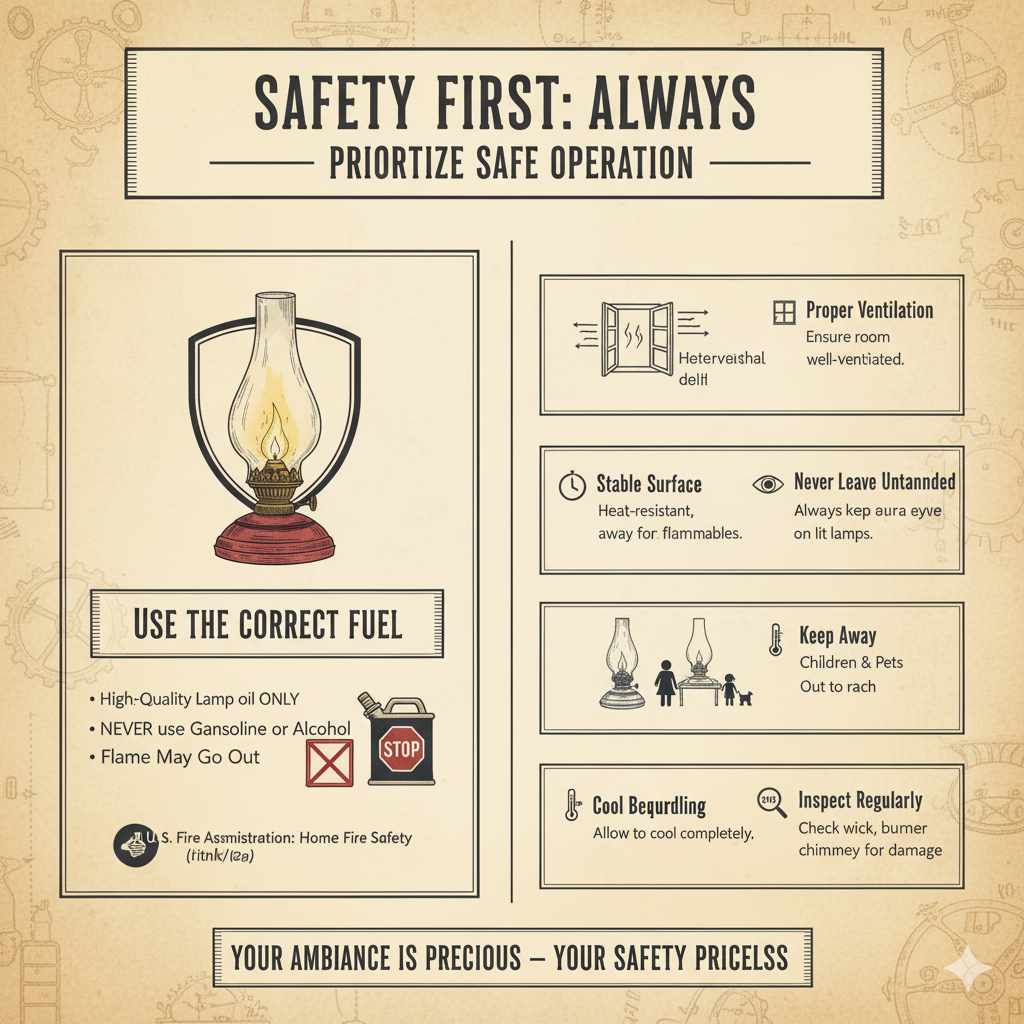
Safety First: Always Prioritize Safe Operation
Using oil lamps is a wonderful way to add ambiance, but safety should always be your top priority.
Here are some essential safety tips:
- Use the Correct Fuel: Always use high-quality lamp oil specifically designed for kerosene or oil lamps. Never use gasoline, alcohol, or other volatile fuels, as they are extremely dangerous. For more information on safe fuel handling, the U.S. Fire Administration provides excellent resources on home fire safety, which includes fuel storage and use.
- Proper Ventilation: Ensure the room is well-ventilated when using an oil lamp.
- Stable Surface: Always place your oil lamp on a stable, level, heat-resistant surface, away from curtains, papers, or anything flammable.
- Never Leave Unattended: Do not leave a burning oil lamp unattended.
- Keep Away from Children and Pets: Ensure lamps are out of reach of children and pets.
- Cool Before Handling: Allow the lamp and chimney to cool completely before cleaning, refilling, or moving it.
- Inspect Regularly: Check the wick, burner, and chimney for any signs of damage before each use.
Frequently Asked Questions About Oil Lamp Chimney Size
Here are some common questions beginner users have about choosing the right oil lamp burner chimney size.
What happens if I use the wrong size chimney?
Using the wrong size chimney can lead to a poor flame. Too small, and it might cause smoke and a weak flame due to lack of air. Too large, and it might not create a strong enough draft, also resulting in a smoky or flickering flame.
How do I know if my chimney is the right height?
A properly sized chimney should extend sufficiently above the burner to create a good draft. The flame should burn steadily within the chimney without touching the sides. If the flame is too low and smoky, the chimney might be too short. If it’s flickering excessively, the chimney might be too tall or not creating the right draft.
Can I use a chimney from a different brand of lamp?
Often, yes! If the base diameter and height are compatible with your burner, a chimney from a different brand can work. The key is matching the burner’s fitting size (diameter) and ensuring the chimney provides adequate height for proper draft.
What does “Queen Anne” mean for a chimney?
“Queen Anne” refers to a common shape of oil lamp chimney that has a rounded, slightly bulbous body that tapers to a round opening at the top. It’s a classic style and doesn’t affect the sizing requirements beyond the base diameter.
My lamp is very old. How can I find the right chimney size?
For very old lamps, carefully measure the burner’s base diameter where the chimney sits. If you can find any manufacturer markings on the lamp or burner, research those. Otherwise, matching the diameter and height of the original chimney (if you have it) or a similar-looking, functioning lamp is your best bet. Taking the burner to a specialty lamp store can also help.
Are there different types of oil for different chimneys?
No, the type of oil used (like kerosene or lamp oil) does not dictate the chimney size. The chimney size is determined by the physical dimensions of the burner it attaches to and the airflow needed for combustion. Always use the recommended lamp oil for your specific lamp.
How often should I replace my oil lamp chimney?
You should replace an oil lamp chimney if it becomes cracked, chipped, or significantly weakened by heat. With careful handling and use of quality glass, a chimney can last for many years. Regular inspection for damage is more important than a fixed replacement schedule.
Conclusion: Lighting Your Way with Confidence
Choosing the right oil lamp burner chimney size might seem like a small detail, but it’s fundamental to a safe, efficient, and beautiful oil lamp. By understanding your burner, taking accurate measurements, and considering factors like height and quality, you can confidently select the perfect chimney. Remember to always prioritize safety, use the correct fuel, and handle your lamp with care.
Now that you know how to choose the correct chimney size, you can ensure your oil lamps provide a steady, warm glow for years to come. Whether you’re lighting up a cozy evening or adding a touch of vintage charm to your home, a well-functioning lamp starts with the right chimney. Enjoy the beautiful light!