How to Clean a Paint Brush With Mineral Spirits
Cleaning paint brushes can seem tricky, especially for folks just starting out with painting projects. Many wonder “How to Clean a Paint Brush With Mineral Spirits” because it’s a common method for oil-based paints. It can feel a bit confusing to know if you’re doing it right.
Don’t worry, we’ll walk you through it step-by-step to make it super easy.
Learn How to Clean a Paint Brush With Mineral Spirits Easily
This section explains the fundamental approach to cleaning paint brushes using mineral spirits. It covers why this method is effective for certain paint types and what makes it a go-to choice for many DIYers and professionals alike. We will explore the basic principles that guide this cleaning process.
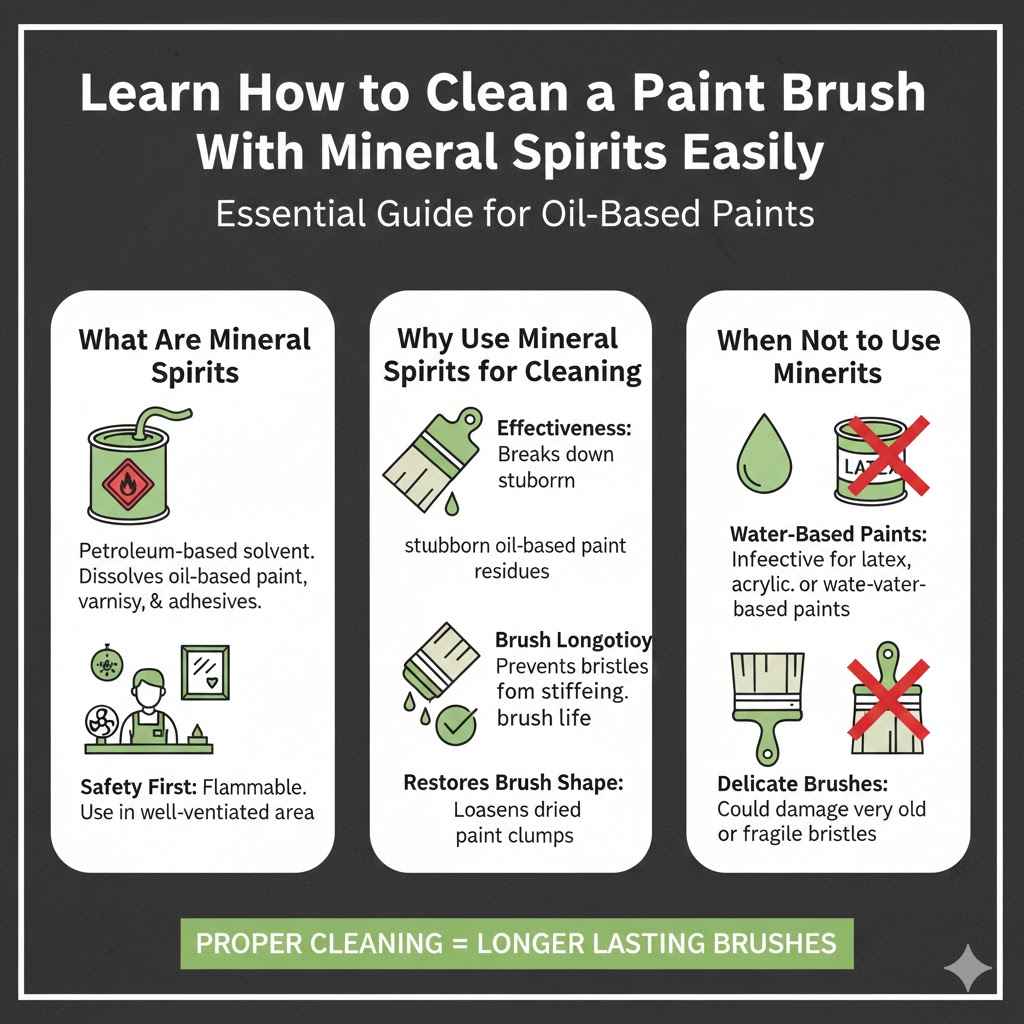
What Are Mineral Spirits
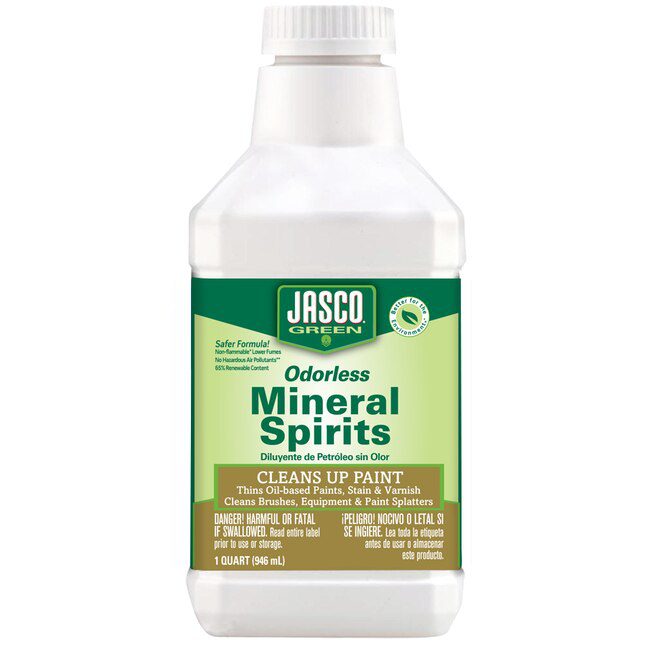
Mineral spirits, also known as paint thinner or white spirit, are a common solvent used in painting. They are petroleum-based distillates that are effective at dissolving oil-based paints, varnishes, and some adhesives. This makes them an essential tool for cleaning brushes, rollers, and other painting equipment that has been used with oil-based products.
The primary function of mineral spirits in cleaning is their ability to break down the binders in oil-based paints. These binders are what make the paint sticky and adhere to surfaces. When mineral spirits come into contact with the paint, they loosen its grip, allowing it to be washed away from the brush bristles.
- Mineral spirits are versatile solvents. They can be used to thin oil-based paints for easier application, which is a key benefit for achieving smooth finishes. They also help in cleaning up paint spills and equipment.
- Safety is important when using mineral spirits. They are flammable liquids and produce vapors that can be harmful if inhaled in large amounts. Proper ventilation and avoiding open flames are crucial safety measures to follow.
- The effectiveness of mineral spirits depends on the type of paint. They work best with oil-based paints, alkyd enamels, and varnishes. For water-based or latex paints, water and soap are usually sufficient for cleaning.
Why Use Mineral Spirits for Cleaning
Using mineral spirits for cleaning paint brushes is often preferred because they are highly effective at breaking down stubborn oil-based paint residues. Unlike water, which can simply spread oil-based paint, mineral spirits actively dissolve it. This ensures a thorough cleaning, which is vital for maintaining the shape and usability of your brushes for future projects.
When paint dries on brush bristles, it can harden them, making the brush stiff and difficult to use. Mineral spirits help to rehydrate and loosen this dried paint, restoring the bristles to their original flexibility. This prolongs the life of your brushes significantly.
- Effectiveness on Oil-Based Paints
Mineral spirits are specifically formulated to dissolve the oil-based components found in many paints and varnishes. This makes them ideal for cleaning up after using oil-based products, ensuring no paint residue remains. - Brush Longevity
By thoroughly removing paint, mineral spirits prevent bristles from becoming stiff and damaged. This helps your brushes last much longer, saving you money and ensuring consistent painting performance over time. - Restoring Brush Shape
Proper cleaning with mineral spirits can help restore the intended shape of your paint brushes. This is because they loosen dried paint that can otherwise warp or clump the bristles together.
When Not to Use Mineral Spirits
It’s important to know that mineral spirits are not a one-size-fits-all cleaning solution. They are primarily for oil-based paints and varnishes. If you have used latex, acrylic, or water-based paints, using mineral spirits would be ineffective and could potentially damage the brush.
For these types of paints, plain water and soap are the correct and much safer choice.
Using mineral spirits on the wrong type of paint is a common beginner mistake. It wastes the solvent and doesn’t clean the brush. Always check the paint can label to confirm its base before deciding on a cleaning method.
- Water-Based Paints
Mineral spirits do not mix with water. Therefore, they cannot effectively dissolve latex, acrylic, or other water-based paints. For these, warm water and a mild soap are the recommended cleaning agents. - Latex and Acrylic Paints
These paints use a different type of binder that is water-soluble. Attempting to clean them with mineral spirits will be unproductive and could leave sticky residues that are harder to remove later with the correct method. - Delicate Brush Materials
While generally safe for most synthetic and natural bristles, very old or exceptionally delicate brushes might be better cleaned with milder solvents or even just soap and water, depending on the paint used. Always test on an inconspicuous area if unsure.
Step-by-Step Guide How to Clean a Paint Brush With Mineral Spirits
This section offers a clear, easy-to-follow guide on how to clean a paint brush with mineral spirits. We’ll break down each step, ensuring that you have all the information needed to effectively clean your tools. This process is designed to be straightforward and achievable for anyone.
Gather Your Supplies
Before you start cleaning, make sure you have everything you need. Having all your supplies ready will make the process smooth and efficient. It prevents interruptions and ensures you can complete the cleaning without any last-minute scrambling for items.
- Paint Brushes You Need To Clean
Gather all the brushes that have been used with oil-based paints. It’s best to clean them as soon as possible after finishing your painting project. - Mineral Spirits
A container of mineral spirits is essential. You can find this at most hardware or paint stores. - Gloves
Wear disposable gloves to protect your skin from the solvent and paint residue. - Old Rags or Paper Towels
These are for wiping excess paint and drying the brush. - A Sealable Container or Jar
This is where you will do the primary cleaning of the brush. An old glass jar or a metal container with a lid works well. - Bucket or Trash Can
For discarding dirty rags and excess paint.
Initial Paint Removal
The first step is to remove as much wet or semi-dry paint from the brush as possible. This makes the actual cleaning with mineral spirits much easier and uses less solvent. Getting rid of the bulk of the paint at this stage is a smart move.
- Wipe Excess Paint
Gently scrape the brush against the rim of the paint can or a piece of cardboard. This removes the majority of the paint clinging to the bristles. Try to get as much paint off as you can without damaging the bristles. - Use an Old Rag
After scraping, wipe the bristles with an old rag or paper towel. Continue wiping until very little paint transfers to the cloth. This pre-cleaning step is crucial for efficient solvent use.
The Cleaning Process
Now it’s time to use the mineral spirits to deeply clean the brush. This is where the magic happens, breaking down the remaining paint. Follow these steps carefully for the best results.
- Pour Mineral Spirits into Container
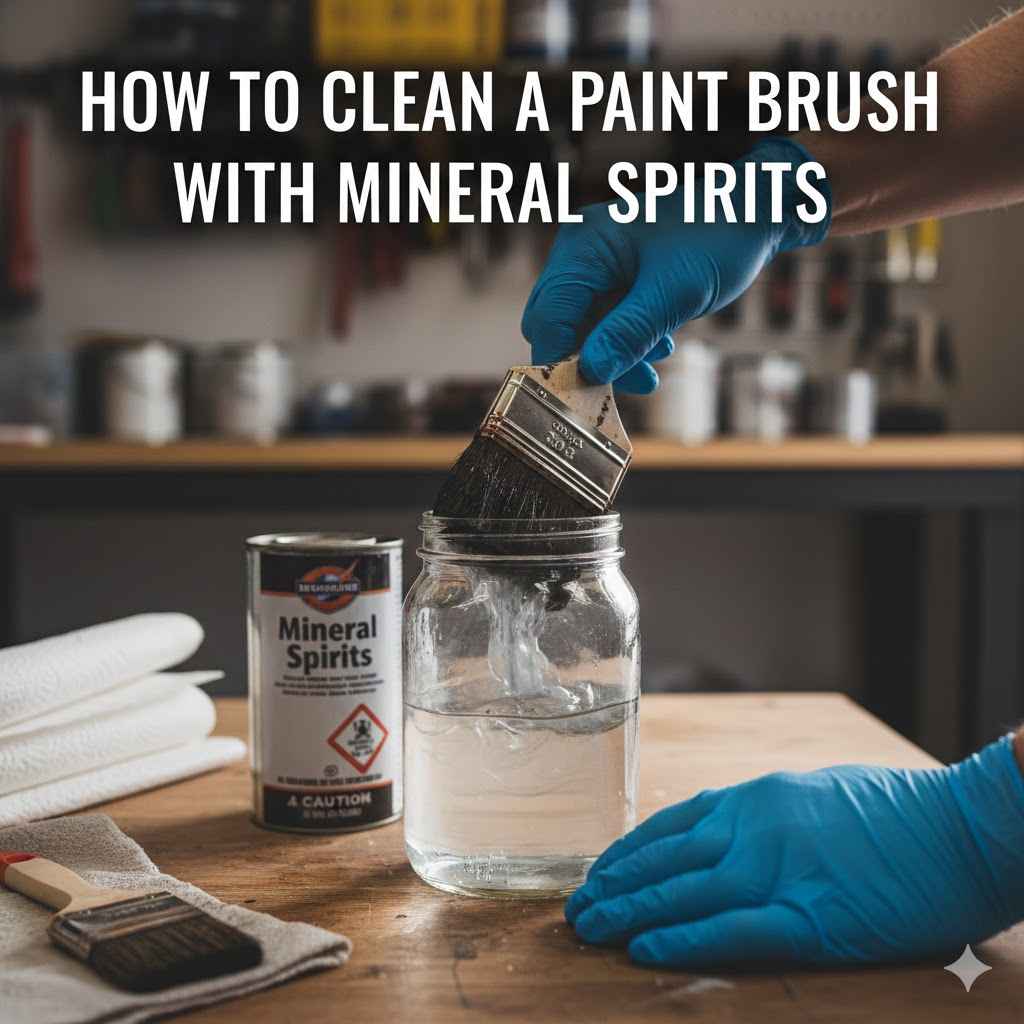
Pour a small amount of mineral spirits into your sealable container or jar. You don’t need a lot; just enough to submerge the bristles of your brush. - Submerge and Agitate
Dip the brush into the mineral spirits, making sure the bristles are fully covered. Swirl the brush gently and work the bristles against the bottom of the container. You will see the paint start to dissolve and color the mineral spirits. - Rinse and Repeat
Lift the brush out and wipe off the excess colored mineral spirits with a clean rag. Dip the brush back into the fresh mineral spirits and repeat the swirling and wiping process. Continue this until the mineral spirits in the container remain clear.
Final Wash and Drying
Once the mineral spirits are running clear, it’s time for the final wash and drying. This ensures all traces of solvent and paint are gone, leaving your brush ready for its next use. Proper drying is key to preventing mold and maintaining bristle integrity.
- Wash with Soap and Water
After the mineral spirits cleaning, wash the brush with warm water and a mild soap or brush cleaner. This removes any remaining solvent and any loosened paint particles. Work the soap into the bristles thoroughly. - Rinse Thoroughly
Rinse the brush under running water until all soap residue is gone. Squeeze out excess water gently. - Reshape and Dry
Gently reshape the bristles into their original form. Hang the brush bristles-down or lay it flat on a surface to dry completely. Avoid standing brushes upright on their bristles, as this can damage them.
Tips for Better Brush Cleaning
This section offers extra advice to help you achieve even better results when cleaning your paint brushes with mineral spirits. These tips go beyond the basic steps and can help you save time and improve the longevity of your tools. Small adjustments can make a big difference.
Maintain Your Brushes
Taking good care of your brushes means they perform better and last longer. Regular cleaning and proper storage are key to this. Your brushes are an investment, and treating them well will pay off in your painting projects.
- Clean Promptly
The sooner you clean your brushes after painting, the easier the process will be. Dried paint is much harder to remove than wet paint. Letting paint sit on bristles can permanently damage them. - Use the Right Solvent
Always confirm you are using the correct solvent for your paint type. Mineral spirits are for oil-based paints, while water is for water-based paints. Using the wrong solvent is ineffective and can harm your brushes. - Proper Storage
After cleaning and drying, store your brushes with the bristles facing upwards or laid flat. This prevents them from bending or losing their shape. Some people also use brush guards or plastic bags to protect the bristles.
When to Replace a Brush
Even with the best care, brushes don’t last forever. Knowing when it’s time to get a new one ensures you don’t compromise the quality of your painting. A worn-out brush can lead to an uneven finish and frustration.
- Frayed or Bent Bristles
If the bristles are permanently bent, frayed, or splayed out, the brush has lost its effective shape. This makes it difficult to apply paint smoothly and evenly. - Stubborn Residue
If you’ve tried cleaning multiple times and still can’t get all the paint out, it might be time for a replacement. This is especially true if the paint has hardened into the bristles. - Bristles Falling Out
If bristles are consistently falling out onto your painting surface, the brush is no longer reliable. This can be caused by age, improper cleaning, or damage to the ferrule (the metal part holding the bristles).
Disposing of Used Mineral Spirits
Proper disposal of used mineral spirits is crucial for environmental safety. You cannot simply pour them down the drain or into the regular trash. There are specific ways to handle this waste responsibly.
- Let It Settle
Pour the used mineral spirits into a sealable container. Allow it to sit undisturbed for several days. The paint particles will settle to the bottom, leaving clearer solvent above. - Carefully Pour Off Clear Solvent
Once settled, carefully pour the clearer mineral spirits into a new, clean container for potential reuse. Avoid disturbing the settled paint sludge at the bottom. - Dispose of Sludge Responsibly
The settled paint sludge and the remaining murky solvent should be disposed of as hazardous waste. Check with your local waste disposal services for guidelines on how to properly handle and dispose of paint-related chemicals in your area. Do not pour it into storm drains or onto the ground.
Troubleshooting Common Issues
Even with clear instructions, you might run into a few snags when learning how to clean a paint brush with mineral spirits. This section addresses some common problems and offers simple solutions to get you back on track. Don’t let a small issue stop your progress.
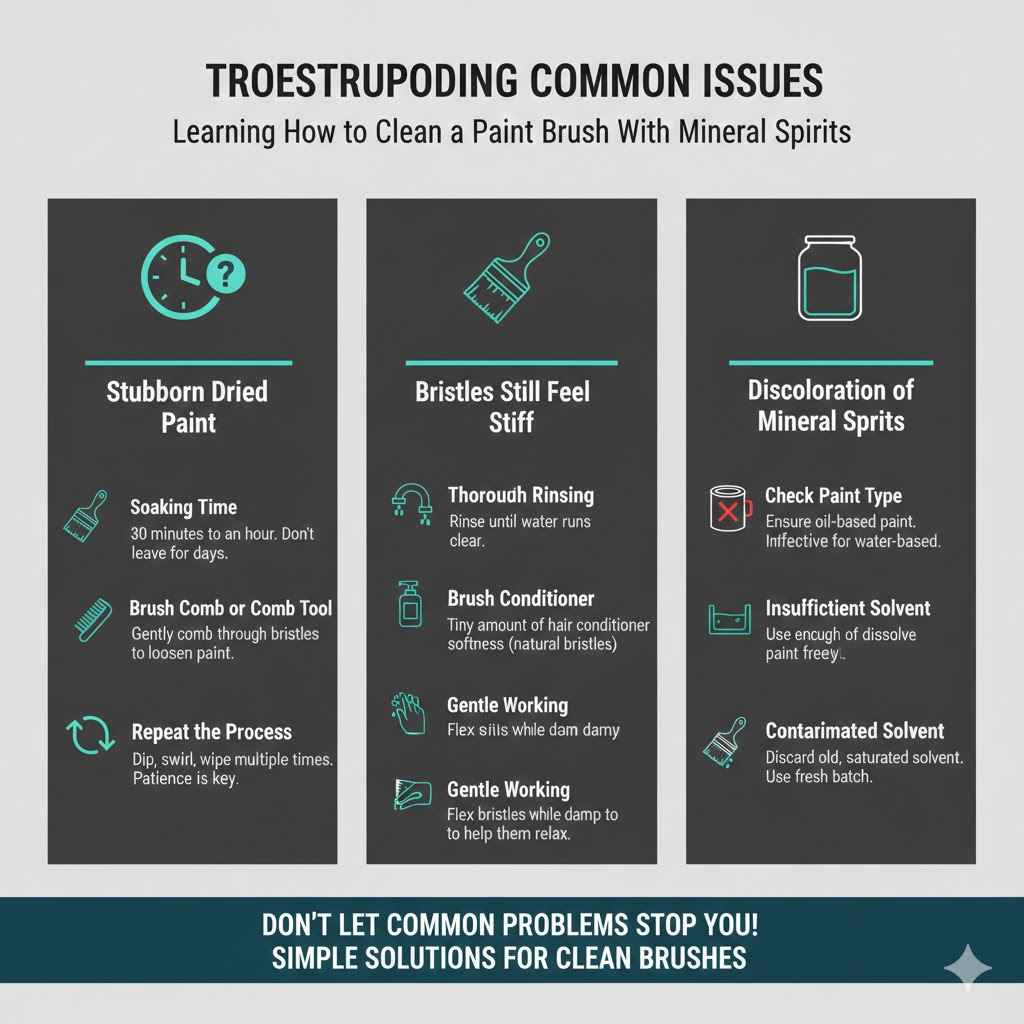
Stubborn Dried Paint
Sometimes, paint can dry on brushes more stubbornly than expected. This can happen if the paint was left for too long or if it’s a particularly tough formula. You might need a bit more effort or a slightly different approach.
- Soaking Time
If paint is extremely dry and hardened, you might need to let the brush soak in the mineral spirits for a longer period. Aim for 30 minutes to an hour, but keep an eye on it. Do not leave it soaking for days as it can damage the bristles. - Brush Comb or Comb Tool
A stiff brush comb or a regular metal comb can be used gently after soaking. Carefully comb through the bristles to help loosen and remove the dried paint. Work from the ferrule down to the tip of the bristles. - Repeat the Process
Sometimes, stubborn paint just needs multiple cleaning cycles. Don’t be afraid to repeat the dipping, swirling, and wiping process several times. Patience is key when dealing with very dry paint.
Bristles Still Feel Stiff
Even after cleaning, your brush might still feel a bit stiff. This usually means some paint or solvent residue is still lingering deep within the bristles. A thorough rinse and conditioning can help.
- Thorough Rinsing
Ensure you are rinsing the brush extremely well after the soap wash. Sometimes, soap residue can make bristles feel stiff or gummy. Rinse until the water runs completely clear and the brush feels “squeaky clean.” - Brush Conditioner
For a bit of extra conditioning, especially for natural bristle brushes, you can use a tiny amount of hair conditioner or a specialized brush conditioner after the soap wash. Work it into the bristles and then rinse it out completely. This can help restore softness and flexibility. - Gentle Working
After rinsing, gently work the bristles with your fingers to help loosen any remaining stiffness. You can also try flexing the bristles gently while they are damp to encourage them to relax.
Discoloration of Mineral Spirits
It’s normal for mineral spirits to become discolored as they pick up paint. However, if the discoloration is very dark or if the mineral spirits don’t seem to be clearing up after several rinses, it might indicate a problem.
- Check Paint Type
Reconfirm the type of paint used. If you accidentally used a water-based paint and tried to clean it with mineral spirits, the solvent won’t work and will just get dirty without effectively cleaning. - Insufficient Solvent
Ensure you are using enough mineral spirits to allow the paint to dissolve freely. If the solvent level is too low, it can become saturated with paint quickly and stop working effectively. - Contaminated Solvent
If you have reused the mineral spirits many times, they may have become too saturated with paint residue. In such cases, it’s best to discard the old solvent and start with a fresh batch for optimal cleaning.
Frequently Asked Questions
Question: Can I use rubbing alcohol to clean paint brushes with mineral spirits
Answer: Rubbing alcohol is not a substitute for mineral spirits when cleaning oil-based paints. Mineral spirits are specifically designed to dissolve oil-based paint binders, while rubbing alcohol has different solvent properties and may not be effective for this purpose. It is best to stick to mineral spirits for oil-based paints and soap and water for water-based paints.
Question: How often should I clean my paint brushes
Answer: You should clean your paint brushes immediately after each use, especially if you have used oil-based paints. For water-based paints, cleaning with water and soap after each use is also recommended. Regular and prompt cleaning prevents paint from drying and hardening on the bristles, ensuring the brush remains in good condition.
Question: Can mineral spirits be reused
Answer: Yes, mineral spirits can be reused after the paint residue has settled to the bottom of the container. You can carefully pour off the clearer solvent into a new container for future use. However, they will eventually become saturated and will need to be properly disposed of as hazardous waste.
Question: What happens if I don’t clean my paint brushes
Answer: If you don’t clean your paint brushes, the paint will dry and harden on the bristles. This will make the brush stiff, unusable, and permanently damage its shape and effectiveness. The bristles may become splayed or fall out, rendering the brush useless for future painting projects.
Question: Are there alternatives to mineral spirits for cleaning paint brushes
Answer: For oil-based paints, there are other solvents like turpentine or specialized brush cleaners that can be used. However, for water-based paints, warm water and mild soap are the best alternatives. Always check the paint manufacturer’s recommendations for the most suitable cleaning method.
Conclusion
Effectively cleaning your paint brushes with mineral spirits is simple when you follow the right steps. This guide shows you how to tackle oil-based paint residue and keep your brushes in great shape. Remember to always clean promptly and use the right supplies.