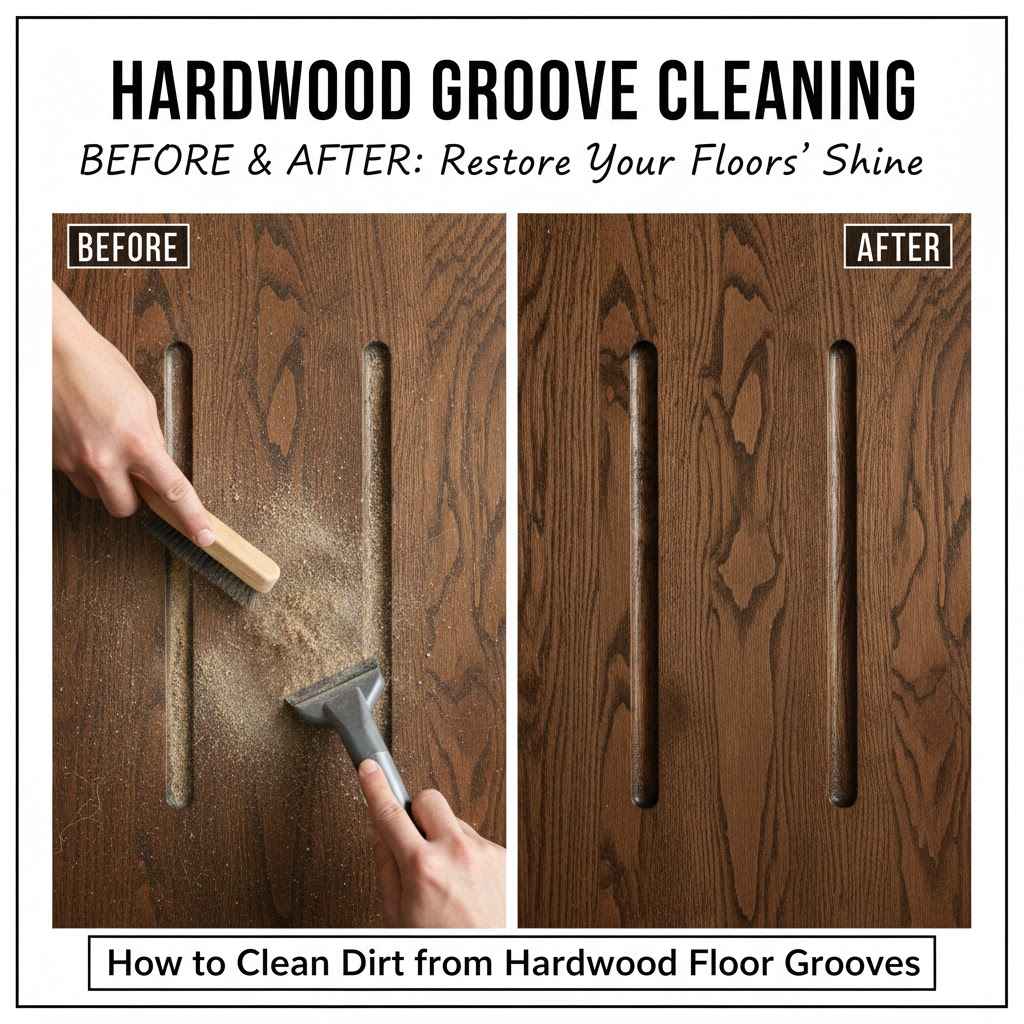
How to Clean Dirt from Hardwood Floor Grooves
Cleaning hardwood floors can be a bit tricky sometimes. Many people find it hard to get all the gunk out of the little lines, or grooves, that are part of the wood. This is especially true for folks just starting out with wood floor care.
Don’t worry! It’s not as tough as it looks. We’ll walk you through it step-by-step.
Get ready to see your floors shine again.
Getting Dirt Out Of Hardwood Floor Grooves
This section will show you the basic, easy ways to tackle dirt and grime that hides in the grooves of your hardwood floors. We will go over the tools you need and the simplest cleaning methods. You will learn how to keep your floors looking great with little effort.
This is the best place to start for a fresh, clean floor.
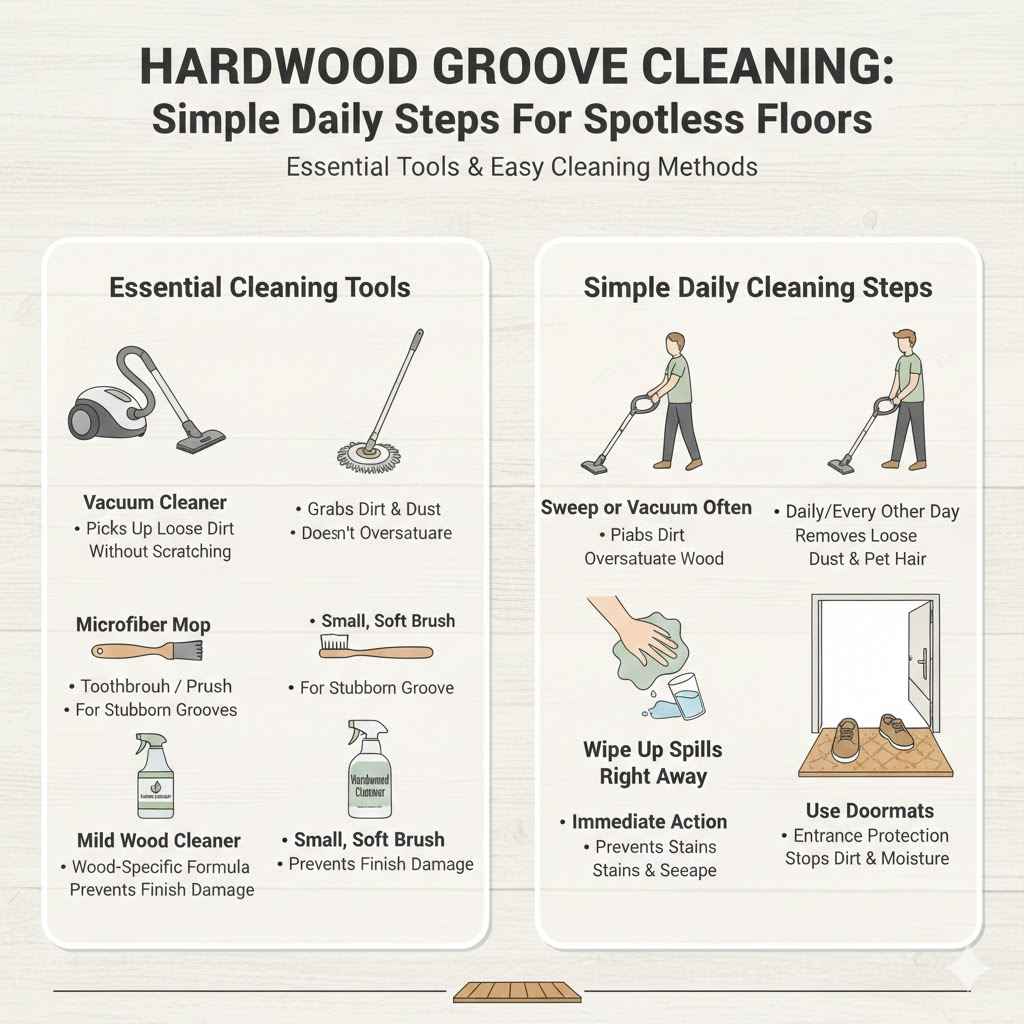
Essential Cleaning Tools
To do a good job cleaning your hardwood floor grooves, you’ll want a few key items. Having the right tools makes the job much easier and faster. They help you reach into those tight spots where dirt likes to hide.
Let’s look at what you’ll need.
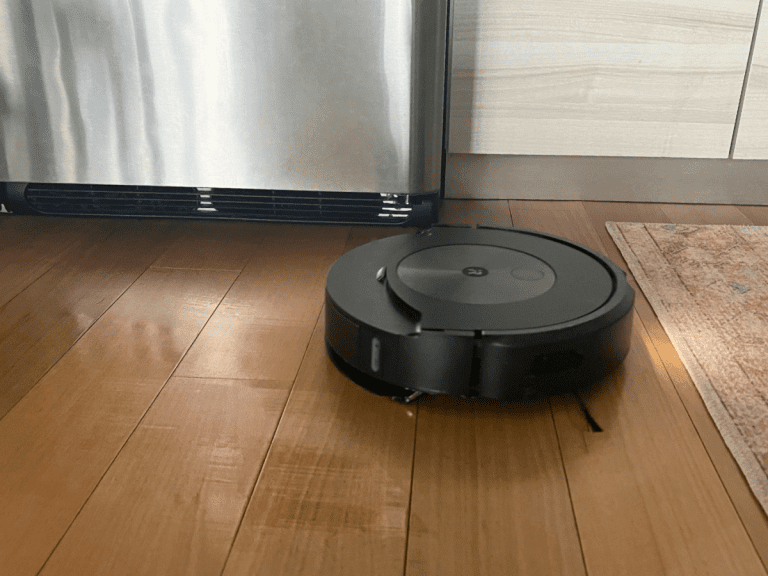
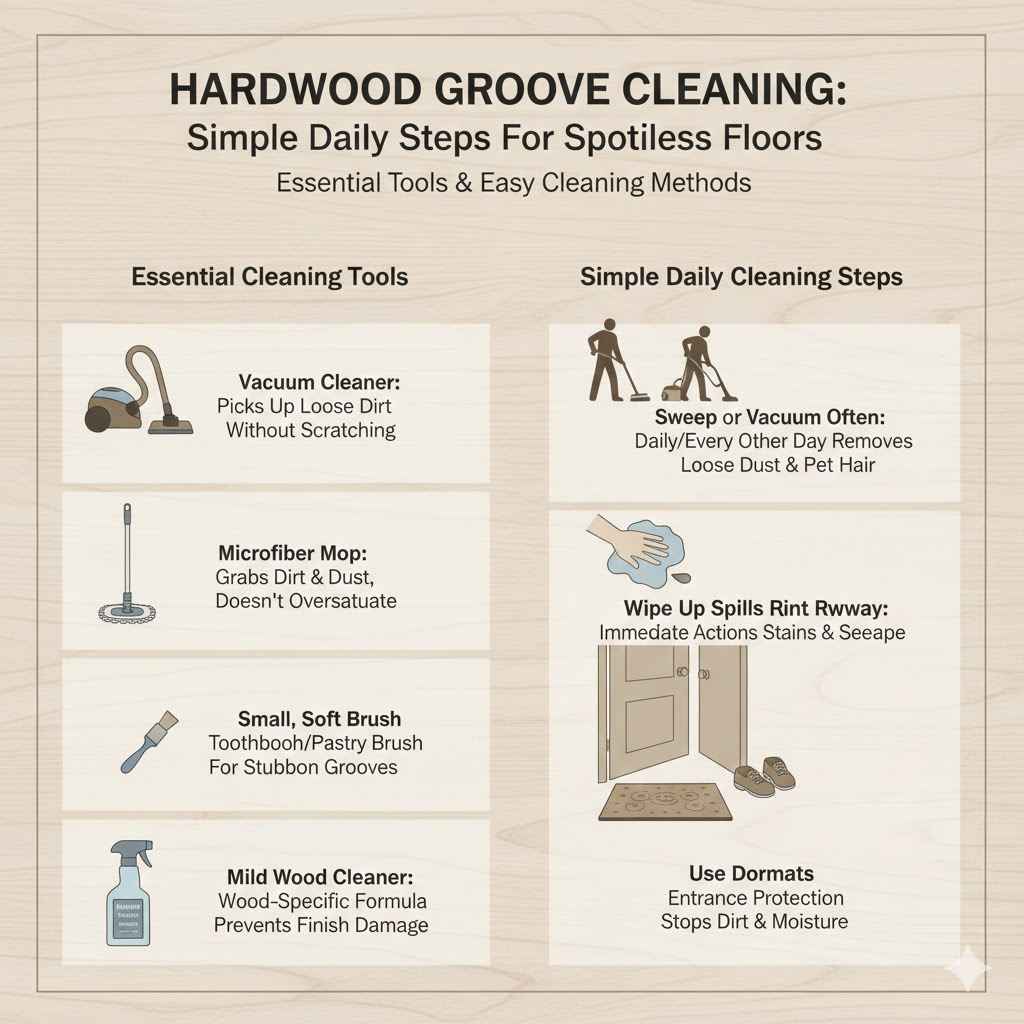
- A good quality vacuum cleaner. Make sure it has a special brush attachment that is made for bare floors. This attachment helps pick up loose dirt without scratching the wood. It can also get into the edges of the grooves.
- A microfiber mop. Microfiber is great because it grabs onto dirt and dust really well. It also doesn’t leave too much water on the floor, which is important for wood.
- A small, soft-bristled brush. A toothbrush or a pastry brush can work perfectly. This is your secret weapon for getting into those really stubborn grooves.
- A mild hardwood floor cleaner. Always use a cleaner made specifically for wood floors. Harsh chemicals can damage the finish over time. Follow the cleaner’s instructions for diluting if needed.
Simple Daily Cleaning Steps
Keeping up with your hardwood floors daily is the easiest way to prevent dirt from building up. Small habits can make a big difference in how clean your floors stay and how often you need to do a deeper clean.
- Sweep or vacuum often. Make it a habit to sweep or vacuum your hardwood floors every day or every other day. This picks up loose dust, crumbs, and pet hair before they can get ground into the grooves. Use the soft brush attachment on your vacuum to get into the lines.
- Wipe up spills right away. If you spill something, grab a soft cloth and wipe it up immediately. Letting spills sit can cause stains or damage to the wood finish, and liquids can seep into the grooves.
- Use doormats. Place mats at all entrances to your home. This is a simple step that stops a lot of dirt, sand, and moisture from being tracked onto your wood floors in the first place.
Deep Cleaning Hardwood Floor Grooves
Sometimes, daily cleaning isn’t enough. Dirt can still get packed into those tricky grooves, making your floors look dull. This section is all about how to give your hardwood floors a thorough cleaning to get them looking like new.
We will cover how to really get into those grooves and lift out the stubborn grime.
The Best Methods for Tackling Stubborn Grooves
When everyday sweeping and mopping just won’t cut it, it’s time for a deeper clean. These methods are designed to target the dirt that gets stuck deep within the wood’s grooves. They use gentle but effective techniques to lift out grime without harming your floor’s finish.
- Spot cleaning with a brush. For areas with really packed-in dirt, use your soft-bristled brush. Dip the brush lightly into your mild hardwood cleaner (or a mixture of water and a tiny bit of dish soap, if recommended by your cleaner manufacturer). Gently scrub back and forth along the grooves. Wipe up the loosened dirt with a clean, damp cloth.
- Using a damp microfiber mop. After spot cleaning or general sweeping, use a damp microfiber mop. Wring out the mop so it’s barely wet. Glide it along the direction of the wood planks, focusing on pressing into the grooves. This will pick up any remaining dirt and cleaner residue.
- The baking soda trick for tough spots. For very stubborn, dark grime, you can try a paste of baking soda and water. Mix a small amount of baking soda with just enough water to make a paste. Apply a tiny bit to the dirty groove with your soft brush. Let it sit for a minute, then gently scrub and wipe clean with a damp cloth. Always test this in an inconspicuous spot first.
Understanding Hardwood Floor Finishes
The type of finish on your hardwood floors plays a big role in how you should clean them. Different finishes react differently to cleaning products and methods. Knowing your finish helps you avoid damaging your floors.
Polyurethane or Urethane Finishes
Most modern hardwood floors have a polyurethane or urethane finish. This is a durable, plastic-like coating that sits on top of the wood. It’s designed to protect the wood from spills, wear, and moisture.
These finishes are generally easier to clean because the dirt sits on the surface of the coating, not directly on the wood.
- Cleaning Polyurethane Floors: For these floors, you want to use pH-neutral cleaners. Avoid abrasive cleaners or harsh chemicals like ammonia or bleach. Always use a damp mop, never a soaking wet one, as excess water can seep between the planks and cause damage. Regular sweeping and vacuuming with a floor brush attachment are key.
- What to Avoid: Never use vinegar on polyurethane finishes. While some people recommend it for other surfaces, vinegar is acidic and can dull or damage the protective coating over time. Also, avoid steam mops. The heat and moisture can break down the finish and warp the wood.
Penetrating or Wax Finishes
Older homes might have hardwood floors with penetrating finishes, like oil or wax. These finishes soak into the wood itself, rather than forming a protective layer on top. They give a more natural, matte look but are less resistant to stains and moisture.
Cleaning these floors requires more care.
- Cleaning Waxed Floors: For waxed floors, the best approach is often a dry mop or a very lightly dampened mop. You can also use specialized wax cleaners. Never use water or liquid cleaners liberally, as they can dissolve the wax and damage the wood. Re-waxing periodically is necessary to maintain protection.
- Cleaning Oil-Treated Floors: Similar to waxed floors, oil-treated floors need gentle care. Use cleaners specifically designed for oiled wood floors. Avoid water saturation. Periodic re-oiling is often needed to refresh the wood’s look and protection.
Common Mistakes to Avoid
Even with the best intentions, some cleaning habits can actually harm your hardwood floors. Knowing these common mistakes can help you protect your investment and keep your floors looking beautiful for years to come.
- Using too much water. This is a big one. Wood and water don’t mix well. Excess water can seep into the planks, causing them to swell, warp, or even rot. It can also damage the finish, leaving white spots or dull patches. Always use a well-wrung-out mop.
- Using the wrong cleaning products. Harsh chemicals like ammonia, bleach, or abrasive cleaners can strip the finish off your floors. Even certain natural cleaners, like undiluted vinegar, can be too acidic for some finishes and cause damage. Stick to cleaners specifically designed for hardwood floors.
- Scrubbing too hard. While you need to apply some pressure to get into grooves, don’t scrub with excessive force, especially with a stiff brush. This can scratch the finish or even the wood itself. Always use soft brushes and gentle motions.
- Skipping the mats. Not using doormats at entrances is a missed opportunity. Mats trap dirt, sand, and moisture that would otherwise be tracked onto your floors. This abrasive dirt can scratch the finish and wear down the wood over time, especially in the grooves.
Maintaining Clean Hardwood Grooves Long-Term
Keeping your hardwood floors clean, especially the grooves, isn’t just about deep cleaning now and then. It’s about consistent care. This part will give you tips for making sure your floors stay clean and beautiful day after day.
These practices help prevent dirt from ever becoming a big problem.
Preventative Measures for Cleaner Grooves
The best way to deal with dirt in hardwood floor grooves is to stop it from getting there in the first place. A few simple habits can make a huge difference in how much time you spend cleaning.
- Invest in high-quality doormats. Place durable mats both outside and inside every door that leads to your hardwood floors. These mats catch a significant amount of dirt, grit, and moisture. This prevents it from being tracked across your floors and into the grooves. Look for mats made of materials that can trap fine particles effectively.
- Implement a no-shoes policy. Ask everyone in your household and any guests to remove their shoes before walking on the hardwood floors. Shoes, especially those worn outside, carry dirt, small stones, and other debris that can easily get lodged in the floor’s grooves. This is a very effective way to reduce wear and tear.
- Groom pets regularly. If you have pets, regular grooming can help reduce the amount of hair and dander that ends up on your floors. Pet hair tends to cling to wood surfaces and can get caught in the grooves, making them look dirty. Brushing your pets often also helps keep their nails trimmed, which can prevent scratches on the floor.
Regular Care Schedule Example
Having a routine for your hardwood floor cleaning can make the task feel less overwhelming. Here’s a sample schedule you can adapt to fit your home and lifestyle. It balances daily upkeep with less frequent, but necessary, deeper cleans.
- Daily (or Every Other Day): Lightly sweep or vacuum with a soft brush attachment. This removes surface dust and debris.
- Weekly: Use a slightly damp microfiber mop to wipe down the floors. Focus on picking up any dirt that settled into the grooves.
- Monthly: Perform a more thorough cleaning, addressing any visible dirt or marks. Use a mild, pH-neutral hardwood floor cleaner if needed. This is also a good time for spot cleaning any stubborn groove dirt with a soft brush.
- Quarterly (or As Needed): Deep clean the entire floor, paying extra attention to the grooves. Check for any areas that might need specific attention based on traffic or spills.
- Annually (or Bi-Annually): Inspect the finish of your floors. Depending on wear and tear, you might consider a recoat or professional cleaning to refresh the protective layer.
Understanding Wood Floor Wear and Tear Statistics
While specific statistics on groove cleaning are hard to find, general wood floor wear and tear data highlight the importance of proper care. For example, studies show that the average household tracks in about 4 pounds of dirt and dust into their home every year.
This means a significant amount of that abrasive material can settle into the natural crevices of hardwood floors. Over time, this can cause micro-scratches and dull the finish. Additionally, data suggests that proper maintenance can extend the life of hardwood flooring by 20-30 years, emphasizing the value of regular and correct cleaning practices, especially in hard-to-reach areas like grooves.
Frequently Asked Questions
Question: How often should I clean the grooves in my hardwood floors?
Answer: For daily upkeep, sweep or vacuum your floors frequently. For deeper cleaning of the grooves, aim for a thorough wipe-down weekly and a more intensive groove clean monthly or as needed.
Question: Can I use a steam mop on my hardwood floors?
Answer: No, it is generally not recommended to use a steam mop on hardwood floors. The heat and moisture can damage the wood and its finish, especially by seeping into the grooves and causing warping or discoloration.
Question: What is the best way to remove dark stains from hardwood floor grooves?
Answer: For dark stains, try a paste made of baking soda and water. Apply it with a soft brush to the stain, let it sit for a minute, gently scrub, and then wipe clean with a damp cloth. Always test this in a small, hidden area first.
Question: Will cleaning the grooves damage my floor finish?
Answer: If you use the right tools and gentle methods, you should not damage your floor finish. Always use soft brushes and mild, pH-neutral cleaners. Avoid scrubbing too hard or using abrasive materials.
Question: My floors are old, can I still clean the grooves effectively?
Answer: Yes, even older hardwood floors can have their grooves cleaned effectively. Be sure to identify your floor’s finish type first. Older finishes might require even gentler methods or specialized products to avoid damage.
Summary
Cleaning dirt from hardwood floor grooves is manageable with the right approach. Start with daily sweeping and a good vacuum with a soft brush. For tougher grime, use a soft brush and a mild wood cleaner, then follow with a damp microfiber mop.
Always avoid excess water and harsh chemicals. Regular maintenance, like using doormats and a no-shoes policy, prevents dirt buildup. Stick to these simple steps for beautiful, clean hardwood floors.