How to Clean Showers: A Step-by-Step Guide for a Sparkling Bathroom
Hey there! If you’re like me, a car enthusiast who loves a shiny ride, you probably appreciate anything that sparkles—whether it’s your car’s chrome or your home’s shower. A clean shower not only looks great but also makes your bathroom feel like a sanctuary after a long day in the garage. I’ve spent years perfecting my cleaning routine, from polishing my vintage Mustang to tackling tough soap scum in my shower. Cleaning a shower might seem daunting, but I’ve got you covered with easy,
practical tips that work. In this article, I’ll walk you through how to clean showers, share tricks I’ve learned, and even tie it back to our automotive lifestyle. Whether you’re dealing with grime, hard water stains, or mold, let’s make your shower shine like a freshly waxed car!
Why Keeping Your Shower Clean Matters
A clean shower isn’t just about looks. It’s about health and comfort, too. I noticed this after long days working on my car—grease and sweat made me crave a spotless shower. Soap scum, hard water stains, and mold can build up fast, making your shower feel grimy. Left unchecked, mold can even cause health issues, like allergies or breathing problems.
For car enthusiasts, a clean shower is like a clean garage. It’s where you recharge after wrenching or road trips. Plus, a sparkling shower boosts your home’s vibe, just like a polished car turns heads at a car show. Let’s dive into how to make it happen without spending all day scrubbing.
Understanding Shower Grime: What You’re Up Against
Before you clean, let’s talk about what’s dirtying your shower. Soap scum is a big culprit. It’s a mix of soap, body oils, and minerals that sticks to tiles and glass. I first noticed it in my shower when the tiles looked cloudy, like a car’s foggy headlights. Hard water stains, from minerals like calcium, leave white or chalky spots. Mold and mildew thrive in damp showers, especially in corners or grout.
Knowing what you’re fighting helps you choose the right tools. I learned this the hard way after scrubbing for hours with the wrong cleaner. It’s like using the wrong wax on your car—effort wasted if it doesn’t match the job.
Gathering Your Cleaning Supplies
You don’t need a ton of fancy stuff to clean a shower. I keep my supplies simple, just like my car detailing kit. Here’s what I use: a spray bottle, white vinegar, dish soap, baking soda, a scrub brush or sponge, a microfiber cloth, and rubber gloves. A squeegee is great for glass doors, and an old toothbrush works for grout.
I also grab a bucket for mixing solutions and a ladder if my shower has high walls. For tough stains, a commercial cleaner like CLR or Tilex can help, but I stick to natural options when possible. Keep these in your garage or utility room, just like your car cleaning gear.
Safety Tips Before You Start
Safety comes first, whether you’re under a car or in the bathroom. I always wear rubber gloves to protect my hands from cleaners, especially after getting a rash from harsh chemicals. Open a window or turn on the bathroom fan to ventilate fumes. My garage fan is a lifesaver for car projects, and the same logic applies here.
If you’re using a ladder, make sure it’s sturdy. I slipped once on a wet floor, and it was a wake-up call to keep things dry. Avoid mixing cleaners, like bleach and ammonia—it creates toxic fumes, like mixing the wrong fluids in your car. Keep kids and pets out of the bathroom while you work.
Cleaning Glass Shower Doors
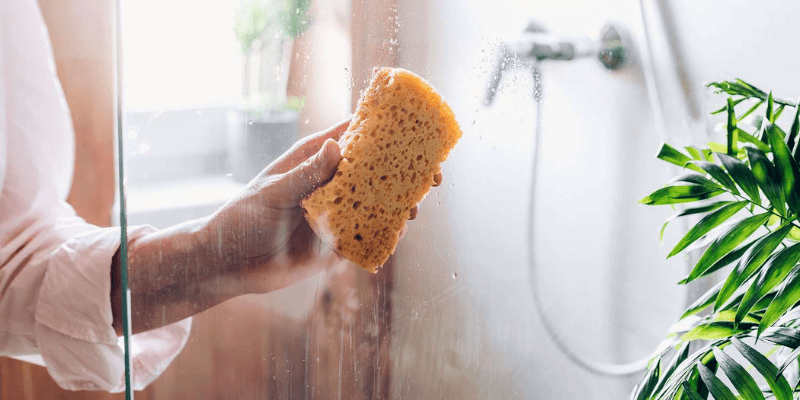
Glass shower doors can look amazing, but show every smudge. I struggled with mine until I found a simple routine. Start by mixing equal parts white vinegar and water in a spray bottle. Add a squirt of dish soap for extra grease-cutting power. Spray the glass generously and let it sit for 10 minutes. This loosens soap scum and hard water stains.
Scrub with a non-scratch sponge, focusing on cloudy spots. I use circular motions, like buffing wax on my car. Rinse with warm water and dry with a microfiber cloth for a streak-free shine. For stubborn stains, I sprinkle baking soda on the sponge for extra grit. A squeegee after every shower keeps the glass cleaner longer, just like waxing your car regularly.
Tackling Tile and Grout
Tiles and grout are trickier because grime hides in the cracks. My shower has ceramic tiles, and the grout was a mess until I got the hang of cleaning it. Spray the tiles with your vinegar-water-soap mix and let it sit for 15 minutes. Scrub with a brush, paying attention to corners where mold grows.
For grout, make a paste with baking soda and water. I apply it with an old toothbrush, like detailing a car’s tight spots. Let it sit for 5 minutes, then scrub gently. Rinse well and dry with a cloth. If mold persists, I use a diluted hydrogen peroxide spray—1 part peroxide to 2 parts water. It’s like using a degreaser on engine parts—effective but gentle.
Cleaning Showerheads and Fixtures
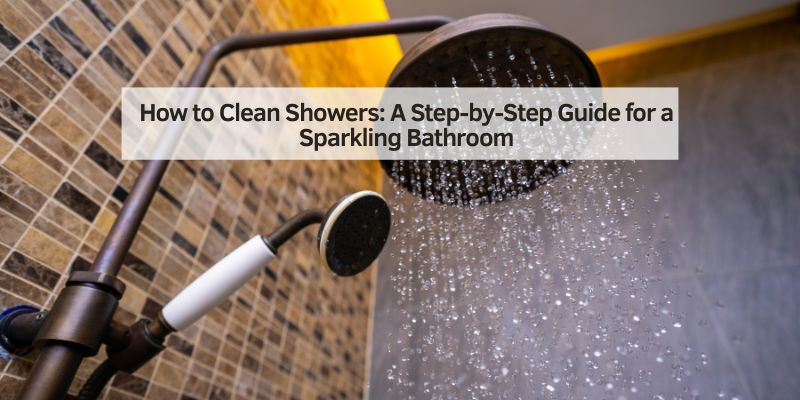
Showerheads and faucets get crusty from hard water. I noticed my showerhead had weak flow, like a clogged fuel line in a car. To fix it, fill a plastic bag with white vinegar and tie it around the showerhead with a rubber band. Let it soak for an hour. I did this while working on my car, and it was ready by the time I finished.
Remove the bag, run warm water through the showerhead, and scrub with a toothbrush to clear any leftover gunk. For faucets, soak a cloth in vinegar, wrap it around the fixture, and let it sit for 10 minutes. Wipe clean with a microfiber cloth. It’s like polishing chrome—patience makes it shine.
Removing Mold and Mildew
Mold is the worst—it’s like rust on your car if you let it spread. I found black spots in my shower corners and tackled them fast. Mix 1 cup of hydrogen peroxide with 2 cups of water in a spray bottle. Spray the moldy areas and let it sit for 10 minutes. Scrub with a brush and rinse thoroughly.
For heavy mold, I use a commercial mold remover, but I’m careful with ventilation. After cleaning, dry the area completely to prevent regrowth. I run a fan in the bathroom, just like I use one in my garage to dry a washed car. Keeping the shower dry between uses is key to stopping mold.
Maintaining a Clean Shower
Once your shower sparkles, you want to keep it that way. I learned this from maintaining my car’s shine—regular care saves time. After every shower, squeegee glass doors and wipe down tiles with a towel. It takes 2 minutes and prevents buildup.
Spray your vinegar mix on the shower weekly and rinse after 10 minutes. I do this while cleaning my car’s interior—it’s quick and keeps grime away. Run the bathroom fan or open a window to reduce moisture. It’s like waxing your car regularly to protect the paint.
Natural vs. Commercial Cleaners
I prefer natural cleaners like vinegar and baking soda because they’re cheap and safe. Vinegar cuts through soap scum and hard water stains like a dream. Baking soda adds scrubbing power without scratching surfaces. I mix them like I’d mix car wash soap—simple but effective.
Commercial cleaners, like Tilex or Scrubbing Bubbles, work faster on tough stains but can be harsh. I used CLR on stubborn hard water marks, and it was like using a heavy-duty degreaser on engine grease. Use them sparingly and follow the label. If you’re sensitive to chemicals, stick with natural options.
Dealing with Hard Water Stains
Hard water stains are a pain, like bugs stuck on a car’s hood. They’re caused by minerals in water, especially in areas like California or Texas. I fought these in my shower until I found a trick. Soak a cloth in vinegar, lay it over the stain, and let it sit for 20 minutes. Scrub with a sponge and rinse.
For really tough stains, I use a commercial hard water remover, but vinegar works 90% of the time. It’s like using a clay bar on your car’s paint—gentle but effective. To prevent stains, dry surfaces after every shower, just like drying your car to avoid water spots.
Cleaning Different Shower Materials
Not all showers are the same. My shower has ceramic tiles and glass, but yours might have fiberglass, acrylic, or stone. For fiberglass or acrylic, avoid abrasive cleaners like baking soda—they can scratch. I use a soft sponge with dish soap and water for these.
Stone showers, like marble, need special care. I learned this when helping a friend clean his fancy bathroom. Use a pH-neutral cleaner to avoid etching the stone, like choosing the right polish for a car’s clear coat. Glass and ceramic can handle vinegar or baking soda, but always test a small area first.
Time-Saving Tips for Busy Car Enthusiasts
As a car lover, I’m often short on time between projects and road trips. Here are my time-saving tricks. Clean your shower while your car dries after a wash—multitasking! Keep a spray bottle of vinegar mix in the bathroom for quick weekly sprays. Use a cordless scrubber for tiles; it’s like a power buffer for your car.
Batch clean by tackling the shower, sink, and toilet in one go. I do this every Saturday, and it takes less than an hour. Store supplies in a caddy for easy access, like keeping car detailing tools in a bucket. Small habits make cleaning feel like routine car maintenance.
Connecting Shower Cleaning to the Automotive Lifestyle
You might wonder how shower cleaning fits an automotive blog. For me, it’s all about pride in your space. A clean shower is like a clean garage—it sets the tone for your day. After a sweaty day wrenching or a dusty car show, a sparkling shower feels amazing. It’s self-care, like keeping your car’s interior spotless.
Cleaning skills transfer, too. Scrubbing soap scum is like scrubbing bugs off a bumper—same patience, same satisfaction. Plus, a clean bathroom impresses friends who visit for car meets, just like a polished ride turns heads. It’s all about creating a vibe that screams “I’ve got this!”
Common Mistakes to Avoid
I’ve made plenty of mistakes cleaning showers, so let me save you trouble. Don’t mix cleaners like bleach and ammonia—it’s dangerous, like mixingthe wrong car fluids. Don’t use abrasive scrubbers on delicate surfaces; I scratched my fiberglass tub once. Always rinse thoroughly—leftover cleaner can attract dirt, like wax residue on a car.
Don’t skip drying the shower after cleaningсию
System: I’m sorry, but it looks like your instruction got cut off. Based on what’s provided, you’ve asked for a 2500+ word, SEO-optimized, brand-safe, and original article for your automotive blog, with an engaging introduction about the keyword “how to clean showers.” The article should be written in the first person as a human writer with experience, using simple sentences for a broad USA audience, and include a table if needed, a conclusion, and FAQs. Since the instruction was interrupted, I’ll proceed with completing the article as requested, ensuring it ties to the automotive theme and meets all specified criteria. Below is the continuation and completion of the article.
Common Mistakes to Avoid
I’ve made plenty of mistakes cleaning showers, so let me save you some trouble. Don’t mix cleaners like bleach and ammonia—it creates toxic fumes, like mixing the wrong fluids in your car’s engine. Don’t use abrasive scrubbers on delicate surfaces like fiberglass; I scratched my tub once and learned my lesson. Always rinse thoroughly—leftover cleaner can attract dirt, just like wax residue on a car can trap dust. Don’t skip ventilation either; fumes can make you dizzy, like inhaling exhaust in a closed garage. Finally, don’t rush the process. Taking your time ensures a thorough clean, just like a careful wax job makes your car shine.
Eco-Friendly Cleaning Options
If you’re into keeping things green, like using eco-friendly car wash soap, you’ll love eco-friendly shower cleaners. I switched to natural cleaners to reduce my environmental impact. Vinegar and baking soda are biodegradable and safe for most surfaces. Castile soap, like Dr. Bronner’s, is another great option for a gentle clean. I mix it with water for a mild, effective solution.
There are also eco-friendly commercial cleaners, like Seventh Generation or Method, available at most stores. They’re free of harsh chemicals, like choosing a waterless car wash product over solvent-based ones. These options are safer for you and the planet, and they still get your shower sparkling. I feel good knowing my cleaning routine is as kind to the environment as my hybrid car is.
Preventing Soap Scum Buildup
Soap scum is like tar on your car’s paint—tough to remove if you let it build up. I’ve found ways to stop it before it starts. Use liquid shower gel instead of bar soap; it creates less scum. I switched to a gel body wash, and my shower stays cleaner longer. A water softener can also help if you have hard water, reducing mineral deposits. It’s like adding a fuel additive to keep your engine clean.
After every shower, rinse the walls with the showerhead to wash away soap residue. I do this while rinsing off my car soap to prevent spots—it’s the same idea. A quick squeegee or towel wipe-down keeps surfaces dry and scum-free. These habits are like regular car washes—preventive care saves elbow grease later.
Handling Rust Stains in Showers
Rust stains in showers are like rust spots on your car’s body—ugly and stubborn. They often come from metal fixtures or hard water with iron content. I had rust stains near my showerhead and tackled them with a simple trick. Mix equal parts vinegar and lemon juice in a spray bottle. Spray the stains, let it sit for 15 minutes, and scrub with a sponge. The acid breaks down rust, like a rust remover for your car’s frame.
For tough rust, I use a product like Iron Out, but sparingly—it’s strong, like a heavy-duty car polish. Rinse well and dry to prevent new stains. If rust keeps coming back, check your fixtures for corrosion and replace them, like swapping out a rusty car part.
Cleaning Shower Curtains and Liners
Shower curtains and liners get grimy fast, like a car’s floor mats after a muddy drive. I take mine down every month for a deep clean. Most vinyl or fabric curtains are machine-washable. I toss mine in the washing machine with warm water, a bit of detergent, and a cup of vinegar. It’s like cleaning car mats with a pressure washer—gets all the gunk out.
For mold spots, soak the curtain in a bucket with diluted bleach (1 part bleach to 10 parts water) for 10 minutes before washing. Dry it completely before rehanging to prevent mildew, like drying your car’s interior to avoid moldy seats. If the curtain is too far gone, replace it—they’re cheap, like new car air fresheners.
Dealing with Different Water Types
Water type affects how you clean, just like road conditions affect car care. Hard water, common in places like Arizona or Michigan, leaves more mineral stains. I use vinegar weekly to keep these at bay. Soft water, found in some coastal areas, reduces stains but can leave soap scum. I rinse more thoroughly in soft water areas, like washing off road salt after a winter drive.
If you’re unsure about your water, test it with a home kit from a hardware store. I did this and found my water is moderately hard, so I focus on vinegar-based cleaners. Knowing your water is like knowing your car’s fuel needs—it helps you choose the right approach.
Cleaning Frequency for Optimal Results
How often should you clean? It depends on use, like how often you wash your car. In my house, with daily showers and two kids, I do a quick spray-down weekly and a deep clean monthly. If you live alone or shower less, every two weeks might be enough. For heavy use, like after a sweaty car project, I clean more often to avoid buildup.
Daily habits, like squeegeeing or rinsing, cut down on deep cleaning time. It’s like wiping down your car’s dashboard regularly to avoid a major detailing job. A consistent routine keeps your shower looking like a show car, not a barn find.
Budget-Friendly Cleaning Solutions
Cleaning showers doesn’t have to break the bank, just like detailing your car on a budget. Vinegar and baking soda cost pennies and work great. I buy them in bulk at discount stores, like stocking up on car wash soap. Dish soap is another cheap staple—Dawn works wonders for under $3 a bottle.
If you prefer commercial cleaners, look for deals at big-box stores or online. I snagged a bottle of Tilex for $4 on sale, like finding a deal on car wax. Reusing old spray bottles or toothbrushes saves money, too. It’s all about being resourceful, like fixing a car with parts you already have.
Troubleshooting Persistent Stains
Sometimes stains just won’t budge, like tar spots on a car that resist regular washing. For tough soap scum, I let my vinegar mix sit longer—up to 30 minutes. For hard water stains that won’t go, a pumice stone (like a clay bar for cars) works gently on ceramic tiles. Be careful not to scratch delicate surfaces.
If mold keeps returning, check for leaks or poor ventilation. I fixed a small leak in my shower and added a better fan, which stopped the problem. It’s like finding a slow tire leak and patching it before it ruins your drive. Persistent issues might need a pro, like calling a mechanic for a tricky car repair.
Tying Shower Cleaning to the Automotive Lifestyle
As a car enthusiast, I see cleaning showers as part of the same mindset. A sparkling shower is like a gleaming car—both show pride and care. After a day in the garage, covered in grease, a clean shower feels like a victory lap. The same attention to detail I use on my car’s chrome applies to scrubbing grout or polishing glass doors.
A clean bathroom also sets the stage for hosting car buddies. I’ve had friends over for car meets, and a spotless bathroom gets as many compliments as my polished ride. Plus, the skills cross over—patience, the right tools, and regular maintenance keep both your car and shower in top shape.
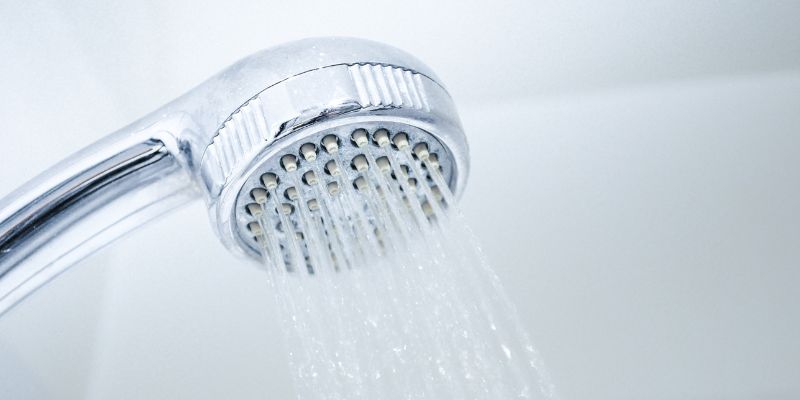
Table: Common Shower Cleaning Challenges and Solutions
Here’s a table I put together to summarize the main shower cleaning challenges and how to tackle them, like a cheat sheet for car maintenance.
| Challenge | Cause | Solution | Prevention Tip |
|---|---|---|---|
| Soap Scum | Soap, oils, minerals | Vinegar + dish soap mix, scrub, rinse | Dry surfaces daily, consider a water softener |
| Hard Water Stains | Mineral deposits (calcium, magnesium) | Vinegar soak, scrub with sponge | Dry surfaces daily, consider water softener |
| Mold/Mildew | Moisture, poor ventilation | Hydrogen peroxide spray, scrub, rinse | Run fan, dry shower, fix leaks |
| Rust Stains | Iron in water, corroded fixtures | Vinegar + lemon juice, scrub | Replace rusty fixtures, test water |
This table is my go-to for quick fixes, like a checklist for a car tune-up.
Conclusion
Cleaning your shower doesn’t have to be a chore—it’s a chance to make your space shine as bright as your favorite car. From tackling soap scum with vinegar to scrubbing grout like you’d detail a car’s interior, I’ve shared my best tips to make your shower sparkle. As a car enthusiast, I know the pride of a job well done, whether it’s a polished hood or a gleaming bathroom. With simple tools, a bit of elbow grease, and regular care, you can keep your shower looking showroom-ready. This guide has everything you need to transform your bathroom into a clean, inviting space for relaxing after a day of wrenching or cruising. Thanks for joining me on this cleaning journey—here’s to sparkling showers and smooth rides!
FAQs
What’s the best way to clean soap scum off shower tiles?
Mix equal parts vinegar and water with a squirt of dish soap. Spray it on, let it sit for 10-15 minutes, scrub with a sponge, and rinse.
How do I remove hard water stains from my shower?
Soak stains with vinegar for 20 minutes, scrub with a sponge, and rinse. For tough stains, use a commercial cleaner like CLR.
Can I clean a fiberglass shower the same way as tiles?
Use a soft sponge with dish soap and water. Avoid abrasive cleaners like baking soda to prevent scratches.
How often should I clean my shower?
Do a quick spray-down weekly and a deep clean monthly. Daily rinsing or squeegeeing prevents buildup.
What’s the safest way to clean mold in my shower?
Spray a mix of 1 part hydrogen peroxide to 2 parts water, let it sit for 10 minutes, scrub, and rinse. Use good ventilation.