How to Cut a Deadbolt Hole: A Step-by-Step Guide for Beginners
Hey there! If you’re looking to boost your home’s security or replace an old lock, learning how to cut a deadbolt hole is a fantastic skill to have. I remember the first time I tackled this project—it felt daunting, but with the right tools and a clear plan, it turned out to be surprisingly manageable. Whether you’re a DIY newbie or a seasoned handyman, this guide will walk you through every step to cut a perfect deadbolt hole in your door. I’ve been there, made the mistakes, and learned the tricks, so let’s dive in and make this process as smooth as possible for you.
This article is packed with everything you need to know, from picking the right tools to avoiding common pitfalls. I’ll share my tips to ensure your deadbolt installation is secure and professional-looking. Let’s get started!
Why Install a Deadbolt?
A deadbolt is one of the best ways to secure your home. Unlike a standard spring lock, a deadbolt offers extra strength because it’s harder to pick or force open. When I installed my first deadbolt, I felt a sense of pride knowing my family was safer. Deadbolts are especially important for exterior doors, where security matters most. But to make it work, you need a properly cut hole for the lock to sit snugly. A poorly cut hole can weaken the door or make the lock wobbly, so getting it right is key.
Before we jump into the how-to, let’s talk about why you might need to cut a deadbolt hole. Maybe you’re upgrading an old door, installing a new one, or replacing a damaged lock. Whatever the reason, cutting the hole yourself saves money and gives you control over the process. Plus, it’s a fun project that makes you feel accomplished!
Tools and Materials You’ll Need
Before you start, gather the right tools. I learned the hard way that having everything ready saves time and frustration. Here’s what you’ll need:
| Tool/Material | Purpose |
|---|---|
| Deadbolt lock kit | Includes the lock, template, and hardware for installation. |
| Drill | For drilling the main hole and pilot holes. A cordless drill works great. |
| 2-1/8 inch hole saw | Cuts the large hole for the deadbolt cylinder. |
| 1-inch spade bit | For the latch hole on the door’s edge. |
| Measuring tape | Ensures accurate measurements for hole placement. |
| Pencil | For marking the door where you’ll drill. |
| Screwdriver | To secure the deadbolt and strike plate. |
| Chisel | To carve out space for the latch plate. |
| Level | Ensures your holes are straight and aligned. |
| Safety glasses | Protects your eyes from wood dust and debris. |
| Sandpaper | Smooths rough edges after drilling. |
| Masking tape | Prevents splintering and marks the drilling depth. |
I always keep a small toolbox handy for projects like this. If you don’t have a hole saw or spade bit, you can find them at any hardware store for a reasonable price. Most deadbolt kits come with a paper template, which is a lifesaver for marking where to drill.
Step-by-Step Guide to Cutting a Deadbolt Hole
Now, let’s get to the fun part—cutting the deadbolt hole! I’ll break this down into clear steps so you can follow along easily. Take your time, and don’t rush. Precision matters here.
Step 1: Choose the Right Deadbolt
Not all deadbolts are the same. When I bought my first one, I didn’t realize there were different types, like single-cylinder (key on one side, thumb turn on the other) or double-cylinder (key on both sides). Single-cylinder is fine for most homes, but if you have glass near the door, a double-cylinder might be safer to prevent break-ins. Check the door’s thickness too—most deadbolts fit standard doors (1-3/8 to 1-3/4 inches thick). Read the package to make sure it’s compatible.
Step 2: Measure and Mark the Door
Accurate measurements are crucial. Most deadbolts are installed 36 to 48 inches from the bottom of the door, but check your kit’s instructions. I like to hold the deadbolt up to the door to visualize the height. Use the template from the kit to mark the center of the deadbolt hole on both sides of the door. Also, mark the edge of the door for the latch hole. Use a level to ensure your marks are straight. I once skipped this step and ended up with a crooked lock—don’t make my mistake!
Step 3: Tape the Door
This is a small but game-changing trick. Place masking tape over the areas where you’ll drill. It helps prevent the wood from splintering and gives you a clear surface to mark. I also wrap tape around the hole saw to mark the depth I need to drill—usually about 1 inch for each side of the door to avoid punching through too far.
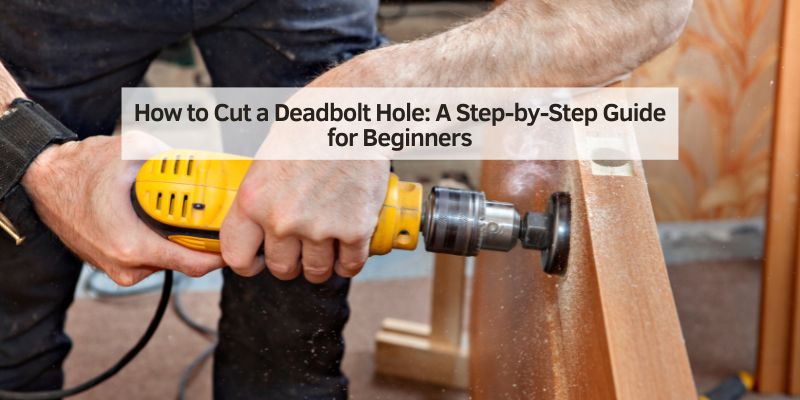
Step 4: Drill the Deadbolt Hole
Attach the 2-1/8 inch hole saw to your drill. Start on one side of the door, drilling slowly and steadily. Keep the drill level to avoid an uneven hole. Drill about halfway through, then stop. Flip to the other side of the door and drill from there to meet the first hole. This prevents splintering and keeps the hole clean. I learned to go slow after I rushed and chipped my door’s finish. If your door is metal, use a metal-cutting hole saw and go even slower.
Step 5: Drill the Latch Hole
Now, move to the door’s edge. Use the 1-inch spade bit to drill the latch hole where you marked. This hole needs to be deep enough for the latch to fit—usually about 2-3 inches, depending on your deadbolt. Check the template for the exact depth. Keep the drill straight, and don’t force it. If the bit gets stuck, back it out and clear the wood chips. I always check that the latch fits in the hole before moving on.
Step 6: Chisel the Latch Plate Recess
The latch plate needs to sit flush with the door’s edge. Place the latch plate over the hole and trace its outline with a pencil. Use a chisel to carefully carve out a shallow recess, about 1/8 inch deep. Go slow and check the fit often. I messed this up once by chiseling too deep, and the plate wobbled. Sand the area lightly to smooth it out.
Step 7: Install the Deadbolt
Now, it’s time to put everything together. Insert the latch into the edge hole and secure it with the screws provided. Then, install the deadbolt cylinder through the main hole, following the kit’s instructions. Make sure the keyhole or thumb turn is on the correct side. Attach the interior and exterior parts of the lock and screw them together. Test the bolt to ensure it moves smoothly. I always double-check that the screws are tight but not overtightened, as that can strip the wood.
Step 8: Install the Strike Plate
The strike plate goes on the door frame. Close the door and mark where the deadbolt hits the frame. Use the spade bit to drill a 1-inch hole for the bolt, about 1 inch deep. Trace the strike plate and chisel a recess, just like you did for the latch plate. Secure the strike plate with screws. I recommend using longer screws (at least 3 inches) for the strike plate to anchor it into the wall stud for extra strength.
Step 9: Test and Adjust
Test the deadbolt by locking and unlocking it several times. Make sure it slides smoothly into the strike plate hole. If it’s sticky, you may need to adjust the strike plate or deepen the hole slightly. I had to tweak mine a few times to get it perfect. Patience here pays off for a secure lock.
Step 10: Clean Up and Finish
Remove the masking tape and sand any rough edges around the holes. If your door is painted or stained, touch it up to match. I like to give the lock a quick polish with a cloth to make it shine. Step back and admire your work—you just installed a deadbolt like a pro!
Common Mistakes to Avoid
I’ve made my share of blunders, so let me save you some trouble. First, don’t skip the template—it’s your roadmap to success. Drilling without measuring can lead to misaligned holes, which are tough to fix. Also, avoid drilling too fast or too deep; it can splinter the door or damage the lock. If you’re working on a hollow-core door, be extra gentle, as they’re less forgiving than solid wood. Finally, double-check that your deadbolt is compatible with your door’s thickness before you start.
Tips for a Professional Finish
Want your deadbolt to look like a pro-installed installed it? Here are my go-to tips:
- Use a sharp hole saw for clean cuts.
- Drill pilot holes for screws to prevent wood splitting.
- If the door is pre-painted, tape off the surrounding area to avoid scratches.
- Test the lock multiple times before finalizing the installation.
- If you’re unsure about alignment, ask a friend to hold the door steady while you drill.
Safety First
Safety is non-negotiable. Always wear safety glasses to protect your eyes from wood dust or metal shavings. Keep your hands clear of the drill and chisel. If you’re working on a heavy door, have someone help you hold it steady. I once tried to do it solo and nearly dropped the door—lesson learned!
Why DIY This Project?
Cutting a deadbolt hole yourself is rewarding. It saves you the cost of hiring a locksmith, which can run $100 or more. Plus, you get the satisfaction of doing it yourself. I felt like a superhero the first time I locked my new deadbolt and knew I’d done it all on my own. It’s also a skill you can use again for other doors or projects.
Troubleshooting Common Issues
Sometimes things don’t go perfectly, and that’s okay. If the deadbolt doesn’t align with the strike plate, check if the door frame is level—older homes can have wonky frames. If the bolt sticks, try lubricating it with graphite powder. If the hole is too big (yep, I’ve been there), you can use wood filler to tighten it up, but it’s better to measure carefully to avoid this.
Conclusion
Cutting a deadbolt hole might sound intimidating, but with the right tools and a little patience, it’s a project anyone can tackle. I’ve walked you through every step, from picking the perfect deadbolt to installing it like a pro. By following this guide, you’ll not only save money but also gain the confidence to handle more DIY projects around your home. There’s something incredibly satisfying about locking a deadbolt you installed yourself—it’s like giving your home a big, secure hug.
So, grab your tools, take your time, and enjoy the process. You’ve got this! If you run into any hiccups or have questions, don’t worry—I’ve included some FAQs below to help you out. Happy installing, and here’s to a safer, more secure home!
Frequently Asked Questions
What size hole saw do I need for a deadbolt?
You’ll need a 2-1/8 inch hole saw for most standard deadbolts. This size fits the cylinder perfectly. Always check your deadbolt kit’s instructions to confirm.
Can I install a deadbolt on a metal door?
Yes, but you’ll need a metal-cutting hole saw and a steady hand. Go slower than you would with wood to avoid damaging the door or overheating the drill.
How do I know if my door is too thin for a deadbolt?
Most deadbolts fit doors 1-3/8 to 1-3/4 inches thick. Measure your door’s thickness and check the deadbolt packaging to ensure compatibility.
What if I drill the hole too deep?
If the hole is too deep, it can weaken the door or make the lock loose. Use wood filler to patch it, let it dry, and redrill carefully to the correct depth.
Do I need a professional to install a deadbolt?
Not at all! With the right tools and this guide, you can do it yourself. It’s a straightforward project that saves you money and feels rewarding.
How long does it take to cut a deadbolt hole?
For a beginner, it takes about 30-45 minutes, including measuring and installing. If you’re experienced, you can do it in 20-30 minutes.
Can I reuse an old deadbolt hole?
If the old hole matches the new deadbolt’s size and position, you might be able to reuse it. Otherwise, you’ll need to fill the hole with wood filler and start fresh.