How To Cut Ceiling Light Panels: Genius Effortless Guide
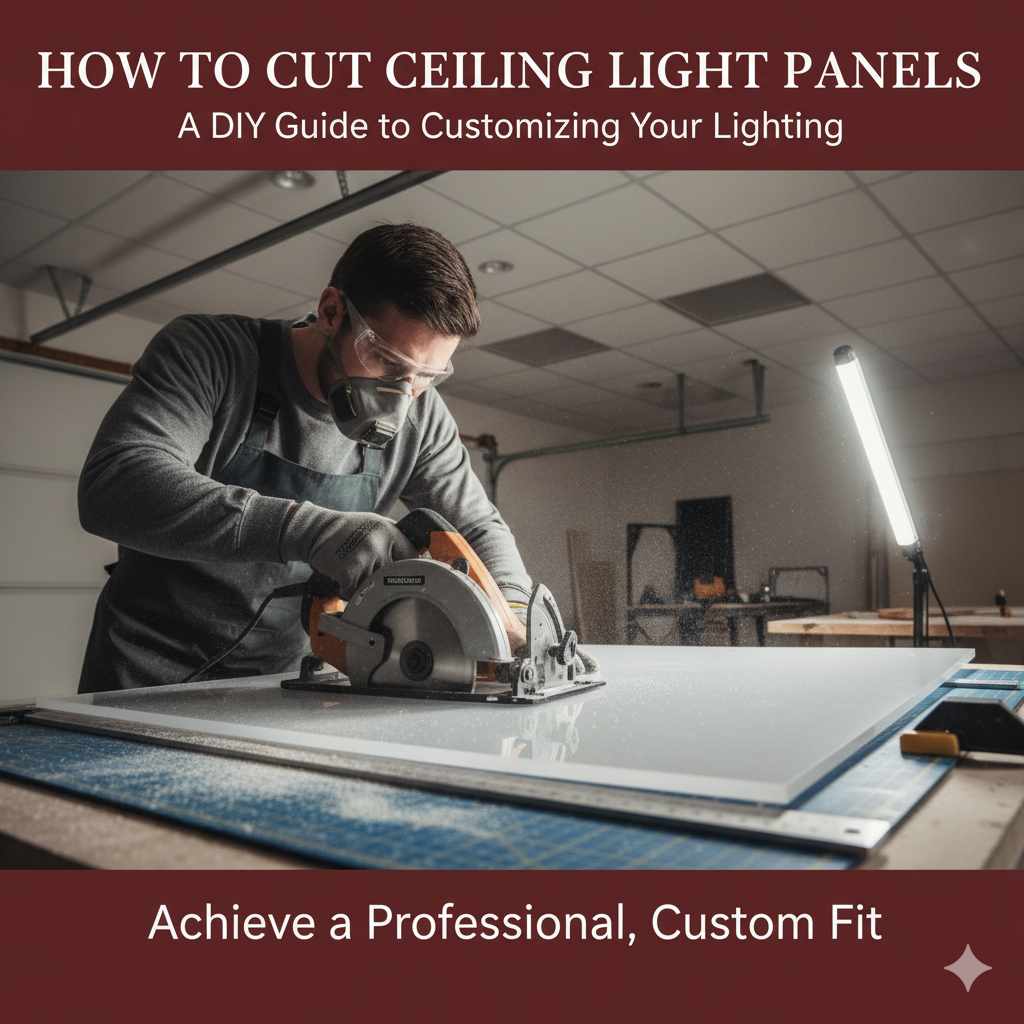
Cutting ceiling light panels is surprisingly simple with the right tools and techniques. This guide breaks down the process into easy steps, ensuring a clean, precise cut every time. You’ll be fitting your new panels like a pro in no time, saving money and gaining confidence in your DIY skills.
Have you ever looked up at your ceiling and thought, “That could look so much better with some modern lighting?” Maybe you’ve bought some beautiful new ceiling light panels, but then you hit a snag: they don’t quite fit the space. Cutting ceiling light panels can seem daunting, especially if you’re new to DIY projects. You might worry about making a mess, damaging the panel, or ending up with a wonky edge. But don’t let that stop you! With a few simple tools and this straightforward guide, you’ll discover how easy it can be to get that perfect fit. We’ll walk you through everything, step by step, so you can achieve a professional-looking finish without the stress.
Why Cutting Ceiling Light Panels Might Be Necessary
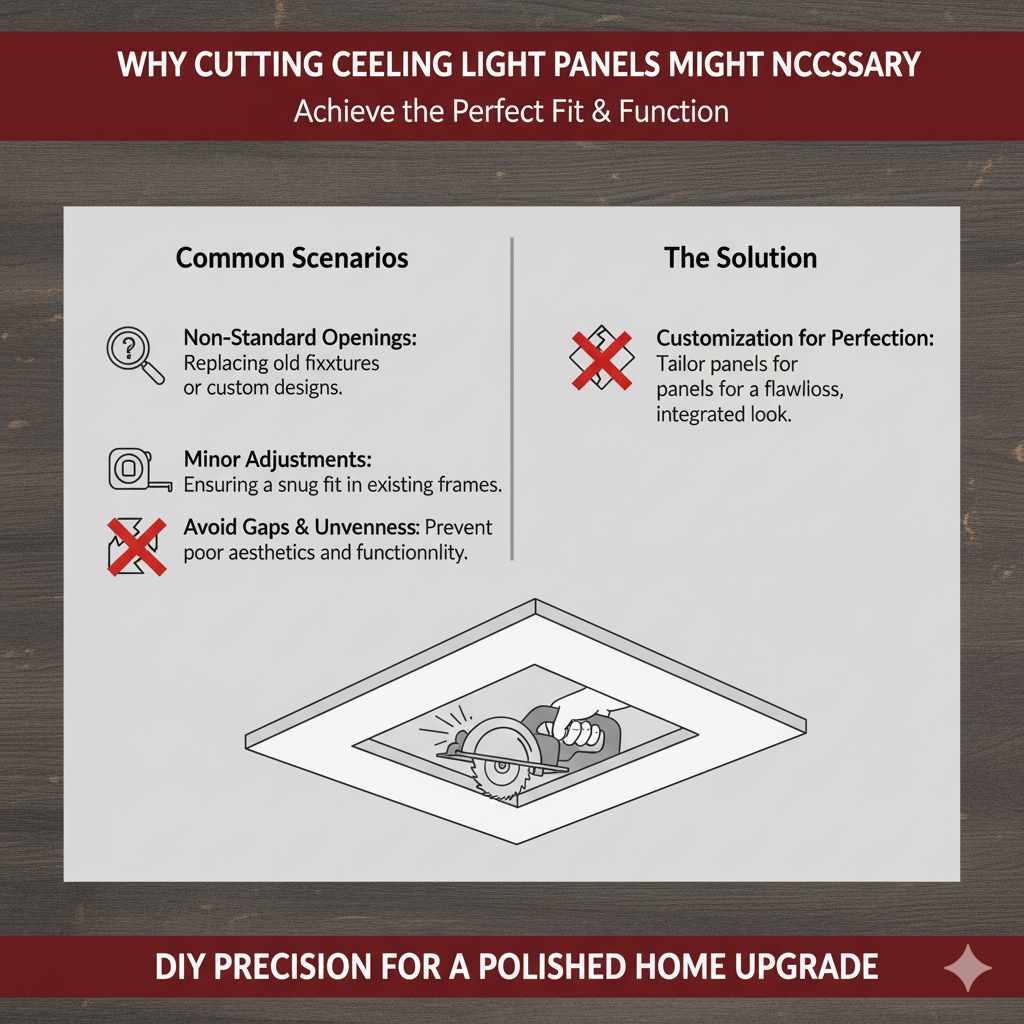
Ceiling light panels, often used in recessed lighting fixtures or as modern decorative elements, come in standard sizes. However, your ceiling might not have standard openings. You might be replacing an older, larger fixture, or perhaps you’re installing panels in a custom-designed space. Sometimes, even pre-cut panels need slight adjustments to fit snugly into an existing frame or drywall opening. Getting the right cut ensures the panel sits flush, looks neat, and functions correctly. A poorly cut panel can lead to gaps, unevenness, and a less-than-perfect aesthetic, which defeats the purpose of upgrading your lighting.
Gathering Your Tools and Materials
Before you start cutting, having the right tools makes all the difference. It’s like preparing your ingredients before cooking – it makes the whole process smoother and the end result much better. Here’s what you’ll need:
Essential Tools for Cutting Ceiling Light Panels
- Safety Glasses: Always protect your eyes! Cutting can create dust and debris.
- Measuring Tape: Precision is key. Get accurate measurements before you cut.
- Pencil or Marker: For marking your cut lines clearly on the panel.
- Utility Knife: A sharp utility knife is excellent for scoring and cutting thinner materials like acrylic or thin plastic panels.
- Jigsaw (with appropriate blade): For thicker materials like drywall, wood, or thicker plastic. Ensure you use a fine-tooth blade for a cleaner cut.
- Oscillating Multi-Tool: This is a versatile tool that can make plunge cuts and detailed cuts in drywall and other soft materials with good control.
- Straight Edge or Ruler: To guide your cuts and ensure straight lines.
- Dust Mask: Protect your lungs from dust, especially when cutting drywall.
- Drop Cloth or Old Sheets: To catch any dust or debris and protect your floor.
Materials You Might Be Cutting
The material of your ceiling light panel will influence the best cutting tool and technique. Common materials include:
- Drywall: Often the material you’re cutting into to create the opening for the panel.
- Plastic (Acrylic or Polycarbonate): Many modern light panels have diffusers made from these materials.
- Glass: Less common for DIY cutting, usually pre-cut or professionally handled.
- Wood: Sometimes used for framing or decorative elements around panels.
Step-by-Step Guide: How to Cut Ceiling Light Panels
Let’s get to it! Follow these steps carefully for a successful cut. Remember, patience is your best friend here.
Step 1: Measure Twice, Cut Once
This old adage is crucial. Before touching any tools, take precise measurements of the opening you need. If you’re fitting a panel into an existing frame, measure the frame opening. If you’re cutting a new hole in drywall, measure the panel itself and add any necessary clearance as per the manufacturer’s instructions. Transfer these measurements onto the panel or the ceiling material where the cut will be made. Use your pencil or marker to draw a clear, accurate line.
Step 2: Prepare Your Workspace
Lay down your drop cloth or old sheets on the floor directly below where you’ll be working. This will catch any falling debris and make cleanup much easier. Ensure you have good lighting in the area, but also be mindful of any existing electrical wiring. If you’re cutting into the ceiling for the first time, it’s wise to turn off the power to that area at your circuit breaker. For more information on safely working with electrical systems, consult resources like the U.S. Consumer Product Safety Commission’s electrical safety guidelines.
Step 3: Cutting Different Materials
The method depends on what you’re cutting.
Cutting Drywall for Panel Installation
If you need to create an opening in drywall for your light panel:
- Mark the Opening: Using your measurements, draw the exact shape of the opening on the ceiling.
- Score the Line: With a sharp utility knife, score the drawn line deeply. Make multiple passes to ensure you cut through the paper and gypsum.
- Use a Jab Saw or Jigsaw: Carefully insert the tip of a jab saw or a jigsaw blade into the scored line. For a jigsaw, you might need to drill a pilot hole first to insert the blade.
- Cut Slowly and Steadily: Follow your marked line, applying gentle, consistent pressure. Let the tool do the work. Avoid forcing it, which can lead to a rough edge or a broken blade.
- Support the Cutout: As you near the end of the cut, support the piece of drywall you’re removing to prevent it from falling and potentially damaging the surface below or tearing the drywall paper.
Cutting Plastic (Acrylic/Polycarbonate) Light Panels
If your light panel itself needs to be trimmed or cut:
- Mark Your Cut Line: Use a fine-tip marker. It’s often best to mark on the protective film if it’s still on the panel.
- Score and Snap (for thin plastic): For very thin acrylic, you can score the line deeply with a sharp utility knife or a scoring tool. Then, gently snap the plastic along the scored line.
- Use a Jigsaw or Scroll Saw (for thicker plastic): For thicker panels, a jigsaw with a fine-tooth, plastic-cutting blade is ideal. A scroll saw can also provide excellent precision.
- Cut Slowly: Plastic can melt if cut too fast, leading to gummy edges. Use a slower speed and steady hand.
- Support the Panel: Ensure the panel is well-supported during cutting to prevent vibration and breakage. Clamping it to a workbench is a good idea.
- Consider a Router: For very precise edges or specific shapes, a router with a straight bit can be used, but this requires more skill and setup.
Cutting Wood
If you’re working with a wooden frame or decorative wood:
- Mark Clearly: Use a sharp pencil and a square for accurate lines.
- Use the Right Saw: A handsaw, jigsaw, circular saw, or miter saw can be used depending on the cut type and material thickness. For intricate shapes, a jigsaw or scroll saw is best.
- Clamp Securely: Always clamp wood firmly before cutting to prevent movement.
- Cut with Confidence: Follow your lines precisely. For straight cuts, a guide can be very helpful.
Step 4: Finishing Touches and Installation
Once you’ve made your cut, take a moment to inspect the edges. If there are any rough spots or burrs, you can gently sand them down. For drywall cuts, you might need to do some minor patching or use a drywall patch kit if the cut isn’t perfectly clean. For plastic panels, a fine-grit sandpaper can smooth out minor imperfections. Always clean up all dust and debris thoroughly before installing your light panel. Ensure the panel fits snugly into the opening without being forced.
Choosing the Right Blade for Your Saw
The blade you choose is as important as the saw itself. Using the wrong blade can result in a messy cut, splintering, or even damage to the material and your tool. Here’s a quick guide:
| Material Being Cut | Recommended Saw Blade Type | Blade Teeth Count/Configuration | Notes |
|---|---|---|---|
| Drywall | Carbide-Tipped, Wood/Drywall Blade | Coarse teeth, often with large gullets | Designed for fast, rough cuts. For cleaner edges, a fine-tooth drywall blade or a jigsaw with a fine-tooth wood blade can work. |
| Plastic (Acrylic/Polycarbonate) | Plastic Cutting Blade, Fine-Tooth Wood Blade | High tooth count (e.g., 60-80 teeth per inch), teeth are often triple-ground | Prevents chipping and melting. Look for blades specifically designed for plastics if possible. |
| Wood | General Purpose Wood Blade, Fine-Tooth Blade | Medium to high tooth count (e.g., 24-60 teeth per inch) | For cleaner cuts, use more teeth. For rougher cuts, fewer teeth are fine. |
Safety First! Essential Precautions
Working with tools, especially power tools, requires attention to safety. Here are some non-negotiables:
- Wear Safety Glasses: Always, no exceptions.
- Wear a Dust Mask: Especially when cutting drywall or wood.
- Disconnect Power: If working near electrical fixtures, turn off the power at the breaker.
- Secure Your Workpiece: Clamp down materials when cutting for stability.
- Read Tool Manuals: Familiarize yourself with how your tools operate.
- Keep Blades Sharp: Dull blades require more force and are more dangerous.
- Clear the Area: Ensure no children or pets are nearby.
- Proper Ventilation: Work in a well-ventilated area.
For more detailed safety information on power tools, the Occupational Safety and Health Administration (OSHA) provides excellent resources on power tool safety.
Common Mistakes to Avoid
Even with the best intentions, mistakes can happen. Here are a few common pitfalls to steer clear of:
- Improper Measurement: The most frequent error. Always double-check your measurements.
- Using a Dull Blade: Leads to rough cuts, more effort, and increased risk of slipping.
- Cutting Too Fast: Especially with plastic, this can cause melting or cracking.
- Not Supporting the Material: Can lead to vibration, inaccurate cuts, or breakage.
- Ignoring Safety Gear: Eye injuries and respiratory problems are preventable.
- Forcing the Tool: Let the tool do the work. Forcing it can damage the tool, the material, and potentially cause injury.
Tips for a Professional Finish
Want your work to look like it was done by a seasoned pro? Here are a few extra tips:
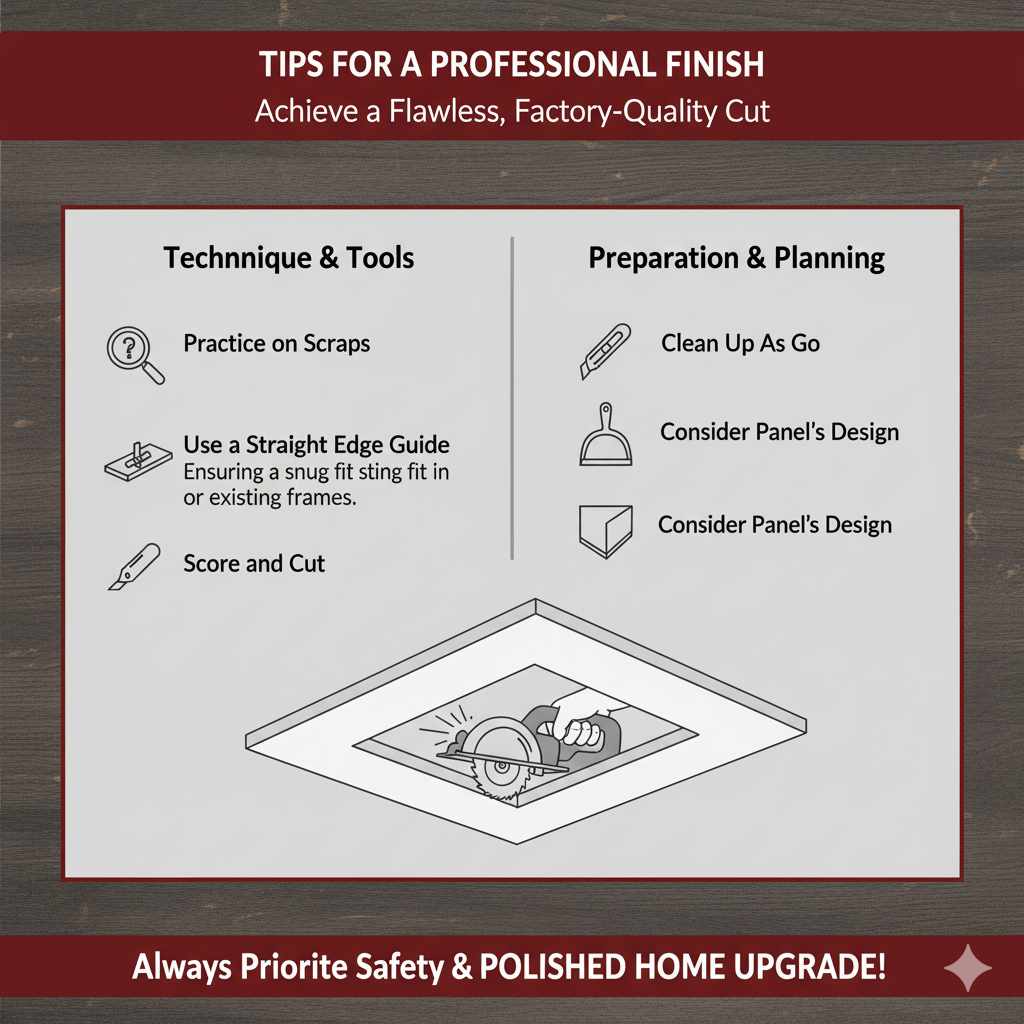
- Practice on Scraps: If you’re nervous, try cutting a piece of scrap material first to get a feel for the tool.
- Use a Straight Edge Guide: For jigsaws and circular saws, a clamped-on straight edge can ensure perfectly straight cuts.
- Score and Cut: For materials like plastic or thin wood, scoring the line first with a utility knife can help guide the saw and prevent initial splintering.
- Clean Up as You Go: A clean workspace is a safer and more efficient workspace.
- Consider the Light Panel’s Design: Some panels have a lip or flange that needs to accommodate the edge of the opening. Ensure your cut accounts for this.
FAQ: Your Ceiling Light Panel Cutting Questions Answered
Q1: What’s the easiest way to cut a hole in my ceiling for a light panel?
For most ceilings made of drywall, using a sharp utility knife to score the line and then a jab saw or a jigsaw with a fine-tooth blade is the most straightforward method. Always remember to turn off the power at the breaker first!
Q2: Can I use a regular kitchen knife to cut ceiling light panels?
No, a kitchen knife is not suitable for cutting ceiling light panels or drywall. You need a sharp, sturdy blade designed for cutting building materials, such as a utility knife or a saw blade.
Q3: How do I ensure my cut is perfectly straight?
Accuracy comes from careful measuring and marking. For power saws like jigsaws or circular saws, clamping a straight edge (like a metal ruler or a piece of wood) alongside your cut line can act as a guide for a perfectly straight cut.
Q4: My plastic light panel is scratching easily. How can I cut it without damaging it?
It’s best to keep the protective film on the plastic panel for as long as possible. When cutting, use a fine-tooth blade designed for plastic, cut slowly, and ensure the panel is well-supported. A sharp utility knife for scoring and snapping might work for thinner plastics.
Q5: What if I make a mistake and the cut is too big?
Don’t worry! Small mistakes can often be fixed with drywall patching compound or by using a slightly larger trim piece or mounting bracket if the panel allows. For larger errors, you might need to cut a new piece of drywall or adjust your panel mounting plan.
Q6: Do I need to wear a mask when cutting ceiling panels?
Yes, especially if you are cutting drywall or wood. These materials create fine dust that can be harmful to your lungs. Wearing a dust mask is a simple but important safety step.
Q7: How do I clean up the dust after cutting?
Use a vacuum cleaner with a brush attachment to clean up the majority of the dust from the floor, walls, and surrounding surfaces. A damp cloth can then be used to wipe away any remaining fine dust. Don’t forget to clean your tools as well.
Conclusion
Cutting ceiling light panels might seem like a technical task, but as you’ve seen, it’s entirely manageable with the right preparation and tools. By following these steps, prioritizing safety, and taking your time, you can achieve precise cuts that will make your new lighting fixtures look fantastic. Remember the golden rule: measure twice, cut once! With a little effort and this guide, you’ll be well on your way to enhancing your home’s ambiance with perfectly fitted ceiling lights. Enjoy your beautifully lit space!