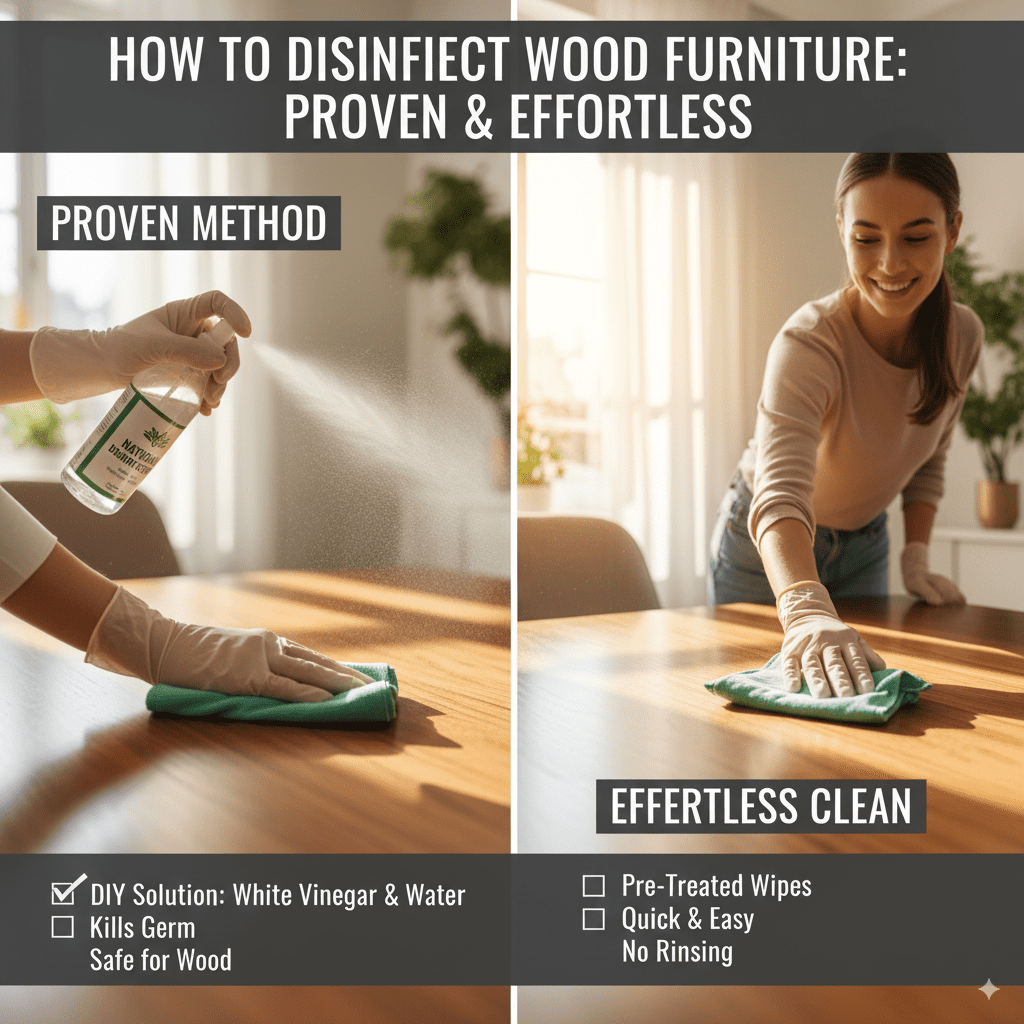
How to Disinfect Wood Furniture: Proven & Effortless
Disinfecting wood furniture is simple and safe when using the right methods. Gentle cleaning with mild soap and water or specialized wood cleaners effectively kills germs without harming the finish. Always test in an inconspicuous area first for best results.
Welcome, fellow woodworkers! Ever found yourself wondering how to keep your beloved wooden creations sparkling clean and germ-free, especially after a project or just regular use? It’s a common concern, and understandably so. We pour our hearts into crafting beautiful pieces, and the thought of damaging that hard-earned finish while trying to sanitize can be a real worry. But don’t fret! Keeping your wood furniture hygienic doesn’t have to be complicated or risky.
With a few straightforward techniques and the right approach, you can easily maintain both the beauty and the cleanliness of your wooden treasures. Let’s dive into how to disinfect wood furniture effectively, ensuring its longevity and your peace of mind. We’ll explore the safest and most efficient ways to tackle germs, keeping your furniture looking as good as the day you made it.
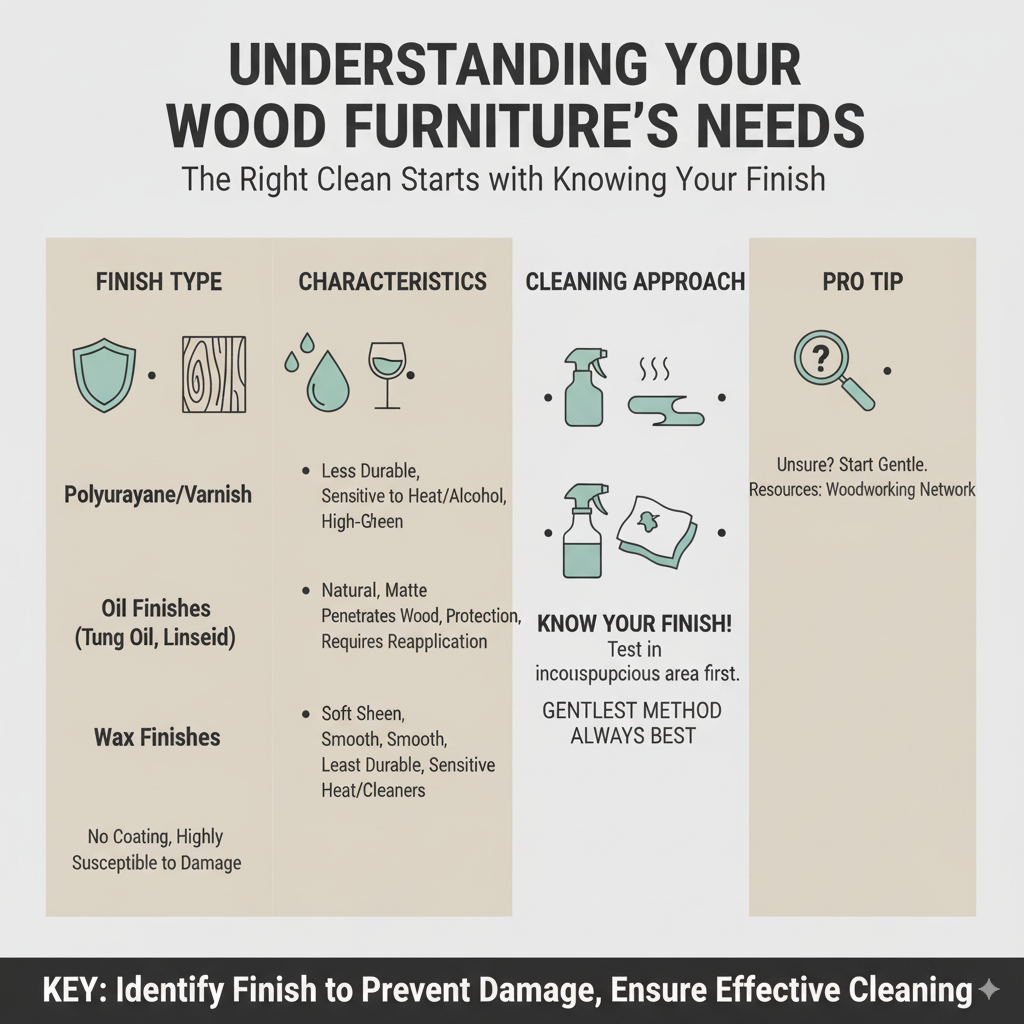
Understanding Your Wood Furniture’s Needs
Before we start scrubbing, it’s crucial to understand that not all wood finishes are created equal. The type of finish on your furniture plays a big role in how you should approach disinfecting. A piece with a natural oil finish will require a different approach than one with a durable polyurethane or lacquer. Knowing your finish is the first step to preventing damage while effectively cleaning.
For beginners, identifying the finish can sometimes be a puzzle. Here’s a quick guide:
- Polyurethane/Varnish: These are very durable and water-resistant. They often have a slight sheen and feel smooth and hard to the touch. Spills usually bead up on the surface.
- Lacquer/Shellac: These finishes are less durable than polyurethanes and can be sensitive to heat and alcohol. They often have a very smooth, sometimes high-gloss finish. If you accidentally spill nail polish remover on a piece with these finishes, it can quickly dull or strip the finish.
- Oil Finishes (Tung Oil, Linseed Oil): These penetrate the wood, offering a more natural, matte look and feel. They provide less protection against moisture and can be more susceptible to staining. They typically require reapplication over time.
- Wax Finishes: Often applied over other finishes or directly to the wood, wax adds a soft sheen and a smooth feel. It’s the least durable finish and can be easily damaged by heat or harsh cleaners.
- Unfinished Wood: This is wood with no protective coating. It’s highly susceptible to stains, moisture, and damage from cleaning agents.
If you’re unsure about your furniture’s finish, a good rule of thumb is to always start with the gentlest cleaning method. You can also test a small, inconspicuous area (like the underside of a table or the back of a chair) before applying any cleaning solution to the main surface. This is a fundamental practice in woodworking to avoid costly mistakes. For more in-depth information on identifying wood finishes, resources like Woodworking Network offer valuable insights.
The Safest Ways to Disinfect Wood Furniture
When it comes to disinfecting wood furniture without damaging the finish, gentleness is key. Harsh chemicals or abrasive scrubbing can strip away the protective coating, dull the sheen, or even discolor the wood itself. The goal is to kill germs while preserving the beauty and integrity of your furniture.
Here are some of the most effective and safest methods:
1. Mild Soap and Water
This is often the most recommended and safest approach for most finished wood furniture. The mildness of the soap and the controlled amount of water help prevent damage.
What You’ll Need:
- Two soft, lint-free cloths
- Mild dish soap or a pH-neutral soap
- Warm water
- A small bowl or bucket
Steps:
- Dampen, Don’t Soak: Mix a few drops of mild dish soap with warm water in your bowl. Dip one of your soft cloths into the soapy water and wring it out thoroughly. The cloth should be damp, not wet. Excess water can seep into wood grain and cause swelling or damage, especially on older or less protected finishes.
- Wipe Gently: Wipe down the surface of your wood furniture with the damp cloth. Work in the direction of the wood grain for best results and to avoid streaks.
- Rinse (Damp Cloth Method): Take your second cloth, dampen it with clean water, and wring it out very well. Wipe down the furniture again to remove any soap residue. This is crucial, as leftover soap can attract dirt or leave a sticky film.
- Dry Thoroughly: Immediately use a dry, soft cloth to buff the surface dry. Ensure no moisture is left behind. This step is critical to prevent water spots and protect the finish.
This method is excellent for everyday cleaning and light disinfection. It’s effective against common household germs without posing a risk to most finishes.
2. Specialized Wood Furniture Cleaners
For a more targeted approach, especially if you’re concerned about specific germs or want a product designed for wood care, a dedicated wood furniture cleaner can be a great option. These are formulated to clean and often condition the wood without stripping the finish.
What You’ll Need:
- A trusted wood furniture cleaner (check product reviews and suitability for your finish)
- Soft, lint-free cloths (at least two)
Steps:
- Read the Label: Always read and follow the manufacturer’s instructions carefully. Different products have different application methods.
- Test in an Inconspicuous Area: Before applying to the entire piece, spray a small amount of the cleaner onto a hidden spot. Let it sit for the recommended time, then wipe and check for any adverse reactions like discoloration or finish damage.
- Apply to Cloth, Not Surface: For most wood cleaners, it’s best to spray the product onto a soft cloth rather than directly onto the furniture. This gives you more control and prevents oversaturation.
- Wipe and Buff: Wipe the furniture surface with the dampened cloth, following the wood grain. Use a second, dry cloth to buff the surface and remove any excess product, leaving a clean, polished look.
Using a product specifically designed for wood ensures that the cleaning agents are balanced and won’t harm the finish. Brands like Murphy Oil Soap (though some debate its pH neutrality for certain finishes, it’s generally mild) or specialized furniture polish cleaners are popular choices. Always prioritize products that clearly state they are safe for finished wood.
3. Diluted Vinegar Solution (Use with Caution)
White vinegar is a natural disinfectant that can be effective against many bacteria and viruses. However, its acidity means it must be used with extreme caution on wood furniture, as it can potentially dull or damage certain finishes over time.
What You’ll Need:
- White vinegar
- Distilled water
- Spray bottle
- Two soft, lint-free cloths
Steps:
- Prepare the Solution: Mix equal parts white vinegar and distilled water in a spray bottle. This dilution is crucial for minimizing the risk of damage.
- Test First: Absolutely test this solution in a hidden spot. Vinegar is acidic and can etch or dull finishes, especially those that are shellac, lacquer, or unsealed. If you see any dulling or discoloration, do not use this method.
- Lightly Mist: If the test is successful, lightly mist the solution onto a soft cloth, not directly onto the furniture.
- Wipe and Dry: Quickly wipe down the furniture surface, following the wood grain. Immediately follow up with a clean, dry cloth to remove all moisture and any lingering vinegar smell.
This method is best reserved for situations where you need a stronger disinfectant and have confirmed it’s safe for your specific furniture finish through careful testing. For more on household disinfectants, the EPA provides guidance on approved disinfectants, though always cross-reference with wood care best practices.
4. Rubbing Alcohol (Isopropyl Alcohol) – Very Limited Use
Rubbing alcohol is a potent disinfectant. However, it is also a solvent and can quickly damage many wood finishes, particularly lacquer, shellac, and some varnishes, by dissolving or clouding them. It can also dry out oil finishes.
When might you consider it? In very specific, targeted situations where you need to disinfect a small, non-critical area that has come into contact with something particularly unsanitary, and you have tested it extensively. For instance, if a tiny spot on an outdoor wooden bench got contaminated.
What You’ll Need:
- 70% Isopropyl Alcohol
- Distilled water
- Cotton balls or swabs
- Soft, lint-free cloths
Steps:
- Extreme Caution and Testing: This is paramount. Dilute the alcohol with distilled water to a 50/50 solution. Test on an absolutely hidden area. If there is ANY sign of dulling, melting, or discoloration, STOP.
- Targeted Application: If testing is successful, apply the diluted alcohol solution to a cotton ball or swab, not directly to the furniture.
- Quick Wipe: Lightly and quickly dab the affected area. Do not rub or let it sit.
- Immediate Drying: Immediately wipe the area with a clean, dry cloth. You may want to follow up with a wood polish or conditioner suitable for your finish to rehydrate the wood.
General Recommendation: For most indoor wood furniture, it’s best to avoid rubbing alcohol altogether due to the high risk of finish damage. Stick to the milder methods.
Disinfecting Different Types of Wood Furniture
The effectiveness and safety of your chosen disinfection method will depend on the type of wood furniture you have. Here’s a breakdown:
Solid Wood Furniture
Solid wood furniture, especially if it has a good quality finish like polyurethane or varnish, is generally quite resilient. The mild soap and water method is usually perfectly adequate and safe.
- Finished Solid Wood: You can confidently use the mild soap and water method or a reputable wood furniture cleaner. Ensure thorough drying.
- Unfinished Solid Wood: This is the most delicate. Avoid excessive moisture. For disinfection, a very lightly dampened cloth with mild soap and water is the best bet, followed by immediate drying. For tougher disinfection needs, consider a specific wood sanitizer designed for unfinished surfaces, or consult a professional.
Veneered Furniture
Veneer is a thin layer of wood glued over a core material (often particleboard or plywood). While beautiful, it’s more susceptible to moisture damage, especially at the edges and seams, where water can seep in and cause the veneer to delaminate or bubble.
- Key Rule: Use as little moisture as possible.
- Recommended Method: The mild soap and water method, with a very well-wrung-out cloth, is your safest bet. Work quickly and dry thoroughly.
- Avoid: Excessive spraying, soaking, or abrasive cleaners.
Antique Wood Furniture
Antique furniture often has delicate, original finishes that can be easily damaged by modern cleaning products or even just too much moisture. Preservation is key.
- Consult an Expert: If you have a valuable antique, it’s always best to consult a professional conservator or restorer before attempting any cleaning or disinfection.
- Gentlest Approach: For general upkeep, a soft-bristle brush or a feather duster is often sufficient. If cleaning is necessary, use a barely-damp cloth with distilled water only, and dry immediately.
- Avoid: Vinegar, alcohol, commercial furniture polishes that might contain silicones or waxes that can build up and damage old finishes.
Tools and Supplies at a Glance
Having the right tools makes the process smoother and safer. Here’s a quick checklist:
| Tool/Supply | Purpose | Notes |
|---|---|---|
| Soft, Lint-Free Cloths (Microfiber is ideal) | Wiping, cleaning, drying, buffing | Avoid paper towels as they can leave lint. Use separate cloths for cleaning and drying. |
| Mild Dish Soap or pH-Neutral Soap | Gentle cleaning agent | A little goes a long way. Avoid soaps with harsh detergents or degreasers. |
| Warm Water | Diluent for soap and rinsing | Avoid hot water, which can be too harsh. |
| Distilled Water | Diluent for vinegar/alcohol, rinsing | Prevents mineral deposits from tap water, which can leave spots. |
| Spray Bottle | For applying diluted solutions | Ensure it’s clean and hasn’t been used for harsh chemicals. |
| Small Bowl or Bucket | For mixing cleaning solutions | Dedicated for cleaning supplies. |
| Wood Furniture Cleaner/Polish | Specialized cleaning and protection | Choose one appropriate for your furniture’s finish. |
| Soft-Bristle Brush | For dusting crevices | Helps remove dust without scratching. |
Tips for Effective and Safe Disinfection
Beyond the specific methods, a few general practices will ensure you’re disinfecting your wood furniture like a pro, keeping it beautiful and functional for years to come.
- Work in Good Light: You need to see what you’re doing to avoid missing spots or applying too much product.
- Ventilate the Area: Especially if using any type of cleaner, ensure the room is well-ventilated. Open windows or use a fan.
- Clean in Sections: Don’t try to clean an entire large piece of furniture at once. Work on one section at a time, cleaning and drying it before moving to the next. This prevents moisture from sitting on the wood for too long.
- Follow the Grain: Always wipe and dry in the direction of the wood grain. This minimizes visible streaks and helps the finish blend.
- Avoid Abrasives: Never use scouring pads, steel wool, or abrasive powders, as they will scratch and damage the finish.
- Don’t Over-Wet: This cannot be stressed enough. A damp cloth is all that’s needed. Excess water is the enemy of wood finishes.
- Regular Maintenance is Key: Consistent, gentle dusting and occasional cleaning will prevent the need for harsh disinfection methods. For more on wood care, check out guides from reputable sources like the This Old House website.
When to Call a Professional
While most wood furniture can be safely disinfected with simple household methods, there are times when professional help is advisable. If you have extremely valuable, antique, or intricately carved furniture with delicate finishes, attempting to disinfect it yourself could lead to irreversible damage. Professionals have specialized knowledge, tools, and cleaning agents that are formulated for the most sensitive materials.
Consider calling a professional if:
- Your furniture is a rare antique or has significant historical value.
- The finish is unknown, appears damaged, or is particularly delicate (like hand-rubbed oils or traditional French polish).
- You’ve tested a cleaning solution in an inconspicuous area, and it caused adverse effects.
- The furniture has suffered water damage, mold, or mildew, which might require more than just surface cleaning.

Frequently Asked Questions (FAQ)
Q1: Can I use disinfectant wipes on my wood furniture?
A1: Most commercial disinfectant wipes contain alcohol or other chemicals that can be too harsh for wood finishes. They can strip the finish, leave a cloudy residue, or even damage the wood itself. It’s generally best to avoid them and stick to the methods outlined above.
Q2: How often should I disinfect my wood furniture?
A2: For most homes, regular dusting and occasional cleaning with a mild soap and water solution are sufficient. You only need to actively disinfect if there’s been a known contamination (e.g., someone in the house has been sick) or if you notice any signs of mold or mildew. Over-disinfecting can also wear down the finish.
Q3: Is it okay to use furniture polish for disinfecting?
A3: Furniture polish is primarily for cleaning, shining, and conditioning, not disinfecting. While some may contain mild antimicrobial properties, they are not designed to kill a wide range of germs effectively. For disinfection, use methods specifically intended for that purpose, like mild soap and water or EPA-approved disinfectants (diluted and tested, of course).
Q4: My wood table has water rings. Can disinfecting help remove them?
A4: Disinfecting methods are for killing germs, not for removing water rings. Water rings are damage to the finish. Different techniques are needed to address them, such as using a hairdryer on a low setting, a paste of baking soda and water, or commercial water ring removers, depending on the severity and the type of finish.
Q5: Can I use essential oils for disinfecting wood furniture?
A5: Some essential oils, like tea tree oil or eucalyptus oil, have natural antimicrobial properties. You can add a few drops to your mild soap and water solution. However, always test first, as some oils can stain or leave a residue on certain finishes. Use them sparingly and ensure the solution is still primarily water-based and applied with a damp cloth.
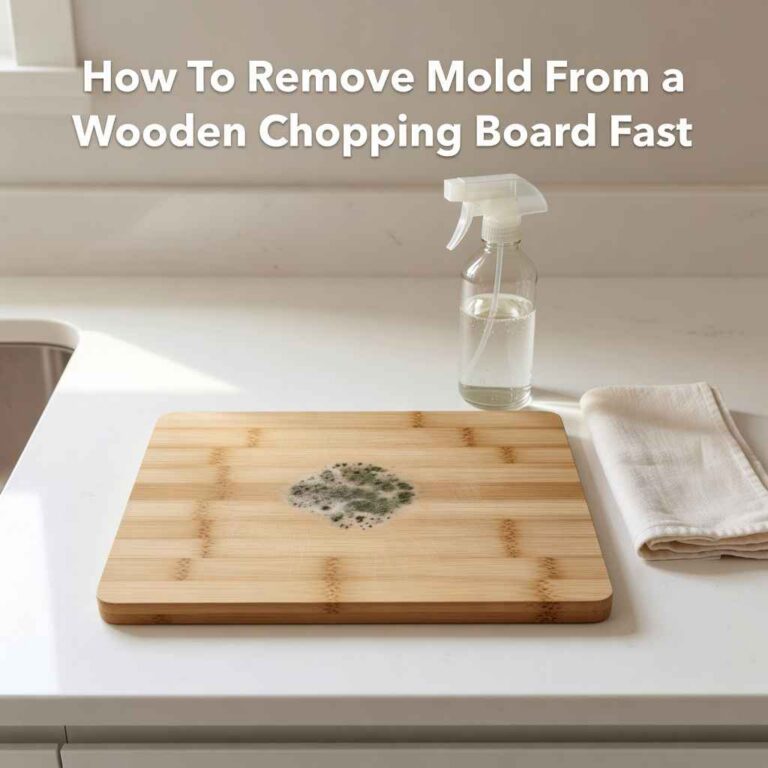
Q6: What’s the best way to disinfect wooden cutting boards?
A6: Wooden cutting boards are a special case as they come into direct contact with food. After washing with hot, soapy water, you can disinfect them with a diluted bleach solution (1 tablespoon bleach per gallon of water) or a 50/50 white vinegar and water solution. Rinse thoroughly with clean water and dry immediately. For best practice, consider using a dedicated food-safe wood conditioner or mineral oil after cleaning and disinfecting to protect the wood.
Conclusion
Keeping your wood furniture clean and hygienic is an essential part of woodworking and home maintenance. By understanding your furniture’s finish and employing the right techniques, you can effectively disinfect it without causing damage. Remember, gentleness is your best tool. A simple solution of mild soap and water, applied with a barely damp cloth and followed by thorough drying, will handle most everyday cleaning and disinfecting needs.
For tougher jobs or specific concerns, specialized wood cleaners offer a safe and effective alternative. Always remember to test any cleaning solution in an inconspicuous area before applying it to the entire piece. With these proven and effortless methods, you can confidently maintain the beauty and hygiene of your cherished wooden creations, ensuring they remain a source of pride and enjoyment for years to come.