How to Feed a Ratchet Strap: Quick & Easy Guide
Have you ever found yourself tangled in a web of confusion with ratchet straps? You’re not alone.
These essential tools can seem daunting, especially when it comes to feeding them correctly. But mastering this skill is simpler than you think, and it’s about to make your life a whole lot easier. Imagine the peace of mind you’ll gain when you know your cargo is secure, your gear is safe, and you’re ready for any adventure or job that comes your way.
By learning how to feed a ratchet strap properly, you’re not just avoiding frustration; you’re ensuring safety and efficiency every time. Dive in, and discover the straightforward steps that will transform the way you handle ratchet straps forever.
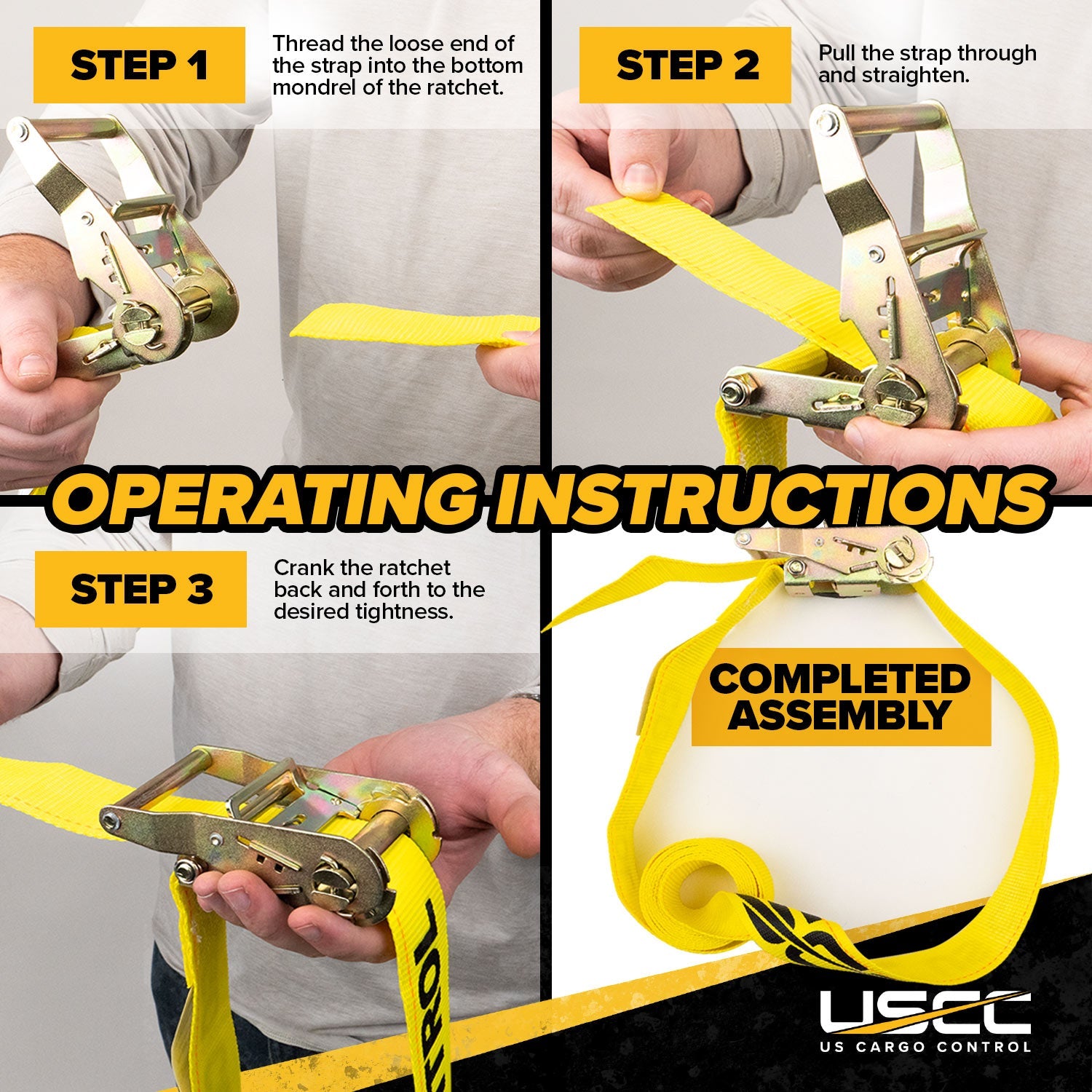
Credit: www.uscargocontrol.com
Choosing The Right Ratchet Strap
Ratchet straps come in different materials. Polyester is very strong. It doesn’t stretch much. Nylon is also strong but stretches more. Always check the strength of the strap. This is called the breaking strength. It tells how much weight the strap can handle. Choose the right strength for your needs.
Length is important. You need enough strap to tie things well. Too short and it won’t work. Too long and it gets messy. Width is also key. Wider straps hold more weight. They also last longer. Choose the right width for your load.
Preparing The Ratchet Strap
Always check your ratchet strap before using it. Look for any tears, cuts, or frayed edges. Make sure the buckle is not bent or broken. A damaged strap can be dangerous. Replace it if you find any problems. Safety comes first.
Start by laying the strap flat on a clean surface. Untangle any knots or twists. Ensure the strap is straight and smooth. This makes it easier to feed the strap later. A well-organized strap works best. It saves time and effort.
Threading The Strap
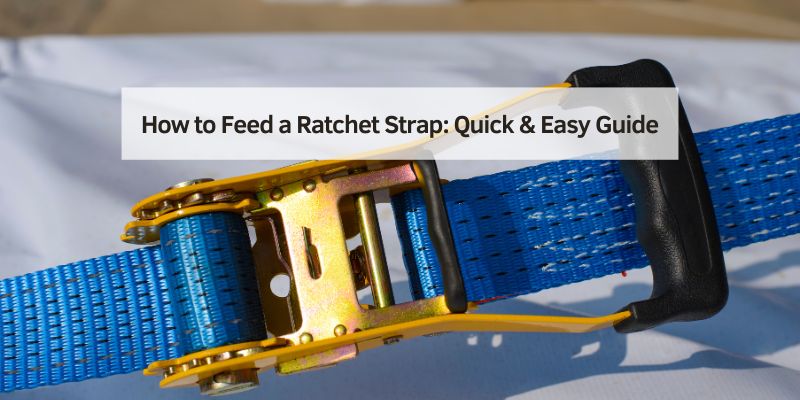
Find the metal slot on the ratchet. It is near the handle. The slot is usually small. Slide the strap through this slot. Make sure the strap is straight. No twists or folds. This helps it work better. Check the strap is flat. If it’s not, fix it before continuing.
Push the strap through the slot. Pull it until it’s tight. Hold the strap firmly. Check it’s not loose. The strap should not slip out. Keep the strap aligned. This ensures it works right. Tighten the handle. The strap locks in place. It’s now ready for use.

Credit: www.wikihow.com
Securing The Load
Begin by placing the strap over the load. Ensure it covers the entire area. Pull the strap through the ratchet slot. Make sure it is tight. Use the handle to tighten it further. Pump it back and forth several times. The strap should not be loose. Check for any slack.
The handle should lock into place. This keeps the load secure. Repeat if necessary on other straps. Always double-check the tension. A secure load is important. Proper tension prevents accidents.
Once tightened, check the load’s stability. The load should not move. If it shifts, tighten again. Secure all corners and edges. Use extra straps if needed. A stable load travels safely.
Releasing The Ratchet Strap
Start by locating the release lever. It’s usually near the handle. Press the lever to loosen the strap. Pull the strap gently. Make sure it moves freely. The mechanism might be tight. Oil can help loosen it. Always check for damage. A broken strap won’t work well. Handle with care.
Begin by pulling the strap through the slot. Hold the strap firmly. Keep your fingers clear of the ratchet. Slowly unwind the strap. Make sure it doesn’t tangle. Store the strap neatly. This prevents damage. Inspect the strap for wear. Replace if needed. Safety first.
Credit: www.agmcontainer.com
Maintenance Tips
Cleaning and Storage: Keep ratchet straps clean and dry. Dirt weakens them. Use mild soap and water to wash. Avoid harsh chemicals. Dry them completely before storing. Moisture can cause mold. Always store in a cool, dry place. Avoid direct sunlight. UV rays damage fibers.
Regular Inspection: Check straps often for wear and tear. Look for cuts or frayed edges. Examine hooks for rust. Rust weakens metal parts. Replace damaged straps immediately. Do not use if damaged. Safety is important. Inspect ratchet mechanism too. Make sure it works smoothly. Test it before each use. Ensure it locks properly.
Frequently Asked Questions
What Is The Proper Way To Feed A Ratchet Strap?
Thread the strap through the ratchet slot, ensuring it’s tight and straight. Pull until secure. Close the ratchet lever, then pump to tighten further. Avoid twisting or overlapping the strap for maximum hold. Ensure the strap is properly aligned and free from damage before use.
How To Spool A Ratchet Strap?
To spool a ratchet strap, unwind the strap fully. Thread the strap through the ratchet slot. Pull it tight, ensuring no twists. Crank the ratchet handle to tighten further. Store excess strap neatly to prevent tangling. Regularly check for damage to ensure safety and effectiveness.
How To Latch A Ratchet Strap?
To latch a ratchet strap, thread the strap through the ratchet’s bottom slot. Pull it tight, then pump the ratchet handle to tighten further. Ensure the strap is secure before use.
How Do You Set Up Ratchet Straps?
To set up ratchet straps, hook the ends securely. Pull the strap through the ratchet, leaving some slack. Crank the handle to tighten, ensuring the load is secure. Release by lifting the ratchet lever and pulling the strap out. Always check tension and adjust for safety.
Conclusion
Feeding a ratchet strap correctly ensures safety and efficiency. Remember these steps: Insert the strap through the ratchet, pull it tight, and secure it. Practice makes perfect. This process might seem tricky at first. But with time, it becomes second nature.
Always double-check your work. A secure load gives peace of mind. So, take your time and follow each step. Properly fed ratchet straps protect your cargo. And make your journey stress-free. Happy securing!