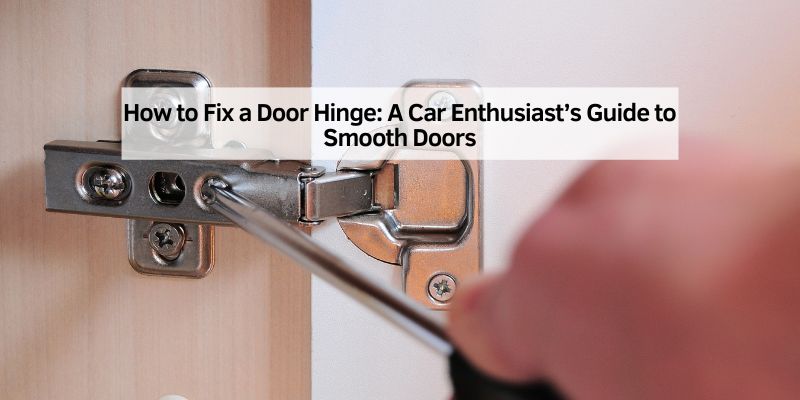
How to Fix a Door Hinge: A Car Enthusiast’s Guide to Smooth Doors
Hey there, friend! Imagine this: you’re about to hop into your car, ready for a cruise, but the door creaks like an old haunted house or sags so badly it won’t close right. Frustrating, isn’t it? I’ve been there, wrestling with a stubborn door hinge on my old pickup truck. As a car lover who spends hours in the garage, I’ve learned that fixing a door hinge is a must-have skill, whether it’s for your car, RV, or even the garage door where you keep your ride.
I’ve tackled creaky, loose, and misaligned hinges myself, and I’m excited to share what I’ve learned. It’s like we’re hanging out in my driveway, tools in hand, figuring this out together. In this guide, I’ll walk you through how to fix a door hinge step by step, so you can get back to enjoying your car without those annoying door problems. Let’s dive in and make those doors swing smoothly again!
Why Fixing a Door Hinge Matters for Car Owners
You might think a squeaky or sagging door is just a minor annoyance, but it can cause bigger issues. I ignored a creaky hinge on my sedan once, and it ended up wearing out the latch, making the door hard to close. For car enthusiasts like us, a faulty door hinge isn’t just about looks—it affects safety, security, and even your car’s value.
A bad hinge can make it tough to get in and out of your car, especially if you’re hauling car show trophies or camping gear. It can also let water or dust sneak in, damaging your interior. In my RV, a loose hinge let the door bang around, scratching the frame. Fixing hinges keeps your car or garage door working right, so you can focus on polishing chrome or planning your next road trip.
Common Door Hinge Problems
Before we fix anything, let’s talk about what can go wrong with door hinges. I’ve seen a few issues in my cars and garage, and knowing the problem helps you pick the right fix. Here’s what I’ve come across:
- Squeaking or creaking: Dirt, rust, or lack of lubrication makes hinges noisy. My truck’s door squeaked like crazy until I lubed it up.
- Sagging or misalignment: Loose screws or worn hinges can make the door droop, scraping the frame or not closing properly.
- Loose hinges: Screws can work loose over time, making the door wobbly. I had this on my RV’s entry door.
- Rust or corrosion: Hinges exposed to moisture can rust, especially on older cars or garage doors. My garage door hinge rusted after a wet winter.
- Broken or bent hinges: Heavy use or impact can crack hinges, needing replacement. I saw this on a friend’s Jeep after a trail mishap.
Each problem has a fix, and I’ll show you how to handle them like a pro.
Tools and Supplies You’ll Need
Fixing a door hinge doesn’t require a fancy toolbox, but having the right gear makes it easier. I’ve built a kit for hinge repairs based on my own projects. Here’s what I use:
| Tool/Supply | Purpose | Where to Find It |
|---|---|---|
| Screwdriver (Phillips/Flathead) | Tightens or removes hinge screws | Hardware stores, home |
| Wrench or socket set | Adjusts bolts on car door hinges | Auto stores, hardware stores |
| Lubricant (WD-40 or silicone spray) | Quiets squeaks and prevents rust | Auto stores, supermarkets |
| Grease (lithium or automotive) | Long-term lubrication for hinges | Auto stores, hardware stores |
| Wire brush or sandpaper | Removes rust or corrosion | Hardware stores, auto stores |
| Replacement screws or hinges | Replaces damaged parts | Hardware stores, auto parts stores |
| Hammer and punch | Aligns hinges or removes pins | Hardware stores, home |
| Cleaning rags | Wipes away dirt and grease | Home, auto stores |
| Rust penetrant | Loosens rusted screws or hinges | Auto stores, hardware stores |
| Safety glasses and gloves | Protects eyes and hands | Hardware stores, supermarkets |
Most of these are cheap and easy to find. I keep a small toolbox in my garage for quick fixes, and it’s saved me on many occasions, like when my car door started sagging at a car meet.
Step 1: Inspect the Door Hinge
Before grabbing your tools, let’s check what’s wrong. I always start by opening and closing the door to spot the issue. Does it squeak? Sag? Feel loose? I run my hand over the hinges to feel for rust or wobbling. If it’s a car door, I check both the door-side and body-side hinges. For garage or RV doors, I look at all the hinges, usually two or three per door.
I also check the screws to see if they’re tight. Once, I thought my truck’s hinge was broken, but the screws were just needed tightening. If the door sags, I note where it rubs—top, bottom, or side—to guide my fix. This step is like diagnosing a car’s noise; you need to know the problem before you start it.
Step 2: Fix a Squeaky Hinge
Squeaking is the most common issue, and it’s usually an easy fix. I start by cleaning the hinge. I use a rag to wipe off dirt or grease. If it’s rusty, I scrub it with a wire brush or sandpaper. I once cleaned my sedan’s hinges after a muddy road trip, and it made a world of difference.
Next, I spray WD-40 or silicone lubricant onto the hinge’s moving moving parts, like the pin or knuckle. I open and close the door a few times to work it in, then wipe off excess with a rag. For long-term protection, I apply a dab of lithium grease to keep it smooth. I fixed a squeaky RV door this way, and it’s been quiet for a year. If the squeaking continues, I check for deeper rust or loose screws, which we’ll cover next.
Step 3: Tighten Loose Hinge Screws
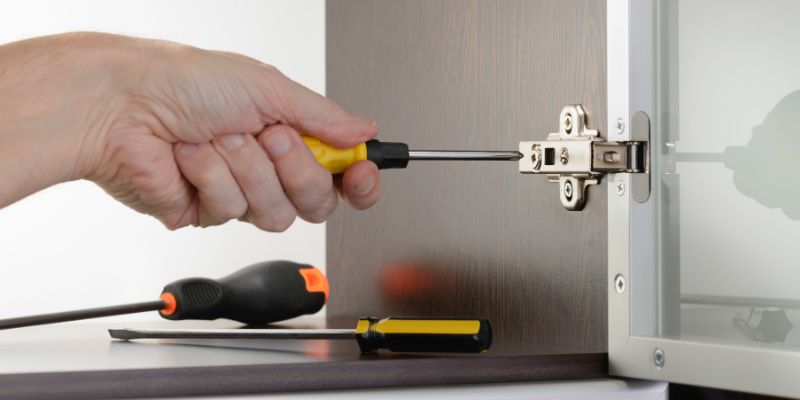
Loose screws are a big cause of sagging or wobbly doors. I use a screwdriver to tighten each screw on the hinge. I start with the top hinge, then work my way down. If a screw won’t tighten—it just spins—it’s stripped. I had this on my garage door once, and it was a pain.
For stripped screws, I replace them with slightly longer or thicker ones, making sure they fit the hinge. If the hole is too worn, I fill it with a wooden toothpick or dowel, then screw into that. This trick worked on my truck’s door when the screws kept loosening. Tightening or replacing screws usually fixes minor sagging, but if the door still droops, it’s time for the next step.
Step 4: Align a Sagging Door
A sagging door is annoying and can damage the frame or latch. I fixed a sagging door on my SUV, and it took some patience. First, I loosen the hinge screws on the door or body side just enough to move the hinge. I use a jack or have a friend lift the door slightly to align it with the frame.
Then, I tighten the screws back up, checking the door’s alignment as I go. If the hinge is bent, I use a hammer and punch to gently tap it back into shape. For car doors, I sometimes shim the hinge with a thin washer to adjust the angle. This worked on my SUV, making the door close like new. I test the door by opening and closing it, ensuring it doesn’t rub or stick.
Step 5: Remove Rust from Hinges
Rust can make hinges stiff or weak, especially on older cars or garage doors. I dealt with rusty hinges on my garage after a humid summer. I start by spraying rust penetrant on the hinge and letting it sit for 10 minutes. Then, I scrub with a wire brush or sandpaper to remove the rust.
If the rust is deep, I soak the hinge in white vinegar for a few hours, then scrub again. After cleaning, I dry the hinge with a rag and apply lubricant to prevent more rust. For heavy rust, I replace the hinge entirely—more on that next. This process saved my garage door hinges, and they’ve held up for years.
Step 6: Replace a Broken or Worn Hinge
If a hinge is cracked, bent beyond repair, or too rusted, it’s time to replace it. I replaced a hinge on my Jeep’s door after a trail bump broke it. First, I buy a matching hinge from an auto parts store or hardware shop, making sure it fits my car or door model.
I support the door with a jack or have a friend hold it, then remove the old hinge by unscrewing it from the door and frame. I clean the mounting area with a rag, then attach the new hinge, starting with loose screws to align it. Once it’s lined up, I tighten everything and test the door. Replacing a hinge took me about an hour, but it made my Jeep’s door feel solid again.
Step 7: Test and Adjust the Door
After fixing the hinge, I test the door to make sure it works right. I open and close it several times, listening for squeaks and checking for smooth movement. I also look at the gaps around the door to ensure they’re even—no rubbing or sticking.
If the door still sags or creaks, I tweak the screws or add more lubricant. For car doors, I check the latch and striker plate to make sure they align. I had to adjust the striker on my truck once to get a perfect close. This step is like test-driving a car after a repair—you want everything feeling just right.
Maintenance Tips to Prevent Hinge Problems
Keeping hinges in good shape prevents future headaches. Here’s what I do to maintain mine:
- Lubricate regularly: I spray silicone lubricant on hinges every six months to stop squeaks.
- Tighten screws: I check screws every few months, especially on car or RV doors.
- Clean hinges: I wipe hinges with a rag during car washes to remove dirt or salt.
- Protect from rust: I apply grease or rust-proof spray to hinges, especially in winter.
- Inspect often: I look for wear or looseness during routine car maintenance.
These habits have kept my hinges trouble-free, like changing oil to keep an engine happy.
Why This Matters for Car Enthusiasts
Fixing door hinges isn’t just about doors—it’s about keeping your car life smooth. A bad hinge can make getting into your car a hassle, especially if you’re loading gear for a car show or camping trip. In my RV, a good door hinge means secure entry and no rattles on the road. For garage doors, a solid hinge keeps your workspace safe and accessible.
I love knowing my car or RV doors work perfectly, just like I love a well-tuned engine. Fixing hinges myself saves money and feels as satisfying as a perfect wax job. It’s a skill every car owner can use, whether you’re a weekend detailer or a full-time road warrior.
Common Mistakes to Avoid
I’ve made some goofs fixing hinges, so let me save you trouble. Don’t overtighten screws—it can strip them or crack the hinge. I did this once and had to replace the screw. Also, don’t skip lubrication after cleaning; dry hinges squeak fast. I learned this on my garage door.
Avoid using the wrong tools, like a flathead screwdriver on a Phillips screw—it can damage the screw head. And don’t ignore sagging—it won’t fix itself and can harm the door frame. I waited too long on my SUV’s door, and it scratched the paint. Take your time, and you’ll avoid these pitfalls.
When to Call a Professional
Most hinge fixes are DIY-friendly, but some need a pro. If the hinge is welded to the car, like on some older models, I leave it to a shop with cutting tools. Severe rust or frame damage around the hinge is another pro job—I saw this on a friend’s vintage car. If you’re not sure or the door still won’t align after trying, a mechanic or carpenter can help. I called a pro for my RV’s door when the frame was warped, and it was worth the cost.
My Personal Experience
Let me tell you about fixing my truck’s door hinge. It was sagging so bad the door scraped the frame, leaving scratches. I tightened the screws, but one was stripped. I used a toothpick to fill the hole, then screwed in a new screw—worked like magic. The door still sagged, so I loosened the hinge, had my buddy lift the door, and realigned it. A quick spray of WD-40, and it was smooth as butter.
The whole job took an hour, and I felt like a hero. It’s like swapping a car battery yourself—simple but rewarding. Since then, I’ve fixed hinges on my RV and garage, and each time, I get better at it.
Why It’s Worth Fixing Yourself
Fixing a door hinge is so satisfying. I love saving money instead of paying a shop, and it’s a quick job with the right tools. A smooth door makes your car or garage feel like new, boosting safety and pride. It’s like polishing your car’s hood to a mirror shine—small effort, big payoff. Plus, you learn a skill you can use on any door, from your daily driver to your camper.
Conclusion
Fixing a door hinge might seem like a small job, but it’s a game-changer for car lovers like us. I’ve shared my tips—from silencing squeaks to replacing broken hinges—because I know how much a smooth door matters, whether it’s on your car, RV, or garage. It’s like we’ve been working side by side, turning a creaky mess into a perfectly swinging door. With a few tools and some elbow grease, you can tackle this yourself and get back to what you love: cruising, detailing, or dreaming up your next car project. So grab your screwdriver, crank up the radio, and make those hinges work like new. Here’s to quiet doors and epic car adventures!
FAQs
Why does my car door hinge squeak?
Dirt, rust, or lack of lubrication causes squeaks. Clean the hinge and spray it with WD-40 or silicone lubricant.
Can I fix a sagging car door myself?
Yes, tighten loose screws or realign the hinge by loosening and adjusting it. Use a jack to lift the door if needed.
How do I know if a hinge needs replacing?
If it’s cracked, bent, or too rusted to clean, replace it. A new hinge restores smooth movement.
What’s the best lubricant for door hinges?
Silicone spray or lithium grease works great. I use WD-40 for quick fixes and grease for long-term protection.
Can rust on hinges be fixed?
Yes, scrub with a wire brush or soak in vinegar, then lubricate. Replace the hinge if rust is too deep.
When should I call a pro for hinge repairs?
If the hinge is welded, the frame is damaged, or you can’t align the door, a mechanic or carpenter can help.