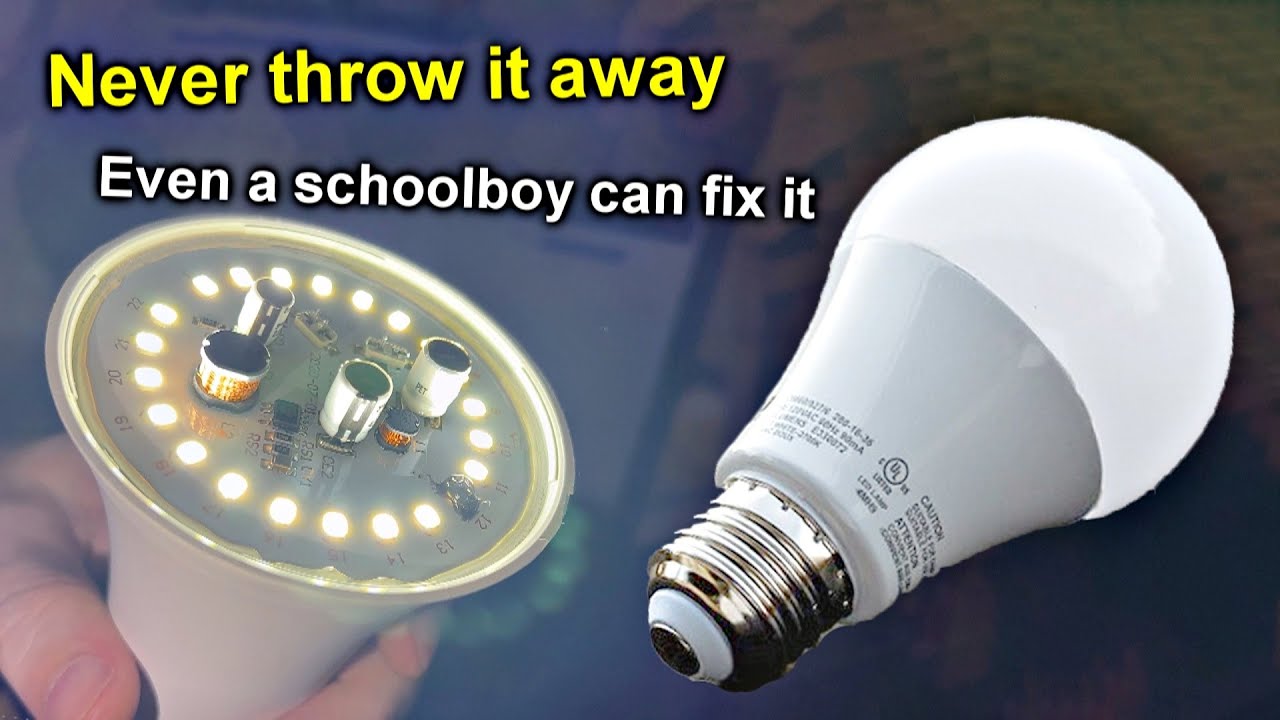
How to Fix a Led Light Bulb: Quick and Easy Steps
Have you ever flipped the switch only to find your room still cloaked in darkness? A faulty LED light bulb can be frustrating, especially when you rely on it to brighten up your space.
But what if fixing it isn’t as hard as it seems? Imagine saving money and avoiding unnecessary trips to the store by learning a few simple tricks. In this guide, we’ll walk you through practical steps to troubleshoot and fix your LED light bulb.
With just a bit of effort, you can restore that warm glow in your home. Ready to light up your life? Let’s get started!

Credit: www.youtube.com
Safety Precautions
Ensure the power is off before starting. Switch off the light switch. Unplug any related devices. This prevents electric shock. Safety comes first.
Put on gloves to protect your hands. Gloves prevent cuts and scrapes. Wear safety goggles. Goggles keep your eyes safe. Be careful with broken glass.
Identifying The Problem
Loose connections can cause the light to flicker or not work. Start by turning off the power. Then, remove the bulb from its socket. Look at the bulb base and socket. Make sure they are clean and tight. Dirt or dust can block the current. Gently twist the bulb back into the socket. Ensure it sits snugly. Turn the power on. Observe if the light now works well.
Examine the bulb carefully for any cracks or breaks. Damaged bulbs can be dangerous. They may also not light up. Look at the bulb’s glass and base. Check for any burnt marks. These can show internal damage. If you find damage, replace the bulb immediately. Use a new bulb with the same wattage. This ensures safety and proper functioning.
Fixing Loose Connections
Sometimes a bulb doesn’t light up because it’s not tight. Twist the bulb gently. Make sure it’s secure in the socket. A loose bulb can flicker or not work at all. Check if the bulb lights up after you tighten it. Always turn off the light switch first. Safety first!
A loose fixture can make a bulb misbehave. Check if the fixture is stable. Use a screwdriver to tighten screws. Make sure the fixture is firm. Sometimes a shaky fixture can cause issues. Stability helps the bulb work better. A firm fixture keeps everything in place.
Replacing A Faulty Driver
First, turn off the power. This is very important for safety. Check if the bulb is cool. Wait if it is still warm. Use a screwdriver to open the light fixture. Locate the driver. It is a small box inside. Disconnect the wires carefully. Remember their places. Remove the old driver. Keep it aside. Do not throw it away yet. You might need it.
Place the new driver where the old one was. Connect the wires to the same places. Check the connections. They must be tight. Close the light fixture with the screwdriver. Turn the power back on. Test the light. It should work now.
Addressing Flickering Issues
LED bulbs may flicker if the dimmer switchis not compatible. Turn the switch up and down slowly. This may help you find a spot where the light stays steady. If flickering continues, consider using a dimmer made for LEDs. This may solve the problem easily.
Voltage changes can make lights flicker. Use a voltage testerto check your home’s power. Ensure power levels are steady. If voltage is not stable, call an electrician. They can fix it safely. Always be careful when dealing with electricity.
Dealing With Overheating
Good air flow is needed for LED bulbs. Overheating can make them stop working. Place bulbs in open spaces. Avoid closed fixtures. They trap heat. This can harm the bulb. Make sure air can move around the bulb.
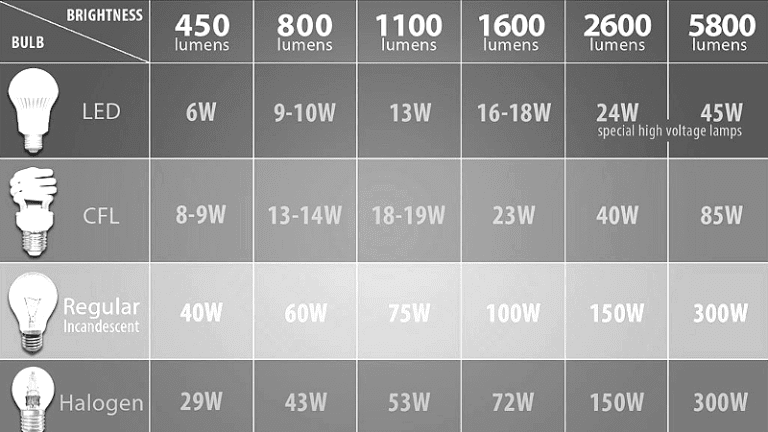
High wattage bulbs can create too much heat. This is bad for LEDs. Choose a bulb with lower wattage. It will be cooler. It will also save energy. Look at the bulb’s package. Check the wattage number. Pick a lower one. This helps the bulb last longer.
Testing The Repairs
Check the repaired LED light bulb by turning it on. Ensure it lights up properly without flickering. Confirm the bulb’s brightness matches the expected level to complete the repair process.
Turn On The Power
First, make sure the light switch is off. Carefully plug in the lamp. Then, switch on the power. Watch the bulb closely. Does it light up? If yes, the repair worked. If not, check again.
Observe For Any Issues
Look for flickering or dim light. These signs mean a problem. Make sure connections are tight. Loose wires can cause issues. Feel the bulb gently. Is it warm? It should be warm, not hot. If it’s hot, turn off the power. Check for damage on the bulb base. A broken base can cause problems. Repair any damage before trying again.

Credit: www.ifixit.com
When To Replace The Bulb
A broken bulb can be frustrating. Flickering lights are a bad sign. This often means the bulb is about to stop working. Black spots on the bulb are another clue. These spots show the bulb is damaged inside. If the bulb is very dim, it may not get better. Sometimes, a bulb might buzz when turned on. This noise is not good. It may mean the bulb is no longer safe. Cracks on the bulb are dangerous. A cracked bulb can break and cause harm.
Picking a new bulb needs care. Make sure it fits your lamp. Check the wattage. The wattage must match your old bulb. Brightness is important. Choose how bright you want your room. Color matters too. Some bulbs give a warm light. Others give a cool light. Energy-saving bulbs can help save money. They last longer too. Always check the label on the bulb box.
Frequently Asked Questions
How Do You Diagnose A Faulty Led Bulb?
To diagnose a faulty LED bulb, first check if it flickers or dims. Inspect the bulb for visible damage or discoloration. Test the bulb in another socket to rule out socket issues. If the bulb still doesn’t work, it may be defective and need replacing.
Can You Repair A Non-working Led Bulb?
Repairing a non-working LED bulb is possible but challenging. Check the connections and solder joints for issues. Replace any damaged components like resistors or capacitors. Ensure the power supply is functioning correctly. If the bulb remains non-functional, consider replacing it.
Why Do Led Bulbs Stop Working Suddenly?
LED bulbs may stop working due to a power surge, faulty driver, or overheating. Frequent on-off cycles can also shorten their lifespan. Ensure your LED bulb has adequate ventilation to prevent overheating. If the bulb fails suddenly, consider checking for these issues.
What Are Common Led Bulb Issues?
Common LED bulb issues include flickering, dimming, and color shifts. Overheating can cause these problems. Check for loose connections and ensure proper ventilation. If these issues persist, inspect the bulb’s components and consider replacing the bulb if necessary.
Conclusion
Fixing a LED light bulb can be simple. Follow the steps carefully. Safety first. Always switch off power before starting. Check for loose connections. Tighten them if needed. Replace the bulb if faulty. Use appropriate tools for the task. This saves time and effort.
LED bulbs are efficient and long-lasting. Regular maintenance keeps them working well. Keep these tips handy for future fixes. With practice, anyone can do it. Brighten your space with functional LED lights. Enjoy energy savings and a well-lit home. Remember, a little knowledge goes a long way.
Happy fixing!