How to Fix Dishwasher Soap Dispenser Door Latch
My Dishwasher Disaster
I’ll never forget the day my dishes came out grimy. I opened my dishwasher, expecting sparkling plates, but found soap stuck in the dispenser! The door latch wouldn’t open, and I was frustrated. After some tinkering, I fixed it myself and saved money. In this guide, I’ll show you how to fix dishwasher soap dispenser door latch with easy steps. Whether you’re new to repairs or a DIY pro, you’ll learn to get your dishwasher cleaning like new. Let’s dive in and solve this pesky problem together!
What Is a Dishwasher Soap Dispenser Door Latch?
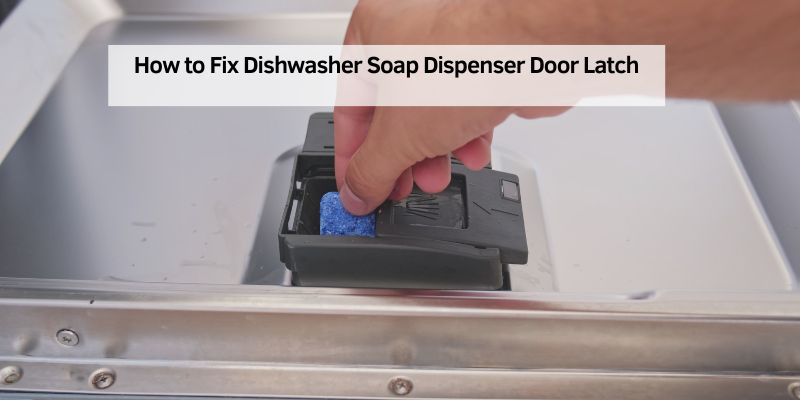
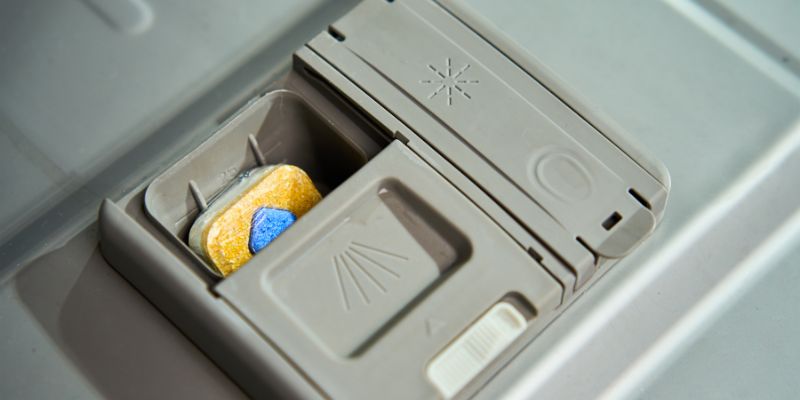
A soap dispenser door latch holds the detergent in place. It pops open during the wash cycle to release soap.
This latch is a small plastic or metal piece. It works with a spring or motor to open at the right time.
If the latch breaks, soap stays trapped. Your dishes won’t get clean, and you’ll waste water.
Understanding this part helps you fix it fast. It’s like a tiny gatekeeper for your dishwasher’s soap!
Why Does the Latch Stop Working?
Latches can fail for a few simple reasons. Let’s break them down.
Dirt or soap buildup can make the latch stick. This happens when detergent residue piles up.
A broken spring or pin can stop the latch from moving. These parts wear out over time.
Some dishwashers use a wax motor or timer. If these fail, the latch won’t open.
I once found a spatula blocking my dispenser door! Check for items in the way, too.
Tools and Materials You’ll Need
Fixing the latch is easy with the right tools. Here’s what I use.
You’ll need a screwdriver, like a Phillips or Torx. Check your dishwasher’s manual for the right one.
A damp cloth helps clean sticky residue. A small brush, like an old toothbrush, works great, too.
You might need a replacement latch or spring. Buy one that matches your dishwasher model.
A multimeter tests electrical parts like wax motors. It’s optional but helpful for advanced fixes.
Table 1: Tools for Fixing Dishwasher Soap Dispenser Door Latch
| Tool | Purpose | Where to Find |
|---|---|---|
| Phillips/Torx Screwdriver | Remove door panel screws | Hardware stores |
| Damp Cloth/Brush | Clean residue | Your kitchen |
| Replacement Latch/Spring | Replace broken parts | Whirlpool Parts |
| Multimeter | Test wax motor or timer | Electronics shops |
| Caption: Simple tools make this repair a breeze for beginners. |
How to Fix Dishwasher Soap Dispenser Door Latch: Step-by-Step Guide
Ready to fix that latch? Follow these easy steps.
I’ve done this myself, and it’s simpler than it looks. Let’s get started!
Step 1: Unplug the Dishwasher
Safety first! Unplug your dishwasher from the power outlet.
This prevents shocks while you work. Double-check it’s off before starting.
Step 2: Check for Blockages
Open the dishwasher door and inspect the dispenser. Look for dishes blocking the latch.
Rearrange any pots or pans in the way. This fixed my issue once!
Step 3: Clean the Dispenser
Use a damp cloth to wipe the latch. Remove any soap or food gunk.
A toothbrush can scrub tricky spots. This often solves sticky latch problems.
Step 4: Inspect the Latch and Spring
Open the dispenser door. Check the latch and spring for cracks or bends.
If they’re damaged, you’ll need to replace them. I found my spring was broken once.
Step 5: Remove the Inner Door Panel
Use your screwdriver to remove screws around the door’s inner panel. Keep screws safe!
Lift off the panel to access the dispenser. Check your manual for model-specific tips.
Step 6: Replace the Latch or Spring
If the latch or spring is broken, pop off the old one. Snap the new part into place.
Make sure it fits snugly. This took me just five minutes.
Step 7: Test Electrical Parts (Optional)
If the latch still won’t open, test the wax motor. Use a multimeter to check continuity.
No continuity? Replace the wax motor. This is for advanced DIYers.
Step 8: Reassemble and Test
Put the panel back and screw it in. Plug in the dishwasher.
Run a short cycle. Check if the latch opens and soap dispenses.
Numbered List: Steps to Fix the Latch
- Unplug dishwasher for safety.
- Check for blockages like dishes.
- Clean latch with cloth or brush.
- Inspect latch and spring for damage.
- Remove inner door panel with screwdriver.
- Replace broken latch or spring.
- Test wax motor with multimeter (optional).
- Reassemble and run a test cycle.
Tip: Follow these steps in order to avoid mistakes.
Table 2: Common Dishwasher Latch Issues and Fixes
| Issue | Cause | Fix |
|---|---|---|
| Latch won’t open | Soap buildup | Clean with cloth |
| Door stays closed | Broken spring | Replace spring |
| No soap release | Faulty wax motor | Test and replace |
| Latch won’t close | Misaligned latch | Adjust or replace |
| Caption: Quick fixes for common latch problems save time and money. |
Benefits of Fixing the Latch Yourself
Fixing the latch saves money. Professional repairs can cost $100-$200!
It’s also quick. I fixed mine in under 30 minutes.
You’ll learn a new skill. DIY repairs feel rewarding and fun.
Your dishes will be cleaner. A working latch means better washing.
One downside? You might need to buy parts. But they’re usually cheap.
Drawbacks and Other Options
Sometimes, the latch isn’t the only problem. A faulty control board can cause issues, too.
Replacing the whole dispenser might be easier for older dishwashers. It costs more, though.
You could call a pro, but it’s pricey. I prefer DIY to save cash.
If the fix doesn’t work, check the timer or motor. These need more skill to repair.
Table 3: Fix vs. Replace vs. Professional Help
| Option | Cost | Time | Skill Level |
|---|---|---|---|
| Fix latch yourself | $10-$30 | 30 min | Beginner |
| Replace dispenser | $50-$100 | 1 hour | Intermediate |
| Hire a professional | $100-$200 | 1-2 hours | None |
| Caption: Compare options to choose the best fix for you. |
My Top Tips for Success
I’ve fixed my dishwasher latch a few times. Here are my best tips.
- Clean regularly. Wipe the dispenser monthly to prevent buildup.
- Check dishes. Don’t let pots block the door. It’s a common mistake.
- Use the right detergent. Pods can stick if the latch is weak.
- Buy quality parts. Cheap replacements break faster. I learned this the hard way.
- Watch a video. Visual guides on GE Appliances helped me.
Bullet List: Tips to Prevent Latch Issues
- Wipe dispenser with a damp cloth monthly.
- Avoid overloading the dishwasher with big items.
- Use powder detergent if pods stick.
Tip: Simple habits keep your latch working longer.
Visual Ideas for Better Understanding
Imagine a diagram of the dispenser latch and spring. It shows how they connect.
Picture a photo of tools laid out on a table. It makes preparation clear.
A step-by-step infographic could guide you through the repair. These visuals aren’t included but would help.
Common Mistakes to Avoid
Don’t skip unplugging the dishwasher. It’s dangerous to work with power on.
Avoid forcing the latch open. You might break it more.
Don’t use the wrong screwdriver. It can strip screws and cause frustration.
I once forgot to check for blockages. It wasted my time!
Conclusion
Fixing your dishwasher soap dispenser door latch is easier than you think. With a few tools and my steps, you can save money and get clean dishes again. I loved the satisfaction of fixing mine myself. Try it out, and you’ll feel like a DIY hero! Share your success in the comments or ask for help if you’re stuck. Let’s keep those dishes sparkling!
Frequently Asked Questions
Why won’t my dishwasher soap dispenser door open?
Soap buildup or a broken spring often causes this. Clean the latch with a damp cloth.ទ. If it’s still stuck, check for blockages or replace the spring. A wax motor might also be faulty, so test it with a multimeter.
What if the latch won’t close properly?
A misaligned or broken latch might be the issue. Inspect it for damage and clean any residue. If it’s broken, replace it with a part from Whirlpool. Tighten the rinse aid cap, as it can affect closing.
Can I use a dishwasher pod if the latch is broken?
Yes, but place the pod in the utensil basket. Pods at the bottom may wash away too soon. Ensure no dishes block the dispenser. Powder detergent works better with a weak latch.
How do I know if the wax motor is the problem?
If cleaning and replacing the spring don’t work, test the wax motor. Use a multimeter to check for continuity. No continuity means it’s faulty and needs replacement. This requires some skill.
Should I replace the entire dispenser?
If the latch and spring are fine, but the problem persists, consider replacing the dispenser. It’s more expensive but easier for complex issues. Check GE Appliances for parts.
How often should I clean the dispenser?
Clean it every few months to prevent buildup. Use warm water and a soft brush. Regular cleaning stops sticky latches and keeps your dishwasher running smoothly.
What if my dishwasher is old?
Older models may use a timer instead of a wax motor. If the latch doesn’t open, the timer might be faulty. Test it or call a pro for help. Replacement parts are still available.