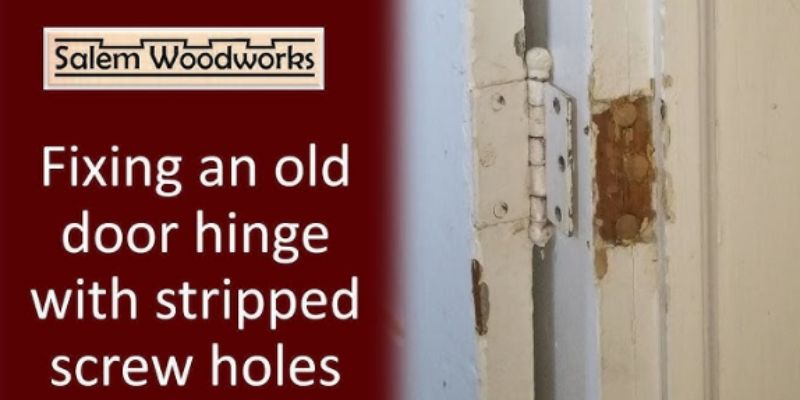
How to Fix a Door Ripped Off Hinges: A Step-by-Step Guide for Homeowners
Hey there! Picture this: you’re rushing out to a car show, and you swing open your garage door a bit too hard, only to hear a loud crack as it rips off its hinges. Yikes! As a car enthusiast who loves tackling DIY projects, I’ve faced this exact mess with my garage door and learned how to fix it.
A door ripped off its hinges might seem like a disaster, but with the right tools and a bit of patience, you can get it back in place. In this article, I’ll walk you through every step to repair a door that’s come off its hinges, share tips from my own experience, and tie it to our automotive lifestyle. Whether it’s your garage, front door, or interior door, let’s get it swinging smoothly again!
Why Doors Get Ripped Off Hinges
Doors don’t just pop off hinges for no reason. I learned this when my garage door gave way after years of heavy use. Rough handling, like slamming or pulling too hard, can weaken hinges. Kids swinging on doors or pets jumping against them can do it, too. My dog once rammed into my interior door, loosening the hinges over time.
Poor installation is another culprit. If hinges aren’t secured properly, they can pull out under stress. Weather can also play a role—moisture swells wooden doors, making them heavier and stressing hinges. It’s like neglecting your car’s suspension; small issues build up until something breaks.
Assessing the Damage
Before you grab your tools, take a close look at the problem. I did this with my garage door to figure out what went wrong. Is the door itself damaged, like cracked wood or dents? Are the hinges bent or pulled out? Check the door frame too—screws might have ripped out, leaving holes.
I found my garage door had splintered wood around the hinge, and the screws were loose. Lift the door gently to see if it’s warped or too heavy. This step is like diagnosing a car’s engine noise—you need to know what’s broken before you fix it.
Gathering Tools and Materials
You’ll need a solid toolkit, but nothing too fancy. I used a screwdriver (Phillips and flathead), a drill, wood filler, sandpaper, a hammer, a chisel, and replacement screws or hinges if needed. A level ensures the door hangs straight, and a tape measure helps with alignment. I keep these in my garage from car projects, so I was set.
If the wood is damaged, grab wood glue or dowels for repairs. New hinges cost $5-$20, depending on size. If the door or frame is badly splintered, you might need a patch of wood or a new door, but let’s try fixing it first. It’s like having spare parts for a car repair—be ready for anything.
Safety First: Preparing the Work Area
Safety is my top priority, whether I’m under a car or fixing a door. I made sure my garage was clear of tools and car parts before starting. Remove anything that could trip you, like kids’ bikes or oil cans. If the door is heavy, get a friend to help hold it—I learned this after nearly dropping mine!
Wear gloves to protect your hands from splinters or sharp hinge edges. Safety glasses are smart too, especially when drilling or chiseling. If the door is swinging loose, prop it with a chair or wedge to keep it steady, like jacking up a car securely before working.
Removing the Damaged Door
If the door is still attached, you need to take it off. I started by supporting my garage door with a couple of sawhorses. If hinges are intact, unscrew them from the frame or door, depending on where they’re still attached. I used a Phillips screwdriver and held the door to keep it from falling.
If hinges are bent or stuck, spray WD-40 to loosen screws. For pins still in the hinges, tap them out with a hammer and a flathead screwdriver. I had to wiggle one pin free on my door. Set the door aside on a flat surface, like laying out car parts during a repair. Keep screws and hinges in a container so they don’t roll under your workbench.
Repairing the Door’s Wood Damage
A ripped-off hinge often leaves splintered wood or stripped screw holes. My garage door had a mess around the top hinge. For small cracks, I applied wood glue, pressed the pieces together, and clamped them for a few hours. It’s like bonding a cracked car part with epoxy.
For stripped screw holes, I filled them with wood filler, let it dry, and sanded it smooth. If the holes are large, insert wooden dowels with glue, cut them flush, and drill new pilot holes. I did this for my door and it held screws like new. Sand the area to make it even, like prepping a car’s surface for paint.
Fixing the Door Frame
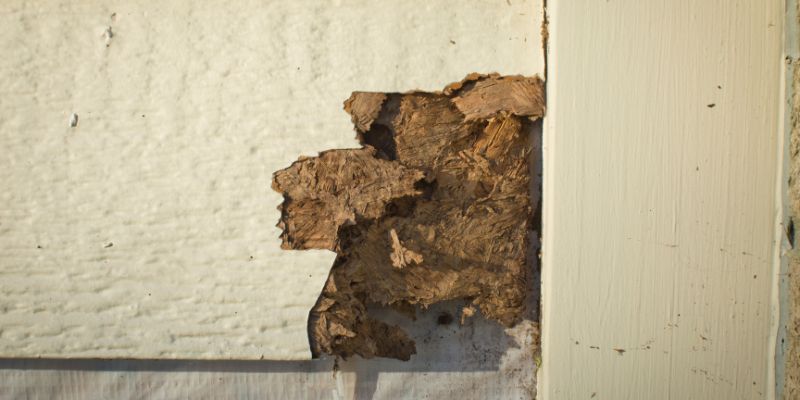
The door frame often takes a hit, too. I found my frame had splintered where the hinge screws pulled out. Clean out loose wood with a chisel, like scraping rust off a car’s frame. Apply wood filler or glue to small cracks, then sand smooth once dry.
For bigger damage, I cut a small wood patch, glued it in place, and secured it with screws. Drill pilot holes to prevent splitting. I painted the patch to match the frame, like touching up a car’s bodywork. Check the frame’s alignment with a level—any warping can make the door hang wrong.
Replacing or Repairing Hinges
Bent or broken hinges need attention. I inspected mine and found that one was warped. If hinges are reusable, clean them with a wire brush and WD-40 to remove rust. For bent hinges, I tried hammering them flat on a workbench, but if they’re too damaged, replace them.
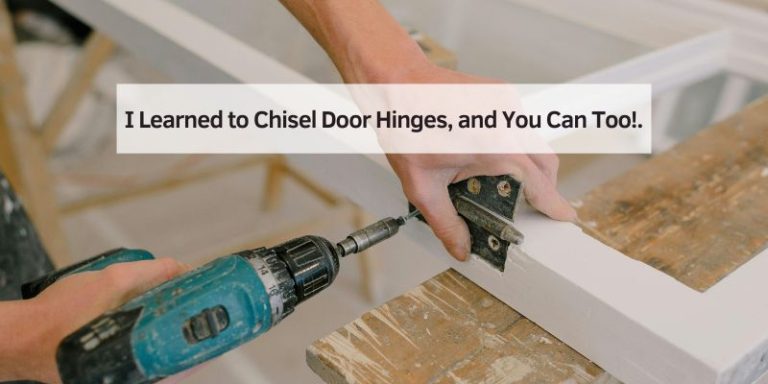
New hinges should match the old ones in size and screw placement. I bought heavy-duty hinges for my garage door to handle the weight. Line up the hinge on the door, mark screw holes with a pencil, and drill pilot holes. It’s like aligning a car’s new part before bolting it on.
Reattaching the Door
Now it’s time to hang the door back up. This part felt like installing a new car door panel—tricky but rewarding. With a friend’s help, I lifted my door and aligned the hinges with the frame. If you’re using new hinges, attach them to the door first, then the frame.
Insert hinge pins or screw the hinges into the frame, starting with the top hinge for stability. I tapped pins in with a hammer, checking alignment as I went. Tighten screws gradually, like torquing a car’s lug nuts in a star pattern. Use a level to ensure the door hangs straight.
Adjusting the Door for Smooth Operation
A newly hung door might need tweaks, like tuning a car’s suspension. I opened and closed my door to check for sticking or gaps. If it rubs the frame, loosen hinge screws slightly and shift the door. I had to nudge mine up a bit to clear the floor.
If the door doesn’t close flush, adjust the strike plate (the metal piece the latch hits). Loosen its screws and move it slightly, like adjusting a car’s hood latch. Test the door’s swing and lock to ensure everything clicks, like a smooth gear shift.
Reinforcing the Repair for Longevity
To prevent future rip-offs, I reinforced my door. I added longer screws (2-3 inches) to the hinges for a stronger hold, like upgrading to high-strength bolts in a car. For heavy doors, consider adding a third hinge for extra support, which I did for my garage door.
Check the door’s weight—if it’s too heavy, the hinges will strain again. I sanded my door’s edges to reduce swelling from moisture, like sealing a car’s undercarriage against rust. Regular maintenance, like tightening screws yearly, keeps hinges secure.
Painting or Finishing the Door
After repairs, your door might need a touch-up. My garage door had visible patches, so I sanded the repaired areas and applied primer. I painted it to match the rest of the door, like blending a car’s new paint job. Use exterior paint for outdoor doors to resist the weather.
For interior doors, stain or varnish can work if you prefer a wood look. I sealed my repairs with a clear coat for protection, like waxing a car to lock in shine. Let the finish dry completely before rehanging or using the door heavily.
Maintaining Your Door and Hinges
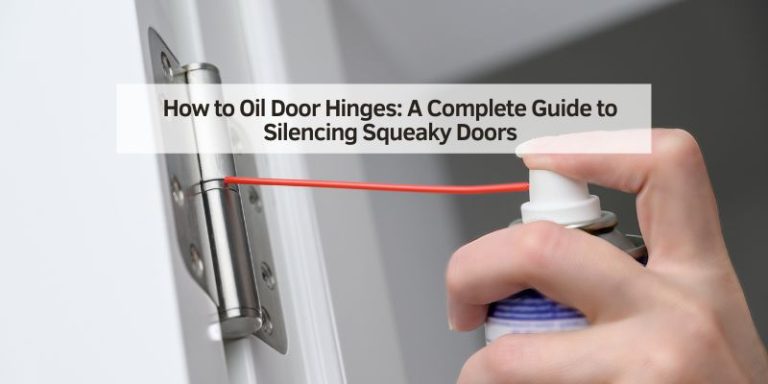
A fixed door needs care to stay strong, like a car needs regular oil changes. I check my hinges every six months, tightening screws and adding a drop of lubricant to the pins. Clean hinges with a cloth to remove dust or grime, like detailing a car’s chrome.
Keep the door’s track or threshold clean to prevent sticking. For wooden doors, seal or paint them every few years to block moisture. My garage door stays smooth because I maintain it, just like I keep my car’s engine purring with routine care.
Troubleshooting Common Issues
I hit a few snags fixing my door, so let’s cover common problems. If the door still wobbles, check for loose screws or a warped frame. I tightened all screws and used a level to confirm alignment. If screws won’t hold, use longer ones or dowels to reinforce holes.
If the door sticks after rehanging, sand the edges or adjust the hinges. I had to shave a bit off my door’s bottom to clear the threshold. If the latch doesn’t catch, the strike plate might need repositioning. It’s like troubleshooting a car’s misfire—small tweaks fix big issues.
Connecting to the Automotive Lifestyle
As a car enthusiast, I see fixing a door as part of the same DIY mindset. A sturdy door protects your home or garage, where you store your car or tools, just like a strong lock guards your vehicle. I fixed my garage door to keep my car parts safe, and it felt like upgrading my car’s security system.
The skills are similar too: using a drill, aligning parts, and troubleshooting. The satisfaction of swinging a repaired door open is as sweet as hearing your car roar after a tune-up. Plus, a solid door makes your garage a better spot for car projects or showing off your ride to friends.
When to Replace Instead of Repair
Sometimes, a door or frame is too damaged to fix. I considered this when my garage door had deep cracks, but the repairs worked. If the wood is rotted, warped, or splintered beyond patching, a new door might be smarter. The same goes for a frame that’s cracked or sagging.
New doors cost $200-$800, depending on the material, like buying a new car part versus patching an old one. If hinges keep failing despite repairs, the door might be too heavy for them. I weighed the cost and effort and stuck with fixing, but I know when to call it quits.
Cost and Budget Considerations
Fixing a door is wallet-friendly. Hinges cost $5-$20 each, screws or dowels are $1-$5, and wood filler or glue is $5-$10. I spent about $30 total on my garage door repair. A new door or professional repair runs $200-$1,000, like paying a shop for a car fix instead of doing it yourself.
Shop at hardware stores or online for deals. I found hinges on sale at a local shop, like snagging discounted car parts. Reuse tools you already have to save more. It’s a small investment for a big payoff in security and function.
Table: Common Door Repair Challenges and Fixes
Here’s a table I made to summarize fixes for common issues, like a car repair cheat sheet.
| Challenge | Cause | Fix | Prevention Tip |
|---|---|---|---|
| Stripped Screw Holes | Loose or worn screws | Fill with wood filler or dowels, redrill | Use longer screws, check regularly |
| Splintered Wood | Hinge pull-out | Glue cracks, fill with wood filler | Reinforce with heavier hinges |
| Bent Hinges | Stress or impact | Hammer flat or replace with new hinges | Seal the door to prevent swelling |
| Door Misalignment | Warped door or frame | Adjust hinges, sand edges, and level the frame | Adjust hinges, sand edges, level the frame |
This table kept me on track, and it’ll help you stay organized.
Conclusion
Fixing a door ripped off its hinges is a project any car enthusiast can handle with confidence. From patching splintered wood to hanging the door straight, I’ve shared my journey to make your repair as smooth as a freshly paved road. Just like tuning up your car, this task takes a bit of skill and a lot of heart. A solid door means a secure home, whether it’s protecting your garage full of tools or your family’s peace of mind. With these steps, you’ll swing that door open with the same pride as revving your engine after a long day’s work. So grab your tools, roll up your sleeves, and let’s get that door back in action! Thanks for joining me—here’s to sturdy doors and epic drives!
FAQs
What tools do I need to fix a door ripped off its hinges?
A screwdriver, drill, hammer, chisel, wood filler, sandpaper, level, and new hinges or screws. Gloves and a friend to hold the door open help too.
Can I fix a door with splintered wood?
Yes, use wood glue for cracks and wood filler or dowels for screw holes. Sand it smooth and redrill for strong hinges.
Why did my door rip off its hinges?
Rough handling, poor installation, heavy doors, or moisture swelling can weaken hinges. Check for loose screws or wear over time.
How do I know if I need a new door?
If the wood is rotted, warped, or too splintered to patch, replace it. A new door costs $200-$800, depending on the material.
How much does it cost to fix a door’s hinges
DIY repairs cost $20-$50 for hinges, screws, and filler. Professional repairs or new doors run $200-$1,000.