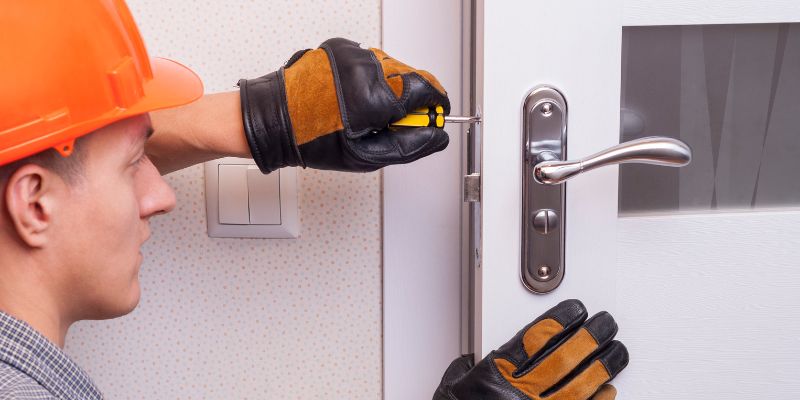
How to Fix a Front Door Handle: A Step-by-Step Guide to Restoring Your Entryway
Hey there! So, your front door handle is acting up, huh? Maybe it’s loose, wobbly, or just not working like it used to. I’ve been there, and trust me, it’s frustrating when something as simple as opening your door becomes a hassle. A broken front door handle isn’t just annoying—it can make your home feel less secure and even hurt its curb appeal. But don’t worry! I’ve spent plenty of time tinkering with door handles, and I’m here to walk you through how to fix a front door handle like a pro. Whether it’s a quick tighten or a full replacement, I’ve got you covered with practical, easy-to-follow steps that’ll have your door working smoothly in no time. Let’s dive in and get that handle fixed!
Why Fixing Your Front Door Handle Matters
Your front door handle is more than just a way to get in and out of your house. It’s the first thing guests touch, and it plays a big role in your home’s security. A loose or broken handle can make it easier for someone to break in, and it just doesn’t feel right when you’re struggling to open your own door. I remember when my front door handle started sticking—it drove me nuts every time I came home with groceries! Fixing it not only made life easier but also gave me peace of mind knowing my door was secure again.
Plus, a shiny, well-functioning handle can boost your home’s appearance. It’s one of those small details that people notice without even realizing it. Whether you’re planning to sell your house or just want it to feel more welcoming, a solid front door handle is a must. Let’s talk about how to figure out what’s wrong with yours.
Diagnosing the Problem with Your Door Handle
Before you grab your toolbox, you need to know what’s going on with your handle. I learned this the hard way when I started unscrewing things without checking first and ended up with a pile of parts I didn’t know how to put back together! Here’s how to diagnose the issue like a seasoned DIYer.
Start by giving your handle a good wiggle. Is it loose? Does it turn but the latch doesn’t move? Or maybe the key won’t turn in the lock? Each of these clues points to a different problem. A loose handle usually means screws need tightening or internal parts are worn out. If the handle turns but the door won’t open, the latch mechanism might be stuck or broken. And if the lock is the issue, you might be dealing with a faulty cylinder or a key that’s seen better days.
Take a close look at the handle and lock. Check for visible damage, like cracks or rust. If you’ve got a screwdriver handy, try tightening any visible screws to see if that helps. If not, don’t sweat it—we’ll walk through the fixes step by step.
Tools and Materials You’ll Need
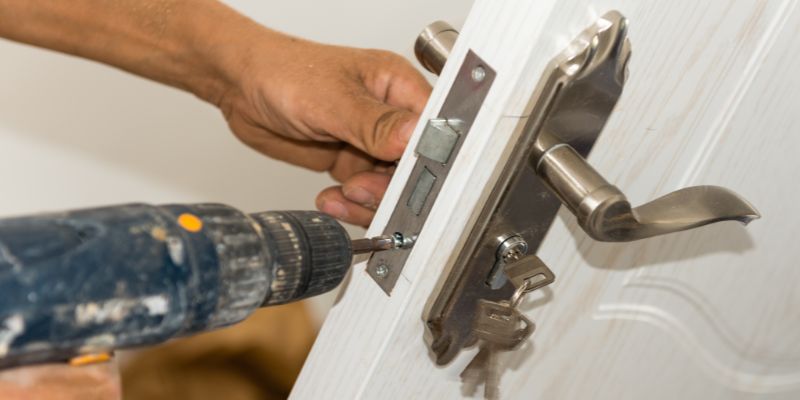
Fixing a front door handle doesn’t require a ton of fancy tools, which is great news. I’ve done this with just a few basics from my toolbox. Here’s what you’ll likely need:
| Tool/Material | Purpose |
|---|---|
| Phillips screwdriver | For tightening or removing screws |
| Flathead screwdriver | For prying or loosening tight parts |
| Replacement handle (if needed) | To swap out a broken or outdated handle |
| Lubricant (like WD-40) | To loosen stuck parts or lubricate the lock |
| Allen wrench (optional) | For set screws on some modern handles |
| Cleaning cloth | To wipe down parts and keep things tidy |
| Replacement screws | In case the originals are stripped or lost |
| Lock cylinder (optional) | If the lock itself is faulty |
If you’re replacing the handle, make sure the new one matches your door’s measurements. I made the mistake of buying a handle that didn’t fit my door’s thickness once, and it was a headache to return. Check the packaging for compatibility with your door type (usually 1-3/8 to 1-3/4 inches thick for standard front doors).
Step-by-Step Guide to Fixing a Loose Door Handle
A loose door handle is one of the most common issues, and it’s usually a quick fix. I’ve fixed mine a few times when the kids kept yanking on it too hard. Here’s how to do it:
- Locate the Screws: Most front door handles have screws on the interior side of the door. Look for them around the base of the handle or on the plate behind it. Some handles hide screws under a decorative cover, which you can pop off with a flathead screwdriver.
- Tighten the Screws: Use a Phillips screwdriver to tighten any loose screws. Don’t overdo it—tighten just until they’re snug. I stripped a screw once by going too hard, and it was a pain to replace.
- Check the Set Screw: Some handles have a small set screw (usually needing an Allen wrench) on the handle itself. If it’s loose, give it a gentle turn to secure the handle to the spindle.
- Test the Handle: Give the handle a few turns to see if it feels solid. Open and close the door to make sure it latches properly. If it’s still wobbly, the internal mechanism might be worn out, and you may need to replace the handle.
This fix takes about 10 minutes and usually solves the problem. If tightening doesn’t work, don’t worry—we’ll cover more complex issues next.
Fixing a Stuck or Jammed Door Handle
If your handle turns but the latch doesn’t move, or it feels stiff, you’ve got a stuck mechanism. This happened to me after a particularly humid summer when the door swelled a bit. Here’s how to tackle it:
- Lubricate the Mechanism: Spray a lubricant like WD-40 into the latch and lock mechanism. Insert the nozzle into the keyhole and the latch opening on the side of the door. Give it a few sprays, then work the handle and key back and forth to spread the lubricant. I was amazed at how much smoother my handle felt after this!
- Check the Latch Alignment: Sometimes, the latch doesn’t line up with the strike plate on the door frame. Open the door and watch the latch as you turn the handle. If it doesn’t move smoothly, loosen the screws on the strike plate and adjust its position slightly. Test the door to see if it closes better.
- Inspect the Spindle: The spindle is the metal rod connecting the inner and outer handles. If it’s bent or damaged, the handle won’t work right. You’ll need to remove the handle (see the replacement section below) to check it. If it’s damaged, replacing the handle set is usually the best fix.
If lubrication and alignment don’t solve the issue, the latch mechanism inside the door might be broken. That’s a bit trickier, but we’ll cover it later.
Replacing a Faulty Door Handle
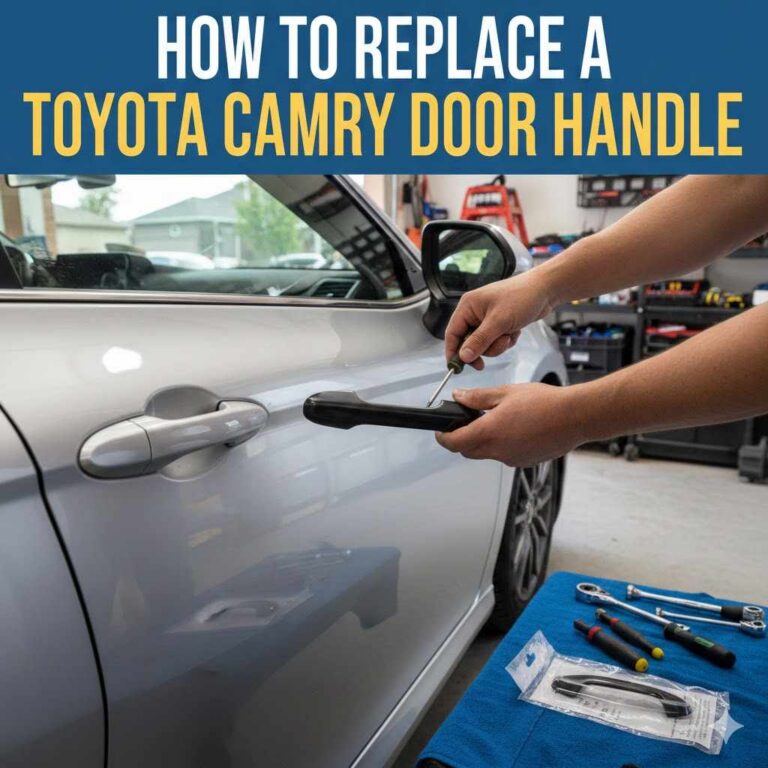
Sometimes, tightening or lubricating just won’t cut it. If your handle is cracked, rusted, or just too old to function, it’s time to replace it. I replaced my front door handle last year to upgrade to a sleeker, more modern look, and it wasn’t as hard as I thought. Here’s how to do it:
- Remove the Old Handle: Start by unscrewing the interior handle. Most handles have two screws on the inside plate. Remove them, and the handle should come off easily. The exterior handle will either pull off or be held by additional screws or a set screw. If there’s a lock cylinder, you may need to remove a retaining screw from the side of the door to slide it out.
- Remove the Latch Mechanism: On the edge of the door, you’ll see the latch assembly held in by two screws. Remove these, and pull out the latch. Keep it handy—you might be able to reuse it if it’s in good shape and matches your new handle.
- Install the New Latch: Slide the new latch into the hole on the door’s edge. Make sure it’s facing the right direction (the beveled side of the latch should face the door frame). Secure it with the provided screws.
- Attach the New Handle: Follow the manufacturer’s instructions to install the new handle. Usually, you’ll insert the exterior handle first, making sure the spindle aligns with the latch. Then, attach the interior handle and tighten the screws. If there’s a lock cylinder, slide it into place and secure it with the retaining screw.
- Test Everything: Turn the handle, test the lock, and make sure the door opens and closes smoothly. I had to adjust the strike plate slightly after installing my new handle to get a perfect fit.
This process took me about 30 minutes, and the new handle made my front door feel brand new. If you’re upgrading, consider a handle with a smart lock for added security—I love mine!
Fixing a Faulty Lock Cylinder
If the key won’t turn or the lock feels gritty, the lock cylinder might be the culprit. This happened to me when my key started sticking, and I thought I’d need a locksmith. Turns out, it’s a fix you can handle yourself.
- Remove the Cylinder: Remove the door handle as described above to access the lock cylinder. There’s usually a retaining screw on the edge of the door holding it in place. Unscrew it, and slide the cylinder out.
- Clean or Lubricate: Spray the cylinder with lubricant and work the key in and out to loosen any gunk. If it’s still sticky, soak it in a cleaning solution (like rubbing alcohol) for a few minutes, then lubricate again.
- Replace if Needed: If cleaning doesn’t work, buy a new cylinder that matches your handle brand and door thickness. Slide it into place, secure it with the retaining screw, and reassemble the handle.
- Test the Lock: Make sure the key turns smoothly and the lock engages properly. If you’re replacing the cylinder, you might need to rekey it to match your existing keys—some hardware stores offer this service.
This fix saved me a call to the locksmith, and it felt great to do it myself.
Maintaining Your Door Handle for Longevity
Once your handle is fixed, a little maintenance goes a long way. I learned this after neglecting my handle for years and ending up with a bigger repair than necessary. Here’s how to keep it in top shape:
- Clean Regularly: Wipe down the handle with a damp cloth to remove dirt and grime. Avoid harsh chemicals that can damage the finish.
- Lubricate Annually: Spray a bit of lubricant into the lock and latch every year to keep things moving smoothly.
- Check Screws: Every few months, give the screws a quick tighten to prevent loosening.
- Inspect for Wear: If you notice rust or cracks, replace the handle before it becomes a bigger problem.
These simple steps will keep your front door handle looking and working great for years.
When to Call a Professional
Most door handle fixes are DIY-friendly, but sometimes you need a pro. If the internal latch mechanism is broken deep inside the door, or if you’re dealing with a high-security lock, it might be worth calling a locksmith. I tried fixing a complex smart lock once and ended up making it worse—lesson learned! If you’re not comfortable with tools or the door is part of a rental property, a professional can save you time and stress.
Conclusion
Fixing your front door handle might seem like a small task, but it makes a big difference. I still remember the satisfaction of turning my newly fixed handle and hearing that satisfying click as the door opened smoothly. Whether you’re tightening a screw, lubricating a lock, or installing a shiny new handle, you’re not just fixing a problem—you’re making your home more secure, functional, and welcoming. Plus, doing it yourself is empowering and saves you money! So grab your tools, follow these steps, and enjoy the feeling of a job well done. Your front door will thank you, and so will everyone who walks through it.
FAQs
Why is my front door handle loose?
A loose handle is usually caused by loose screws or a worn-out internal mechanism. Try tightening the screws on the interior side of the handle with a screwdriver. If that doesn’t work, the handle or spindle might need replacing.
Can I fix a stuck door handle without replacing it?
Yes, you can often fix a stuck handle by lubricating the latch and lock with WD-40. If the latch doesn’t align with the strike plate, adjust the plate’s position. If it’s still stuck, the latch or handle might be damaged and need replacement.
How do I know if I need a new door handle?
If tightening screws and lubricating don’t fix the problem, or if the handle is cracked, rusted, or outdated, it’s time for a replacement. Choose a handle that matches your door’s measurements for an easy swap.
Is it hard to replace a lock cylinder?
Replacing a lock cylinder isn’t too tough if you’re comfortable with a screwdriver. Remove the handle, unscrew the retaining screw, and slide out the old cylinder. Clean or replace it, then reassemble. If the lock is complex, consider calling a locksmith.
How often should I maintain my door handle?
Clean your handle every few months and lubricate the lock and latch once a year. Check screws regularly to keep them tight. This simple maintenance will keep your handle working smoothly for a long time.