How to Get Cat Urine Out of Clothes: Proven Essential Guide
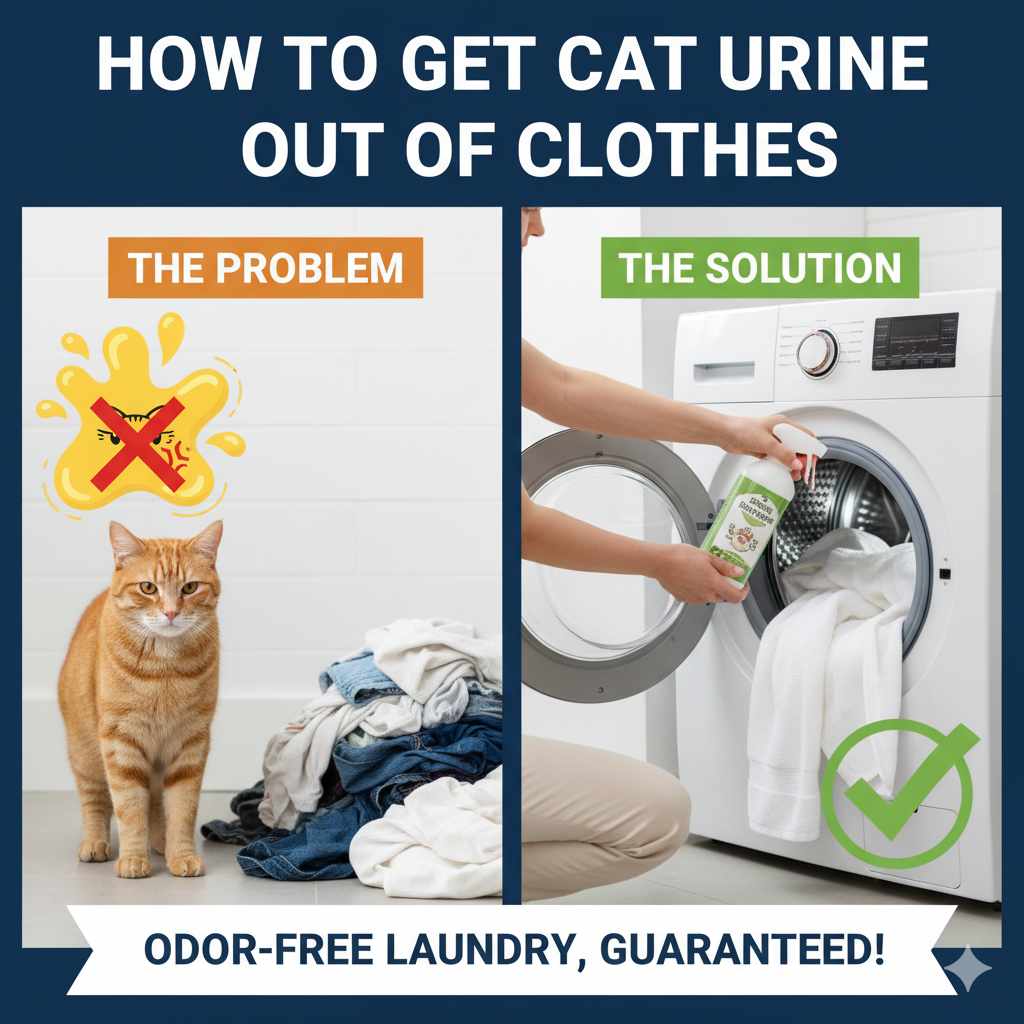
Quick Summary: To get cat urine out of clothes, act fast! Blot up excess moisture, pre-treat with an enzymatic cleaner specifically designed for pet stains, and then wash in cold water with detergent. Always air dry until you’re sure the odor is gone before using heat, which can set the stain and smell.
Dealing with cat urine on clothes can be a real head-scratcher, can’t it? It’s one of those unexpected messes that can leave you feeling frustrated and maybe a little overwhelmed. But don’t worry! Just like tackling a tricky joint in woodworking, with the right steps and a little patience, you can absolutely get those clothes smelling fresh and clean again. We’ll walk through it together, step-by-step, so you can feel confident about bringing your favorite garments back to life.
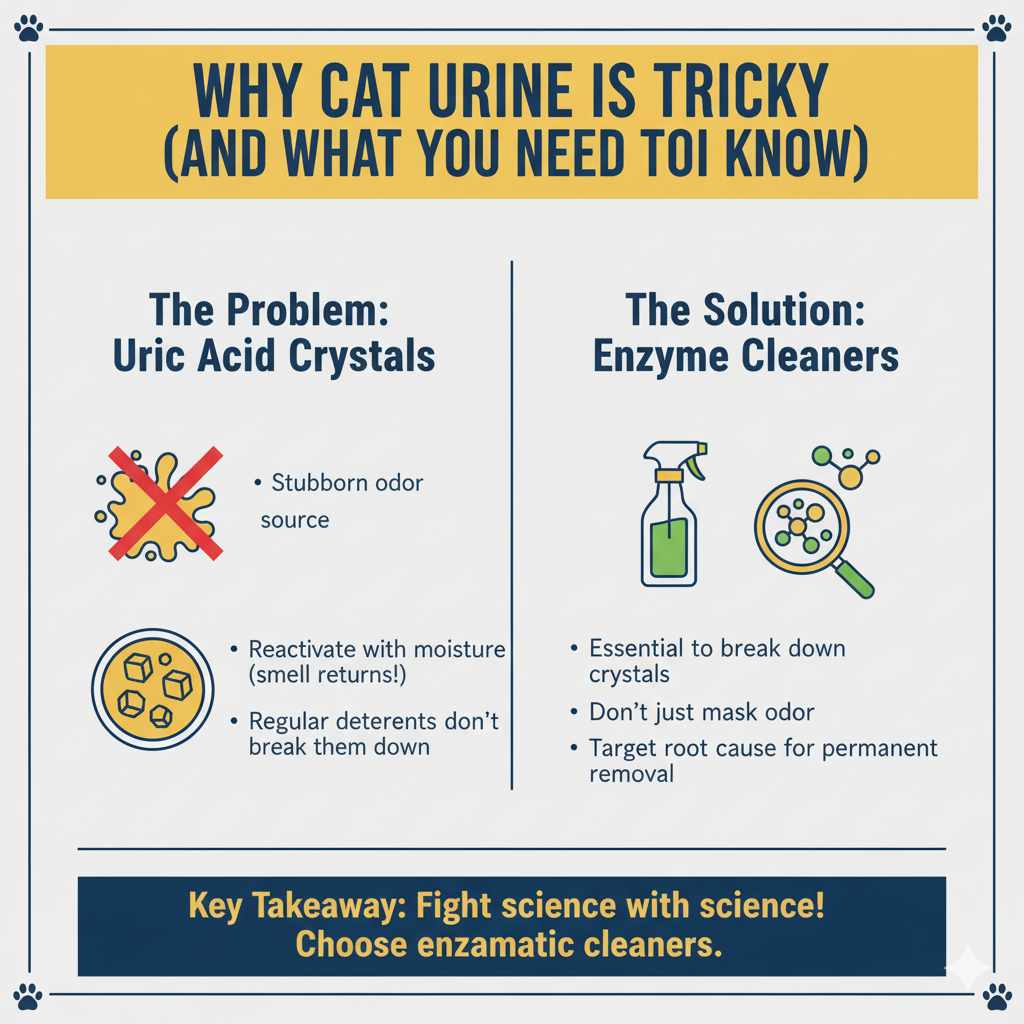
Why Cat Urine Is Tricky (And What You Need to Know)
Cat urine isn’t just about an unpleasant smell; it contains uric acid crystals. These crystals are the real culprits behind that stubborn odor. When they come into contact with moisture, they reactivate, which is why you might notice the smell returning even after washing. Regular detergents often don’t break down these crystals effectively. That’s where a different approach comes in.
Understanding this is key to choosing the right cleaning method. We need to break down those uric acid crystals, not just mask the smell. Think of it like preparing wood for finishing – you need to get the surface perfectly smooth for the stain to look its best. With cat urine, we need to get to the root of the odor.
Essential Tools and Supplies You’ll Need
Before we dive into the cleaning process, let’s gather everything you’ll need. Having these items ready will make the whole operation much smoother. It’s like getting all your tools laid out before starting a woodworking project – it saves time and frustration.
- Paper towels or clean cloths
- An enzymatic pet stain and odor remover (crucial for breaking down uric acid)
- Cold water
- Laundry detergent (preferably one with enzymes or for active wear)
- A spray bottle (optional, for applying cleaner)
- Rubber gloves (recommended for hygiene)
Step-by-Step Guide: How to Get Cat Urine Out of Clothes
Let’s get this done! Follow these steps carefully, and you’ll be well on your way to odor-free clothes.
Step 1: Act Fast and Blot!
The sooner you can address the mess, the better. If the urine is still wet, grab some paper towels or a clean cloth and gently blot up as much of the liquid as possible. Avoid rubbing, as this can push the urine deeper into the fabric fibers. Think of it like cleaning up a spilled varnish – you want to absorb it, not spread it around.
Step 2: Pre-Treat with an Enzymatic Cleaner
This is the most critical step. Regular detergents won’t cut it here. You need an enzymatic cleaner specifically designed to break down the uric acid crystals in pet urine. These cleaners contain enzymes that “eat” the odor-causing molecules.
You can find these cleaners at most pet stores or online. Follow the product’s instructions carefully. Typically, you’ll:
- Generously spray or pour the enzymatic cleaner onto the affected area, ensuring it soaks through to the backing fabric if it’s a larger garment or upholstery.
- Let it sit for the time recommended on the product label – this can range from 10 minutes to several hours, or even overnight for tough stains. This gives the enzymes time to work their magic.
For a deeper clean on heavily soiled items, you might consider soaking the garment in a solution of enzymatic cleaner and water. Always test the cleaner on an inconspicuous area of the garment first to ensure it doesn’t cause discoloration.
Step 3: Wash the Garment
After the pre-treatment, it’s time for the wash cycle.
- Use Cold Water: Always wash urine-soaked items in cold water. Hot water can set protein-based stains, making them much harder to remove and potentially bonding the odor to the fabric permanently.
- Add Detergent: Use your regular laundry detergent. If you have a detergent formulated for activewear or one that contains enzymes, even better!
- Consider a Second Rinse: Some people find that an extra rinse cycle helps ensure all the cleaner and urine residue is washed away.
Step 4: Check for Odor BEFORE Drying
This is another crucial step where many people make a mistake. After the wash cycle, before you put the garment in the dryer, smell it thoroughly. If you can still detect any hint of urine odor, do NOT put it in the dryer. The heat from the dryer will bake the odor into the fabric, making it incredibly difficult to remove later. If you still smell it, repeat steps 2 and 3.
Step 5: Air Dry
Once you’re confident the odor is gone, air dry the garment. This is the safest way to ensure the smell is completely eliminated. Hang it up or lay it flat to dry. Once it’s completely dry, give it another sniff test. If it smells fresh, you can then wash and dry it as usual. If there’s still a faint odor, repeat the enzymatic cleaner treatment and washing process.
When to Use a Soaking Method
For older stains, very absorbent fabrics, or particularly strong odors, a simple spray-and-wash might not be enough. In these cases, a soaking method can be much more effective. This allows the enzymatic cleaner to work on the stain for an extended period.
Here’s how to do it:
- Prepare the Soak: In a clean bucket, basin, or sink, mix a solution of enzymatic cleaner and cool water. Follow the instructions on your cleaner for the correct dilution ratio. For tough jobs, you might use a slightly stronger concentration, but always check the label.
- Submerge the Item: Fully submerge the urine-affected garment in the solution. Make sure the entire stained area is covered and saturated.
- Soak Time: Let the garment soak for several hours, or even overnight, depending on the severity of the stain and odor.
- Wring and Wash: After soaking, gently wring out the excess water. Then, wash the garment as usual using cold water and your regular detergent.
- Air Dry and Check: Again, air dry the item and check for any lingering odors before using heat.
Alternative Methods and What to Avoid
While enzymatic cleaners are the gold standard, you might encounter other suggestions. It’s important to know what works and what doesn’t.
What Works (with Caution)
- Vinegar: White vinegar can help neutralize odors. You can add a cup of white vinegar to your wash cycle along with your detergent. However, it’s not as effective as enzymatic cleaners at breaking down the uric acid crystals themselves. It’s more of a complementary odor neutralizer.
- Baking Soda: Baking soda is a great odor absorber. You can sprinkle it on the damp stain before washing or add about half a cup to your wash cycle. Like vinegar, it’s helpful but not a primary solution for the uric acid itself.
What to AVOID
- Ammonia-Based Cleaners: Cat urine already contains ammonia. Using ammonia-based cleaners can actually intensify the smell and potentially encourage your cat to re-mark the area, as it will smell like another cat’s territory.
- Bleach: Bleach can damage certain fabrics and, more importantly, it can react with the ammonia in urine to create toxic fumes. It also doesn’t break down the uric acid crystals effectively.
- Hot Water (initially): As mentioned, hot water can set the stain and odor. Always start with cold water.
- Fabric Softeners: Fabric softeners can sometimes mask odors temporarily but don’t eliminate the source. They can also leave a residue that attracts dirt and odors over time.
Understanding Different Fabric Types
The method you use might need slight adjustments based on the fabric of your clothes.
Delicate Fabrics (Silk, Wool, Rayon)
These fabrics require extra care. Always check the garment’s care label. For delicates, consider:
- Using a gentler enzymatic cleaner formulated for delicate fabrics.
- Spot-treating with the cleaner and letting it sit for a shorter period.
- Hand washing in cold water with a mild detergent.
- Avoiding harsh scrubbing or wringing.
- Air drying flat is essential.
Durable Fabrics (Cotton, Polyester, Blends)
These are generally more forgiving. You can usually follow the step-by-step guide with confidence. For very stubborn stains on durable fabrics, you might try the soaking method described earlier.
Leather and Suede
These materials are tricky and often require professional cleaning. If a small amount of urine has hit leather or suede, blot it immediately. For more significant accidents, it’s best to consult a professional cleaner specializing in these materials. Attempting to clean them yourself with water-based solutions can cause permanent damage.
When to Seek Professional Help
While most cat urine stains on clothing can be handled at home, there are times when professional help is the best option. If you have:
- Expensive or sentimental garments.
- Items made from delicate or unusual materials (like fine silks, antique lace, or certain leathers).
- Stains that are old, large, and have been repeatedly washed and dried with heat.
- If you’ve tried multiple home treatments and the odor or stain persists.
A professional cleaner has access to specialized solvents and equipment that can tackle stubborn issues without damaging the fabric.
Preventing Future Accidents
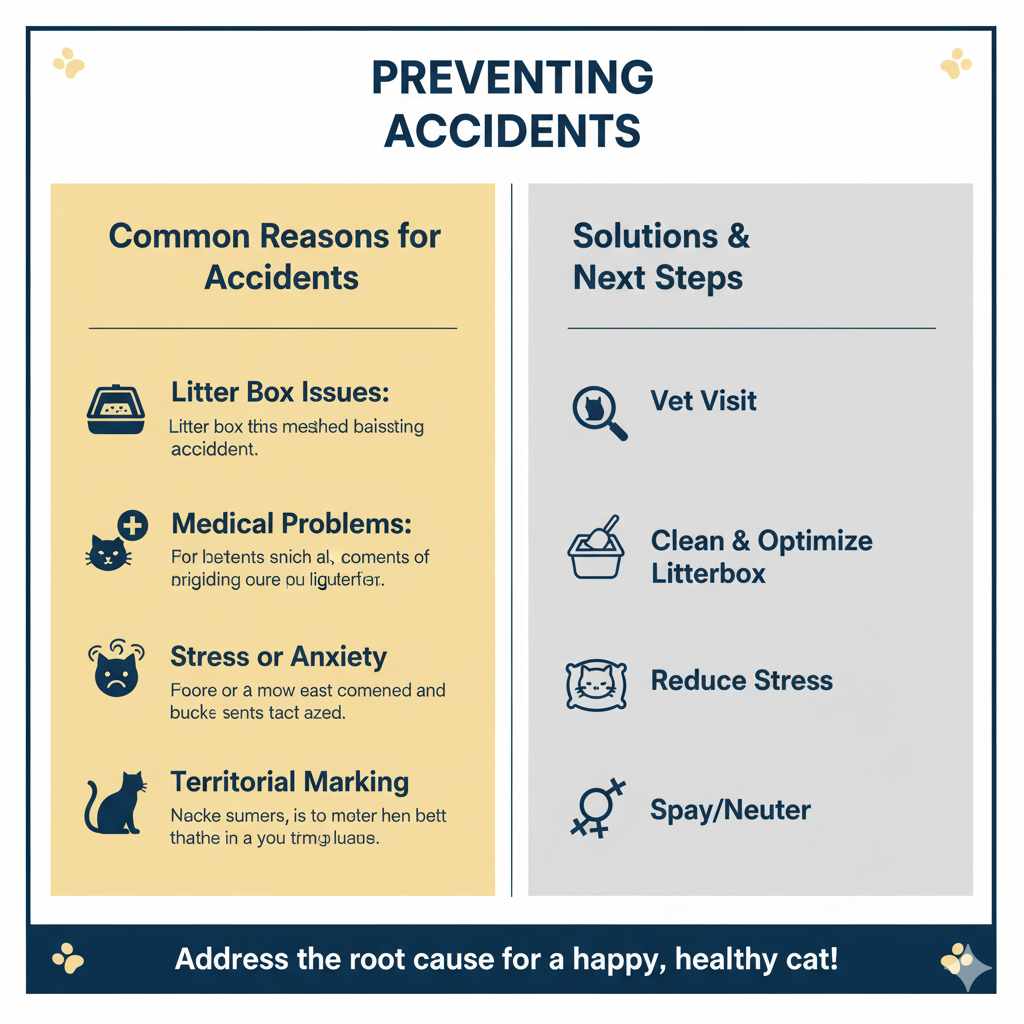
Once you’ve successfully cleaned your clothes, it’s always a good idea to think about preventing future accidents. This often involves understanding why the cat urinated outside the litter box. Common reasons include:
- Litter Box Issues: Is the litter box clean? Is it the right size and type for your cat? Are there enough litter boxes (the general rule is one per cat plus one extra)? Is the litter itself appealing to your cat?
- Medical Problems: Urinary tract infections (UTIs), kidney disease, diabetes, and other health issues can cause cats to urinate inappropriately. A visit to the veterinarian is crucial if this is a new behavior. You can find more information on common cat health issues at sites like the American Veterinary Medical Association (AVMA).
- Stress or Anxiety: Changes in the household, new pets, or environmental stressors can lead to behavioral changes, including inappropriate urination.
- Territorial Marking: Unneutered males are more prone to this, but any cat can mark territory if they feel insecure or threatened.
Addressing the root cause is just as important as cleaning up the mess!
Frequently Asked Questions (FAQ)
Q1: How quickly do I need to clean cat urine from clothes?
A: The sooner, the better! Fresh urine is much easier to remove than dried-in stains and odors. Blotting up excess liquid immediately is the first and most important step.
Q2: Can I use regular laundry detergent to get rid of cat urine smell?
A: No, regular laundry detergent is usually not enough. Cat urine contains uric acid crystals that regular detergents don’t break down. You need an enzymatic cleaner specifically designed for pet stains and odors to neutralize the smell effectively.
Q3: How long should I let the enzymatic cleaner soak?
A: Always follow the product instructions, as this can vary. For many cleaners, a soak time of 10 minutes to several hours, or even overnight for tough stains, is recommended to allow the enzymes to break down the uric acid.
Q4: Can I use bleach on cat urine stains?
A: It’s strongly advised against using bleach. Bleach can react with the ammonia in urine to create toxic fumes and doesn’t effectively break down the uric acid. It can also damage or discolor fabrics.
Q5: My clothes still smell after washing. What should I do?
A: If you can still smell urine after washing, do NOT put the clothes in the dryer. Heat will set the odor. Repeat the pre-treatment with an enzymatic cleaner, ensuring it soaks thoroughly, and wash again in cold water. Air dry the item until you are certain the odor is gone.
Q6: Can I use essential oils to cover up the smell?
A: While essential oils might mask the odor temporarily, they don’t eliminate the source. Some essential oils can also be toxic to cats if ingested or come into contact with their skin, so it’s best to avoid them in cleaning solutions used on items your cat might interact with.
Q7: What is the best enzymatic cleaner for cat urine?
A: Many reputable brands offer excellent enzymatic cleaners. Look for products specifically labeled for pet urine or stains. Popular and effective options often include brands like Nature’s Miracle, Rocco & Roxie Supply Co., and Simple Solution. Always check reviews and product descriptions to ensure it’s suitable for your needs.
Conclusion
Tackling cat urine on clothes might seem daunting, but by understanding the science behind the stain and odor, and by using the right tools – especially a good enzymatic cleaner – you can achieve excellent results. Remember the key steps: act fast, blot thoroughly, pre-treat with an enzymatic cleaner, wash in cold water, and always, always air dry until the odor is completely gone. With a little patience and the right approach, your clothes can be fresh and odor-free again. You’ve got this!