
My First Toilet Removal Adventure
When I bought my first home, the bathroom had a toilet that looked like it belonged in a museum. It was chipped, used too much water, and had a slow leak that drove me nuts. I decided it was time to replace it, but I had no idea how to get rid of the old one. I watched videos, called a plumber friend for advice, and gave it a shot. It was messy, a little heavy, but doable. Since then, I’ve helped a neighbor swap out their toilet, and I’ve learned what works and what doesn’t. Let me share my experience so you can remove your old toilet with confidence and avoid my rookie mistakes.
Why Get Rid of an Old Toilet?
Old toilets can cause all sorts of problems. Mine was a water-guzzler, using 5 gallons per flush compared to 1.6 gallons for modern ones. It also leaked, which raised my water bill and risked floor damage. Other reasons to ditch an old toilet include:
- Cracks or chips that can worsen.
- Stains or mold that won’t clean.
- Outdated design that lowers your home’s value.
- Inefficiency that wastes water and money.
Removing it makes way for a new, efficient model that saves water and looks great. My new toilet cut my water bill by $50 a year and made my bathroom feel fresh.
Tools and Supplies You’ll Need
Before you start, gather the right tools. I learned that having everything ready saves time and frustration. Here’s what I used:
- Adjustable Wrench: To loosen nuts on the water supply line and bolts. I got one for $10.
- Screwdriver: For removing screws or prying. A $5 flathead worked fine.
- Putty Knife: To scrape off old caulk or wax. Mine cost $3.
- Utility Knife: For cutting caulk or tape. I used a $5 knife.
- Bucket and Sponge: To catch water from the tank and bowl. I used an old $5 bucket.
- Old Towels or Rags: To soak up spills. I grabbed free ones from my closet.
- Gloves and Safety Glasses: To protect against germs and debris. I spent $10 on these.
- Toilet Wax Ring (Optional): For the new toilet, about $5.
- Trash Bags: For disposing of small debris. A $5 box was enough.
- Dolly or Hand Truck (Optional): To move the heavy toilet. I borrowed one for free.
- Shop Vacuum (Optional): For water cleanup. My $30 vac was handy.
I spent about $40 total, but you might have some items at home.
Preparing Your Bathroom for Toilet Removal
Prepping is crucial to avoid a mess. Here’s how I got my bathroom ready:
- Turn Off the Water: Find the shut-off valve behind the toilet and turn it clockwise. I couldn’t find mine at first, so I shut off the main water line to be safe.
- Flush the Toilet: Flush to empty the tank and bowl. Hold the handle down to drain as much water as possible.
- Mop Up Remaining Water: Use a sponge and bucket to soak up leftover water in the tank and bowl. I wrung out the sponge into the bucket until both were nearly dry.
- Clear the Area: Move rugs, towels, or anything around the toilet. I put my bath mat in the hall to keep it clean.
- Lay Down Towels: Place old towels around the toilet to catch spills. This saved my floor from water drips.
- Ventilate the Room: Open a window or run a fan to reduce odors. My bathroom fan kept the air fresh.
Taking 15 minutes to prep made the removal much cleaner.
How to Remove an Old Toilet: My Step-by-Step Process
Removing a toilet takes some muscle, but it’s straightforward. Here’s how I did it:
Step 1: Disconnect the Water Supply
Use an adjustable wrench to loosen the nut connecting the water supply line to the toilet’s fill valve (under the tank). I turned it counterclockwise and had a towel ready for drips. Place the bucket under the valve to catch water. I caught about a cup of water from mine.
Step 2: Remove the Tank Bolts
Look inside the tank for two or three bolts at the bottom. Use a screwdriver to hold the bolt heads inside and a wrench to loosen the nuts underneath. I had to wiggle my wrench in tight spaces, but they came off after a few turns. Set the bolts aside.
Step 3: Take Off the Tank (Optional)
If the tank is separate, lift it off the bowl after removing the bolts. I skipped this because my toilet was one piece, but my neighbor’s two-piece toilet was easier to carry in parts. Place the tank on a towel to avoid scratching the floor.
Step 4: Remove the Floor Bolts
Find the two bolts at the base of the toilet, usually under plastic caps. Pop off the caps with a screwdriver and use a wrench to loosen the nuts. My bolts were rusty, so I sprayed them with WD-40 ($5) and waited 10 minutes. Cut away any caulk around the base with a utility knife.
Step 5: Break the Wax Seal
Rock the toilet gently side to side to break the wax seal holding it to the flange (the pipe in the floor). I wiggled mine for a minute until it felt loose. Don’t force it—too much pressure can crack the toilet or floor.
Step 6: Lift the Toilet
Lift the toilet straight up and off the flange. It’s heavy (70–100 pounds), so I asked a friend to help. We set it on a towel to avoid floor damage. If you’re alone, use a dolly to move it. I carried mine to the garage for temporary storage.
Step 7: Clean the Flange
Scrape off the old wax ring from the flange with a putty knife. I wore gloves because it’s messy. Wipe the flange with a rag and disinfectant to prep for the new toilet. Check the flange for cracks—mine was fine, but a damaged one needs a $10 repair kit.
Step 8: Plug the Drain
Stuff a rag into the drain pipe to block sewer gases. I used an old T-shirt and removed it before installing the new toilet.
This process took me about an hour, but it might take 1–2 hours if it’s your first time or the bolts are stubborn.
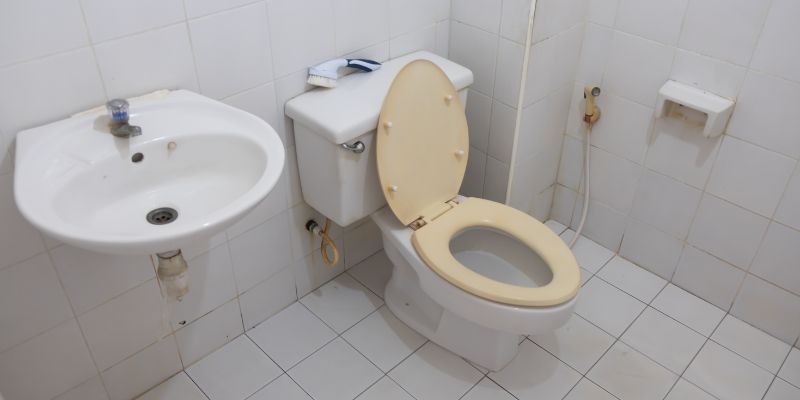
Disposing of the Old Toilet
Getting rid of the toilet is just as important as removing it. Here’s how I handled disposal:
Check Local Regulations
Some areas have rules for disposing of toilets. I called my city’s waste management office and learned I could drop off my toilet at a recycling center for free. Check your city’s website or call to confirm options.
Recycling Centers
Many recycling centers take porcelain toilets. I found one 10 miles away that accepted mine. They crush the porcelain into aggregate for construction. It’s eco-friendly and often free or $5–$10.
Waste Collection Services
Some trash services offer bulk pickup for large items. My city charges $20 for curbside pickup, but I needed to schedule it a week in advance. Wrap the toilet in plastic or tape it to prevent shattering.
Donation or Reuse
If the toilet is in good shape, donate it to a reuse store like Habitat for Humanity ReStore. My neighbor’s toilet was too old, but a friend donated a newer one and got a tax receipt. Call ahead to check if they accept toilets.
Break It Up (If Allowed)
In some areas, you can break the toilet into pieces and put it in regular trash. I didn’t do this because my city requires recycling, but a friend smashed his with a sledgehammer (wearing safety gear) and bagged the pieces. Check local rules first.
I chose the recycling center because it was free and green. Transport the toilet in a truck or SUV, wrapped in a tarp to avoid damage.
Safety Tips for Toilet Removal
Toilet removal can be messy and risky. Here’s how I stayed safe:
- Wear Gloves and Glasses: Protect against germs and sharp edges. My $10 gloves kept my hands clean.
- Lift Properly: Bend your knees, not your back, when lifting. I asked for help to avoid strain.
- Turn Off Water: Double-check the shut-off valve to prevent leaks. I forgot once and had a small spill.
- Ventilate: Sewer gases smell bad. I opened a window and used a fan.
- Watch for Sharp Edges: Broken porcelain is sharp. I taped the edges of my cracked toilet before moving it.
Common Mistakes to Avoid
I made a few slip-ups my first time. Here’s what to watch out for:
- Not Emptying the Water: Forgetting to sponge out the tank and bowl makes a mess. I spilled water on my floor before learning this.
- Forcing Bolts: Rusty bolts need WD-40, not brute force. I stripped one by rushing.
- Ignoring the Flange: Leaving old wax can cause leaks with the new toilet. I cleaned mine thoroughly.
- Lifting Alone: Toilets are heavy. I strained my back before asking for help.
- Breaking Local Rules: Improper disposal can lead to fines. I checked my city’s rules to avoid a $100 penalty.
Costs of Removing and Disposing of a Toilet
DIY removal is budget-friendly. Here’s what I spent:
- Tools: $40 (wrench, screwdriver, putty knife, gloves, etc.).
- WD-40: $5 for rusty bolts.
- Disposal: Free at a recycling center (or $5–$20 for pickup).
- Tarp or Bags: $5 for transport.
Total: About $50. Hiring a plumber costs $150–$300 for removal and $50–$100 for disposal, so I saved $200–$400 doing it myself.
When to Call a Professional
I handled my removal, but some situations need a pro:
- Damaged Flange: A broken flange requires plumbing skills. A plumber fixed my friend’s for $200.
- Heavy Toilets: Wall-mounted or oversized toilets are tricky. A pro charged $250 for a neighbor’s fancy model.
- No Time or Tools: If you’re busy or lack tools, a plumber is worth it. My sister paid $200 for a quick job.
- Sewer Gas Concerns: Improper sealing can release gases. A pro ensures safety.
I called a plumber for a quote ($250), but did it myself to save money.
Preparing for a New Toilet Installation
After removal, you’re ready for a new toilet. Here’s what I did:
- Measure the Rough-In: Measure from the wall to the floor bolts (usually 12 inches). My rough-in was standard, so most toilets fit.
- Buy a New Toilet: I got a 1.6-gallon-per-flush model for $150. Check for water-saving certifications.
- Get Supplies: A new wax ring ($5), bolts ($5), and caulk ($5) are essential. I had these ready.
- Install Carefully: Follow the new toilet’s instructions. I took 2 hours to install mine, ensuring a tight seal.
My new toilet looks great and saves water, making the effort worthwhile.
Toilet Removal and Your Car
Since this is for an automotive blog, let’s tie it to cars. Toilet removal skills help with car projects:
- Cleaning Skills: The rags and gloves I used for the toilet clean the car interiors. I revived my Civic’s seats for free.
- Tool Use: Wrenches and screwdrivers for toilet bolts work on car parts. I fixed a loose car door panel with them.
- Transport Tips: Wrapping the toilet in a tarp for disposal is like protecting car cargo. I use tarps for car camping gear.
The patience and precision from toilet removal translate to automotive DIY tasks.
What Other DIYers Say
I checked out home improvement forums and Reddit for other experiences. Many DIYers removed toilets themselves, saving $200–$400. One person used a dolly to move a heavy toilet alone, which I wish I’d tried. Another warned about rusty bolts, suggesting WD-40 like I did. Some hired pros for complex setups, like wall-mounted toilets, costing $300–$500. The advice? Prep well, lift safely, and check disposal rules.
Removing Toilets in Different Homes
Toilet removal varies by home:
- Standard Bathrooms: Floor-mounted toilets are easiest. My house had one, and removal took an hour.
- Older Homes: Rusty bolts or odd rough-ins complicate things. My neighbor’s 1950s home needed extra WD-40.
- Apartments: Check with landlords for permission. My friend got approval but used a pro for $200.
- Mobile Homes: Smaller bathrooms need careful maneuvering. A relative’s mobile home toilet was tight but manageable.
Test your setup with a dry run to spot issues.
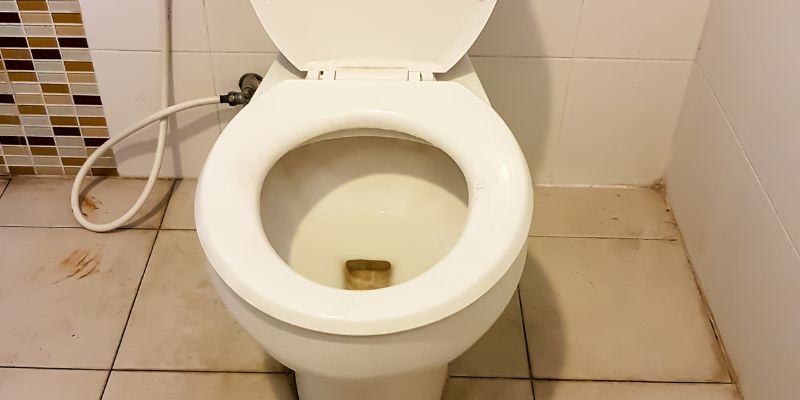
My Final Thoughts
Getting rid of my old toilet was a messy but rewarding project. That leaky, outdated eyesore is gone, and my bathroom feels like new with a water-saving model. I learned that with the right tools—a wrench, some towels, and a bit of patience—you can remove a toilet and dispose of it responsibly without spending a fortune. Whether you’re upgrading your home or fixing a broken fixture, my step-by-step process will guide you through.
Prep carefully, lift safely, and check local disposal options to avoid fines. If the job feels too big, a plumber can help, but DIY is doable. I hope my story inspires you to tackle your old toilet and enjoy a fresher, more efficient bathroom. Grab that wrench, shut off the water, and let’s get that old toilet out!
FAQs
How long does it take to remove an old toilet?
It took me about an hour. First-timers might need 1–2 hours, depending on rusty bolts or cleanup.
Can I remove a toilet by myself?
Yes, but it’s heavy (70–100 pounds). I got a friend to help lift, or you can use a dolly.
What do I do with the old toilet after removal?
Recycle it at a center (often free), schedule bulk pickup ($5–$20), or donate if it’s in good shape. Check local rules.
Is it safe to remove a toilet myself?
Yes, if you turn off the water, wear gloves and glasses, and lift properly. I used towels to catch spills and avoid mess.
What if the toilet bolts are rusted?
Spray WD-40 and wait 10 minutes before loosening. I had to do this for my rusty bolts, and it worked.
Do I need to replace the flange after removing the toilet?
Only if it’s cracked or damaged. Mine was fine, but a $10 repair kit fixes minor issues if needed.