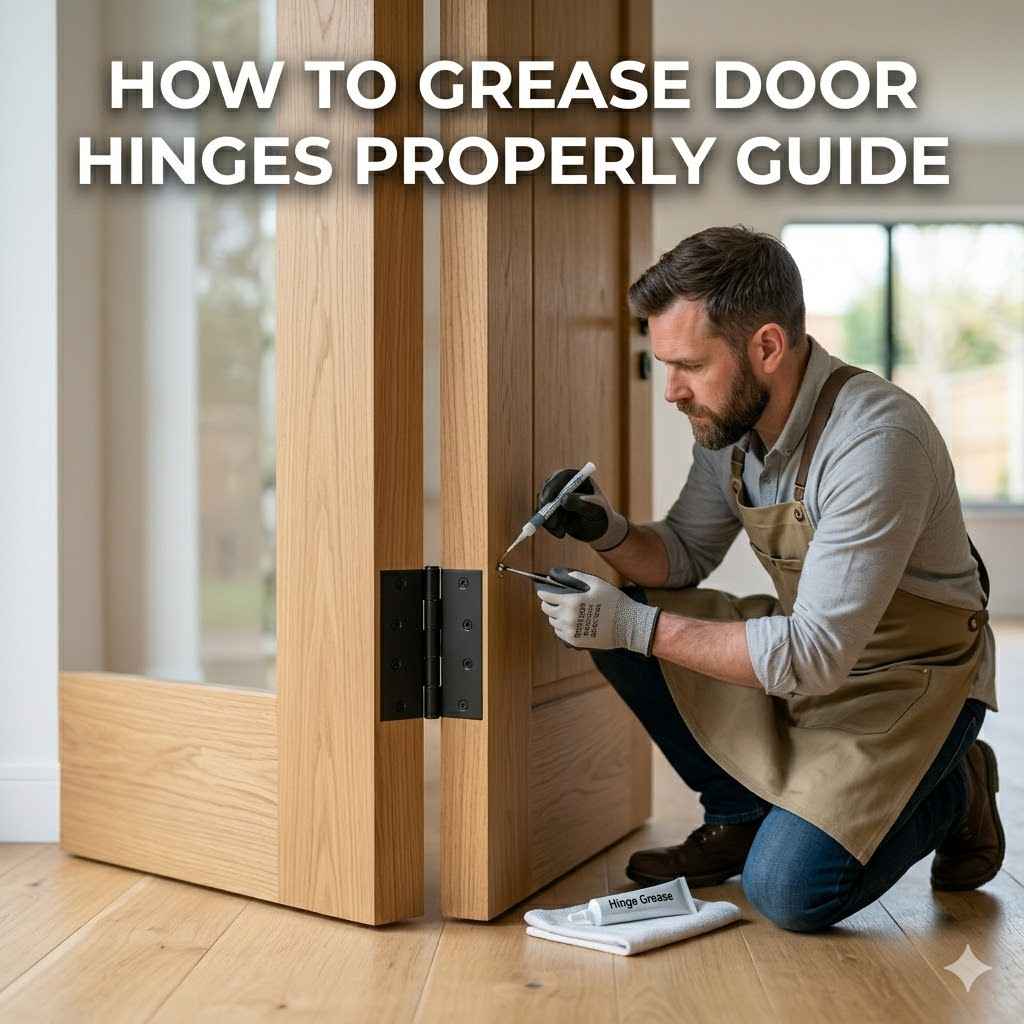
How to Grease Door Hinges Properly Guide
Many people wonder about how to grease door hinges properly. It might seem like a small task, but squeaky doors can be quite annoying. For beginners, figuring out the best way to fix this common problem can feel a bit tricky.
But don’t worry! We’re here to make it super simple. This guide will walk you through each step easily.
You’ll learn everything you need to know to silence those noisy hinges and make your doors swing smoothly again.
Why Greasing Door Hinges Matters
Keeping your door hinges properly lubricated is more than just about stopping annoying squeaks. It plays a vital role in the overall health and longevity of your doors and their hardware. When hinges are dry, the metal parts rub against each other directly.
This friction causes wear and tear over time, making the hinges weaker and more prone to damage. Regular greasing helps to create a protective barrier between these metal surfaces.
This barrier reduces friction, making the door open and close much more quietly and smoothly. It also helps to prevent rust and corrosion, especially in humid environments. Properly greased hinges reduce the strain on the door frame and the hinges themselves, potentially extending their lifespan significantly.
Ignoring this simple maintenance can lead to more costly repairs down the line, such as replacing the entire hinge set or even repairing the door frame if the hinges become severely damaged.
The Benefits of Smooth Hinges
There are several clear advantages to ensuring your door hinges are well-maintained and properly greased.
- Reduced Noise: The most obvious benefit is eliminating squeaks and creaks. A quiet home is a more peaceful home, and silent doors contribute to a better living environment. This is especially true for doors that are used frequently, like bedroom doors or the main entrance.
- Easier Operation: Hinges that are not lubricated can become stiff and hard to move. Greasing them makes the door swing open and shut with ease, requiring less force. This is helpful for everyone, but particularly for children, the elderly, or anyone with mobility issues.
- Extended Hardware Life: Friction is the enemy of metal. By reducing friction, lubrication prevents the metal parts of the hinges from wearing down prematurely. This means your hinges will last longer, saving you money on replacements.
- Protection Against Rust: Moisture can cause metal to rust, which can seize up hinges and lead to damage. Lubricants often contain rust inhibitors that protect the metal from environmental factors, keeping them in good condition even in damp areas.
- Preventing Door Sag: Well-lubricated hinges allow the door to move freely. Stiff or dry hinges can put undue stress on the door and frame, sometimes leading to the door sagging. Smooth operation helps maintain the door’s alignment.
Common Problems with Neglected Hinges
When door hinges are not properly maintained, several issues can arise, making them a common source of household frustrations.
- Squeaking and Squealing: This is the most frequent complaint. The sound comes from metal-on-metal friction as the hinge pins move within their barrels. This noise can be incredibly irritating and is often the first sign that lubrication is needed.
- Stiff and Difficult Operation: Dry hinges resist movement. Doors might feel heavy, stick, or refuse to close fully. This makes using the door inconvenient and can put strain on the door and frame.
- Rust and Corrosion: Especially in bathrooms, kitchens, or outdoor environments, hinges can develop rust. This not only looks unsightly but also degrades the metal, making the hinge weak and prone to failure. Rust can also transfer to the door and frame.
- Wear and Tear: Constant friction without lubrication grinds down the metal surfaces. Over time, this can lead to a loose fit, making the door feel wobbly or uneven. In severe cases, the hinge might break entirely.
- Paint and Finish Damage: Sometimes, friction can cause paint or finishes on the hinge to chip or peel. This can make the hinge look old and worn, detracting from the overall appearance of the door.
How to Grease Door Hinges Properly
Learning how to grease door hinges properly is a simple DIY skill that can save you a lot of annoyance. The process involves a few basic steps that anyone can follow. It’s important to use the right kind of lubricant to ensure the best results and long-lasting quiet operation.
We will cover the materials you’ll need and then walk through the technique step-by-step, ensuring you can tackle this task with confidence and achieve a smoothly functioning door.
Gathering Your Supplies
Before you start greasing your door hinges, it’s important to have all the necessary supplies ready. This will make the process go smoothly and efficiently. Having everything at hand means you won’t have to stop midway to search for something.
- Lubricant: The best type of lubricant for door hinges is typically a silicone-based spray or a light machine oil like 3-in-One oil. WD-40 is often used, but it’s more of a water displacer and can attract dust over time, potentially making hinges squeak again sooner. For best results and long-term smoothness, a dedicated lubricant is preferred.
- Rag or Paper Towels: You will need these to wipe away excess lubricant and any dirt or grime that comes out of the hinge. It’s a good idea to have a few on hand to catch drips and clean up spills.
- Pliers (Optional): If you plan to remove the hinge pins, a pair of pliers can be very helpful for gripping and pulling them out.
- Hammer (Optional): If hinge pins are stuck, a light tap with a hammer on the bottom of the pin while it’s slightly out can help dislodge it.
- Small Brush or Toothbrush (Optional): For cleaning dirt and old grease from the hinge before applying new lubricant.
- Gloves (Optional): To keep your hands clean.
Step-by-Step Greasing Process
Follow these simple steps to properly grease your door hinges and enjoy silent, smooth operation.
- Prepare the Area: Lay down a rag or newspaper under the door hinges to catch any drips. Open the door slightly to get better access to the hinges.
- Clean the Hinges: If the hinges are visibly dirty or dusty, use a dry rag or a small brush to wipe them down. You can also use a bit of mineral spirits on a rag to clean off old grime and dried lubricant. This step is important because you don’t want to trap old dirt under the new lubricant.
- Address Stubborn Pins: If the hinge pins are stuck, you might need to remove them. For most hinges, you can use a nail or a thin screwdriver to push up from the bottom of the hinge pin. Once it’s started to come up, use pliers to grip and pull it out gently. If it’s very stuck, you can try placing the bottom of the pin on a hard surface and giving it a very light tap with a hammer.
- Lubricate the Pin: Once the pin is out, wipe it clean with a rag. Apply a thin, even coat of your chosen lubricant all along the length of the pin. Make sure to cover it well.
- Reinsert the Pin: Carefully slide the lubricated pin back into the hinge barrel. You might need to jiggle the door slightly to align the barrels. Once it’s in place, tap the top of the pin gently with a hammer or the handle of your screwdriver until it’s fully seated.
- Work the Lubricant In: Open and close the door several times. This action helps to distribute the lubricant evenly throughout the hinge mechanism. Listen for any remaining squeaks.
- Wipe Away Excess: Use your rag to wipe away any lubricant that has dripped or squeezed out of the hinge. This keeps everything looking tidy and prevents the lubricant from attracting dust.
- Repeat for Other Hinges: If your door has multiple hinges, repeat these steps for each one.
Greasing Hinges Without Removing Pins
Sometimes, removing hinge pins can be difficult or the pins are difficult to get out. Fortunately, you can still effectively grease your door hinges without completely removing them. This method is quicker and often sufficient for basic lubrication.
- Prepare the Area: Just like before, lay down protective material below the hinges to catch drips.
- Lift the Door Slightly: With the door slightly ajar, try to lift the door upwards gently. This will create a small gap between the hinge pin and the hinge barrel, allowing lubricant to seep in. You might need someone to help you with this step, or you can use a wedge or a small block of wood placed under the bottom edge of the door for support.
- Apply Lubricant: Directly spray or drip your chosen lubricant into the gap at the top of each hinge barrel. Aim to get the lubricant to flow down along the pin.
- Work the Door: Open and close the door repeatedly to help the lubricant penetrate into the hinge mechanism. You should start to hear the squeaks lessen or disappear entirely.
- Wipe Up Drips: Clean off any excess lubricant that may have dripped onto the door, frame, or floor.
Choosing the Right Lubricant
Selecting the correct lubricant is key to effectively greasing door hinges and ensuring long-lasting quiet performance. Not all lubricants are created equal, and using the wrong type can sometimes make the problem worse in the long run. Understanding the properties of different lubricants will help you make the best choice for your needs and get the most out of this simple maintenance task.
Types of Lubricants Explained
There are various lubricants available, each with its own advantages and disadvantages for door hinges.
- Silicone-Based Lubricants: These are excellent for door hinges. They are odorless, non-staining, and create a protective barrier that repels water. Silicone lubricants are durable and don’t attract as much dust as petroleum-based products, making them a good choice for both indoor and outdoor hinges.
- Lithium Grease: White lithium grease is a popular choice for heavy-duty applications and offers excellent lubrication and protection. It’s water-resistant and provides long-lasting lubrication, but it can sometimes be messier to apply than sprays and might stain certain surfaces if not wiped clean properly.
- Petroleum-Based Oils (e.g., 3-in-One Oil): These are common household lubricants. They are effective at reducing friction and can penetrate well into tight spaces. However, they can dry out over time and may attract dust and dirt more readily than silicone or lithium grease, which can lead to future squeaks.
- Graphite Lubricants: Graphite is a dry lubricant and is good for metal-on-metal contact. It’s often used for locks, but it can also work for hinges. Its dry nature means it doesn’t attract much dust, but it can be messy to apply, leaving a black residue.
- WD-40: While widely used, WD-40 is primarily a water displacer and rust penetrant. It can provide temporary lubrication, but it tends to evaporate relatively quickly and can leave a residue that attracts dirt. For long-term hinge lubrication, other products are generally more effective.
When to Use Each Type
The best lubricant depends on your specific needs and environment.
- For Indoor Hinges: Silicone spray or a light machine oil like 3-in-One are generally good choices. They are easy to apply, relatively clean, and provide good lubrication.
- For Outdoor or Humid Environments: White lithium grease or a silicone-based spray with water-repellent properties are ideal. These offer better protection against rust and corrosion.
- For Old, Stiff Hinges: A penetrating oil might be helpful initially to loosen them up, followed by a more durable lubricant like lithium grease or silicone spray.
- For a Clean Finish: Silicone sprays are often the least messy option and are less likely to stain.
It’s generally recommended to avoid using cooking oils like olive oil or vegetable oil, as they can become sticky and rancid over time, attracting more dirt and worsening the problem.
Troubleshooting Common Hinge Issues
Even after greasing, you might encounter persistent problems with your door hinges. Knowing how to troubleshoot these issues will help you achieve smooth, silent operation. Often, a few extra steps or a different approach can resolve problems that a basic lubrication didn’t fix.
This section will guide you through common scenarios and their solutions.
Persistent Squeaks and Squeals
If your door continues to squeak after greasing, there might be a few underlying reasons.
- Incomplete Lubrication: Ensure you’ve lubricated the entire hinge, including the pin and the barrel. If you didn’t remove the pin, the lubricant might not have reached all the contact points.
- Dirt and Grime Buildup: Old, gummy grease mixed with dust can create its own kind of friction. You might need to thoroughly clean the hinge mechanism before re-lubricating. This could involve removing the pin and using a brush or rag with a cleaner.
- Worn Hinges: If the hinges are very old and worn, the metal surfaces might be too damaged to be silenced by lubrication alone. In this case, replacing the hinges might be necessary.
- Improper Lubricant: As discussed, some lubricants attract more dirt. If you used something like WD-40, it might be time to clean it out and apply a more appropriate lubricant.
Stiff or Sticking Doors
A door that is hard to open or close often points to more than just dry hinges.
- Bent Hinge Pins: Check if any hinge pins are bent. A bent pin won’t move freely within the barrel, causing resistance. You might be able to straighten a slightly bent pin with pliers, or you may need to replace it.
- Misaligned Hinges: Sometimes, the door itself or the frame can shift, causing the hinges to be slightly out of alignment. This puts extra stress on the hinges and makes them bind. Adjusting the door or shims behind the hinges might be needed.
- Paint or Debris: Excess paint or debris can build up around the hinges, restricting movement. Carefully scrape away any obstructions.
- Uneven Surface: If the door is dragging on the floor or frame, it’s not just a hinge issue, but the hinges might be contributing to the problem by not allowing free movement.
Dealing with Rusty Hinges
Rust is a common problem, especially in damp areas, and can cause significant issues.
- Surface Rust Removal: For light surface rust, you can often use steel wool or fine-grit sandpaper to scrub it away. Apply a rust-inhibiting lubricant afterward.
- Penetrating Oil: If rust has caused the hinge to seize, a penetrating oil can help to break it down and loosen the parts. Apply it liberally and let it soak in for some time before attempting to move the hinge or pin.
- Replacement: Heavily rusted hinges can be weakened and may need to be replaced entirely. It’s often easier and more effective to swap out a severely rusted hinge set for new ones.
Real-Life Examples and Scenarios
Applying these steps can solve everyday annoyances. Let’s look at a couple of common situations where greasing door hinges makes a big difference.
Example 1 The Annoying Bedroom Squeak
Sarah’s bedroom door had been squeaking for months. Every time she or her partner opened or closed it, a loud, jarring squeak would echo through the house, especially at night. She had tried spraying some random lubricant she found in the garage, but the squeak only went away for a day or two before returning louder than before.
One Saturday morning, Sarah decided to properly learn how to grease door hinges properly. She gathered silicone spray, a rag, and a nail. She opened the door, placed an old newspaper underneath, and used the nail to gently tap the bottom of the hinge pin upwards.
Once the pin was raised a bit, she pulled it out with pliers. She wiped the pin clean, sprayed it thoroughly with silicone lubricant, and reinserted it. After opening and closing the door a few times and wiping away the excess spray, the squeak was completely gone.
Sarah was so pleased with the quiet and smooth operation of her bedroom door, and it made a surprising difference to the peace in her home.
Example 2 The Stiff Bathroom Door
Mark’s bathroom door had become very difficult to open and close. It felt heavy and often stuck halfway, requiring a good shove to move it fully. He was worried that he might eventually damage the door or the frame.
Mark followed the guide to grease door hinges properly. He used white lithium grease for its water-resistant properties, as the bathroom is prone to humidity. He didn’t need to remove the pins entirely.
He simply lifted the door slightly, sprayed the lithium grease into the top of each hinge barrel, and then worked the door back and forth. The grease, combined with the movement, worked its way down the pins and barrels. The door immediately felt lighter and swung smoothly.
Mark was relieved, knowing that a simple maintenance task had prevented potential damage and made using his bathroom much more convenient.
Scenario 1 A New House Purchase
Imagine you’ve just bought a new house and all the interior doors are fine, but the front door is noticeably stiff and occasionally makes a faint grinding noise. The previous owners might have neglected it.
In this case, it would be wise to address the front door’s hinges as a priority. You’d want to choose a durable, weather-resistant lubricant like white lithium grease. Following the steps to remove the pins, clean them thoroughly, and apply the grease generously would be recommended.
Then, working the door back and forth multiple times to ensure even distribution would be key. This proactive maintenance ensures your main entry point operates smoothly and reliably, preventing potential issues like the door sticking in bad weather.
Scenario 2 Rental Property Maintenance
As a landlord, you want to ensure your rental properties are well-maintained to keep tenants happy and reduce repair calls. A common issue in rental units is squeaky doors, which tenants often complain about.
Performing regular checks during tenant turnovers or annual maintenance visits is essential. A quick application of silicone spray to all door hinges can prevent these complaints from arising. This simple task can be done in minutes per door and significantly improves the perceived quality of the property, leading to more satisfied tenants and fewer maintenance requests for noisy doors.
It shows attention to detail and care for the property.
Frequently Asked Questions
Question: What is the best lubricant for squeaky doors?
Answer: Silicone-based spray or white lithium grease are generally the best choices for long-lasting lubrication and protection against rust, while also being less likely to attract dust.
Question: Do I need to remove the hinge pins to lubricate them?
Answer: While removing the hinge pins allows for the most thorough lubrication, you can often achieve good results by lifting the door slightly and applying lubricant directly into the top of the hinge barrel.
Question: How often should I grease my door hinges?
Answer: It’s a good idea to check and lubricate your door hinges about once or twice a year, or whenever you start to hear squeaks or notice the door becoming stiff.
Question: Can I use WD-40 on my door hinges?
Answer: WD-40 can provide temporary relief for squeaks, but it tends to evaporate quickly and can attract dirt, potentially causing hinges to squeak again sooner. It’s better to use a dedicated lubricant like silicone spray or lithium grease for longer-lasting results.
Question: My hinges are rusty, what should I do?
Answer: For light rust, try cleaning with steel wool or sandpaper and then apply a rust-inhibiting lubricant. For severe rust, it might be best to replace the hinges entirely.
Conclusion
Now you know how to grease door hinges properly. You can easily stop squeaks and make doors move smoothly. Just gather your supplies, choose the right lubricant, and follow the simple steps.
This maintenance keeps your doors working well and prevents bigger problems. Enjoy your quiet and smoothly operating doors!