How to Hide Electrical Cords on Hardwood Floors
Tangled wires can really mess up the look of a beautiful hardwood floor. It’s a common problem, especially when you’re setting up new electronics or rearranging furniture. Many people find it tricky to make those cords disappear without making a mess or damaging their floors.
Don’t worry, it’s simpler than you think! We’ll walk you through easy ways to tackle this. Get ready for a neater space with these straightforward steps.
Clever Ways to Hide Electrical Cords on Hardwood Floors
Keeping your hardwood floors looking great means managing visible cords. Electrical cords can detract from the natural beauty of wood flooring. This guide offers practical solutions for anyone looking to improve their home’s aesthetics.
We will explore various methods, from simple fixes to more involved approaches. The goal is to make your living space tidy and safe.
Understanding Cord Management Challenges
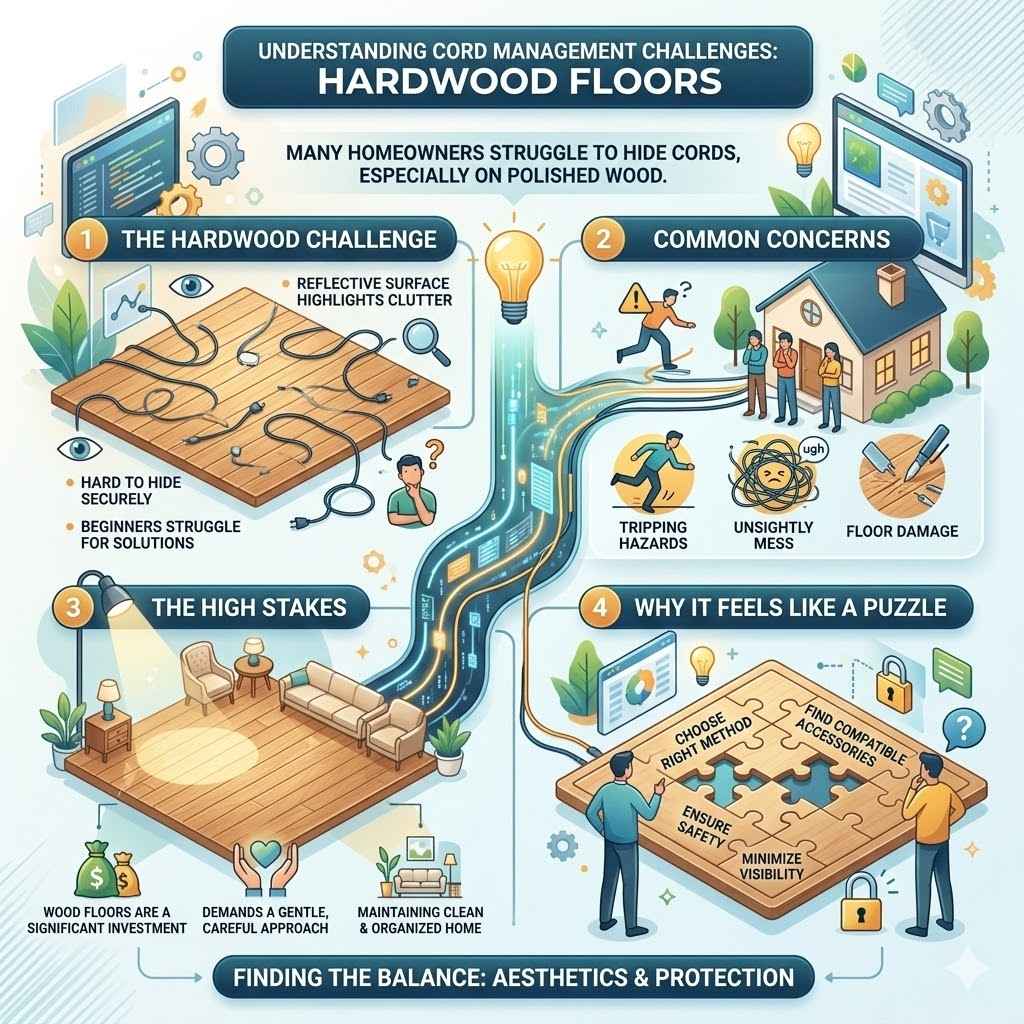
Many homeowners face the challenge of hiding electrical cords, particularly on polished hardwood floors. The smooth, reflective surface of hardwood can highlight any clutter, making cords stand out. Beginners often struggle with finding solutions that are both effective and don’t damage the floor.
Common concerns include cords creating tripping hazards, looking unsightly, and being difficult to secure without leaving marks.
The desire to maintain a clean and organized home is universal. When it comes to How to Hide Electrical Cords on Hardwood Floors, the stakes feel higher because wood floors are often a significant investment. Unlike carpet, where cords can sometimes be tucked away more easily, hardwood surfaces demand a more careful approach.
This section explores why this is a common headache and what makes it feel like a puzzle for many.
Easy DIY Cord Hiding Techniques
There are many simple ways to conceal cords without needing special tools or skills. These methods are great for beginners and provide immediate visual improvements. You can often use items you already have around the house.
Using Furniture Placement
One of the simplest ways to hide cords is by using your furniture. Strategic placement can shield cords from view. For example, placing a couch or a large bookshelf against a wall where cords emerge can effectively conceal them.
Even a strategically placed rug can help hide the visual clutter of cords running across the floor.
Arranging furniture to block cord paths.
This involves thinking about how your room is laid out. If you have a floor lamp or a TV stand, position your sofa or armchair so it naturally covers the cords that come from these items. This is a free solution that costs nothing but a little thought.
Using the back of furniture.
Many pieces of furniture have space behind them where cords can be tucked away. This is especially useful for entertainment centers or desks. Ensure there’s enough airflow so electronics don’t overheat.
Placing items strategically.
Think about plants, decorative baskets, or even storage ottomans. These can all serve a dual purpose of hiding cords while adding to your room’s decor. A large potted plant can easily hide a bundle of cords from a wall outlet.
Cord Covers and Sleeves
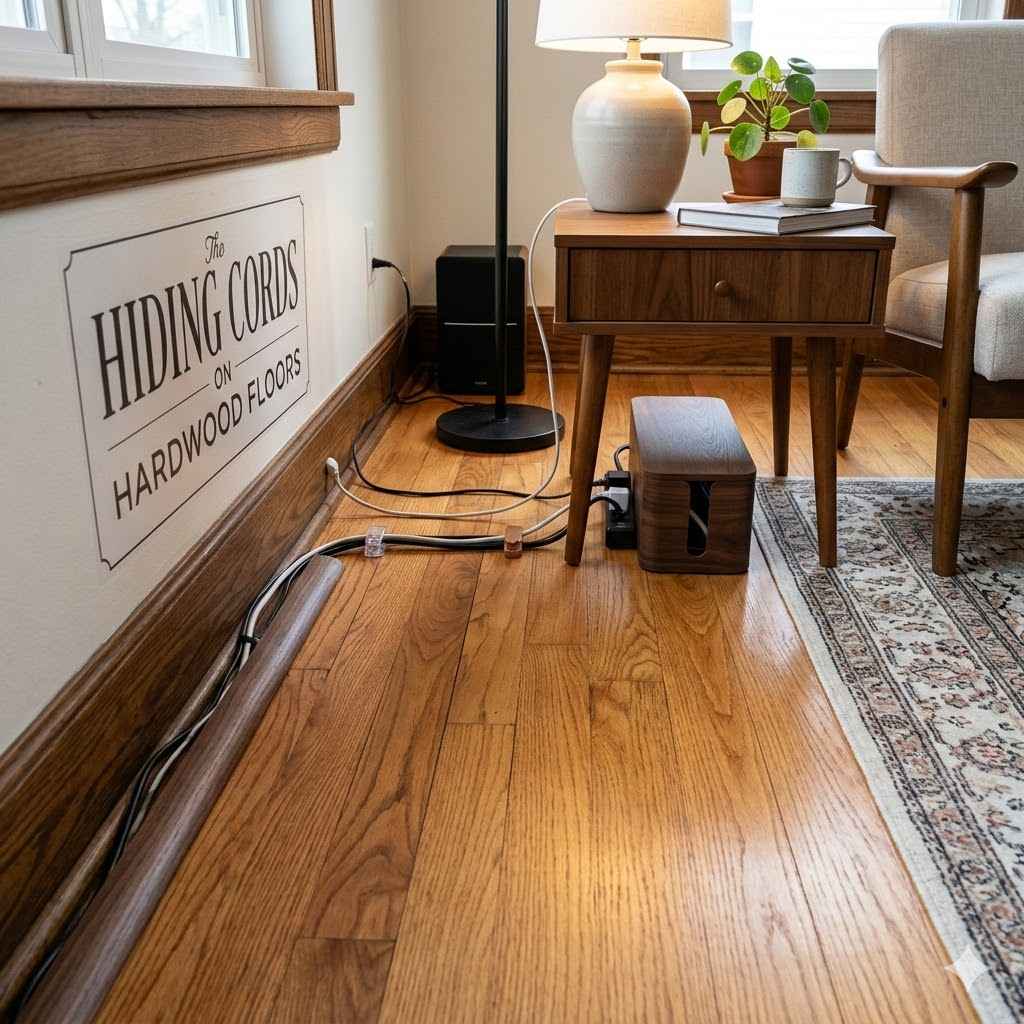
Cord covers are specifically designed to hide and organize wires. They come in various styles and materials, making them a popular choice for neatening up spaces.
Adhesive cord raceways.
These are slim channels that stick to walls or baseboards. You simply peel and stick, then snap the cords into the channel. They are often paintable to match your wall color, making them almost invisible.
Flexible cord sleeves.
These fabric or plastic tubes wrap around cords, bundling them together. They look much neater than individual wires and can be easily placed behind furniture or along walls. Some sleeves are designed to blend in with floor colors.
Cable clips and ties.
While not fully hiding cords, these accessories keep them neat and organized. Adhesive clips can attach cords to the back of furniture or along the underside of desks. Reusable cable ties bundle them together tightly.
One user reported a significant improvement in their home office by using a set of white, paintable raceways along their baseboards. They found that the raceway not only hid the power strip and all its associated cords but also prevented dust from accumulating around them. This simple solution transformed a cluttered workspace into a clean, professional-looking area.
Advanced Solutions for Cord Management
For those seeking more permanent or integrated solutions, several advanced techniques can be employed. These might involve minor home modifications but yield highly effective results.
In-Wall Cord Concealment
This method involves running cords through your walls to completely hide them. It’s a professional solution that offers the cleanest look.
Using power cord management kits.
These kits typically include a low-voltage power pass-through and an outlet cover. You feed the cords through a hole cut in the wall, connecting them to a power source outside the wall. This is ideal for hiding TV cords.
Professional installation services.
Electricians can safely run cords through walls, ensuring they meet safety codes. This is the most secure and aesthetically pleasing way to hide cords, especially for home entertainment systems.
Considerations for safety.
It’s vital to use cords designed for in-wall use and follow all electrical safety guidelines. Improper installation can be a fire hazard. Always consult a professional if you are unsure.
A common scenario involves mounting a new flat-screen TV on a wall above a fi
Floor-Based Cord Solutions
Specific products are available to manage cords directly on or within the floor itself. These are designed to be durable and safe for foot traffic.
Floor cord covers or ramps.
These are low-profile, often rubber or heavy-duty plastic, channels that lie flat on the floor. They can accommodate multiple cords and are designed to be driven over by furniture or walked on without damage.
Underlayment and subfloor solutions.
For more permanent installations, cords can sometimes be routed beneath the hardwood flooring or within a specialized underlayment. This requires significant renovation but results in completely invisible cords.
Using existing floor features.
If your hardwood floor has transition strips between rooms or areas, these can sometimes be used as channels for small cords. This requires careful planning to ensure the cords are protected and do not create a tripping hazard.
A statistic from a home improvement survey indicated that over 40% of homeowners consider visible cords a significant detractor from their home’s decor. This highlights the demand for effective cord management solutions. Floor-based solutions like durable cord ramps are gaining popularity because they offer a practical way to cross walkways without creating a hazard.
Choosing the Right Materials and Tools
Selecting the correct materials ensures your cord management is effective and safe. The type of hardwood floor and the specific cords you need to manage will influence your choices.
Material Considerations
When choosing cord covers or concealment solutions, consider the material’s durability, appearance, and how it interacts with your hardwood floor.
Adhesives.
If using adhesive raceways or clips, ensure the adhesive is strong enough to hold but can be removed without damaging your hardwood floor’s finish. Test in an inconspicuous area first.
Plastic versus fabric.
Plastic cord covers are generally more durable and offer better protection. Fabric sleeves are more flexible and can blend in better with textured surroundings but may not protect cords as well from physical damage.
Color and finish.
Opt for colors that match your baseboards, walls, or floor. Many cord covers come in white, beige, or brown, and some can be painted.
Essential Tools
While many solutions require no tools, some advanced methods might. Having basic tools can make the job easier and more professional.
Measuring tape.
For accurately measuring the length of cord covers or the distances needed for placement.
Utility knife or scissors.
For cutting cord covers, sleeves, or ties to the correct length.
Screwdriver.
Needed for any solutions that require screws, especially for wall-mounted components or certain floor cord covers.
Drill.
For making pilot holes or for more robust installations where screws are needed for secure mounting.
A common mistake is using strong adhesives that can pull off the finish of hardwood floors. Always check the product’s instructions and consider using a less aggressive adhesive or a removable mounting tape for temporary setups. For permanent solutions, professional installation is often the safest bet.
Maintaining a Tidy Hardwood Floor Space
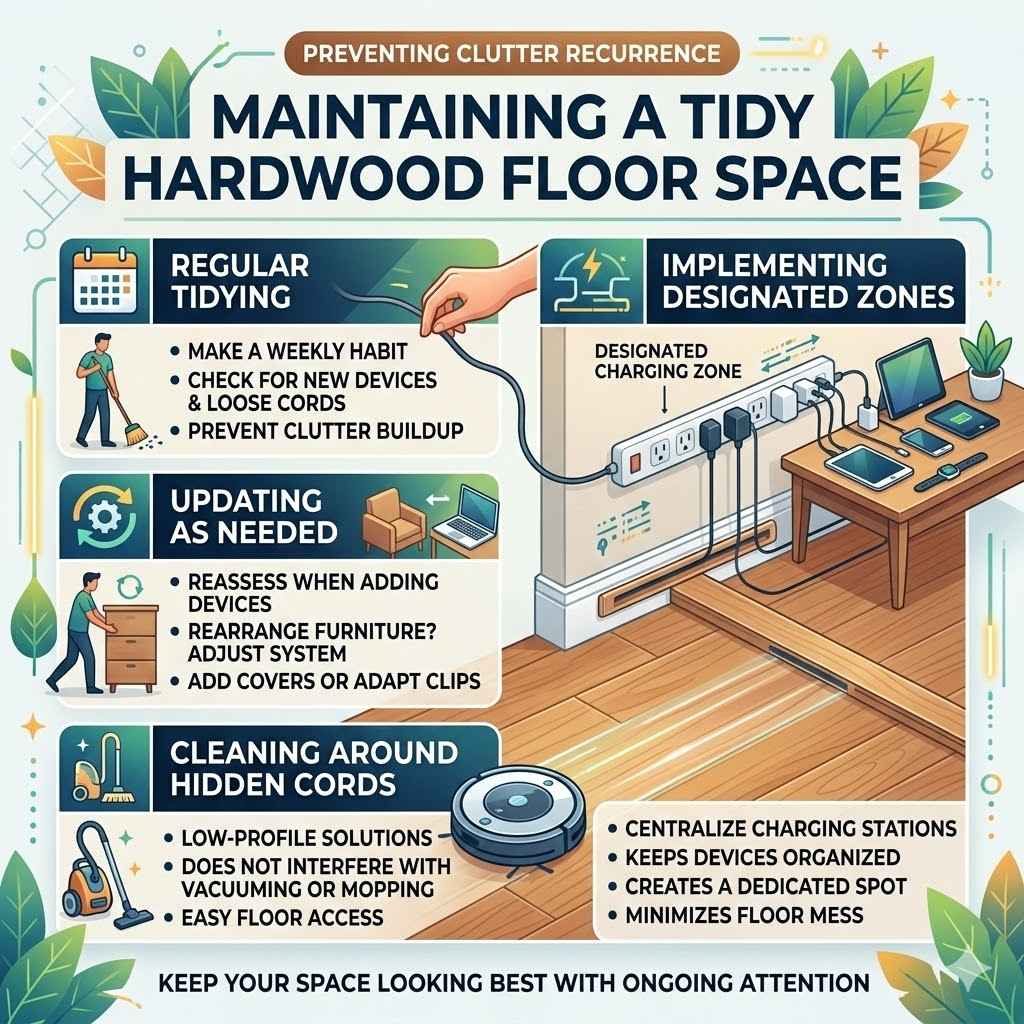
Once you’ve implemented your cord hiding strategy, ongoing maintenance is key to keeping your space looking its best. Regular attention prevents cords from becoming a problem again.
Regular tidying.
Make it a habit to check for any new cords or loose ones. A quick check once a week can prevent clutter from building up again.
Updating as needed.
As you add new devices or rearrange furniture, reassess your cord management system. You might need to add more covers or adjust existing ones.
Cleaning around hidden cords.
Ensure that cleaning your hardwood floors remains easy. Cord covers should ideally be low-profile enough not to interfere with vacuuming or mopping.
Consider the example of a busy family that uses multiple charging stations for phones and tablets. Without a system, cords would spill onto the floor. By implementing a single, long raceway along the baseboard where all chargers are plugged in, they created a designated charging zone.
This not only hides the cords but also keeps all the devices in one organized place.
Frequently Asked Questions
Question: What is the easiest way to hide cords on hardwood floors?
Answer: The easiest way is often using furniture placement. Arrange your couches, shelves, or other large items to naturally block the view of the cords running along the baseboards or behind your electronics. You can also use simple cable clips or ties to keep them neatly bundled and out of sight.
Question: Can I use tape to secure cords on my hardwood floor?
Answer: It’s generally not recommended to use strong adhesive tapes directly on hardwood floors. Many tapes leave behind sticky residue or can even damage the floor’s finish when removed. Opt for specialized cord covers with gentle adhesives or temporary mounting solutions instead.
Question: How do I hide cords for a wall-mounted TV on hardwood floors?
Answer: For wall-mounted TVs, the best method is in-wall cord concealment. This involves running the cords through the wall to an outlet, creating a completely wire-free look. Alternatively, use a paintable cord raceway that attaches to the wall and runs down to the TV.
Question: Are floor cord covers safe for hardwood floors?
Answer: Yes, many floor cord covers are designed with hardwood floors in mind. Look for options made of soft rubber or durable plastic that lie flat and are designed to prevent scratches. Ensure they are securely in place to avoid tripping hazards.
Question: What if I have a lot of cords to hide?
Answer: For numerous cords, consider using larger, multi-channel cord covers or raceways. You can also use furniture like storage ottomans or entertainment centers with built-in cable management to keep everything organized and out of sight.
Summary
Managing electrical cords on hardwood floors can enhance your home’s beauty. Simple solutions like furniture placement and cord covers work well. For a cleaner look, consider in-wall solutions or floor-based systems.
Choose materials that protect your floors and your cords. Keeping your space tidy makes a big difference.