How to Install a Storm Door Handle: A Step-by-Step Guide for Beginners
Hey there, friend! So, you’re looking to figure out how to install a storm door handle? I’m thrilled you’re here because this is one of those projects that feels like a big win when you’re done. I still remember the first time I tackled this—my old storm door handle was wobbly, and I was tired of jiggling it to get it to work. Installing a new one made my door feel brand new, and I learned it’s totally doable with a little patience. Whether you’re upgrading your storm door, replacing a broken handle, or just diving into a DIY project, I’ve got you covered.
I’ve been through this a few times, made some mistakes, and picked up tricks along the way. Let’s sit down together, like we’re working side by side, and I’ll walk you through every step to get that handle installed perfectly. Ready to make your storm door look and work great? Let’s get started!
Why Install a New Storm Door Handle?
Storm doors are awesome for protecting your main door from the weather while letting light and air into your home. But a worn-out or broken handle can make the door hard to use and look shabby. I decided to replace mine when the latch wouldn’t catch properly, and it was letting cold air sneak in. Installing a new handle can fix these issues, boost your home’s curb appeal, and even improve security. Plus, doing it yourself saves you the cost of hiring a pro—I paid about $30 for a new handle kit and did the job in under an hour.
You might also want a new handle to match your home’s style or to add features like a keyed lock. Whatever your reason, this project is straightforward and gives you a chance to flex your DIY muscles.
Tools and Materials You’ll Need
Before we jump in, let’s gather the tools. I learned the hard way that having everything ready makes the job smoother—once I had to pause mid-project to hunt for a screwdriver. Here’s what I use:
- New Storm Door Handle Kit: Includes the handle, latch, and screws.
- Screwdriver: Usually a Phillips head, but check your kit’s screws.
- Drill and Drill Bits: For pilot holes or adjusting screw holes.
- Tape Measure: To align the handle correctly.
- Pencil: For marking screw holes or latch placement.
- Level: To ensure the handle is straight.
- Hacksaw (Optional): If you need to trim the latch or spindle.
- Safety Glasses: To protect your eyes from metal shavings or debris.
- Cleaning Cloth: To wipe down the door before and after.
- Lubricant: Like WD-40, for smoothing the latch mechanism.
Most handle kits cost $20-$50 at hardware stores or online. I picked up a sleek brushed nickel one that matched my front door. Make sure the kit fits your door’s thickness—storm doors are usually 1 to 1-1/4 inches thick. Check the package to confirm.
Preparing Your Storm Door
Prep work is key to a clean installation. My first time, I skipped some steps and ended up with a crooked handle that bugged me every time I used it. Here’s how I set up now:
Start by removing the old handle if you’re replacing one. Unscrew the interior and exterior handles, then pull them off. Remove the latch from the door’s edge, too. I keep the old screws in a small bowl so they don’t roll away. Clean the door with a damp cloth to remove dirt or grease around the handle area—it’s easier to work on a clean surface.
Read the instructions that come with your new handle kit. I know, manuals aren’t fun, but they tell you specific details like screw sizes or latch orientation. Lay out all the parts to make sure nothing’s missing. If your door doesn’t have pre-drilled holes (like a new storm door), you’ll need to measure and mark where the handle will go. Standard handle height is about 40-42 inches from the bottom of the door, but you can adjust it to match your main door’s handle.
How to Install a Storm Door Handle Step by Step
Alright, let’s get to the installation. I’ll walk you through the process I use, which works for most standard storm door handle kits. It’s easier than it looks, I promise!
Step 1: Measure and Mark the Handle Placement
If your door has existing holes from an old handle, check if the new kit aligns with them. Most kits are designed to fit standard hole patterns, but measure to be sure. If you’re starting fresh, use a tape measure to mark the handle height—40 inches from the bottom is a good spot. Mark the center of the door’s thickness (usually 1-1/8 inches) for the spindle hole. I use a pencil to make small dots, then double-check with a level to keep things straight.
Some kits include a paper template—tape it to the door and mark the holes through it. I love templates because they take the guesswork out of measuring.
Step 2: Drill the Holes
Grab your drill and a bit that matches the size recommended in the kit—usually 1/8 or 3/16 inch for screw holes. Drill pilot holes where you marked for the spindle and screws. Go slow to avoid splintering the door, especially if it’s aluminum or vinyl. I hold the drill steady and let it do the work.
If the kit requires a larger hole for the spindle (the rod that connects the handles), use a bigger bit or a hole saw. I once had to enlarge a hole slightly, and a 1/2-inch bit did the trick. Clean up any shavings with a cloth.
Step 3: Install the Exterior Handle
Take the exterior handle from the kit and slide its spindle through the hole from the outside of the door. The spindle should stick out on the inside. Align the handle so it’s vertical, then hold it in place. Some kits have a mounting plate—screw it to the door first, then attach the handle. I check with a level to make sure it’s not tilted.
If the spindle is too long (it might stick out too far on the inside), you may need to trim it with a hacksaw. I had to do this once and marked the cut with a pencil to get it just right.
Step 4: Attach the Interior Handle
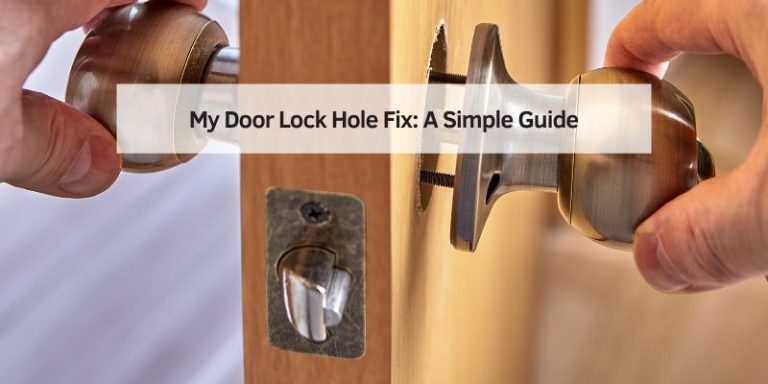
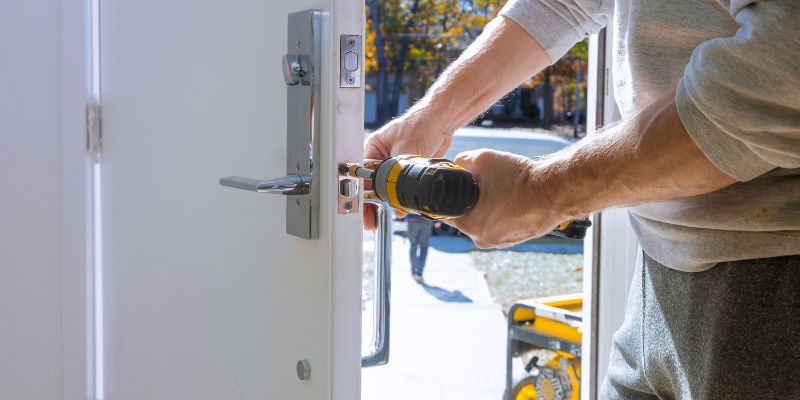
On the inside of the door, slide the interior handle onto the spindle. The handles should line up so that turning one turns the other. Secure the interior handle with the screws provided, using a screwdriver. I tighten them snugly but not too hard to avoid stripping the threads. Test the handle by turning it—it should move smoothly. If it’s stiff, check that the spindle isn’t too long or misaligned.
Step 5: Install the Latch Mechanism
Now, let’s add the latch, which catches in the strike plate to keep the door closed. Insert the latch into the hole on the door’s edge, usually near the handle. Make sure the beveled side faces the door frame so it slides easily when closing. Secure it with the screws provided. I use a screwdriver and check that the latch moves freely when I turn the handle.
If the latch hole isn’t pre-drilled, mark its position by aligning the latch with the handle’s mechanism, then drill a 1-inch hole with a spade bit. I did this on a new door and found that going slow kept the hole clean.
Step 6: Install the Strike Plate
The strike plate goes on the door frame where the latch catches. Close the door and mark where the latch hits the frame. Position the strike plate over the mark, trace its outline, and screw it in place. If the frame is metal, you may need to drill pilot holes. I check that the latch catches smoothly by opening and closing the door a few times. If it doesn’t, adjust the strike plate slightly.
Step 7: Test and Adjust
Turn the handle from both sides to make sure it operates the latch. Open and close the door to check that it latches securely. If the handle feels loose, tighten the screws. If the latch doesn’t catch, adjust the strike plate or check the latch alignment. I had to tweak my strike plate once by loosening the screws and shifting it a fraction.
Installing a Keyed Lock Handle
Some storm door handles come with a keyed lock for extra security. I installed one on my front door to keep things safer. The process is similar, but you’ll have a lock cylinder to deal with. Here’s what I do:
- Insert the Lock Cylinder: Slide it into the exterior handle before mounting it. It usually clicks into place.
- Connect the Tailpiece: The lock’s tailpiece (a thin metal rod) connects to the interior handle or latch. Trim it if it’s too long.
- Test the Key: Lock and unlock the door with the key to ensure it works smoothly. I keep the key handy during installation to test it.
Keyed handles are great for front doors but might be overkill for a back porch. Check your kit’s instructions, as lock cylinders vary by brand.
Tips to Avoid Common Mistakes
I’ve made my share of goofs, so let me save you some headaches. Here are tips I wish I knew starting out:
- Read the Instructions First: Every kit is slightly different. I skipped this once and used the wrong screws.
- Don’t Overtighten Screws: Stripped screws are hard to fix. I tighten just enough to feel secure.
- Check Door Thickness: Make sure the handle fits your door’s thickness. I bought a kit once that was too short for my door.
- Keep the Handle Level: A crooked handle looks sloppy. I use a level every time now.
- Test Before Finalizing: Open and close the door before tightening all screws to catch issues early.
Safety First
This project is pretty safe, but a few precautions help. I wear safety glasses when drilling to protect my eyes from metal or vinyl shavings. Keep your fingers clear of the drill bit and screwdriver to avoid nicks. If you’re using a hacksaw, go slow to prevent the blade from slipping. I once rushed a cut and scraped my hand—slow and steady wins the race.
Maintaining Your Storm Door Handle
A little care keeps your new handle working like a charm. I check the screws every few months to make sure they’re tight. Spray a bit of lubricant like WD-40 into the latch mechanism if it gets sticky. For exterior handles, clean them monthly with mild soap and water to remove dirt or salt from winter weather. I learned this after my handle got grimy from snowstorms.
If you have a keyed lock, test the key occasionally to ensure it turns smoothly. I keep a spare key in a safe spot in case the original gets lost.
What to Do If Things Go Wrong
Mistakes happen, and I’ve had my share. If you drill a hole in the wrong spot, you can fill it with wood or metal filler, let it dry, and redrill. If the handle is loose, try longer screws or check that the spindle is the right length. If the latch doesn’t catch, adjust the strike plate or deepen the latch hole slightly. I once had a latch that wouldn’t engage, and I fixed it by shifting the strike plate up a bit.
For major issues, like a damaged door, you might need a pro. But most problems are fixable with a little tweaking.
Here’s a quick table to summarize the process:
| Step | Tool Needed | Tips |
|---|---|---|
| Mark Handle Placement | Tape Measure, Pencil | Use a template, keep it level |
| Drill Holes | Drill, Bits | Go slow to avoid splintering |
| Install Exterior Handle | Screwdriver | Check spindle length, align vertically |
| Attach Interior Handle | Screwdriver | Ensure beveled side faces the frame |
| Install Latch | Screwdriver | Ensure the beveled side faces the frame |
| Add Strike Plate | Screwdriver, Drill | Adjust for smooth latching |
Why DIY This Project?
Installing a storm door handle yourself is rewarding. I saved about $75 compared to hiring a handyman, and the pride of doing it myself was priceless. It’s a quick project—30-60 minutes for most folks—and it makes your door more functional and attractive. Plus, it’s a great way to build confidence for other home projects, like installing a doorknob or fixing a screen.
Wrapping It Up with Satisfaction
Friend, you’re now ready to install a storm door handle like a seasoned DIYer! From measuring the perfect spot to securing that shiny new handle, you’ve got all the steps to make your storm door work and look fantastic. I remember how nervous I was before my first try, but following these steps made it a breeze. Grab your tools, take your time, and enjoy the process. There’s nothing like the feeling of opening a door with a handle you installed yourself—it’s a small victory that feels huge. So, go tackle that project, and let me know how it feels to swing that door open with confidence. You’ve got this, and I’m cheering you on!
FAQ
What tools do I need to install a storm door handle?
A screwdriver, drill, tape measure, pencil, and level are the basics. A hacksaw might help for trimming.
How long does it take to install a storm door handle?
About 30-60 minutes, depending on your experience and if the door has pre-drilled holes.
Can I use my old handle’s holes for a new handle?
Usually, yes, if the new kit matches the hole pattern. Measure to be sure.
What if the spindle is too long for my door?
Trim it with a hacksaw to fit. Mark the cut carefully to avoid shortening it too much.
Do I need a keyed lock for my storm door?
It’s optional. Keyed locks add security for front doors, but aren’t necessary for back doors.
What if the latch doesn’t catch properly?
Adjust the strike plate or check the latch alignment. Small tweaks usually fix it.
Can I install a handle on a metal storm door?
Yes, the process is the same, but drill slowly to avoid damaging the metal.