How to Install a Towel Rack with Anchors Easily
Putting up a towel rack might seem simple, but for many beginners, it can feel a bit tricky. You want it to be straight and super sturdy, right? Sometimes, just screwing it into the wall isn’t enough, especially if your wall is drywall.
That’s where anchors come in. They make sure your rack can hold towels without pulling out of the wall. Don’t worry, though!
We’ll walk you through how to install a towel rack with anchors easily. It’s not as hard as you think, and this guide will show you every step. Let’s get your bathroom looking great!
Gathering Your Towel Rack Installation Tools
Before you start drilling, it’s super important to have all your tools and materials ready. This makes the whole process go much smoother. You’ll need your new towel rack, of course, along with the screws and any mounting hardware that came with it.
Anchors are key if you don’t have studs where you want to mount the rack. You’ll also need a pencil for marking, a drill with the right drill bits, a level to make sure it’s straight, and a screwdriver that fits your screws.
Essential Tools and Materials
Having the right tools makes any job easier. For installing a towel rack with anchors, a few things are absolute must-haves. You don’t want to start and then realize you’re missing a key item.
This could lead to frustration and a crooked rack.
- Towel Rack and Hardware: This includes the rack itself and any screws, brackets, or templates that came in the box. Always check that you have everything before you begin.
- Drill: A cordless drill is very helpful. It makes drilling holes faster and less tiring. You’ll need drill bits that match the size of your anchors and screws.
- Level: To ensure your towel rack is perfectly straight and looks professional. A short level is usually sufficient for this kind of project.
- Pencil: For marking exactly where you need to drill. Make sure your marks are clear but easy to erase if you make a mistake.
- Stud Finder: This is useful to locate wall studs if you prefer mounting directly into wood. Mounting into a stud is the strongest option. However, anchors are great when studs aren’t available.
- Wall Anchors: These are crucial for drywall installation. They expand inside the wall to create a secure grip for your screws. The type of anchor you need can depend on your wall material and the weight the rack will hold.
Understanding Different Types of Wall Anchors
Wall anchors are like little helpers that let your screws hold on tight, especially in materials like drywall where screws might just spin and fall out. There are a few common kinds you might come across when you’re learning how to install a towel rack with anchors easily.
-
Plastic Expansion Anchors: These are very common and easy to use. They are conical tubes made of plastic. When you insert a screw into them, the anchor expands and wedges itself into the drywall.
They are good for lighter loads.
-
Self-Drilling Anchors (or Drywall Anchors): These anchors have a pointed tip that allows you to screw them directly into the drywall without pre-drilling a hole. They are faster to install. Once in place, you screw your rack’s screws into them.
They can hold a bit more weight than basic plastic ones.
- Toggle Bolts: These are much stronger. They have a spring-loaded wing that folds to go through a hole and then opens up behind the drywall, creating a large surface area for support. They are excellent for heavier items but require a larger hole to be drilled.
- Sleeve-Type Anchors: These are often used in concrete or masonry but some types can be used in drywall. They consist of a metal or plastic sleeve and a screw. As you tighten the screw, the sleeve expands, gripping the wall material firmly.
Choosing the right anchor depends on how much weight your towel rack will hold. For a standard towel rack, plastic expansion anchors or self-drilling anchors are usually perfectly fine. If you plan to hang very heavy, wet towels, or even a person (don’t do that!), you might consider toggle bolts.
Preparing Your Towel Rack Installation Location
Picking the right spot for your towel rack is important. You want it to be easy to reach but also not in the way. Think about how you’ll use it most.
Will it be next to the shower for bath towels, or by the sink for hand towels? Once you’ve decided on the spot, you need to prepare the wall. This involves making sure the area is clear and then marking exactly where the rack will go.
Choosing the Ideal Placement
Where you put your towel rack can really affect how useful it is and how good your bathroom looks. Consider accessibility and functionality. A rack too high is hard to reach, and one too low might get bumped.
- Height Considerations: A good general height for a towel rack is about 48 to 60 inches (120 to 150 cm) from the floor. This makes it easy for most adults to hang towels. For hand towel bars near a sink, about 30 to 36 inches (75 to 90 cm) from the floor is often suitable.
- Proximity to Water Sources: Place your towel rack close enough to a shower or tub to easily hang towels after use. However, ensure it’s not so close that it gets constantly splashed, which can lead to mildew or damp towels not drying properly.
- Clearance and Traffic Flow: Make sure the area around the towel rack is clear. You don’t want people bumping into it, especially in smaller bathrooms. Ensure there’s enough space to comfortably open shower doors or access cabinets.
Marking the Wall for Drilling
Once you know where the rack will go, you need to mark the wall precisely. This is where your pencil and level come in handy. Most towel racks come with a template or specific measurements for the mounting holes.
Follow these carefully.
- Using a Template: If your rack came with a paper template, tape it to the wall at the desired height and ensure it’s perfectly level. Then, use your pencil to mark the drill hole locations through the template.
-
Measuring and Marking Directly: If there’s no template, hold the rack’s mounting bracket against the wall at the chosen height. Use your level to ensure the bracket is straight. Then, carefully mark the center of each screw hole with your pencil.
Double-check your measurements before marking.
-
Marking for Anchors: Once your holes are marked, check if you’ll be drilling into a stud. If not, you’ll need to use anchors. The size of the hole you need to drill will depend on the specific anchors you are using.
Refer to the anchor packaging for the recommended drill bit size.
It’s a good idea to make your marks clear but not too deep, so you can easily erase them if needed. Always measure twice and mark once to avoid mistakes. This careful preparation is key to a successful installation.
Step-by-Step Guide: How to Install a Towel Rack with Anchors Easily
Now that you have your tools and your spot is marked, it’s time to get to work! This section walks you through the actual process of installing your towel rack. We’ll cover drilling the holes, inserting the anchors, and finally, attaching the rack securely.
Following these steps will help ensure your towel rack is strong and looks great in your bathroom.
Drilling the Holes
Drilling is a critical step. The size and placement of your holes will determine how well your anchors and screws fit. Accuracy here means a sturdy rack.
- Select the Correct Drill Bit: Refer to the packaging of your wall anchors. It will specify the recommended drill bit size for the holes you need to drill. Using the wrong size bit can result in a hole that is too big for the anchor to grip, or too small, making it hard to insert the anchor.
- Drill Straight and Deep Enough: Hold your drill perpendicular to the wall. Apply steady pressure and drill to the depth recommended for your anchors. Many anchors require a hole of a specific depth to function properly.
- Clear Away Debris: After drilling, use your drill to briefly suck up any dust and debris from the hole. You can also use a damp cloth or a small brush to clean it out. A clean hole ensures the anchor fits snugly.
If you are drilling into a wall stud, you will likely need a smaller pilot hole, just big enough for the screw. The anchor type you chose will dictate your drilling needs.
Inserting the Wall Anchors
This is where the magic of anchors happens. They create a secure point in your wall for the screws to grip. Make sure they are inserted properly for maximum strength.
- Push or Tap Anchors into Place: For plastic expansion anchors, you can usually push them into the hole with your fingers. If they are a bit tight, you can gently tap them with a hammer until they are flush with the wall surface. Do not force them so hard that they break.
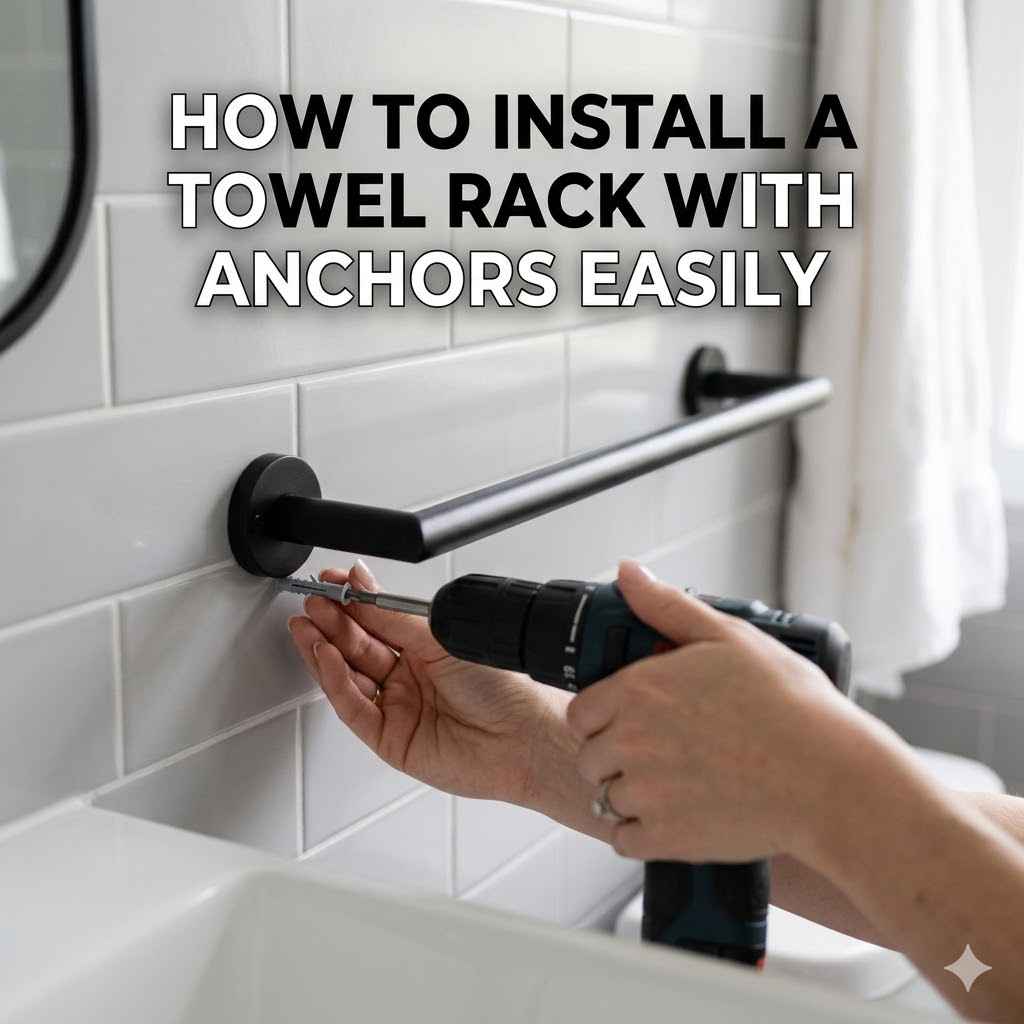
- Screw in Self-Drilling Anchors: If you are using self-drilling anchors, position the anchor over the pre-drilled hole and use your drill or a screwdriver to screw it into the wall until it is flush with the surface. The anchor’s threads will grip the drywall.
- Install Toggle Bolts Properly: For toggle bolts, you’ll need to insert the folded wings through the hole. Once they are through, the wings will spring open behind the wall. Then, you’ll thread the bolt through the anchor sleeve and tighten it against the wall.
Ensure each anchor is seated firmly and is flush with the wall. This prevents the mounting bracket from sitting unevenly, which can put stress on the screws and the rack.
Attaching the Towel Rack
The final step is to attach your towel rack. This is the most rewarding part, as you’ll see your new fixture taking shape. Be patient and make sure everything is aligned correctly.
- Align the Mounting Bracket: Position the towel rack’s mounting bracket (or the rack itself, if it’s a direct mount style) over the anchors. Make sure the screw holes in the bracket line up perfectly with the anchors you’ve installed.
- Insert and Tighten Screws: Using your screwdriver or drill, insert the screws that came with your towel rack through the bracket and into the anchors. Start by tightening each screw a little bit at a time, alternating between them. This helps to pull the bracket evenly against the wall.
- Check for Stability: Once the screws are tight, give the towel rack a gentle tug to ensure it is firmly attached to the wall. It should not wiggle or feel loose. If it does, check that your screws are fully tightened and that the anchors are holding securely.
Step back and admire your work! You’ve successfully learned how to install a towel rack with anchors easily, making your bathroom more functional and organized.
Troubleshooting Common Towel Rack Installation Issues
Even with the best instructions, sometimes things don’t go exactly as planned. Don’t get discouraged if you run into a small problem. Many common issues have simple fixes.
Knowing these troubleshooting tips can save you time and frustration, ensuring your towel rack installation is a success.
Wobbly Rack Solutions
A wobbly towel rack is usually a sign that the screws aren’t gripping the wall securely. This is often due to an anchor issue or not drilling into a stud.
- Check Anchor Seating: Ensure your wall anchors are fully seated and flush with the wall. If an anchor is sticking out, it won’t allow the bracket to sit flat against the wall, leading to looseness.
- Use Larger Anchors or Different Type: If your current anchors feel loose in the hole, the hole might be slightly too big. You can try using a larger size of the same anchor type or a more robust anchor like a toggle bolt if the weight capacity is an issue. For drywall, self-drilling anchors are often a good choice for stability.
- Locate Studs (If Possible): If the rack continues to be wobbly, re-evaluate the location. A stud finder can help you find wall studs. Mounting directly into a stud provides the strongest support, often negating the need for anchors altogether.
Sometimes, the screws themselves can strip the threads inside the anchor if over-tightened. If this happens, you might need to replace the anchor and screw.
Hole Size and Anchor Mismatch
One of the most common problems is drilling a hole that is the wrong size for the anchor. This is a quick fix if you catch it.
-
Hole Too Small: If the hole is too small, the anchor won’t fit. You’ll need to use a drill bit that is the correct size for your anchor. Check the anchor packaging for guidance.
You might be able to gently re-drill the hole a bit larger.
- Hole Too Large: If the hole is too large, the anchor won’t have enough wall material to grip. You can try using a slightly larger anchor that is designed for bigger holes. Another trick is to insert some wood filler or even a piece of toothpick into the hole and let it dry before re-drilling a smaller pilot hole, but this is a temporary fix for light items.
- Using the Wrong Anchor: Ensure you are using an anchor appropriate for your wall material. Anchors for concrete are different from those for drywall or plaster. Always read the anchor’s description to confirm its intended use.
The key is to match the anchor’s requirements to the hole you create. Patience and careful reading of anchor instructions are your best tools here.
Ensuring the Rack Is Level
A crooked towel rack looks unprofessional and can be annoying. Fortunately, it’s usually easy to fix, especially before the screws are fully tightened.
- Use a Level During Marking and Installation: Always use your level when marking the wall and when attaching the mounting bracket. Place the level on top of the bracket before you tighten the screws completely.
- Adjust Before Fully Tightening: If you notice the rack is not level before the screws are fully tightened, you can often adjust its position slightly. Loosen the screws a bit, reposition the bracket until it’s level, and then re-tighten the screws.
- Consider Shims: In some cases, if the wall surface is uneven, you might need to use thin shims (small pieces of wood or plastic) behind the mounting bracket to help it sit flush and level. This is less common for towel racks but can be useful.
Taking the time to ensure your rack is level from the start will save you the hassle of having to reposition it later. A level rack not only looks better but also distributes weight more evenly.
Maintaining Your Installed Towel Rack
Once your towel rack is installed securely, you want it to stay that way. Proper care and occasional checks will ensure it continues to function well and look good for a long time. It’s not just about installation; ongoing maintenance matters.
Regular Cleaning and Care
Keeping your towel rack clean is simple and helps maintain its appearance and integrity. The materials used for towel racks vary, so knowing what you have is helpful.
- Wipe Down Regularly: Use a soft, damp cloth to wipe down the towel rack at least once a week. This removes dust, soap scum, and water spots.
- Use Mild Cleaning Agents: For tougher grime, use a mild soap or an all-purpose bathroom cleaner. Avoid abrasive cleaners or harsh chemicals, as they can scratch or damage the finish of your rack.
- Dry Thoroughly: After cleaning, always dry the rack with a clean, soft cloth. This prevents water spots and potential rust or corrosion, especially on metal racks.
The type of material your towel rack is made from will influence the best cleaning method. For example, chrome can be polished with specific cleaners, while brushed nickel might require a different approach to avoid streaks.
Checking for Loose Screws or Anchors
Even with a strong installation, it’s wise to periodically check that everything is still tight and secure. This is especially true if you notice any subtle changes in stability.
-
Monthly Visual Inspection: Once a month, take a moment to look at the towel rack. Do the screws look tight? Is the rack sitting flush against the wall?
Any visible gaps or loose parts should be addressed.
- Gentle Wiggle Test: Give the rack a gentle tug or wiggle. If you feel any looseness or movement, it’s time to tighten the screws. You may need to remove the rack temporarily to inspect the anchors.
- Address Looseness Promptly: Don’t ignore a loose rack. Minor adjustments now can prevent bigger problems later, like the rack pulling away from the wall and causing damage. Tightening screws or replacing a faulty anchor is a quick fix.
This simple maintenance ensures your towel rack remains a reliable fixture in your bathroom, supporting your towels for years to come.
Frequently Asked Questions
Question: What is the best type of anchor for a towel rack in drywall?
Answer: For most standard towel racks in drywall, plastic expansion anchors or self-drilling anchors are excellent choices. They offer good support for everyday use. If you plan to hang very heavy items, toggle bolts provide superior strength.
Question: How high should I hang a towel rack in my bathroom?
Answer: A common height for a towel rack is between 48 and 60 inches (120 to 150 cm) from the floor. This makes it convenient for most people to reach. For hand towel bars near a sink, 30 to 36 inches (75 to 90 cm) is usually appropriate.
Question: Can I just screw a towel rack directly into drywall without anchors?
Answer: For very light items, maybe, but it’s not recommended for a towel rack. Drywall alone cannot provide enough support. Towels, especially when wet, can be heavy, and direct screws will likely pull out of the wall, causing damage.
Question: My towel rack feels a bit wobbly. What should I do?
Answer: A wobbly rack usually means the screws aren’t gripping firmly. First, try tightening the screws. If it’s still wobbly, check if the anchors are seated properly.
You might need to
Question: Do I need a special drill bit for wall anchors?
Answer: Yes, you do. The anchor packaging will specify the exact size of drill bit you need. Using the wrong size bit will result in a hole that’s either too small for the anchor to fit or too large for it to grip securely.
Conclusion
Learning how to install a towel rack with anchors easily makes a big difference. You now know how to pick the right spot, gather your tools, and use anchors for a strong hold. Drilling straight and inserting anchors correctly are key steps.
With a level and careful screw tightening, your rack will be secure. Enjoy your organized bathroom!