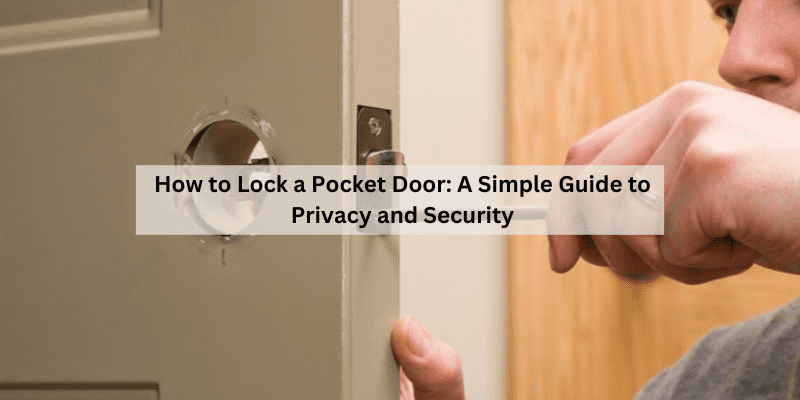
How to Lock a Pocket Door: A Simple Guide to Privacy and Security
Hey there! If you’ve ever walked into a room with a pocket door, you know how sleek and space-saving they are. They slide right into the wall, giving your home a modern, open feel. But here’s the catch: figuring out how to lock a pocket door can be a bit tricky. I remember the first time I tried to lock one in my own home—I fumbled around, wondering if I was missing something obvious.
After some trial and error, a bit of research, and a few handy tools, I cracked the code. Now, I’m excited to share everything I’ve learned with you! Whether you’re a homeowner, renter, or just curious, this guide will walk you through how to lock a pocket door step by step. It’s easier than you think, and I’ll make sure you feel confident tackling this project.
In this article, I’ll cover the types of pocket door locks, how to install them, and even some troubleshooting tips for common issues. My goal is to make this as clear and approachable as possible, so you can secure your pocket door without breaking a sweat. Let’s dive in and get that door locked!
Why Locking a Pocket Door Matters
Pocket doors are awesome for saving space, especially in small homes or apartments. I love how they disappear into the wall, making my rooms feel bigger. But without a lock, they don’t offer much privacy or security. Imagine trying to relax in your bedroom or bathroom, only to realize anyone could slide the door open. Not ideal, right?
Locking a pocket door gives you peace of mind. It’s perfect for bathrooms, bedrooms, or even home offices where you need a quiet, private space. Plus, if you have kids or pets, a lock keeps them from barging in at the worst possible moment. I learned this the hard way when my dog pushed my office pocket door open during a video call! A lock solves these problems and adds a layer of safety to your home.
Types of Pocket Door Locks
Before I figured out how to lock my pocket door, I was surprised to learn there are several types of locks designed just for them. Each one has its pros and cons, so let’s break them down. Choosing the right lock depends on your needs, budget, and how much work you’re willing to put in.
- Privacy Locks: These are great for bathrooms or bedrooms. They’re simple push-button or turn-button locks that secure the door from the inside. I installed one in my guest bathroom, and it’s super easy to use. No key is needed, which is convenient but not ideal for high-security areas.
- Keyed Locks: If you want extra security, a keyed lock is the way to go. These require a key to lock or unlock from the outside, making them perfect for home offices or storage rooms. I use one in my basement office, and it gives me confidence that my files are safe.
- Hook and Eye Locks: This is a budget-friendly option. It’s a small hook on the door that latches onto an eye on the wall. I tried this in a closet, and while it works, it’s not the most secure or stylish choice.
- Sliding Bolt Locks: These are sturdy and easy to install. A small bolt slides into a catch on the wall or door frame. I like these for their durability, but they can be a bit clunky.
- Magnetic Locks: These are modern and sleek. A magnet holds the door in place, and some even have a key or button to release it. I haven’t tried one yet, but they’re on my list for a future upgrade.
Here’s a quick table to compare these options:
| Lock Type | Best For | Pros | Cons |
|---|---|---|---|
| Privacy Lock | Bathrooms, Bedrooms | Easy to use, no key needed | Not secure for external doors |
| Keyed Lock | Offices, Storage Rooms | High security, key access | Requires carrying a key |
| Hook and Eye Lock | Closets, Low-Traffic Areas | Cheap, simple to install | Less secure, not very stylish |
| Sliding Bolt Lock | Any Room | Durable, reliable | Can be bulky, harder to install |
| Magnetic Lock | Modern Homes | Sleek, high-tech | More expensive, may need pro help |
I recommend starting with a privacy lock if you’re new to this. It’s affordable and straightforward, which is great for beginners like I was.
Tools You’ll Need to Install a Pocket Door Lock
When I decided to lock my pocket door, I was worried I’d need a ton of fancy tools. Good news: you probably have most of what you need already! Here’s what I used to install a basic privacy lock, and these tools work for most lock types:
- Screwdriver (Phillips or flathead, depending on your lock)
- Measuring tape
- A pencil for marking
- Drill with bits (for making holes)
- Chisel (if you need to carve out space in the door)
- Level to ensure everything’s straight
- Safety glasses (because splinters are no fun)
I also keep a small towel handy to clean up dust or shavings. If you’re installing a more complex lock, like a keyed or magnetic one, you might need a router or a lock installation kit. I’ll admit, I borrowed a neighbor’s drill for my first install, so don’t be afraid to ask for help if you’re short on tools.
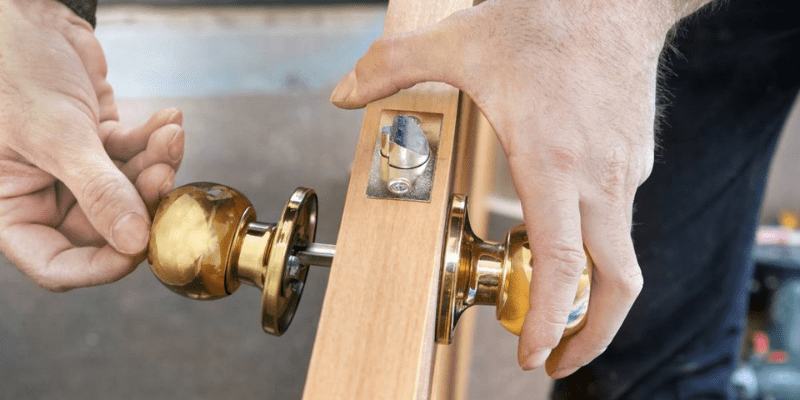
Step-by-Step Guide to Installing a Pocket Door Lock
Alright, let’s get to the fun part! Installing a pocket door lock isn’t as hard as it looks. I’ll walk you through how I installed a privacy lock on my bathroom pocket door. These steps work for most locks, but always check the instructions that come with your specific model.
First, gather your tools and lock kit. I bought a round privacy lock from my local hardware store for about $20. Open the kit and make sure all the pieces are there—mine came with a lock body, faceplate, screws, and a strike plate.
Next, close the pocket door and use your measuring tape to find the right height for the lock. I placed mine about 36 inches from the floor, which is standard for door handles. Mark the spot with a pencil on the edge of the door.
Now, take the template that comes with your lock kit. It’s a paper guide that shows where to drill. Tape it to the door, aligning it with your pencil mark. I used a level to make sure it was straight. Then, put on your safety glasses and drill a hole through the door where the template indicates. For my lock, I needed a 2-inch hole for the lock body and a smaller one for the latch.
Once the holes are drilled, insert the lock body into the larger hole. It should fit snugly. If it doesn’t, you might need to chisel out a bit of wood. I had to do this, and it was easier than I expected—just tap gently with a chisel and hammer. Attach the faceplate to the edge of the door with screws.
Now, slide the door closed and mark where the latch hits the door frame. This is where you’ll install the strike plate. Drill a small hole for the latch, then screw the strike plate into place. I tested the lock a few times to make sure it clicked smoothly. If it’s sticky, you might need to adjust the strike plate.
Finally, give everything a quick wipe-down, and you’re done! My first install took about an hour, but now I can do it in half that time. It’s so satisfying to slide the door and hear that lock click into place.
Troubleshooting Common Pocket Door Lock Problems
Even with careful installation, things can go wrong. I ran into a few hiccups when I started locking my pocket doors, so let me save you some frustration. Here are the most common issues and how to fix them.
Sometimes, the lock doesn’t catch properly. This happened to me when my strike plate was slightly misaligned. I loosened the screws, shifted the plate a tiny bit, and tightened them again. Problem solved! If the latch still doesn’t catch, check if the door is sagging. Pocket doors can come off their tracks over time. I fixed a sagging door by tightening the rollers at the top, which you can access by removing the trim.
Another issue is a sticky lock. If your lock feels stiff, it might need lubrication. I dabbed a bit of graphite powder (available at hardware stores) into the lock, and it worked like a charm. Avoid oil-based lubricants, as they can attract dust and gunk.
If your lock feels loose, check the screws. I’ve had to tighten mine a few times, especially in high-traffic areas like my bathroom. A quick turn with a screwdriver usually does the trick.
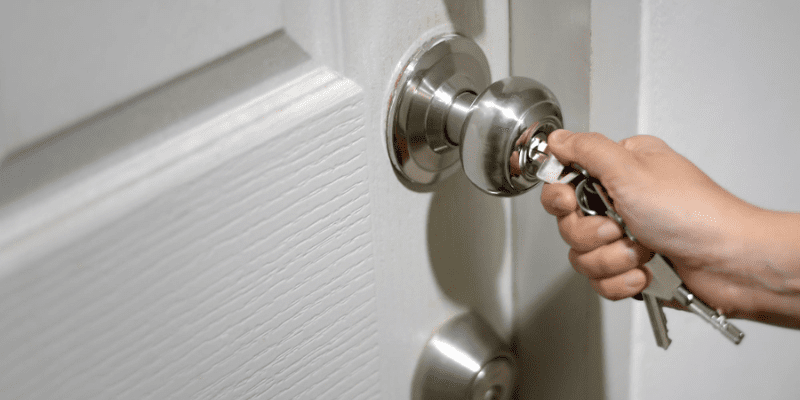
Maintaining Your Pocket Door Lock
Once your lock is installed, a little maintenance goes a long way. I learned this after neglecting my first lock, which started to feel sluggish after a few months. Now, I follow a simple routine to keep my pocket door locks in top shape.
Every few months, I check the screws to make sure they’re tight. I also wipe down the lock with a damp cloth to remove dust or grime. For the latch, a quick puff of graphite powder keeps it sliding smoothly. If you notice any wobbling or squeaking, it’s usually a sign that something needs tightening or lubricating.
I also keep an eye on the door itself. Pocket doors rely on rollers and tracks, which can get dirty or misaligned. I vacuum the track every so often and check that the door slides easily. This prevents strain on the lock and keeps everything working like new.
Can You Add a Lock to an Existing Pocket Door?
If your pocket door doesn’t have a lock, don’t worry—you can definitely add one. I did this in my home office, and it was easier than I thought. The process is the same as installing a new lock, but you’ll need to be extra careful when drilling into an existing door. Measure twice to avoid mistakes, and use a sharp drill bit to prevent splintering.
If your door is thin or hollow, you might need a special lock designed for lightweight doors. I found these at my hardware store, labeled as “pocket door locks for hollow cores.” If you’re unsure, ask a store employee or consult a locksmith. I almost drilled into a hollow door without the right lock, and I’m glad I double-checked!
Is It Worth Hiring a Professional?
I’ll be honest: installing a pocket door lock is a DIY-friendly project, but it’s not for everyone. If you’re comfortable with tools and have an hour to spare, you can probably handle it. I did, and I’m no carpenter! But if you’re nervous about drilling into your door or dealing with the wall frame, hiring a professional might be worth it.
A locksmith or handyman can install a pocket door lock in about 30 minutes. The cost varies, but I’ve seen quotes between $50 and $150, depending on your location and the lock type. If you have an older home or a custom door, a pro can ensure everything fits perfectly. I considered hiring someone for my basement door, but decided to try it myself and saved some cash.
Why I Love My Locked Pocket Door
Adding a lock to my pocket door has been a game-changer. It’s not just about privacy—it’s about feeling secure and in control of my space. Whether I’m working, relaxing, or just need a moment to myself, that little lock makes all the difference. Plus, it’s a small project that adds value to my home without breaking the bank.
I also love how customizable pocket door locks are. From simple privacy buttons to high-tech magnetic systems, there’s something for every style and budget. I started with a basic lock, but now I’m eyeing a keyed one for my home office. It’s fun to experiment and find what works best.
Wrapping It Up: Lock That Pocket Door with Confidence
There you have it—everything I’ve learned about how to lock a pocket door! From choosing the right lock to installing it step by step, I hope this guide has made the process feel approachable and even a little fun. I still smile every time I lock my bathroom door, knowing I tackled this project myself. It’s a small change that makes a big difference in any home.
Whether you’re craving privacy, security, or just want to try a new DIY project, locking your pocket door is totally doable. Grab your tools, pick a lock that fits your style, and give it a shot. You don’t need to be a pro to get professional results. So, go ahead and make your space your own—one locked pocket door at a time!
Frequently Asked Questions
What kind of lock is best for a pocket door?
It depends on your needs. I like privacy locks for bathrooms because they’re simple and don’t need a key. For more security, like in an office, a keyed lock is great. If you’re on a budget, a hook and eye lock works but isn’t as secure.
Can I install a pocket door lock myself?
Yes, you can! I did it with basic tools like a drill and a screwdriver. It took me about an hour the first time. Just follow the lock’s instructions and measure carefully. If you’re not handy, a locksmith can help.
Will a lock damage my pocket door?
Not if you install it correctly. I was worried about this, too, but using the right tools and following the template kept my door safe. Be gentle when drilling, and double-check your measurements to avoid mistakes.
How do I fix a pocket door lock that doesn’t catch?
This happened to me! First, check if the strike plate is aligned with the latch. I loosened the screws and adjusted it slightly. If that doesn’t work, the door might be sagging. Tighten the rollers at the top to fix it.
Can I add a lock to an old pocket door?
Definitely! I added a lock to a 20-year-old pocket door in my home. You might need a lock designed for thin or hollow doors, but the process is the same. Just be careful when drilling into older wood.
How much does it cost to lock a pocket door?
It depends. A basic privacy lock costs $15-$30, which is what I paid. Installation is free if you DIY. Hiring a pro might cost $50-$150, depending on your area and the lock type.