How to Lock My Bedroom Door When I Leave
Hey there! If you’re reading this, you’re probably wondering how to keep your bedroom secure when you step out. I get it—your bedroom is your sanctuary, a place where you keep your personal stuff, and you want to make sure it’s safe. Whether you live with roommates, have curious kids, or just want some extra peace of mind, locking your bedroom door when you leave is a smart move. I’ve been there, trying to figure out the best way to protect my space, and I’ve explored all sorts of options. In this article, I’m going to walk you through everything I’ve learned about securing your bedroom door, from simple fixes to more advanced solutions. Let’s dive in and make sure your room stays your own, even when you’re not around.
Why Locking Your Bedroom Door Matters
Your bedroom isn’t just a place to sleep—it’s where you store your valuables, personal documents, and maybe even some sentimental items. I know I’ve got a box of old letters and a laptop I’d hate for anyone to mess with. Locking your door keeps these things safe from nosy roommates, unexpected visitors, or even potential break-ins. It’s also about privacy. There’s something comforting about knowing your space is off-limits when you’re not there. Plus, if you’re renting or sharing a home, a locked door sets clear boundaries. I’ve had roommates in the past, and trust me, a lock made all the difference in feeling secure.
Assessing Your Current Door Setup
Before you buy a new lock or start drilling holes, take a look at what you’re working with. I made the mistake once of buying a fancy lock only to realize it wouldn’t fit my door! Start by checking your door type. Is it a standard interior door, a hollow-core door, or something sturdier? Most bedroom doors are lightweight, which can limit your lock options. Next, look at the door frame and the knob. Does it already have a lock? If it does, is it a simple privacy lock (the kind with a push button or twist) or something more secure? I’ve found that many bedroom doors come with flimsy locks that are more about keeping kids out than providing real security. Knowing your setup helps you choose the right solution.
Types of Locks for Your Bedroom Door
There are tons of lock options out there, and I’ve tried a few myself. Here’s a breakdown of the most common ones you can use to secure your bedroom when you leave.
Privacy Locks
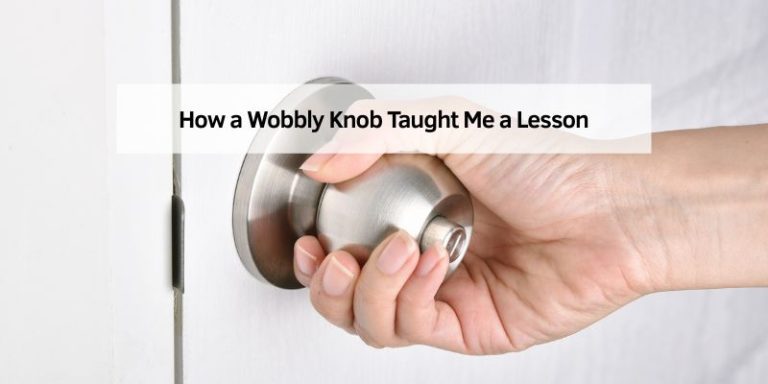
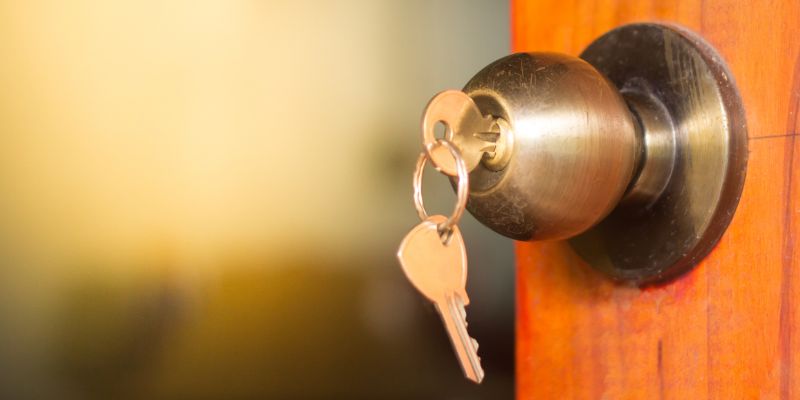
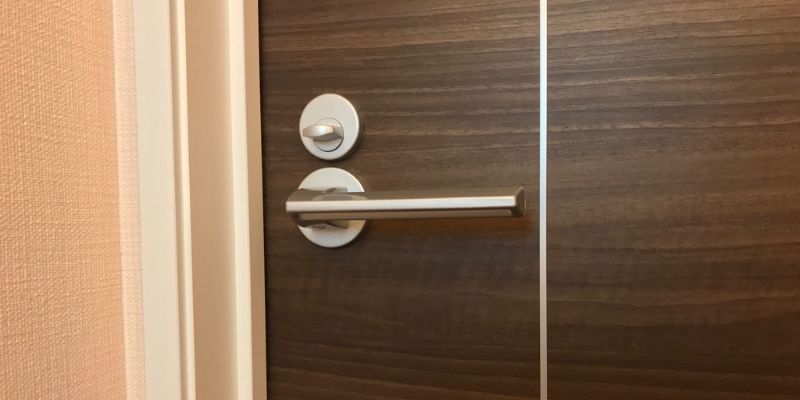
These are the basic locks you’ll find on most bedroom doors. They’re usually built into the doorknob and have a button or twist mechanism on the inside. I had one of these in my old apartment, and while it was fine for keeping my roommate’s dog out, it wasn’t great for real security. Privacy locks are easy to pick or bypass with a simple tool like a paperclip. If you’re just looking to keep casual snoopers away, this might do the trick, but I wouldn’t rely on it for serious protection.
Keyed Deadbolts
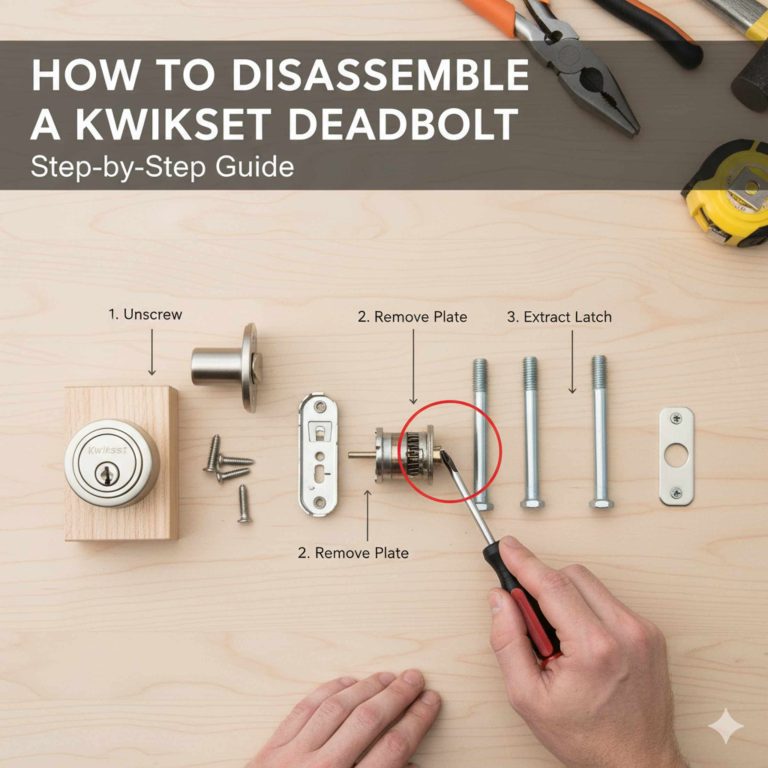
A deadbolt is a step up. These require a key to lock and unlock from the outside, which makes them much more secure. I installed a single-cylinder deadbolt on my bedroom door a few years ago, and it gave me so much peace of mind. You turn the key outside and use a thumb-turn inside. They’re great because they’re tough to pick and can withstand some force. Just make sure to keep track of the key—I’ve locked myself out more than once!
Smart Locks
Smart locks are my new favorite. They let you lock and unlock your door with a smartphone app, a keypad, or even your fingerprint. I got a smart lock with a keypad for my bedroom last year, and it’s been a game-changer. No more fumbling with keys, and I can share access codes with trusted friends if needed. Some even let you check if the door is locked remotely. The downside? They’re pricier, and you’ll need to change batteries every so often. But for tech-savvy folks like me, they’re worth it.
Portable Door Locks
If you’re renting or can’t modify your door, portable door locks are a lifesaver. These devices don’t require any installation. You just slide them into the door’s strike plate and lock them in place. I used one when I was staying at a friend’s place for a few months. It was easy to carry and worked like a charm. They’re not as strong as a deadbolt, but they’re great for temporary situations or travel.
Chain Locks or Door Jammers
Chain locks are those little chains you see on hotel doors. They’re not super secure, but they add an extra layer of protection. I’ve also tried door jammers, which are bars that wedge under the doorknob and brace against the floor. They’re surprisingly effective for keeping the door shut, but you can only use them when you’re inside. Still, they’re cheap and easy to store.
| Lock Type | Pros | Cons | Best For |
|---|---|---|---|
| Privacy Lock | Inexpensive, already installed on most doors | Easy to pick, not very secure | Casual privacy, low-risk settings |
| Keyed Deadbolt | Strong, reliable, affordable | Requires key, installation needed | Homeowners, long-term security |
| Smart Lock | Convenient, keyless, remote access | Expensive, needs batteries | Tech-savvy users, modern homes |
| Portable Door Lock | No installation, portable, renter-friendly | Less secure, temporary solution | Renters, travelers |
| Chain Lock/Door Jammer | Easy to install, affordable | Limited security, only works when inside | Extra layer, budget-conscious users |
How to Install a Bedroom Door Lock
Installing a lock might sound intimidating, but I’ve done it a few times, and it’s not as hard as it seems. Here’s how I approach it, depending on the lock type.
Installing a Keyed Deadbolt
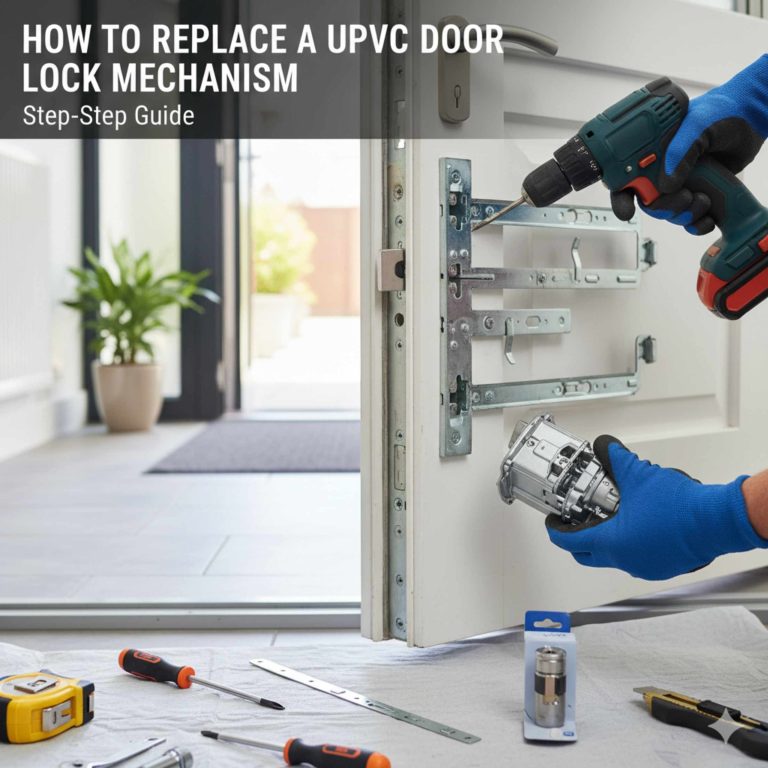
First, you’ll need a deadbolt kit, a screwdriver, a drill, and a hole saw (usually included in the kit). I started by marking where the deadbolt would go—about 6 inches above the doorknob is standard. Use the template that comes with the lock to drill holes for the bolt and latch. Then, install the deadbolt mechanism and screw it into place. Attach the strike plate to the door frame, and you’re done. It took me about 30 minutes the first time, and I felt like a pro afterward. Just double-check that everything lines up smoothly.
Installing a Smart Lock
Smart locks are a bit trickier because they often replace your existing doorknob. I followed the instructions that came with my lock, which involved removing the old knob, attaching the new lock, and connecting it to an app. Make sure your door’s thickness matches the lock’s requirements—my first smart lock didn’t fit because my door was too thin! The setup took about an hour, including downloading the app and testing the code. If you’re not techy, you might want a friend to help with the app part.
Using a Portable Lock
This one’s the easiest. I just slid the portable lock into the strike plate, closed the door, and secured the device. No tools, no hassle. It took me all of 10 seconds to figure out. Just make sure the lock fits snugly, or it won’t hold.
Tips for Choosing the Right Lock
Picking the right lock depends on your situation. Here are some things I’ve learned to consider:
- Your Living Situation: If you own your home, go for a deadbolt or smart lock. Renters might want portable locks to avoid breaking lease rules.
- Budget: Privacy locks and portable locks are cheap, usually under $20. Deadbolts cost $30–$50, while smart locks can run $100 or more.
- Security Needs: If you’re in a safe area with trusted roommates, a basic lock might be enough. For higher security, I’d recommend a deadbolt or smart lock.
- Ease of Use: If you hate carrying keys, a smart lock with a keypad is a great choice. I love not worrying about losing my key.
- Door Type: Hollow-core doors can’t handle heavy locks, so check your door’s strength before buying.
Maintaining Your Bedroom Door Lock
Once you’ve got your lock, you want it to last. I’ve had locks get sticky or stop working because I didn’t take care of them. Lubricate your lock every 6 months with a graphite-based spray—don’t use oil, as it attracts dust. I learned this the hard way when my deadbolt started jamming. Clean the keyhole with compressed air to keep dirt out. For smart locks, check the batteries every few months. Mine gave me a low-battery warning, which was a lifesaver. Also, make sure the screws on your lock and strike plate stay tight—loose screws can weaken the lock.
Common Mistakes to Avoid
I’ve made plenty of mistakes when securing my bedroom door, so let me save you some trouble. Don’t buy a lock without checking your door’s thickness or frame strength. I once got a deadbolt that was too big for my flimsy door, and it was a waste of money. Don’t rely on privacy locks for real security—they’re too easy to bypass. If you’re installing a lock, don’t skip the instructions; I did that once and had to redo everything. Finally, don’t lose your keys or forget your smart lock code. I now keep a spare key in a safe place, just in case.
When to Call a Professional
Sometimes, installing a lock is too much to handle. If your door frame is damaged or you’re dealing with a tricky smart lock setup, call a locksmith. I tried to install a deadbolt on an old door once, and the frame was so warped it wouldn’t align. A locksmith fixed it in no time. They can also recommend the best lock for your door and make sure it’s installed securely. It costs more—usually $50–$150—but it’s worth it for peace of mind.
Extra Security Tips for Your Bedroom
Locking your door is just one part of keeping your room safe. I’ve picked up a few extra tricks over the years. Consider adding a door sensor that alerts your phone if someone opens the door. I use one, and it’s great for catching sneaky roommates. You can also get a small safe for your most valuable items—I keep my passport and some cash in one. If you’re worried about break-ins, reinforce your door frame with longer screws. And don’t forget to close your windows before you leave; I once left a window open, and it made my lock pointless!
Conclusion
Locking your bedroom door when you leave doesn’t have to be complicated, but it’s such an important step in protecting your space. I’ve tried everything from cheap portable locks to high-tech smart locks, and each has its place depending on your needs. Whether you’re keeping out curious kids, nosy roommates, or just want to feel secure, there’s a solution out there for you. Take the time to assess your door, pick the right lock, and maintain it properly. Trust me, the peace of mind is worth it. Now go lock that door and enjoy your day, knowing your sanctuary is safe!
FAQs
What’s the easiest way to lock my bedroom door without a key?
Portable door locks are the easiest option. I’ve used them when traveling or renting. You just slide them into the strike plate, close the door, and secure them. They’re super simple and don’t require any tools or permanent changes.
Can I install a deadbolt on a hollow-core door?
It’s tricky. Hollow-core doors are common in bedrooms but aren’t very strong. I tried installing a deadbolt on one, and it felt wobbly. You can do it, but use a lightweight deadbolt and reinforce the door with a metal plate for better security.
Are smart locks worth the cost for a bedroom?
For me, yes! I love the convenience of a keypad and not needing a key. They’re great if you want high-tech features like remote access. But if your budget is tight, a deadbolt is just as secure for less money.
How do I know if my bedroom door lock is secure enough?
Test it. Can it be easily jiggled open or picked with a paperclip? Privacy locks often fail this test. I recommend a deadbolt or smart lock for real security, especially if you have valuables in your room.
What should I do if I lose my bedroom door key?
It’s happened to me! Keep a spare key in a safe place, like with a trusted friend or in a lockbox. If you’re locked out, a locksmith can help, or you might need to replace the lock if it’s a recurring issue.