How to Make Tacky Paint Dry on Rubber Quickly
Painting on rubber can feel tricky because it’s a flexible surface. Sometimes, paint just stays sticky, and you wonder, How to Make Tacky Paint Dry on Rubber—Quickly. This is a common puzzle for people starting out.
But don’t worry, it’s not as hard as it sounds! We will walk through some easy steps to help your paint dry fast and get a great finish on your rubber items. Get ready to learn the simple tricks.
Understanding Rubber and Paint Drying
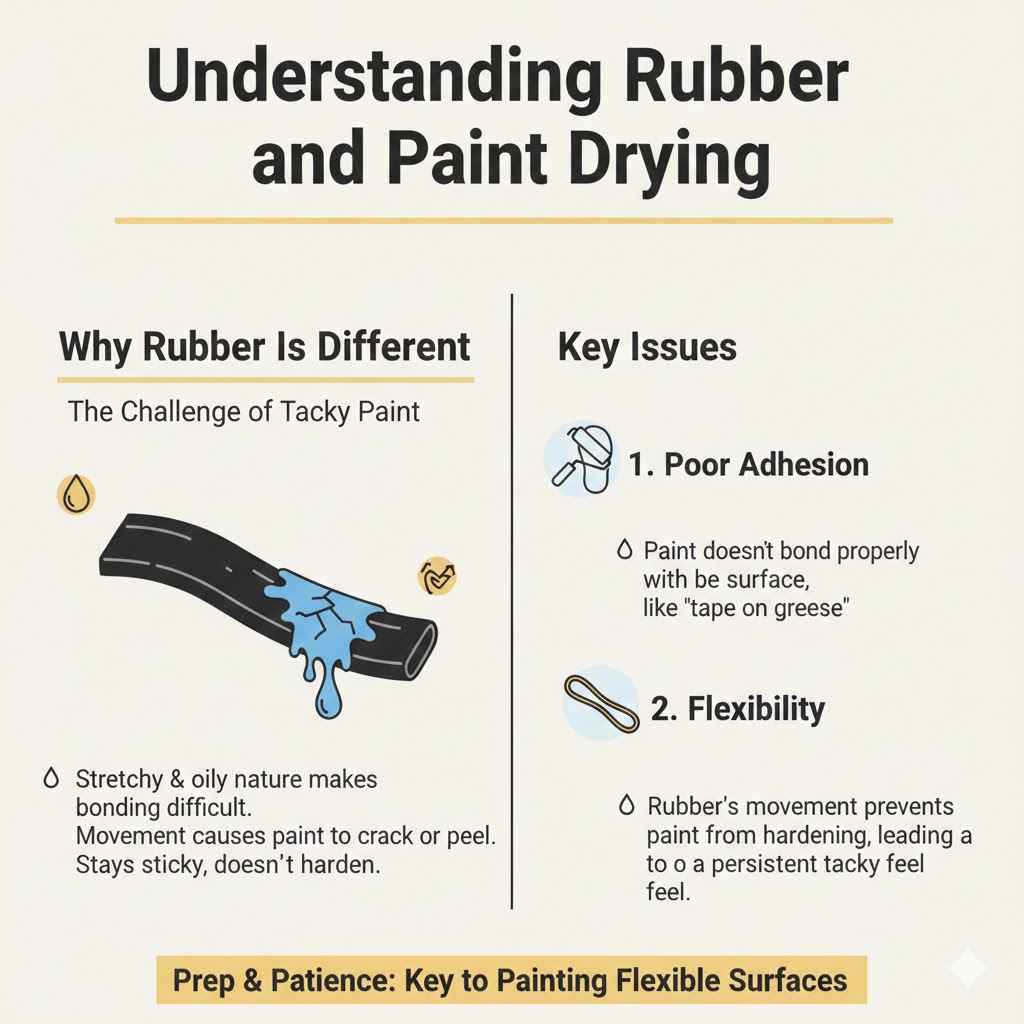
Why Rubber Is Different
Rubber is a special material. It’s stretchy and can be oily. These things make it hard for paint to stick well.
Unlike wood or plastic, rubber moves. This movement can cause paint to crack or peel off. Paint that usually dries fine on other things might just stay wet and sticky on rubber.
The Challenge of Tacky Paint
When paint feels tacky and doesn’t harden, it’s frustrating. You want your project to be finished, but the paint won’t cooperate. This often happens when the paint doesn’t bond properly with the rubber surface.
It’s like trying to stick tape to a greasy surface; it just doesn’t hold.
Preparing Rubber for Paint
Cleaning Is Key
Before you even think about painting, you must clean the rubber. Any dirt, oil, or old coatings will stop the new paint from sticking. Use a good cleaner.
Isopropyl alcohol works well for removing oils. Wipe the rubber surface down thoroughly. Let it air dry completely.
Sanding for Grip
Sometimes, lightly sanding the rubber surface can help. Use very fine-grit sandpaper, like 220 or higher. This creates tiny scratches that give the paint something to grab onto.
After sanding, clean the rubber again to remove all dust. This step makes a big difference for paint adhesion.
Choosing the Right Paint
Paint Types That Work on Rubber
Not all paints are made for rubber. You need paints that are flexible. Acrylic paints are a good choice, especially those made for crafts or fabric.
Spray paints designed for plastic or flexible surfaces often work well too. Always check the paint can label to see if it’s suitable for rubber or similar flexible materials.
Primer Power
Using a primer is a smart move. Look for a flexible primer or a primer specifically designed for plastics and rubber. A primer acts as a bonding layer between the rubber and your topcoat of paint.
It helps the paint stick better and dry more evenly.
Drying Techniques to Speed Things Up
Air Circulation
Good airflow helps paint dry. Open windows or use a fan. Place your painted rubber item in a well-ventilated area.
Moving air helps evaporate the solvents or water in the paint, making it dry faster.
Gentle Heat
A little bit of heat can speed up drying. You can use a hairdryer on a low setting. Hold it a good distance away from the painted surface.
Move the hairdryer constantly to avoid overheating one spot, which could damage the paint or rubber.
Patience and Thin Coats
This might sound like the opposite of quick drying, but it works. Applying many thin coats of paint is better than one thick coat. Thin coats dry much faster and adhere better.
Let each thin coat dry until it’s no longer wet to the touch before applying the next. This prevents the paint from staying gummy.
What to Do If Paint Stays Tacky
The Alcohol Wipe Method
If your paint is still a bit tacky after waiting, try wiping it gently with a cloth dampened with isopropyl alcohol. Do this carefully. It can sometimes help to remove a sticky surface layer and allow the paint underneath to cure.
Test this on a small, hidden area first.
Longer Cure Time
Some paints need time to fully harden, even if they feel dry to the touch. This is called curing. For rubber, this can take longer than you expect.
Give the paint several days to fully cure. Avoid touching or using the item during this time.
Reapplying Primer or Paint
If the tackiness is a big problem and won’t go away, you might need to start over. Gently remove the sticky paint. Re-clean and re-prime the rubber.
Then, apply a new coat of paint, using the techniques we discussed.
Specific Paint Types and Their Drying Needs
Acrylic Paints on Rubber
Acrylic paints are popular because they dry relatively fast and are flexible when dry. When painting rubber with acrylics, always use a primer first. Apply thin coats.
A hairdryer on a low setting can help speed up the drying between coats. Ensure the paint is fully cured before use.
Spray Paints for Rubber
Specialty spray paints for plastic or flexible surfaces work well. They usually dry quickly to the touch. However, they also need time to cure.
Good ventilation is crucial when using spray paints. Apply light, even coats. Avoid heavy application, which can lead to runs and longer drying times.
Fabric Paints on Rubber
Fabric paints are designed to be flexible and durable, making them a good choice for rubber. They typically dry to a matte finish. Follow the manufacturer’s instructions.
Many fabric paints benefit from heat setting, which can be done with a hot iron (with a pressing cloth) or a dryer. This heat helps the paint cure and become more permanent.
Troubleshooting Common Issues
Paint Peeling or Cracking
This usually happens when the rubber wasn’t cleaned properly, or the wrong type of paint was used. A flexible primer and a flexible topcoat are important. Also, the rubber itself might be too oily or have a surface treatment that repels paint.
Uneven Finish
An uneven finish can result from applying paint too thickly or not having a smooth enough surface underneath. Light sanding and thin coats help create a smooth, even look. Make sure each coat is dry before adding the next.
Paint Rubbing Off
This means the paint hasn’t fully cured yet. Even if it feels dry, it might still be soft. Give it more time.
Using a clear sealant designed for flexible surfaces can add an extra layer of protection once the paint is fully dry.
Quick Tips for Faster Drying
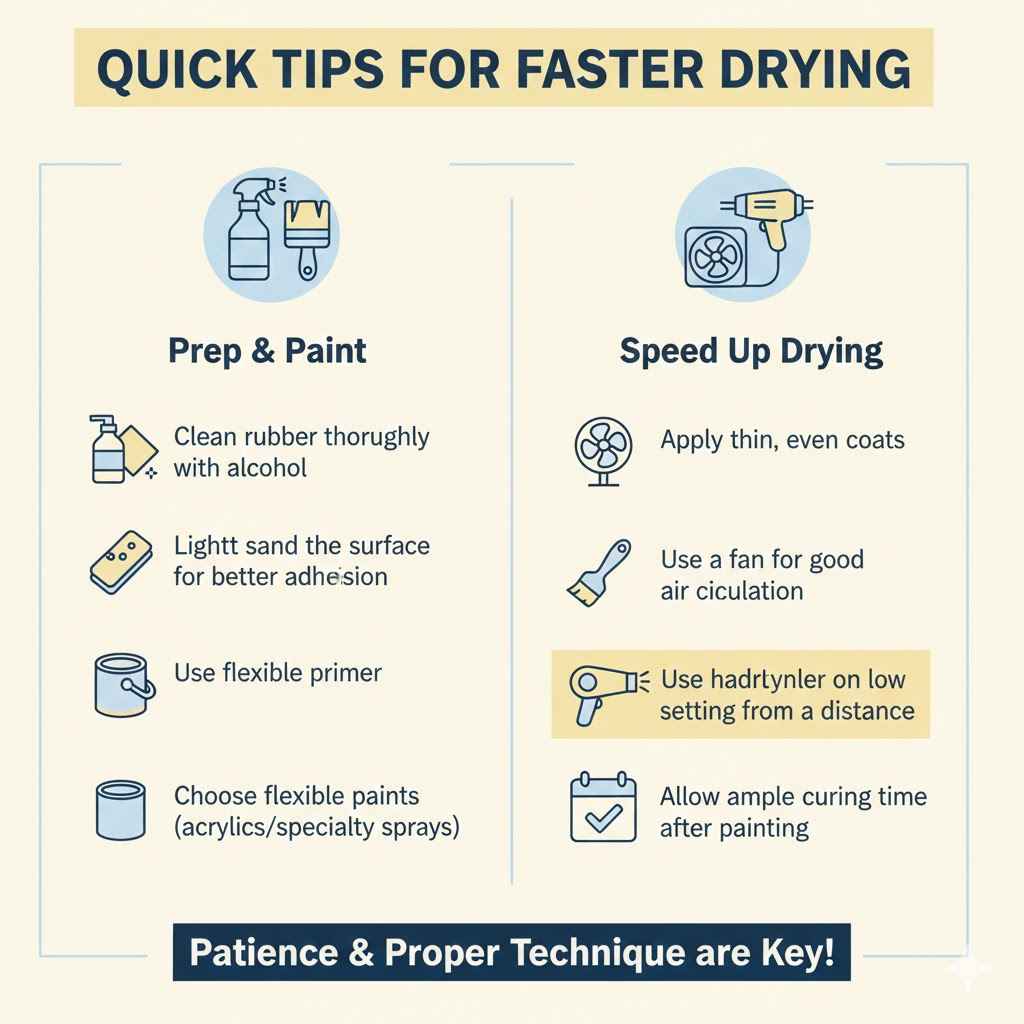
- Clean rubber thoroughly with alcohol.
- Lightly sand the surface for better adhesion.
- Use a flexible primer.
- Choose flexible paints like acrylics or specialty spray paints.
- Apply thin, even coats.
- Use a fan for good air circulation.
- Use a hairdryer on a low setting from a distance.
- Allow ample curing time after painting.
Frequently Asked Questions
Question: What kind of paint should I use on rubber
Answer: Use flexible paints like acrylics, fabric paints, or spray paints designed for plastic and flexible surfaces. Always use a flexible primer first.
Question: How do I clean rubber before painting
Answer: Clean the rubber surface thoroughly with soap and water or isopropyl alcohol to remove dirt, oil, and grease. Let it dry completely.
Question: Can I use a hairdryer to dry paint on rubber
Answer: Yes, you can use a hairdryer on a low, cool setting from a distance. Keep it moving to avoid overheating the paint or rubber.
Question: Why is my paint still sticky after painting rubber
Answer: This can happen if the paint hasn’t bonded well, the surface wasn’t prepped correctly, or the paint hasn’t fully cured. Try applying thin coats and ensuring proper ventilation and gentle heat.
Question: How long does paint take to dry on rubber
Answer: Paint might feel dry to the touch in a few hours, but it can take 24-72 hours or even longer for it to fully cure and harden, depending on the paint type and conditions.
Final Thoughts
Getting tacky paint to dry on rubber quickly is manageable with the right approach. By cleaning and prepping the surface well, choosing flexible paints and primers, and using drying aids like fans or gentle heat, you can achieve a smooth, lasting finish. Remember that thin coats and patience are your friends, even when aiming for speed.