How to Mortise Door Hinges: A Beginner’s Guide
My first attempt at mortising door hinges was a disaster. I chipped the wood, bent a screw, and my door wobbled like a seesaw! But don’t worry—I’ve learned the tricks since then, and I’m here to share them. This guide will teach you how to mortise door hinges step-by-step, whether you’re a newbie or a seasoned DIYer. You’ll learn what mortising is, the tools you need, and simple tips to make your door swing smoothly. Get ready to hang a door like a pro!
What Is Mortising Door Hinges?
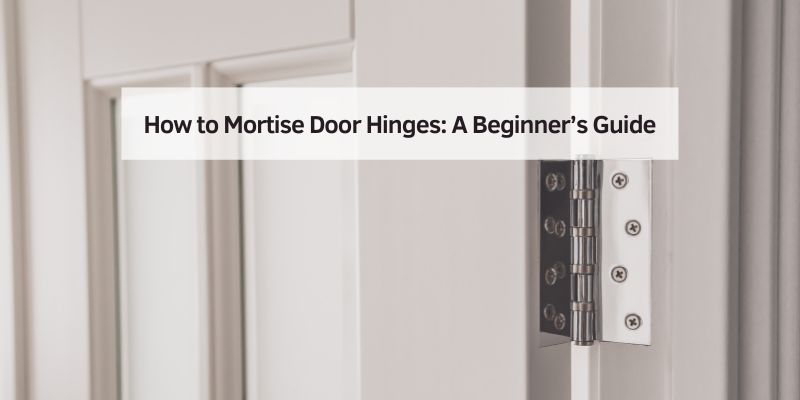
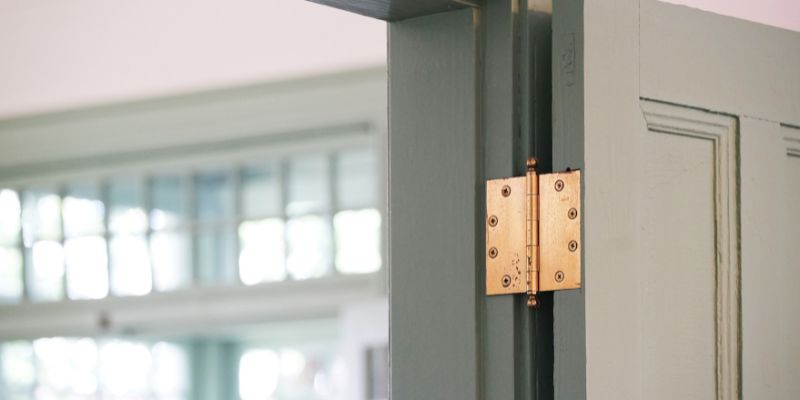
Mortising means cutting a shallow slot, or “mortise,” into a door and its frame to fit a hinge flush. This keeps your door strong, reduces gaps, and makes it look neat. Without a mortise, hinges stick out, leaving ugly gaps that let in drafts or noise. Think of it like carving a perfect pocket for your hinge to sit snugly.
Why Mortising Matters
A good mortise makes your door sturdy and secure. It stops hinges from sagging and keeps the door aligned. Plus, it’s a must for heavy doors, like solid wood ones. I once skipped mortising on a lightweight door, and it wobbled within a month—lesson learned!
Tools and Materials You Need
You don’t need a fancy workshop to mortise hinges. Here’s what I use for a basic bedroom door project:
- Chisel: A 1-inch or ¾-inch sharp wood chisel (about $10-$20 at The Home Depot).
- Hammer or Mallet: A small one for gentle tapping ($5-$15).
- Utility Knife: For scoring wood ($3-$10).
- Router (Optional): A trim router with a ¼-inch bit for faster work ($50-$100).
- Hinges: Standard 3-inch butt hinges ($5-$10 each).
- Screwdriver or Drill: For securing hinges ($20-$50 for a basic drill).
- Pencil and Tape Measure: For marking ($2-$5).
- Safety Gear: Safety glasses and gloves ($5-$10).
Table 1: Tool Cost Comparison
| Tool | Budget Option | Mid-Range Option | Notes |
|---|---|---|---|
| Chisel | $10 (Stanley) | $20 (Irwin) | Sharp, wide chisels work best. |
| Router | $50 (Ryobi) | $100 (Bosch) | Optional for faster mortising. |
| Drill | $20 (Black+Decker) | $50 (DeWalt) | Self-centering bits save time. |
| Caption: Comparing budget and mid-range tools for mortising hinges. Prices from The Home Depot, 2025. |
Visual Idea: A diagram showing a hinge placed on a door edge with measurements (5 inches from top, 10 inches from bottom).
Step-by-Step Guide to Mortising Door Hinges
You can mortise hinges with a chisel or a router. I’ll cover both methods so you can pick what’s easiest. Always wear safety glasses—wood chips fly!
Method 1: Mortising with a Chisel
This is the classic way, perfect for beginners with basic tools. I used this method to hang a bathroom door last summer, and it was a breeze once I got the hang of it.
- Mark the Hinge Spots: Measure 5 inches from the top of the door and 10 inches from the bottom. For heavy doors, add a third hinge in the middle. Use a pencil to mark these spots.
- Trace the Hinge: Place the hinge on the door’s edge, pin side facing the door’s opening direction. Trace around it with a pencil.
- Score the Outline: Use a utility knife to lightly cut along the pencil lines. This prevents wood from splintering.
- Chisel the Outline: Hold a sharp chisel vertically along the scored lines. Tap gently with a hammer to cut about 1/16 inch deep (the thickness of your hinge).
- Remove Wood: Angle the chisel at 45 degrees and make small cuts across the mortise area, about ¼ inch apart. Tap gently to remove wood chips until you reach the hinge’s depth.
- Smooth the Mortise: Scrape the chisel flat to even out the bottom. Test-fit the hinge—it should sit flush.
- Drill Pilot Holes: Place the hinge in the mortise and mark screw holes. Use a small drill bit (thinner than your screws) to make pilot holes.
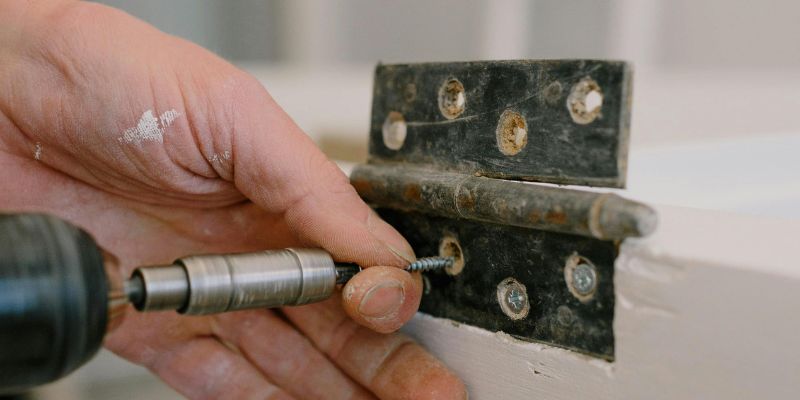
- Secure the Hinge: Screw the hinge into place with a screwdriver or drill. Don’t overtighten—it can strip the wood.
Tip: If your mortise is too deep, glue a thin piece of cardboard under the hinge to raise it.
Visual Idea: A sketch of a chisel cutting at a 45-degree angle to remove wood chips.
Method 2: Mortising with a Router
A router is faster but needs a steady hand. I used this method for a set of closet doors, and it saved me hours.
- Set Up a Jig: Buy a hinge template (like Milescraft HingeMate, $20) or make one from plywood. Clamp it to the door at your marked spots.
- Adjust Router Depth: Set the router bit to the hinge’s thickness (usually 1/16 inch). Test on scrap wood first.
- Route the Mortise: Move the router clockwise inside the jig to cut the mortise. Go slow to avoid burning the wood.
- Square the Corners: Routers leave rounded corners, so use a chisel to square them for standard hinges.
- Test and Secure: Fit the hinge in the mortise. Drill pilot holes and screw it in.
Table 2: Chisel vs. Router Comparison
| Method | Time per Hinge | Cost (Tools) | Skill Level | Notes |
|---|---|---|---|---|
| Chisel | 10-15 min | $15-$30 | Beginner | Slow but precise, affordable. |
| Router | 5-7 min | $70-$120 | Intermediate | Fast, needs jig for accuracy. |
| Caption: Comparing chisel and router methods for mortising door hinges. |
Benefits and Drawbacks of Mortising
Mortising makes hinges flush, reducing gaps for better insulation and security. It also strengthens the door, especially for heavy ones. The downside? It takes time and patience. If you rush, you might chip the wood or cut too deep. Non-mortise hinges are an alternative—they screw directly onto the door—but they leave gaps and look less polished. I tried non-mortise hinges once for a quick fix, but the door rattled in the wind. Stick with mortising for a pro look!
Visual Idea: A side-by-side diagram comparing a mortised hinge (flush) vs. a non-mortised hinge (gap visible).
My Top Tips for Mortising Success
Here are some tricks I’ve learned from years of carpentry:
- Sharpen Your Chisel: A dull chisel tears wood. Sharpen it on a whetstone before starting.
- Use a Butt Marker: This $5 tool marks hinge outlines perfectly. I got mine at Home Depot, and it’s a game-changer.
- Test on Scrap Wood: Practice your chisel or router cuts on a spare board to avoid ruining your door.
- Check Alignment: Double-check hinge placement with a level. Crooked hinges make doors stick.
Common Mistakes to Avoid:
- Cutting too deep (test-fit often).
- Skipping pilot holes (screws can split wood).
- Using a dull chisel (it makes a mess).
Cost-Saving Ideas
Mortising doesn’t have to break the bank. Buy a basic chisel set for $10-$15 instead of a single fancy one. Rent a router from a hardware store for $10/day if you don’t own one. Check thrift stores for used hinges—clean them up with sandpaper for a like-new look. I once scored a set of solid brass hinges for $3 at a garage sale!
Table 3: Cost Breakdown for Mortising Project
| Item | Cost Range | Where to Find |
|---|---|---|
| Hinges (3) | $15-$30 | Home Depot, Lowe’s |
| Chisel Set | $10-$20 | Amazon, hardware stores |
| Router (Rent) | $10/day | Local hardware stores |
| Caption: Estimated costs for a basic hinge mortising project. |
Safety First
Always wear safety glasses—wood chips can sting! Keep your hands behind the chisel’s sharp edge. If using a router, unplug it when changing bits. I learned this the hard way when a router bit spun loose and nicked my workbench. Work slowly and stay focused—rushing leads to mistakes.
Frequently Asked Questions
What Does Mortising a Hinge Mean?
Mortising a hinge means cutting a shallow slot in the door and frame so the hinge sits flush. This makes the door strong and reduces gaps for better insulation.
Can I Mortise Hinges Without a Router?
Yes, you can use a chisel and hammer. It’s slower but works great for beginners. Just score the outline first and cut carefully.
How Deep Should a Hinge Mortise Be?
The mortise should match the hinge’s thickness, usually 1/16 inch. Test-fit the hinge to ensure it sits flush with the door’s edge.
What If I Cut the Mortise Too Deep?
Glue a thin piece of cardboard or wood shim in the mortise to raise the hinge. Sand it smooth for a perfect fit.
Do I Need to Mortise Both Door and Frame?
Yes, mortise both for a flush fit. Matching mortises on the door and frame ensure the door swings smoothly without gaps.
How Long Does Mortising Take?
With a chisel, expect 10-15 minutes per hinge. A router cuts it down to 5-7 minutes with a jig. Practice speeds things up!
Can I Use Non-Mortise Hinges Instead?
Yes, non-mortise hinges screw directly on, but they leave gaps and look less neat. Mortising is better for heavy doors or a polished look.
Conclusion
Mortising door hinges is easier than it sounds. With a chisel or router, a bit of patience, and my tips, you’ll have a sturdy, professional-looking door in no time. Try mortising a hinge on a scrap board first—it’s fun and builds confidence! Share your project in the comments or ask me for more tips. Ready to make your door swing like a dream? Grab your tools and get started!
For more carpentry tips, check out Fine Homebuilding, The Home Depot, and WOOD Magazine.