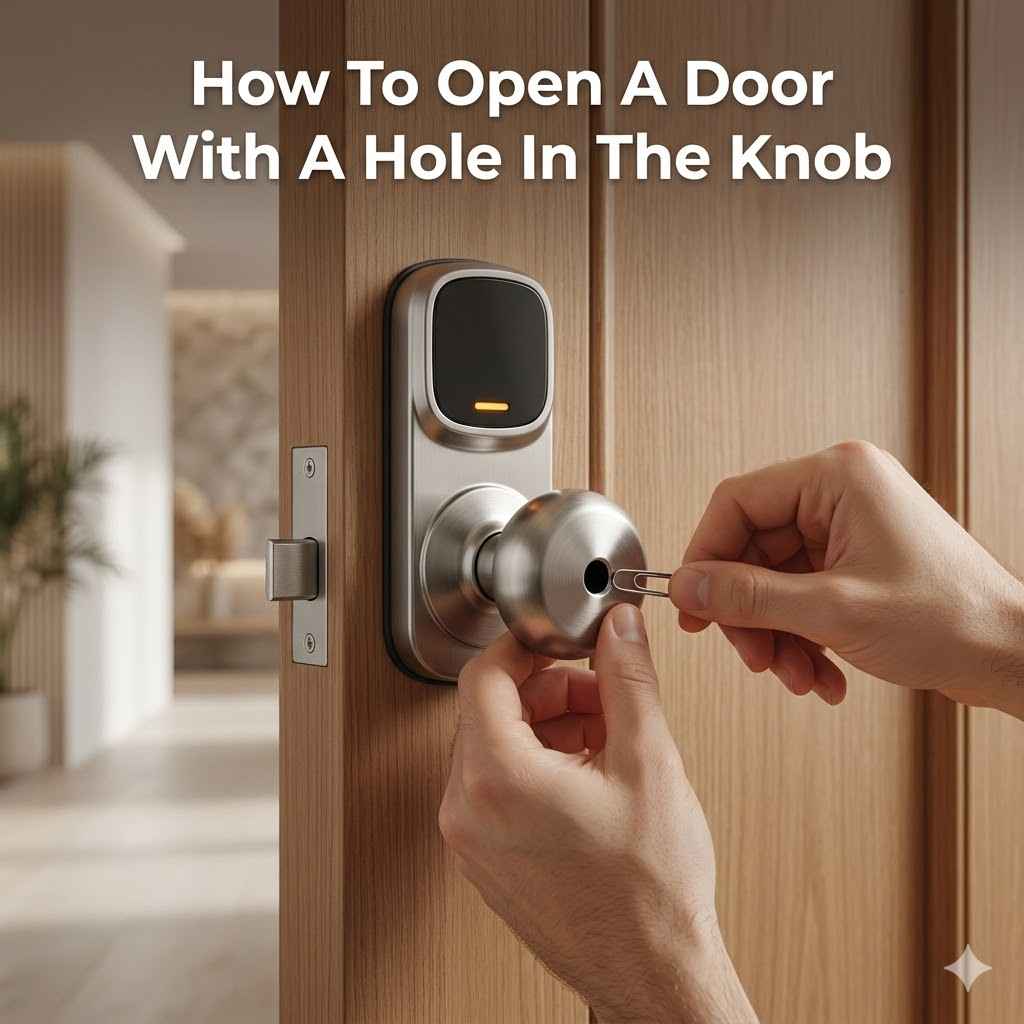
How To Open A Door With A Hole In The Knob
Sometimes you might find yourself standing in front of a door with a strange hole right in the middle of the knob. It can seem a bit puzzling at first, especially if you’re not used to dealing with different types of locks. Many people might wonder how to get past this kind of door without the right key or tool.
Don’t worry, it’s often much simpler than you think! This guide will walk you through exactly how to open a door with a hole in the knob with easy steps that anyone can follow. We’ll make sure you know exactly what to do next.
Understanding Door Knobs With Holes
Many common household doors use knob locks. These locks are designed for convenience and quick access, but they can also have little openings for specific purposes. A hole in a door knob isn’t usually there by accident.
It often serves a practical function, especially in older lock designs or for specific types of doors. Understanding why that hole exists is the first step to figuring out how to use it, or bypass it, to open the door. We’ll explore the different reasons for these holes and how they relate to opening the door.
Types Of Holes In Door Knobs
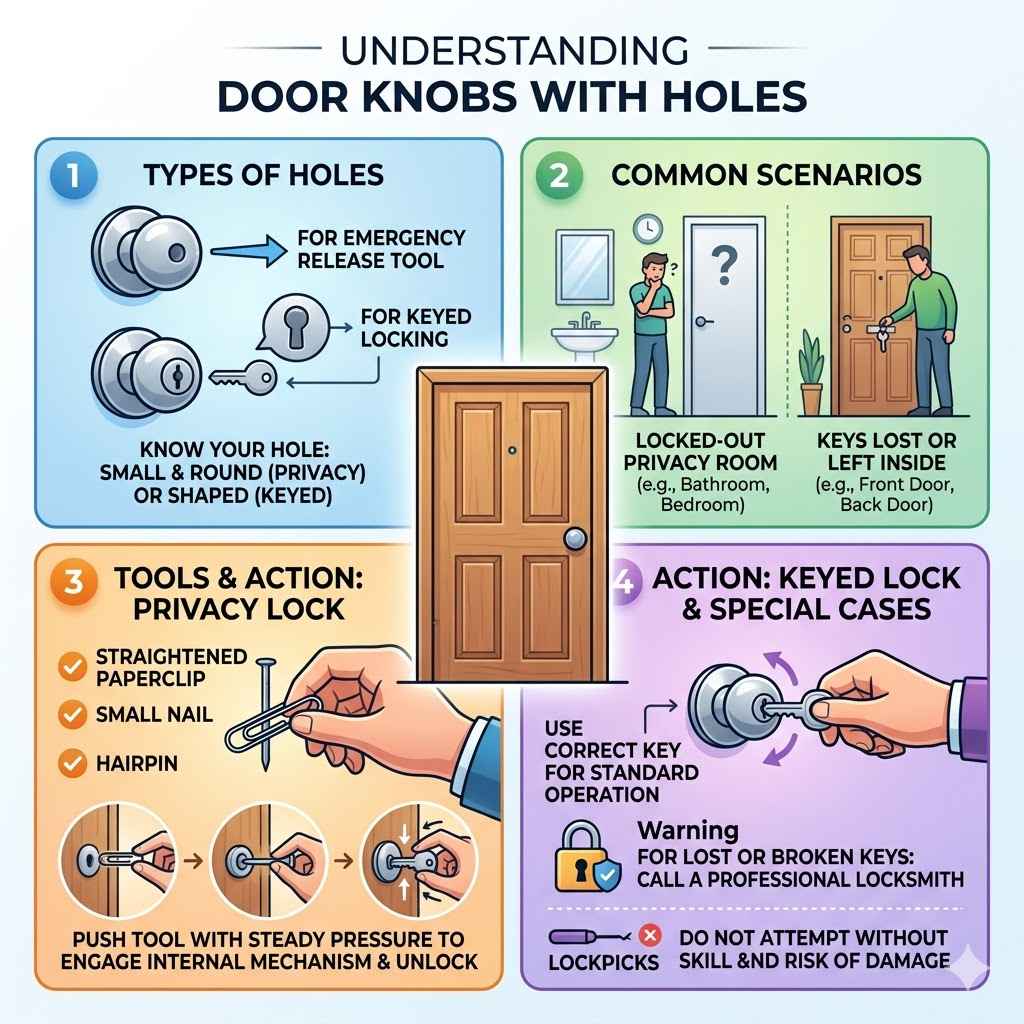
When you see a hole in a door knob, it can mean a few different things. Most of the time, it’s for a privacy lock or a keyed entry lock. Privacy locks are common on bathroom and bedroom doors.
They have a small hole on the outside knob. This hole is meant for an emergency tool to unlock the door if someone is locked inside. Keyed entry knobs have a keyhole on the outside, which also looks like a hole.
This is a standard way to secure a door from the outside. Some older or specialized knobs might have other types of holes, but these two are the most frequent.
The size and shape of the hole can give you clues. A very small, round hole is often for a privacy lock. You might need a thin, pointed object to push into it.
A larger, more shaped hole is usually where a key goes. Knowing which type you have helps you decide the best way to approach opening the door.
Privacy Lock Holes
Privacy lock holes are usually small and round, often no bigger than a pencil tip. They are designed to be discreet. The purpose is to allow someone on the outside to disengage the lock in an emergency.
For example, if a child locks themselves in a bathroom, an adult can use a tool to open the door. These holes are not for inserting a key, but rather a stiff, thin object.
The mechanism behind this is simple. Inside the knob, there’s a small slot or button that the tool pushes. This action disengages the locking bolt.
It’s a clever design that prioritizes safety and quick access when needed. It’s important to note that these holes are not meant for security; they are for privacy and emergency release.
Keyed Entry Holes
Keyed entry holes are more familiar to most people. This is where you insert the door key. These knobs are designed to be locked and unlocked from the outside with a key.
They can often be locked from the inside as well, usually with a thumb turn. The hole is shaped to match the key specifically. This ensures that only the correct key can operate the lock.
This is a common feature for front doors, back doors, and any exterior door that needs to be secured.
The internal mechanism of a keyed entry knob involves pins and tumblers. When the correct key is inserted, it aligns these pins, allowing the cylinder to turn. This turning action then retracts or extends the bolt that secures the door.
The hole’s precision is critical for the lock to function correctly. Any damage or blockage in this hole can prevent the key from working.
Why You Might Need To Open A Locked Door
There are many reasons why someone might need to open a door with a hole in the knob, especially if they don’t have the key handy. A common situation is when a door locks itself shut accidentally, and the key is left inside. This happens more often than you might think.
Another scenario is when a tenant moves out and leaves the door locked, but you don’t have their key. In older homes, sometimes doorknobs become loose or the locking mechanism can fail, making it difficult to open even with the right key.
Emergencies also play a role. If someone is trapped inside a room and needs to get out, or if there’s a medical emergency and you need to get into a room quickly, knowing how to open a locked door becomes very important. In these cases, quick and safe access is the main goal.
Sometimes, you might even need to open a door for maintenance or repair purposes when the usual key is lost or broken.
Common Scenarios
One very common scenario is misplacing your keys. You step out for a moment, the door auto-locks, and your keys are inside. Suddenly, you’re locked out.
Another frequent occurrence is when a family member loses their key or when a spare key breaks in the lock. Rental properties can also present challenges, especially if a previous occupant didn’t return their keys and you need to access the unit. These situations are frustrating but manageable.
A slightly less common, but still relevant, scenario involves childproofing. Sometimes, children might accidentally lock themselves inside a room, and the adults outside need a way to get in quickly. This is where the emergency release on privacy knobs becomes a lifesaver.
Understanding these common situations helps prepare you for when you might need to know how to open a door with a hole in the knob.
Tools For Opening Doors With Holes
The tools you might need depend on the type of hole in the knob. For privacy knobs, you typically only need a thin, sturdy object. This could be a paperclip straightened out, a small nail, a thin screwdriver, or even the tip of a sturdy pen.
The goal is to push into the small hole to trigger the release mechanism inside the knob. The tool needs to be thin enough to fit and strong enough to push with some force.
For keyed entry knobs, the primary tool is obviously the correct key. If you don’t have the key, other tools might be needed, but these often require more skill and can potentially damage the lock. For simple situations, like a privacy lock, the tools are usually household items.
If you’re dealing with a keyed lock and have lost the key, professional locksmith services are often the safest and most effective option.
Simple Household Items
For doors with privacy locks, you don’t need fancy equipment. A paperclip is a classic tool. You can straighten one out and use one end to push into the hole.
A hairpin can also work well. If the hole is slightly larger, a very thin flathead screwdriver or even a sturdy toothpick might do the trick. The key is to have something thin and rigid that can reach the release button or slot inside the knob.
When using these items, it’s important to apply steady pressure. Sometimes you might need to jiggle the knob slightly while pushing. The goal is to mimic the action of the knob’s internal mechanism.
These simple tools are readily available in most homes, making it easy to handle common lock-out situations without needing specialized locksmith tools.
Specialized Tools (When Necessary)
In cases where a key is lost or broken for a keyed entry knob, specialized tools become necessary. Locksmiths use tools like lock picks, tension wrenches, and bump keys. Lock picks allow a skilled person to manipulate the pins and tumblers within the lock cylinder, mimicking the action of a key.
A tension wrench is used to apply slight rotational pressure to the cylinder while picking.
Bump keys are specially cut keys that, when struck, can momentarily align the pins in a lock, allowing the cylinder to turn. These tools require significant practice and knowledge to use effectively and without causing damage. For the average person, attempting to use these tools without expertise is not recommended.
It’s often more practical and less risky to call a professional if you’re dealing with a keyed lock and have no key.
How To Open A Door With A Hole In The Knob Step-By-Step
Now let’s get to the practical part. Knowing how to open a door with a hole in the knob can save you time and stress. The process is straightforward and depends on the type of lock you are facing.
We will break it down into clear, easy-to-follow steps. This guide aims to make this task manageable for anyone, even if you’ve never tried it before. Follow these instructions carefully, and you should be able to open the door without much difficulty.
Identifying The Lock Type
The very first thing you need to do is figure out what kind of lock you have. Look closely at the knob. Is there a small, round hole, or is it a larger opening where a key would go?
This distinction is crucial. If it’s a small, round hole, it’s likely a privacy lock, often found on bathrooms or bedrooms. If it’s a keyhole, it’s a keyed entry lock, typically used for exterior doors.
Pay attention to the context as well. Where is this door located? A bathroom door is almost certainly a privacy lock.
A front door will have a keyed lock. This initial identification step prevents you from trying the wrong methods and wasting your time. Once you know what you’re dealing with, you can proceed to the appropriate unlocking technique.
Privacy Lock Scenario
If you’ve identified the lock as a privacy lock (small, round hole), you’re in luck. These are the easiest to open without a key. Grab one of those simple household items we talked about, like a straightened paperclip or a thin screwdriver.
Locate the small hole on the outside knob. Insert your tool firmly into the hole. You’ll need to push straight in with a bit of force.
You might feel a slight click or resistance release. This means the lock has disengaged.
Sometimes, you might need to gently turn the knob while pushing your tool. This can help the mechanism disengage more smoothly. Once you feel the lock release, you should be able to turn the knob and open the door.
It’s a simple push-and-release action. The tool simply activates the internal unlocking mechanism that is designed for emergency access.
A real-life example: Sarah was getting ready to leave for work, but her young son accidentally locked himself in the bathroom. Panicked, she remembered the small hole in the knob. She grabbed a bobby pin, straightened it, and pushed it into the hole.
With a gentle push and a slight twist of the knob, the door unlocked, and her son was safe. This quick action prevented a more stressful situation.
Keyed Entry Lock Scenario
If the hole is a keyhole, you’ll need the correct key. If you have the key, simply insert it into the lock and turn it. Most keyed locks have a standard direction for turning to unlock.
If you don’t have the key, this becomes a more complex situation. For basic keyed entry knobs, if the lock is not heavily secured, and if you are in a non-critical situation, some very basic bypass methods might exist, but they are not guaranteed and can damage the lock.
For anything more serious, or if you need to guarantee access without damage, calling a professional locksmith is the best course of action. They have the skills and tools to open the door efficiently and often without damaging the lock or door. Trying to force a keyed lock without proper knowledge can lead to expensive repairs.
Using A Paperclip For Privacy Locks
Let’s focus specifically on the paperclip method, as it’s a common and effective technique for privacy locks. First, take a standard metal paperclip and unbend it. You want to create a straight piece of wire with a small hook or bend at one end if possible, though a straight end will also work.
The goal is to insert this into the small hole on the exterior doorknob.
Once the paperclip is inserted, apply firm, steady pressure directly into the hole. You are trying to push a small button or slide a mechanism on the inside of the knob. You might need to apply a bit of force.
Some people find it helpful to slightly turn the doorknob in the direction it would normally open while applying pressure with the paperclip. Listen for a click, which indicates the lock has disengaged. The paperclip acts as a temporary substitute for the tool that came with the lock, designed for emergencies.
Step-By-Step With A Paperclip
- Take a metal paperclip.
- Unbend it so it is straight. If you can, bend a tiny hook on one end, but a straight end works too.
- Locate the small, round hole on the outside of the doorknob.
- Insert the straightened paperclip into the hole.
- Push firmly and straight into the hole. You might need to wiggle it a little.
- Try to turn the doorknob while pushing.
- You should feel or hear a click when the lock releases.
- Turn the knob to open the door.
If the paperclip bends too easily, try using a sturdier piece of wire or a small nail. The key is to have enough rigidity to push the internal mechanism. This method is generally safe for the lock and easy to perform.
What To Do If The Knob Is Stubborn
Sometimes, even with the correct method, a doorknob can be stubborn. This might happen if the lock mechanism is a bit stiff or if there’s some debris inside. For privacy locks, if your paperclip isn’t working, try a slightly thicker or stronger item, like a small nail or a very thin screwdriver.
Apply consistent pressure. If you suspect dirt or debris, you might try gently blowing into the hole or using a can of compressed air to clear it before trying again.
For keyed locks, if the key isn’t turning, the issue could be with the key itself or the lock cylinder. Ensure the key is fully inserted and try turning it gently. If it still won’t budge, avoid forcing it.
Forcing a stuck keyed lock can break the key or damage the cylinder. In such cases, it’s best to consult a locksmith. They have specialized tools to deal with stubborn locks without causing damage.
Lubricating The Lock
A lack of lubrication can make any lock mechanism difficult to operate. If you’re having trouble with a stubborn doorknob, especially a keyed one, a little lubrication might help. You can use a graphite-based lock lubricant or a silicone spray.
Avoid using oil-based lubricants like WD-40, as they can attract dirt and gum up the lock over time. Spray a small amount into the keyhole or the privacy hole.
After applying the lubricant, insert the key (if applicable) and turn it back and forth gently. For privacy knobs, push your tool into the hole and try to operate the knob. The lubricant will help the internal parts move more freely, potentially solving the stiffness issue.
This is a good maintenance step for any door lock.
When To Call A Professional
There are times when trying to open a door yourself isn’t the best idea. If you have a high-security lock, or if the door is particularly important (like a main entrance to your home or business), it’s safer to call a professional. Also, if you’ve tried the simple methods and they haven’t worked, or if you’re worried about damaging the lock or the door, a locksmith is your best bet.
They have the expertise to open most locks without causing any harm.
If the lock is old, rusted, or appears to be damaged, attempting to force it open could lead to more expensive repairs. A locksmith can assess the situation and recommend the best course of action, which might include opening the lock and then repairing or replacing it if necessary. Their services ensure that you regain access quickly and without further complications.
Advanced Techniques For Difficult Knobs
While most door holes are for simple privacy locks, sometimes you might encounter a more complex situation. This section covers scenarios where the standard paperclip trick might not be enough, or when dealing with a trickier keyed entry knob. It’s important to remember that these techniques require a bit more care and understanding to avoid damaging the door or lock.
These methods are generally for situations where you have a legitimate reason to open the door and have exhausted simpler options. We’ll explore some common issues and their solutions, providing insights into how these mechanisms work and how they can be manipulated by skilled individuals. Always prioritize caution and, when in doubt, seek professional help.
Bypassing Simple Latch Mechanisms
Some older doors might have very simple latch mechanisms that are easily bypassed. These are often found on interior doors where high security isn’t a concern. For a knob with a hole that doesn’t seem to respond to the standard push, the issue might be that the latch itself is stuck or the knob is not engaging properly.
In such cases, you might be able to use a thin shim or a credit card to slide between the door and the frame.
The goal is to push the angled part of the latch bolt back into the door. If there’s a gap, you can the latch bolt is exposed when the door is slightly ajar or where there’s a decent gap. It’s a physical manipulation of the door’s opening mechanism.
Using A Shim Or Credit Card
- Obtain a thin, flexible but sturdy item, like a credit card, loyalty card, or a thin piece of plastic.
- Locate the gap between the door and the door frame, near the doorknob.
- Slide the card into the gap, angling it towards the doorknob.
- Push the card in as far as you can.
- Wiggle the card and try to push it further in, while simultaneously trying to turn the doorknob or push the door open.
- The goal is to push the angled edge of the latch bolt back into the door.
This method works best on doors that are not tightly sealed or where the latch isn’t fully extended. It’s a common trick for when a door is slightly ajar but won’t open because the latch is catching. The pressure applied by the card can often retract the latch bolt enough to allow the door to open.
Dealing With Jammed Or Broken Knobs
If the doorknob itself is jammed or appears broken, the situation is more serious. A jammed knob might refuse to turn at all, even with the correct key or tool. A broken knob might feel loose, or parts of it might be missing or damaged.
In these cases, the hole in the knob might be irrelevant because the internal mechanism is compromised.
If the knob is jammed, you might try applying a bit more lubricant and giving it some time to work. If it’s broken, you’ll likely need to remove the knob entirely to access the door’s locking mechanism. This usually involves unscrewing set screws located on the side or underside of the knob.
If these screws are also damaged or inaccessible, you might need to resort to more forceful methods or call a professional.
Removing A Knob With A Hidden Screw
Many doorknobs, especially older or more basic models, have a small set screw hidden on the neck of the knob, usually on the side facing the door edge. You’ll need a small screwdriver, often a Phillips head or a small Allen wrench, to remove this screw. Once the screw is removed, the knob should slide off its spindle.
This gives you direct access to the internal workings of the lock mechanism.
If the set screw is stripped or impossible to access, other methods may be required. Sometimes, the entire rose (the decorative plate behind the knob) can be twisted or pried off to reveal mounting screws. If all else fails, a locksmith can often remove even the most stubborn knobs and locks.
This process can also be necessary if you need to replace a faulty knob or lock.
A common issue with older knobs is that the set screw becomes stripped, making it impossible to turn. In such cases, a locksmith might use a screw extractor or carefully drill out the screw. For a homeowner, if the screw is completely unyielding, it might be time to reconsider the DIY approach and seek expert assistance to avoid further damage to the door.
When To Seek Professional Locksmith Services
It’s wise to call a locksmith when you’ve tried the basic methods and they haven’t worked. If the lock is a high-security type, or if you’re dealing with a commercial property, a professional is necessary. Trying to force complex locks can cause significant damage, leading to costly repairs.
Locksmiths have specialized tools and knowledge to open doors efficiently and safely.
For instance, if you have a master key system or a restricted keyway, only a trained locksmith can bypass it without damage. They can also advise on whether the lock needs to be repaired or
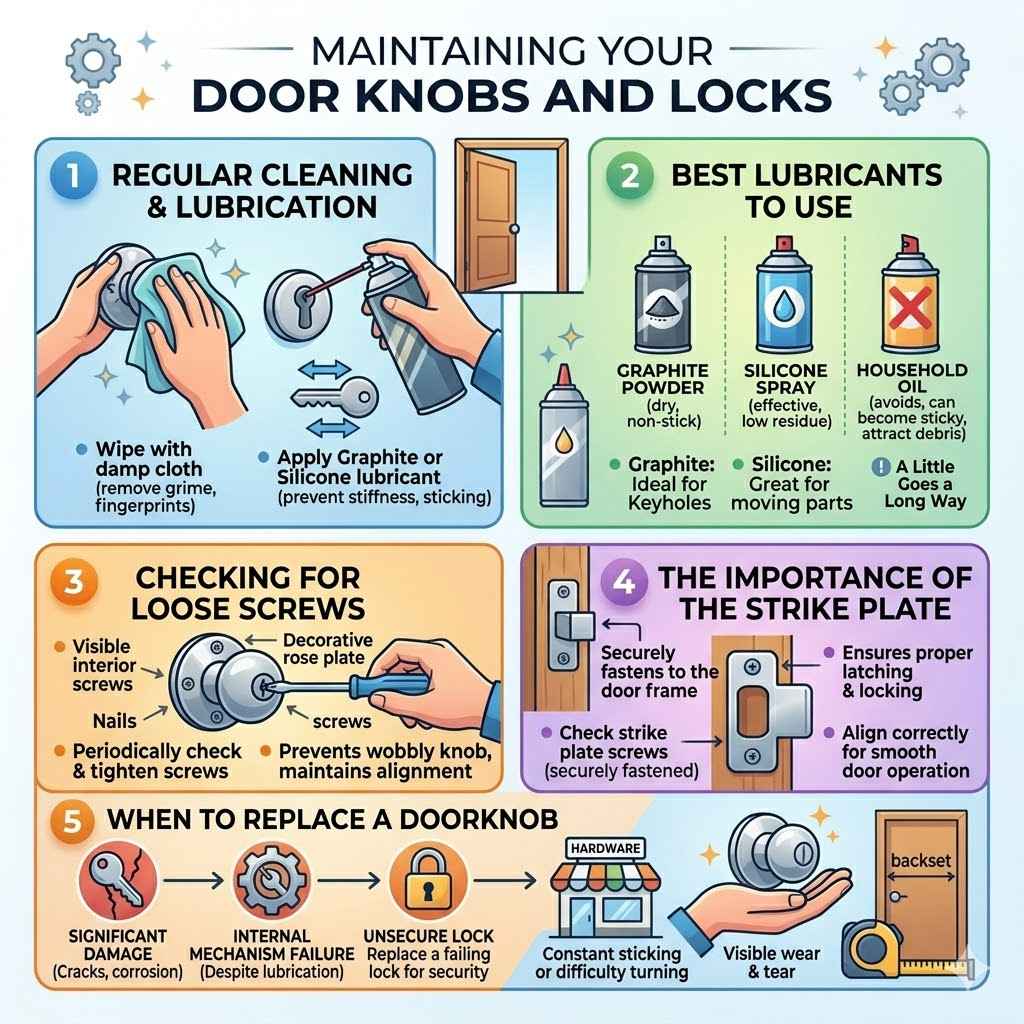
Maintaining Your Door Knobs And Locks
Keeping your door knobs and locks in good working order is essential for their longevity and your security. Regular maintenance can prevent many common problems, like stiffness or sticking. Understanding how to care for your locks ensures they function smoothly and reliably for years to come.
This proactive approach saves you from potential lock-out situations and costly repairs.
Simple actions like cleaning and lubricating can make a big difference. It’s not just about the lock mechanisms; the exterior appearance of the knob also matters. Keeping them clean and free from grime ensures they look good and function well.
We will discuss straightforward maintenance tips that you can easily incorporate into your routine.
Regular Cleaning And Lubrication
To keep your doorknobs functioning smoothly, regular cleaning and lubrication are key. Dust and dirt can accumulate over time, making the mechanism stiff. For keyed locks, spray a small amount of graphite lubricant into the keyhole.
Then, insert and remove the key several times to distribute the lubricant. For privacy knobs, you can use a small amount of silicone spray or graphite lubricant on the moving parts.
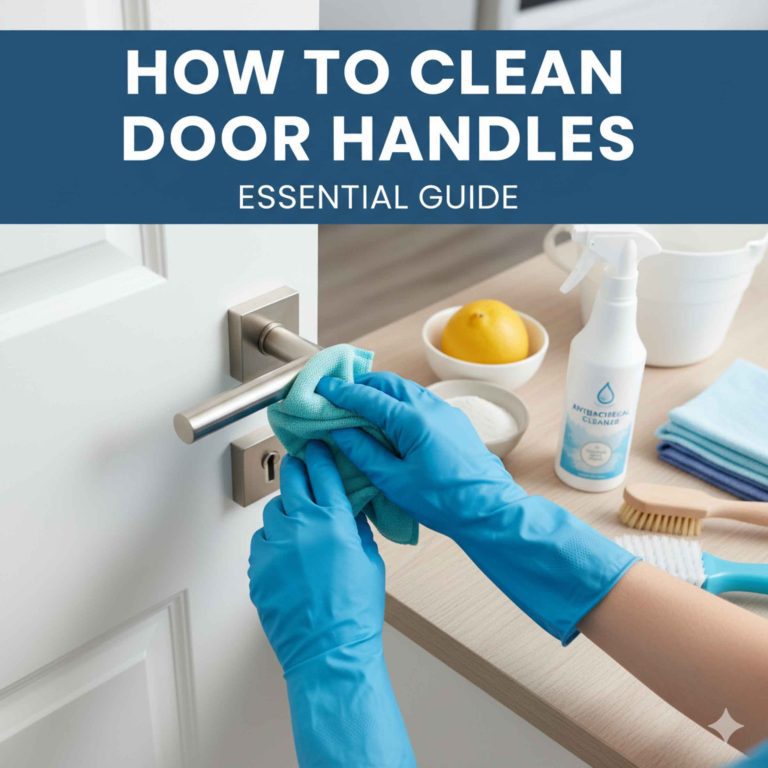
Wipe down the exterior of the knob and lock with a damp cloth to remove fingerprints and grime. If you notice any stiffness or difficulty in turning the knob, it’s a good sign that lubrication is needed. Performing these simple steps a couple of times a year can prevent most common lock issues and ensure easy operation.
Best Lubricants To Use
When it comes to lubricating door locks, choosing the right product is important. For keyholes, graphite powder is highly recommended. It’s a dry lubricant that doesn’t attract dust or grime like oil-based lubricants.
You can buy it in small shaker cans. For other moving parts of the knob mechanism, especially if you can access them, a silicone-based spray lubricant is a good alternative. Silicone sprays are also effective and less likely to attract dirt than oil-based lubricants.
Avoid using household oils such as cooking oil or petroleum jelly. These can break down over time, become sticky, and attract debris, ultimately causing more problems than they solve. Using products specifically designed for locks will ensure the best performance and longevity for your hardware.
A little bit of the right lubricant can go a long way in keeping your locks working perfectly.
Checking For Loose Screws
Over time, the screws that hold your doorknob and lock mechanism in place can loosen. This can cause the knob to feel wobbly or loose, making it harder to operate the lock. Periodically, check the screws on your doorknobs and strike plate (the metal piece on the door frame).
Most doorknobs have visible screws on the interior side of the knob or on the decorative rose plate. Tighten these screws with the appropriate screwdriver.
Loose screws can also affect the alignment of the latch with the strike plate, making it difficult to open or close the door smoothly. Ensuring all screws are snug will help maintain the integrity and proper function of your door hardware. This simple check can prevent many minor operational issues before they become major problems.
The Importance Of The Strike Plate
The strike plate is the metal component on the door frame that the latch bolt enters when the door is closed. It’s a critical part of the locking system. If the strike plate is loose, misaligned, or damaged, it can prevent the door from latching or locking properly.
This can make the door feel insecure and difficult to operate.
Ensure the strike plate screws are tight and that the plate itself is securely fastened to the frame. If the door is sticking or difficult to close, the strike plate might need adjustment. Sometimes, filing the opening in the strike plate slightly can provide the necessary clearance for the latch bolt to enter smoothly.
Proper alignment of the strike plate is crucial for the entire lock system to function as intended.
When To Replace A Doorknob
There comes a time when even the best-maintained doorknob needs to be replaced. If a doorknob is significantly damaged, rusted, or the internal mechanism is failing despite lubrication and tightening screws, replacement is often the most practical solution. Ignoring a failing lock can compromise your security.
Look for signs like constant sticking, difficulty turning, or visible signs of wear and tear.
Replacing a doorknob is generally a straightforward DIY project. You can purchase new knobs at most hardware stores. Make sure to choose a knob that matches the existing hole configuration and backset (the distance from the edge of the door to the center of the knob hole).
If you’re unsure, take pictures of your current knob and lock to a hardware store for assistance.
Frequently Asked Questions
Question: How do I know if the hole in my doorknob is for a privacy lock or a keyed lock
Answer: Look at the size and shape of the hole. Small, round holes are typically for privacy locks. Larger, shaped holes where a key fits are for keyed entry locks.
Question: Can I use a nail to open a privacy lock
Answer: Yes, a small, sturdy nail can work just like a paperclip for privacy locks. Just insert it and push firmly.
Question: What should I do if the key won’t turn in the lock
Answer: Try lubricating the lock with graphite. If that doesn’t work, avoid forcing it and call a locksmith.
Question: Is it okay to use WD-40 on my doorknob
Answer: It’s generally better to use graphite powder or silicone spray for locks. WD-40 can attract dirt and gum up the mechanism over time.
Question: How often should I lubricate my doorknobs
Answer: It’s a good idea to lubricate your locks about once or twice a year, or whenever you notice them feeling stiff or difficult to operate.
Summary
This guide explained how to open a door with a hole in the knob. You learned to identify privacy versus keyed locks. Simple tools like paperclips work for privacy locks.
Keyed locks require the right key or a locksmith. Regular maintenance keeps knobs working well. Don’t hesitate to call a professional if you’re stuck or worried about damage.