How to Open a Magnetic Door Lock: A Beginner’s Guide to Mastering the Process
Hey there, friend! So, you’re curious about how to open a magnetic door lock? I totally get it—these high-tech locks can feel like something out of a sci-fi movie, and figuring them out is both intriguing and practical. I remember the first time I encountered one at my office; it seemed so mysterious until I learned the ins and outs. Whether you’re locked out, troubleshooting a faulty lock, or just want to understand how these locks work for your home or car, I’m here to help.
I’ve spent time exploring magnetic door locks, tinkering with them, and picking up tips from pros. Let’s sit down together, like we’re chatting over a toolbox, and I’ll walk you through everything you need to know in simple, clear steps. Ready to unlock the secrets of magnetic door locks? Let’s dive in!
What Is a Magnetic Door Lock and Why Are They Popular?
Magnetic door locks, or maglocks, use powerful electromagnets to keep doors secure. Unlike traditional locks with bolts, they rely on a magnetic force between a metal plate on the door and an electromagnet on the frame. When power flows to the magnet, it creates a strong hold, sometimes up to 1,200 pounds! I was amazed when I first saw one in action at a friend’s shop; the door wouldn’t budge until the power was cut.
These locks are popular in offices, apartments, and even some high-end cars because they’re secure, durable, and sleek. There’s no keyhole to pick, making them tough for intruders. But they can be tricky to open without the right method, especially if you’re locked out or the system malfunctions. Knowing how they work helps you troubleshoot or access them legally and safely.
How Do Magnetic Door Locks Work?
To open a maglock, you need to understand its mechanics. The lock has two main parts: an electromagnet mounted on the door frame and a metal armature plate on the door. When electricity flows, the magnet pulls the plate tightly, locking the door. To open it, you interrupt the power, usually with a keycard, code, fob, or button, which releases the magnetic hold.
I learned this when I helped a neighbor with their apartment’s maglock. The system was tied to a keypad, and entering the code cut the power, letting the door swing open. Some maglocks have backup batteries or fail-safe designs, meaning they unlock during power outages for safety. Others are fail-secure, staying locked unless powered to open. Knowing your lock’s type is key to opening it.
Tools and Methods for Opening a Magnetic Door Lock
Opening a maglock depends on whether you have authorized access or are troubleshooting a lockout. I’ve tried a few methods, and here’s what you’ll need for each:
- Keycard or Fob: Most maglocks use RFID cards or fobs to signal the system to cut power.
- Keypad Code: A numeric or alphanumeric code entered on a keypad.
- Access Control App: Some modern locks pair with smartphone apps via Bluetooth.
- Exit Button: A button inside the building that releases the lock.
- Power Cut Tools: For emergencies, you might need a screwdriver or wrench to access the power source (only with permission).
- Magnetic Field Disruptor (Rare): Specialized tools to weaken the magnet, used by pros.
- Backup Key: Some maglocks have a mechanical override key for emergencies.
I keep a small toolkit with a screwdriver and flashlight for basic troubleshooting, but most of the time, you’ll just need your access method, like a card or code. Always check with the property owner or manager before attempting anything beyond standard access, as tampering can be illegal.
Preparing to Open a Magnetic Door Lock
Before you try opening a maglock, a little prep saves time and hassle. I once rushed into troubleshooting a lock without checking the basics and wasted an hour. Here’s how I set up now:
First, confirm you have permission to access the door. If it’s your home or car, you’re good, but for offices or rentals, check with the owner. Gather your access tools—card, fob, code, or app. Make sure they’re working; I’ve had dead fob batteries cause a lockout. If you’re troubleshooting, note any error messages on the keypad or app, like “low power” or “invalid card.”
Check the door’s condition. Dirt or misalignment can make the lock stick even when the power’s cut. I wipe the armature plate with a cloth if it’s grimy. If it’s an electronic issue, look for loose wires or a tripped breaker, but only if you’re qualified to handle electrical systems. For car maglocks (like on high-end trunks), ensure the car battery isn’t dead.
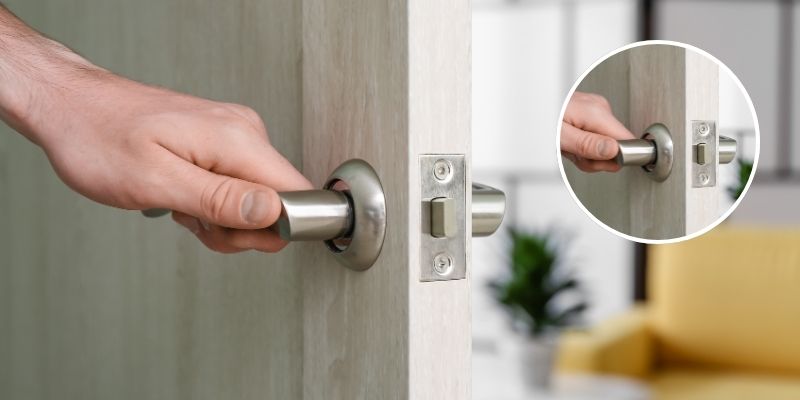
Step-by-Step Guide to Opening a Magnetic Door Lock
Let’s get to the main event—opening the lock. I’ll cover the standard methods first, then dive into troubleshooting for lockouts. Here’s what I do:
Step 1: Use Authorized Access
If you have the right access tool, this is easy. Swipe your keycard or fob over the reader, usually near the door. For a keypad, enter your code slowly and press the “enter” or “#” key. If using an app, open it, connect to the lock, and tap “unlock.” I always double-check that I’m using the correct card or code—once I tried my gym fob on my office door and felt pretty silly.
Wait for a beep or green light, then push or pull the door. The magnet releases for a few seconds, so move quickly. If it doesn’t work, try again, ensuring the card is flat against the reader or the code is correct.
Step 2: Try the Exit Button
If you’re inside and need to exit, look for a push-button or touch sensor near the door. Press it firmly, and the lock should release. I use this at my office all the time—it’s the quickest way out. If the button doesn’t work, it might be a power issue or a faulty switch, so move to troubleshooting.
Step 3: Check for a Mechanical Override
Some maglocks have a backup key or manual release for emergencies. Look for a keyhole near the handle or a hidden lever. I found one on a friend’s shop door, tucked under a cover plate. Use the key or lever as instructed in the lock’s manual. If you don’t have the key, contact the property manager—they often keep spares.
Step 4: Troubleshoot a Lockout
If your access method fails, don’t panic. Here’s how I handle it:
- Check the Power: Maglocks need electricity. If the building’s power is out, fail-safe locks should unlock automatically. For fail-secure locks, check if a backup battery is dead. I once reset a breaker to fix a lock at my apartment.
- Test the Access Device: Replace fob batteries or try a different card. For apps, ensure your phone has a signal and the app is updated. I swapped my fob’s battery once, and it worked like a charm.
- Inspect the Lock: Look for loose wires or damage to the reader. If the armature plate is misaligned, gently push the door to realign it. I fixed a sticky lock by tightening a loose plate screw.
- Contact a Pro: If nothing works, call a locksmith or the lock’s manufacturer. I paid $100 once for a locksmith when my car’s maglock failed, but it was faster than forcing the door.
Step 5: Emergency Methods (With Caution)
In rare cases, you might need to bypass the lock, but only with permission and legal authority. Cutting power to the magnet by accessing the control box (with a screwdriver or wrench) can release the lock. I saw a maintenance worker do this during a power failure, but it’s not for amateurs—electrical systems are dangerous. Never force the door; maglocks are strong, and you’ll likely damage it. Pros sometimes use magnetic field disruptors, but these are specialized and not for public use.
Avoiding Common Mistakes
I’ve made plenty of errors, so let me save you some trouble. Here’s what to avoid:
- Using the Wrong Access Tool: Double-check your card, fob, or code. I once entered my PIN backward and locked myself out temporarily.
- Forcing the Door: Maglocks are tough. Pulling too hard can damage the door or frame. I dented a door once before learning to be patient.
- Ignoring Battery Issues: Dead fobs or lock batteries are common culprits. I keep spare batteries for my fob now.
- Tampering Without Permission: Unauthorized bypassing can get you in legal trouble. Always check with the owner first.
- Skipping Maintenance: Dirty plates or loose screws cause problems. I clean my lock monthly to keep it smooth.
Is Opening a Magnetic Door Lock Legal?
Let’s talk legality. In the USA, opening a maglock on your own property—like your home or car—is fine. I practice on my home’s maglock to understand it better. But opening someone else’s lock without permission is illegal and can lead to charges. Even carrying tools like magnetic disruptors in public can raise eyebrows in some states, so I keep my tools at home. Always get consent from the property owner or manager before troubleshooting beyond standard access methods.
Maintaining Your Magnetic Door Lock
Regular care keeps maglocks working smoothly. I clean the armature plate and magnet monthly with a damp cloth to remove dust or grime. Check screws and mounting plates for looseness—tighten them with a screwdriver if needed. For electronic components, ensure keypads or readers are free of debris. I use a soft brush to clean my car’s maglock reader.
Test access devices regularly. I swipe my fob weekly to catch battery issues early. If the lock has a backup battery, replace it yearly. For car maglocks, keep the car battery charged, as a dead battery can disable the lock. I learned this when my car’s trunk wouldn’t open after leaving the lights on overnight.
Choosing a Better Magnetic Door Lock
Learning about maglocks made me rethink my home’s security. Basic maglocks are secure but can fail if power’s cut. I upgraded to a model with a backup battery and fail-safe design for safety. High-end locks offer features like biometric access or app integration. For cars, some luxury models use maglocks with keyless entry, which I love for convenience. Expect to pay $100-$500 for a quality maglock, depending on features.
Here’s a table comparing maglock types:
| Lock Type | Features | Price Range | Best For |
|---|---|---|---|
| Basic Maglock | Standard electromagnet | $100-$200 | Small offices, home entries |
| Fail-Safe Maglock | Unlocks during power loss | $150-$300 | Emergency exits, apartments |
| Fail-Secure Maglock | Stays locked without power | $150-$300 | High-security areas |
| Smart Maglock | App or biometric access | $300-$500 | Modern homes, luxury cars |
Troubleshooting Advanced Issues
If your maglock still won’t open, it might be a deeper issue. I had a keypad lock that kept rejecting my code due to a wiring fault. Check for:
- Faulty Reader: Keycard readers can wear out. Test with a backup card or fob.
- Software Glitches: App-controlled locks may need a reset or update. I rebooted my home’s lock app once to fix a glitch.
- Damaged Magnet: Over time, magnets can weaken. A pro can test the holding force.
- Misaligned Door: If the door sags, the plate and magnet won’t connect properly. I adjusted a hinge to fix this once.
For complex issues, call a locksmith or the lock’s manufacturer. I contacted my car’s dealer when the trunk maglock failed, and they recalibrated it for $50.
Why I Love Working with Magnetic Door Locks
For me, maglocks are more than just security—they’re a fascinating blend of tech and mechanics. Figuring out how to open them feels like solving a puzzle, and it’s saved me in a pinch, like when I got into my office during a power outage. Whether you’re preparing for emergencies or just curious, learning this skill boosts your confidence and understanding of modern security.
Wrapping It Up with Confidence
Friend, you’re now ready to tackle opening a magnetic door lock like a pro! From swiping a keycard to troubleshooting a lockout, you’ve got the know-how to handle these high-tech locks with ease. I remember how daunting my first maglock seemed, but with these steps, it’s no mystery anymore. Grab your access tools, stay patient, and always use your skills responsibly. Whether you’re saving the day in a lockout or exploring a cool new skill, you’re about to unlock a world of possibilities. So, go test that lock, and enjoy the thrill of getting it right—I’m cheering you on!
FAQ
What’s the easiest way to open a magnetic door lock?
Use your keycard, fob, or code on the reader or keypad. It’s quick if you have the right access.
Can I open a magnetic door lock without power?
Fail-safe locks unlock without power. Fail-secure locks need a backup key or professional help.
Is it legal to open a magnetic door lock?
Yes, if it’s your lock or you have permission. Opening someone else’s lock without consent is illegal.
What if my keycard or fob doesn’t work?
Check the battery, try a backup device, or contact the property manager for a new one.
Can I open a magnetic door lock with tools?
Only with permission. Cutting power or using disruptors is for pros and can be illegal otherwise.
How do I maintain my magnetic door lock?
Clean the plate and magnet monthly, tighten screws, and test access devices regularly.
What if my car’s magnetic lock won’t open?
Check the car battery, fob battery, or app connection. If it’s still stuck, call a dealer or locksmith.