How to Plan a Trip to Redwood National Park
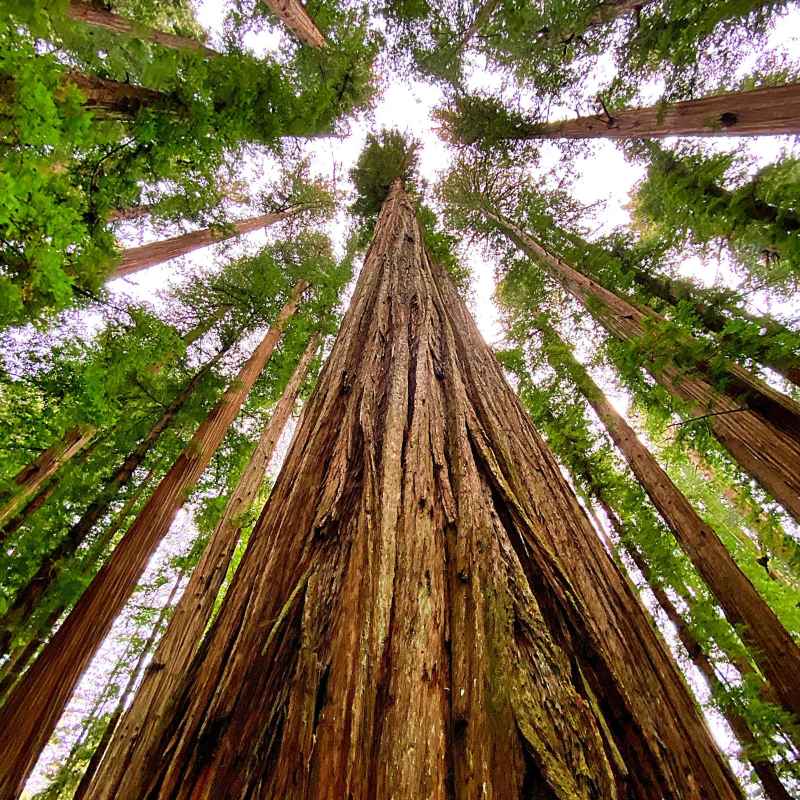
Planning a trip to Redwood National Park requires thoughtful preparation to make the most of its majestic ancient forests and stunning coastline. This guide breaks down everything you need to know, from when to visit and where to stay to the essential hikes and scenic drives that showcase the park’s unique beauty. Prepare to be awestruck by the tallest trees on Earth and the raw, untamed nature that defines this Northern California gem.
Simply put, planning your Redwood National Park trip involves choosing the best time to visit for weather and crowds, booking accommodations early, identifying key scenic drives and hikes that align with your interests, and packing appropriately for variable coastal conditions. Prioritize the iconic groves and coastal overlooks to experience the park’s grandeur.
Key Takeaways
- Redwood National Park is best visited during the shoulder seasons (spring and fall) for milder weather and fewer crowds.
- Book accommodations well in advance, especially if visiting during peak summer months.
- Prioritize experiencing the park’s iconic old-growth redwood groves via scenic drives and short, accessible hikes.
- Prepare for unpredictable coastal weather by packing layers and rain gear, regardless of the season.
- Utilize the park’s visitor centers for up-to-date information on trail conditions and ranger programs.
When is the Best Time to Visit Redwood National Park?
Deciding when to visit Redwood National Park hinges on balancing favorable weather with crowd levels. The park’s coastal location means weather can be unpredictable year-round, but certain periods offer a more comfortable experience. Understanding these nuances will significantly enhance your trip.
Summer, from June through August, offers the warmest temperatures and least amount of rain, making it the most popular time for visitors. However, this also means higher accommodation prices and more crowded trails and viewpoints. If you prefer a quieter experience and don’t mind a bit more mist or drizzle, consider other times of the year.
Seasons at a Glance
- Spring (April-May): Wildflowers begin to bloom, and the forest floor becomes vibrant with new growth. Temperatures are mild, and crowds are moderate. Fog is common, especially in the mornings, but often burns off by midday.
- Summer (June-August): The driest and warmest months, ideal for hiking and exploring. Expect lush greenery and long daylight hours. This is peak tourist season, so booking ahead is crucial.
- Fall (September-October): Often considered the sweet spot. The crowds thin out, the weather remains pleasant with crisp air, and the autumn colors can be stunning. The fog can still roll in, adding to the mystical atmosphere.
- Winter (November-March): The wettest period, with frequent rainfall and cooler temperatures. However, it’s the least crowded time to visit, offering a serene and introspective experience among the giant trees. Prices for lodging are at their lowest.
Average Temperatures and Rainfall
| Month | Average High (°F) | Average Low (°F) | Average Rainfall (in) |
|---|---|---|---|
| April | 62 | 46 | 3.0 |
| July | 68 | 52 | 0.4 |
| October | 65 | 48 | 2.5 |
| January | 56 | 42 | 6.0 |
This table illustrates why spring and fall offer a good balance of pleasant temperatures and manageable rainfall for exploring Redwood National Park.
Where to Stay: Lodging Options
Securing lodging before your trip is paramount, especially when planning a Redwood National Park adventure. The park itself does not have in-park hotels; instead, visitors typically stay in nearby towns or seek out private campgrounds and vacation rentals. Options range from rustic camping to comfortable hotels.
The surrounding towns offer various amenities and act as excellent bases for exploring the park. Each town has its own character and proximity to different sections of the vast park complex, which is actually a collection of federally and state-managed parks. Consider your itinerary when choosing a town to stay in.
Gateway Towns and Their Offerings
- Crescent City: Located to the north, it’s the largest town and offers a full range of services, including hotels, restaurants, and shops. It’s a good starting point for exploring Jedediah Smith Redwoods State Park.
- Klamath: Situated centrally, it provides closer access to the scenic Newton B. Drury Parkway and Prairie Creek Redwoods State Park. Lodging here tends to be more motel-style or campgrounds.
- Trinidad: A charming, picturesque fishing village to the south. It offers boutique inns, B&Bs, and vacation rentals, with stunning coastal views and close proximity to Patrick’s Point State Park and Humboldt Redwoods State Park sections.
- Arcata/Eureka: Further south, these larger cities offer a wider variety of lodging, dining, and entertainment options, but require more driving to reach the main redwood groves. They are good for those seeking a more urban experience combined with park visits.
Camping within and near the Park
For the adventurous, camping offers an immersive experience. Several campgrounds are managed by the National Park Service and the California Department of Parks and Recreation:
- Jedediah Smith Redwoods State Park: Jedediah Smith Campground offers sites nestled amongst old-growth redwoods.
- Prairie Creek Redwoods State Park: Elk Prairie Campground and Gold Bluffs Beach Campground provide opportunities to see Roosevelt elk and enjoy coastal access.
- Humboldt Lagoons State Park: Offers camping near lagoons and coastal trails.
Advance reservations are highly recommended, particularly for summer and holiday weekends. The National Forest Service also manages several campgrounds in the surrounding national forests. Check Recreation.gov for NPS and USFS campgrounds, and ReserveCalifornia.com for state park campgrounds.
Warning: Cell service is extremely limited or non-existent within much of Redwood National and State Parks. Download offline maps and important information before you arrive.
Must-Do Scenic Drives
Experiencing the grandeur of the redwoods is often best done from the comfort of your vehicle on one of the park’s iconic scenic drives. These routes are designed to showcase the colossal trees and diverse landscapes within and around the park boundaries, offering breathtaking vistas at every turn.
These drives are not just about getting from point A to point B; they are destinations in themselves, with numerous pull-offs, short trails, and interpretive signs to enhance your understanding and appreciation. Allocate ample time for these journeys, as spontaneous stops are highly encouraged.
Newton B. Drury Parkway
This 10-mile scenic parkway in Prairie Creek Redwoods State Park is a quintessential Redwood experience. It meanders through stunning old-growth redwood groves, offering numerous opportunities for short walks and elk viewing. Unlike the highway, it allows you to truly immerse yourself in the forest.
- Passes through the heart of Elk Meadow, a prime spot for Roosevelt elk sightings.
- Connects U.S. Route 101 to the coast.
- Features trailheads for popular hikes like the Big Tree Loop and the Prairie Creek Trail.
- Offers frequent pull-offs for photography and quiet contemplation.
- The road is paved and suitable for all vehicles, though RVs and trailers may find some sections tight.
Don’t rush this drive; stop often, breathe in the forest air, and marvel at the sheer scale of the trees.
Avenue of the Giants
While technically outside the boundaries of Redwood National Park, this 31-mile, mostly two-lane road runs parallel to U.S. Route 101 and is considered by many to be the most scenic drive in California’s redwood region. It winds through charming small towns and spectacular redwood groves.
- Features famous attractions like the Shrine Drive-Thru Tree and the Immortal Tree.
- Offers numerous picnic areas and short walking trails.
- Provides access to Humboldt Redwoods State Park, home to the largest remaining contiguous old-growth redwood forest.
- A true journey back in time, showcasing the allure of the redwoods that captivated travelers for decades.
Allow at least half a day to explore the Avenue of the Giants, with stops for short hikes and photos. You can access it from U.S. 101 at multiple points.
Howland Hill Road
For a truly immersive, unpaved experience, Howland Hill Road in Jedediah Smith Redwoods State Park is a must. This narrow, winding dirt road takes you deep into a cathedral of towering redwoods, often with trees so close they almost touch overhead.
- Offers some of the most dramatic and intimate redwood scenery.
- Accesses the Stout Grove, a particularly stunning and accessible redwood grove.
- Only suitable for passenger vehicles and smaller RVs due to its narrowness and rough surface.
- Expect slow speeds and numerous photo opportunities.
This road is best experienced with a sense of adventure and a willingness to drive slowly. It’s a fantastic way to feel truly surrounded by the ancient giants.
Iconic Hikes for Every Visitor
Redwood National Park offers a variety of hiking trails, from short, accessible loops perfect for a quick immersion to longer, more challenging treks that take you deeper into the wilderness. The park’s trail system is designed to highlight the diverse beauty of the redwoods, coastal bluffs, and riparian areas.
When choosing your hikes, consider your fitness level, available time, and desired experience. Many of the most impactful redwood groves are accessible via relatively short, easy trails, making them perfect for families or those with limited mobility. Remember to wear sturdy shoes and carry water, even on shorter walks.
Easy & Accessible Trails
- Lady Bird Johnson Grove Trail: (1.5 miles loop, moderate elevation) This accessible trail is named after the former First Lady who championed conservation. It features interpretive signs and a beautiful loop through old-growth redwoods, with some sections being wheelchair accessible.
- Big Tree Loop Trail: (0.3 miles loop, flat) Located off Newton B. Drury Parkway, this short, paved loop leads to one of the park’s most massive trees, the Big Tree. It’s a must-see for its sheer scale and is easily navigated by all visitors.
- Stout Memorial Grove Trail: (0.7 miles loop, flat) Situated in Jedediah Smith Redwoods State Park, this enchanting grove is accessed via Howland Hill Road. The trail is a fairytale walk through some of the most majestic redwoods, often with mist clinging to the massive trunks.
- Trillium Falls Trail: (2.5 miles loop, moderate elevation) This trail offers a mix of towering redwoods, charming streams, and a small waterfall, providing a varied and rewarding hiking experience. It’s a great option for those wanting a bit more than a flat walk.
Moderate & Rewarding Hikes
- Fern Canyon Trail: (1 mile loop, easy to moderate, requires creek walking) Located in Gold Bluffs Beach, this unique canyon is famous for its walls completely covered in lush ferns. It requires wading through shallow streams, making it an adventurous and unforgettable hike. Access requires driving on unpaved roads; check conditions.
- Tall Trees Grove Trail: (4 miles roundtrip, moderate to strenuous, requires permit) This iconic hike leads to a grove containing some of the tallest redwood trees in the world. A permit is required to access the trailhead and can be obtained from the park’s visitor center. The trail descends and then ascends steeply.
- Prairie Creek Trail: (Varies from 2 to 11 miles, moderate) This trail system offers multiple options for longer hikes through diverse forest habitats. It’s a fantastic way to experience the depth and tranquility of Prairie Creek Redwoods State Park, often with opportunities to see elk.
The park’s visitor centers can provide detailed maps and current trail condition reports, which are essential for planning and safety.
Important: Always check the weather forecast and trail conditions before embarking on any hike. Fog can significantly reduce visibility, and heavy rain can make some trails slippery or impassable. Inform someone of your hiking plans.
Exploring the Coastline and Wildlife
While the giant redwoods are the main draw, Redwood National Park also boasts a spectacular and rugged coastline that offers a stark contrast to the dense forests. This coastal strip provides opportunities for wildlife viewing, tidepooling, and enjoying the dramatic Pacific Ocean views.
The park’s coastal areas are dynamic, shaped by powerful ocean forces and home to a variety of marine life. From seals and sea lions to migratory birds and even whales, there’s a good chance you’ll encounter some fascinating creatures during your visit.
Key Coastal Highlights
- Gold Bluffs Beach: Famous for its stunning beach backed by towering bluffs, this area is also a primary habitat for Roosevelt elk. It’s a picturesque spot for a leisurely walk, beachcombing, and watching elk graze.
- Klamath River Overlook: Offers panoramic views of the Pacific Ocean and the mouth of the Klamath River. This is an excellent spot for whale watching during migration seasons (typically December-May).
- False Klamath Cove: Features rugged sea stacks and a picturesque cove, offering dramatic coastal scenery and opportunities for photography.
- Enderts Beach: A beautiful stretch of beach known for its tide pools during low tide and stunning sunsets over the ocean.
Wildlife Viewing Opportunities
Redwood National Park is teeming with wildlife, both in the forests and along the coast. Responsible wildlife viewing ensures both your safety and the well-being of the animals.
| Animal | Best Viewing Locations | Best Time to See | Notes |
|---|---|---|---|
| Roosevelt Elk | Elk Meadow, Gold Bluffs Beach, Prairie Creek areas | Year-round, especially dawn and dusk | Keep a safe distance; they are wild animals. |
| Marine Mammals (Seals, Sea Lions) | Coastal overlooks, tide pools, near river mouths | Year-round | Often seen lounging on rocks or swimming. |
| Gray Whales | Klamath River Overlook, coastal viewpoints | December-May (migrations) | Bring binoculars for best viewing. |
| Birds | Coastal areas, riparian zones, forests | Year-round, with migratory patterns | Look for seabirds, raptors, and forest dwellers. |
The chance to see these magnificent creatures in their natural habitat adds another layer of wonder to a trip to Redwood National Park.
Tips for a Successful Trip
To ensure your trip to Redwood National Park is as smooth and enjoyable as possible, consider these practical tips. Being prepared for the unique environment and operational aspects of the park will help you avoid common pitfalls and maximize your experience.
The park is a vast and somewhat spread-out area, encompassing multiple units managed by both the National Park Service and California State Parks. Understanding its layout and obtaining necessary information can make a significant difference.
Essential Preparations
- Download Offline Maps: As mentioned, cell service is unreliable. Download Google Maps or use a GPS device for navigation before you lose service.
- Pack Layers: Coastal California weather is notoriously changeable. Expect cool temperatures, fog, wind, and sun, sometimes all in one day. Layers are your best friend.
- Book Accommodation Early: This cannot be stressed enough, especially for summer visits. Hotels and campgrounds in popular gateway towns book up months in advance.
- Check Park Alerts: Visit the official Redwood National and State Parks website for the latest alerts on road closures, trail conditions, and any restrictions.
- Bring Insect Repellent: Mosquitoes and biting gnats can be present, especially near water and during warmer months.
- Carry Cash: While many places accept cards, some smaller establishments or campgrounds might be cash-only, or it’s useful for parking fees in some areas.
- Respect Wildlife: Maintain a safe distance from all wild animals, especially Roosevelt elk. Never feed them, as it harms their health and can make them aggressive.
- Leave No Trace: Pack out everything you pack in, stay on marked trails, and be mindful of the delicate forest ecosystem.
Visitor Centers and Ranger Programs
Redwood National and State Parks offer several visitor centers that are invaluable resources:
- Ku’s Camp Information Center: Located near the Lady Bird Johnson Grove trailhead.
- Thomas H. Kuchel Visitor Center: Near Orick, offering exhibits, a bookstore, and information on park activities.
- Jedediah Smith Campground Visitor Center: Provides information specific to the northern section of the park.
Check the park’s schedule for ranger-led walks, talks, and evening programs. These are excellent opportunities to learn more about the park’s natural and cultural history from knowledgeable guides.
Frequently Asked Questions
What is the most famous tree in Redwood National Park?
While there isn’t one single designated “most famous” tree like a named entity, the park is home to groves containing some of the tallest trees on Earth. The “Big Tree” on the Big Tree Loop Trail is exceptionally massive and easily accessible, making it a popular highlight for visitors.
Can you drive through Redwood National Park?
Yes, you can drive through Redwood National Park via scenic parkways like Newton B. Drury Parkway and coastal roads. Major highways like U.S.
Route 101 also pass through or near the park. The Avenue of the Giants, a parallel route to U.S. 101, offers a more leisurely and scenic driving experience through redwood forests.
Is Redwood National Park worth visiting?
Absolutely. Redwood National Park offers a unique and awe-inspiring experience with its towering ancient redwood trees, dramatic coastline, and abundant wildlife. It’s a place of profound natural beauty and tranquility that many find life-changing.
What should I wear to Redwood National Park?
You should wear layers, including a waterproof and windproof outer shell, comfortable hiking shoes with good traction, long pants, and a hat. Even in summer, coastal fog can make it feel cool, and rain is always a possibility. Be prepared for varied conditions.
How many days do you need to see Redwood National Park?
To get a good feel for the park, including driving scenic routes, taking a few short hikes, and visiting coastal areas, a minimum of 2-3 days is recommended. For a more in-depth exploration, including longer hikes and exploring different sections, 4-5 days would be ideal.
Final Thoughts
Planning a trip to Redwood National Park is an investment in an unforgettable natural experience. By considering the best time to visit, booking accommodations and permits in advance, and familiarizing yourself with the scenic drives and iconic trails, you’re setting yourself up for success. Embrace the grandeur of these ancient forests and the wild beauty of the coast, and let the magic of Redwood National Park captivate you.