How to Put On a Lampshade (Spider, UNO & Clip-On Fittings)
A lampshade attaches one of three ways: spider fitters screw onto a harp with a finial, UNO rings slip over the socket, or clip-ons squeeze onto the bulb — using the wrong one is why shades wobble, crack, or sit crooked. This guide covers identifying your fitting type, installing it step by step, and fixing a wobbling shade afterward.
Which Lampshade Fitting Do You Have?
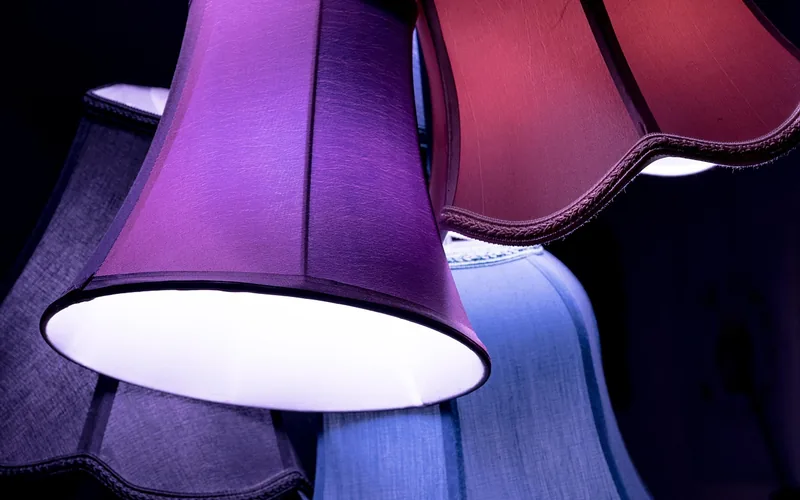
Look at the top of your current shade (or the top of your lamp’s socket) before buying a replacement. The three fitting types are not interchangeable, and lampshades are not universal across fittings — a shade with the wrong fitting will not sit correctly no matter how it’s adjusted. For more lamp and lighting fixes, see our full lighting and ceiling fan guide hub.
| Fitting Type | How It Attaches | Best For |
|---|---|---|
| Spider fitter | A wire frame rests on a harp that arches over the bulb; a finial screws on top to hold it | Most standard table and floor lamps in the US |
| UNO fitting | An inner ring slips directly over the socket and is held in place by the bulb itself | Lamps with no harp; tool-free bulb access |
| Clip-on | Two spring-metal arms squeeze directly onto the light bulb, no harp needed | Small accent lamps, sconces, night lights |
📊 A harp should be 1–2 inches shorter than your lampshade’s overall height for a correct fit — an 8.5-inch harp typically suits a 10-inch shade. Source: Grand Brass Lamp Parts, harp sizing guide
Style and size still matter once you know the fitting. Bold patterns and dark fabric cut more light and suit modern rooms; pale or white shades spread light further and suit reading lamps. As a general rule, a lamp needs a shade roughly the same width as the lamp base is tall — oversized shades look top-heavy, undersized ones look pinched. Confirm the exact diameter and fitting type against your current shade before ordering; see our full lamp shade sizing guide for the measurements to take.
Tools You’ll Need
Most installs need nothing more than your hands. Keep these nearby for stiffer or older fittings:
- A small screwdriver — for harps held on with a set screw rather than a spring clip
- A soft cloth — to wipe dust off the base and bulb before reassembly
- A replacement harp or finial — if the old one is bent, rusted, or the wrong size
Step-By-Step: Spider Fitter (Harp & Finial)
This is the most common setup on US table and floor lamps. Always unplug the lamp and let the bulb cool first.
- Remove the old shade: Unscrew the finial at the top, lift the shade off the harp, then set it aside.
- Check the harp and base: Wipe the base with a dry cloth, inspect for loose screws or a bent harp, and tighten or replace as needed. If the base wiring itself feels loose or the lamp flickers, that’s a separate fix — see how to rewire a table lamp before continuing.
- Seat the new shade: Lower the shade over the harp so the spider ring rests flat on the harp’s shoulders, centered over the bulb.
- Secure the finial: Thread the finial onto the harp’s threaded tip and tighten by hand until snug — do not overtighten, which can crack the spider ring.
- Test the fit: Gently rock the shade. It should not wobble, tilt, or touch the bulb at any point.
Step-By-Step: UNO and Clip-On Fittings
UNO and clip-on shades skip the harp entirely, which makes them faster to swap but slightly less stable on taller lamps.
- UNO — remove the bulb: Unscrew the bulb partway so the socket threads are exposed.
- UNO — slide the ring on: Lower the shade’s inner ring over the socket threads until it sits flat against the base.
- UNO — reinsert the bulb: Screw the bulb back in; it clamps the ring in place as it tightens.
- Clip-on — spread the clip: Gently pry open the two spring-metal arms on the underside of the shade.
- Clip-on — center over the bulb: Position the shade so the bulb sits inside the clip opening, then release the arms.
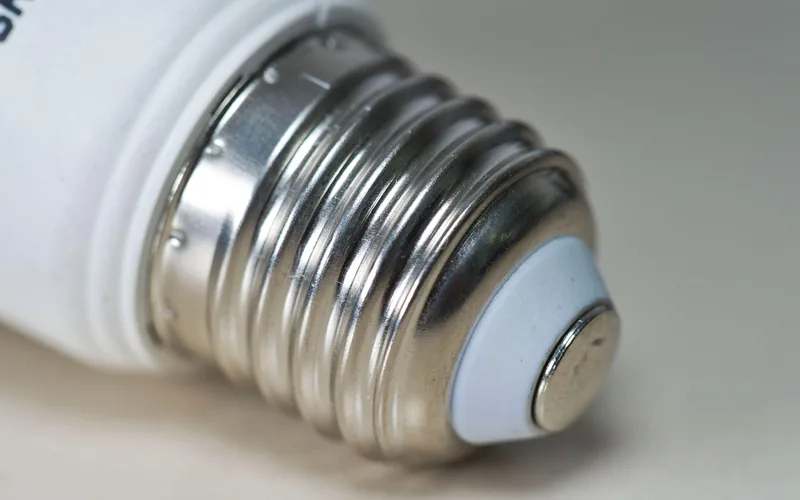
📊 Keep at least 2–4 inches of clearance between an incandescent or halogen bulb and the inside of the shade (LEDs can sit slightly closer since they run cooler); check the fitting’s printed wattage limit before installing a brighter bulb. Source: U.S. Consumer Product Safety Commission — CPSC lighting safety report
Best Lamp Harp Replacement Pick
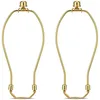
Brass 8″ Lamp Harp 2-Pack with Saddle & Finial – $8.49
A direct match for the spider-fitter steps above — comes with the saddle and finial already included, so a bent or rusted harp is a 5-minute swap instead of a new lamp.
- Best for: Standard table and floor lamps using the spider/harp method
- Why we picked it: 8″ fits the common 9–10″ shade height from the sizing rule above, and two harps means a spare on hand
- Main drawback: Only one size — measure your shade height first if you need 7″, 9″, or 10″
Compare more harp & finial options
 Option 1 Creative Hobbies 8″ Harp Kit – $6.99
|
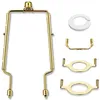 Option 2 Adjustable 7-10″ Harp – $9.98
|
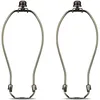 Option 3 8″ Harp Kit, Detachable Saddle – $9.99
|
As an Amazon Associate we earn from qualifying purchases.
Fixing a Wobbling or Crooked Shade
Most wobble comes from one of three places: a loose harp, an uneven surface under the lamp base, or a finial that isn’t fully tightened. Work through them in this order before assuming the shade itself is defective.
Shade Wobbling
Check the harp first — if it’s loose at the saddle, tighten the small screws where it meets the base. Next, set the lamp on a flat surface; an uneven table rocks the whole lamp, not just the shade. If the base itself rocks, a thin rubber pad under one foot usually solves it.
Uneven Light Distribution
Confirm the bulb is centered in the socket and fully screwed in — a partially seated bulb throws light unevenly. If the shade itself is a very dark or opaque fabric, light will look dim regardless of fit; that’s a shade choice, not an installation problem, and switching to a lighter fabric is the fix.
Frequently Asked Questions
How do you put on a lampshade?
Position the lampshade on the lamp’s harp or socket depending on its fitting type. Spider fitters secure with a finial screwed onto the harp; UNO rings clamp under the bulb; clip-ons squeeze directly onto the bulb. Test for wobble before use.
Can you put a lamp shade on any lamp?
No — the shade’s fitting type (spider, UNO, or clip-on) has to match the lamp’s harp or socket setup, and the shade’s diameter has to suit the lamp’s height and base width. Check both before buying a replacement shade.
How do you put a lampshade on an old lamp?
Unscrew the finial to remove the old shade, inspect the harp and base for rust or looseness, then place the new shade over the harp and secure it with the finial. Old lamps often need the harp replaced if it’s bent or corroded — a fresh 8-inch harp kit costs under $10.
How does a clip-on lampshade work?
A clip-on lampshade attaches directly to the bulb using two spring-metal arms, with no harp or finial required. It’s the simplest fitting to install but offers the least bulb clearance, so it’s best paired with a cooler-running LED bulb rather than incandescent.
What size harp do I need for my lampshade?
Pick a harp that’s 1–2 inches shorter than your lampshade’s overall height. A 10-inch-tall shade typically needs an 8.5- or 9-inch harp, while a compact 7-inch shade needs a 5- or 6-inch harp. Standard sizes run from 4 to 15 inches in half-inch steps.
Should you remove the plastic wrap from a new lampshade?
Yes, always. The thin plastic or cellophane sleeve some new shades ship in is packaging only — it’s not heat-rated, and leaving it on while the lamp is lit is a fire hazard. Remove it completely before installing the shade or turning the lamp on.
Conclusion
Match the fitting type first — spider, UNO, or clip-on — and the rest of the install takes a few minutes. Unplug the lamp, check the harp and base for damage, seat the shade evenly, and test for wobble before calling it done. If the shade still won’t sit straight after that, the harp size or a loose saddle screw is almost always the cause.
Sponsored / affiliate links. As an Amazon Associate I earn from qualifying purchases. I may earn additional commission from eligible campaigns.