How to Read a Urine Test Strip: A Step-by-Step Guide
Hey there! If you’ve ever wondered how to read a urine test strip, you’re not alone. I’ve been there, staring at those colorful little squares, trying to figure out what they mean. Whether you’re monitoring your health at home or just curious, understanding a urine test strip is easier than you might think. In this guide, I’ll walk you through everything I’ve learned from using these strips myself. Let’s break it down together, step by step, so you can feel confident reading those color changes like a pro.
What Is a Urine Test Strip and Why Use It?
Let me start with the basics. A urine test strip is a small piece of paper or plastic with tiny squares that change color when dipped into urine. Each square tests for something different, like sugar, protein, or bacteria in your urine. I first used one when I was keeping an eye on my hydration levels during a long road trip. These strips are super handy for checking your health at home, especially if you’re managing conditions like diabetes or kidney issues.
Why use them? They’re quick, affordable, and give you a snapshot of what’s going on in your body. For example, I’ve used them to catch early signs of dehydration or to check if my diet was affecting my body’s balance. Doctors use them too, but you don’t need a medical degree to understand the results. You just need to know what those color changes mean.
How Do Urine Test Strips Work?
So, how do these little strips do their magic? Each square on the strip has chemicals that react with substances in your urine. When you dip the strip, the chemicals change color based on what they find. For instance, if there’s glucose in your urine, the glucose square might turn from blue to green. I remember the first time I saw that—it was like decoding a secret message from my body!
The key is timing. You dip the strip, wait a few seconds (usually 30–60, depending on the brand), and then compare the colors to a chart. That chart is your best friend—it tells you what each color change means. Some strips test for one thing, like ketones, while others check up to 10 or more markers. I’ve found multi-parameter strips the most useful because they give a bigger picture of your health.
Step-by-Step Guide to Using a Urine Test Strip
Let’s get to the fun part—actually using the strip! Here’s how I do it, step by step, to make sure I get accurate results every time.
Step 1: Gather Your Supplies
You’ll need a urine test strip, a clean container for your urine, and the color chart that comes with the strips. I always make sure my hands are clean too—nobody wants germs messing up the results. If you’re testing at home, grab a timer or use your phone to track the wait time.
Step 2: Collect a Urine Sample
This part is simple but important. Pee into a clean, dry container. I learned the hard way that using a dirty cup can mess with the results. Midstream urine is best—start peeing, then catch the sample halfway through. It sounds weird, but it helps avoid contamination. I usually do this first thing in the morning when my urine is more concentrated.
Step 3: Dip the Strip
Take the urine test strip and dip it into the urine for 1–2 seconds. Don’t soak it too long, or the chemicals might wash off. I gently shake off any extra urine to keep things neat.
Step 4: Wait for the Color Changes
This is where patience comes in. Lay the strip flat and wait for the time listed on the package—usually 30 seconds to 2 minutes. I set a timer because guessing the timing can throw things off. You’ll see the squares start to change color, and it’s kind of exciting to watch!
Step 5: Compare to the Color Chart
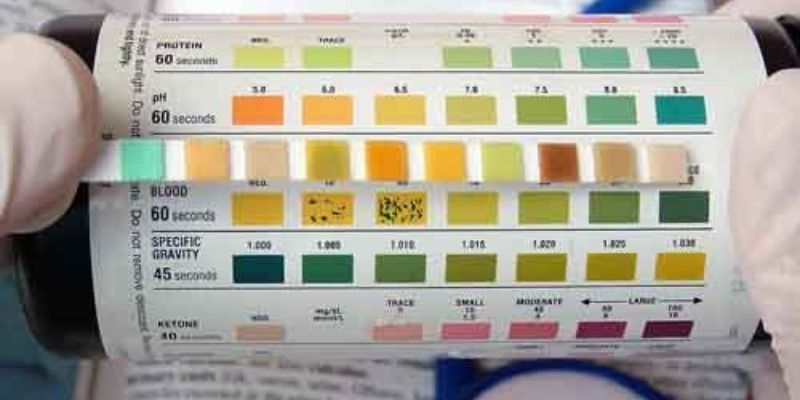
Now, grab that color chart. Hold the strip next to it and match each square to the closest color. For example, the pH square might turn orange, which could mean your urine is slightly acidic. I always do this in good lighting—dim lights can make the color changes hard to read.
Step 6: Record Your Results
I like to jot down what I see, especially if I’m tracking something over time, like my ketone levels during a low-carb diet. Write down the colors and what they mean. It helps you spot patterns or share accurate info with your doctor.
Understanding the Color Changes
The color changes on a urine test strip are the heart of the process. Each square tests for something specific, and the color tells you the result. Here’s a breakdown of some common markers I’ve seen on strips and what they mean. I’ve also included a table to make it easier to follow.
| Test Parameter | What It Measures | Color Changes | What It Means |
|---|---|---|---|
| Glucose | Sugar in urine | Blue to green | High glucose could indicate diabetes or high sugar intake. I noticed this when I overdid the soda on a road trip! |
| Ketones | Fat breakdown | Pink to purple | High ketones might mean you’re burning fat (like on a keto diet) or not eating enough carbs. |
| Protein | Protein levels | Green to blue | High protein can point to kidney issues. I check this if I’m feeling off. |
| pH | Acidity/alkalinity | Orange to blue | Acidic urine (low pH) might mean dehydration; alkaline (high pH) could be diet-related. |
| Blood | Blood in urine | Green spots | Could signal an infection or kidney stones. I always double-check with a doctor if I see this. |
| Leukocytes | White blood cells | Purple | High levels might mean an infection, like a UTI. |
| Nitrites | Bacteria | Pink | Positive results often mean a urinary tract infection. |
Each brand’s color chart is slightly different, so always use the one that comes with your strips. I learned this when I tried comparing an old chart to a new strip—total confusion!
Common Mistakes to Avoid
I’ve made my share of mistakes using urine test strips, so let me save you some trouble. First, don’t dip the strip for too long—it can wash away the chemicals. Second, don’t waiteid=5c8e7a2f9b3c read the strip under bad lighting; it’s hard to see the color changes clearly. Third, don’t reuse a strip. It won’t work right. And finally, don’t panic if one result looks off—test again or talk to a doctor to confirm.
When to Talk to a Doctor
While urine test strips are great for home monitoring, they’re not a substitute for a doctor. If you see unusual results—like blood or high glucose—don’t wait. I once saw a trace of blood in my results and called my doctor right away. Turned out to be a minor issue, but it gave me peace of mind to check. Also, if you’re pregnant or have a chronic condition, always consult a professional before relying on home tests.
Tips for Accurate Results
Here are a few tricks I’ve picked up to get the best results. Use fresh strips—old ones can give false readings. Store them in a cool, dry place. Test in the morning for more concentrated urine. And always follow the instructions exactly, especially the timing. I once rushed the process and got wonky results. Lesson learned!
Why I Love Using Urine Test Strips
I’ve found urine test strips to be a game-changer for keeping tabs on my health. They’re easy to use, and the color changes give me quick insights. Whether I’m checking my hydration, monitoring my diet, or just being curious, these strips make me feel more in control. Plus, they’re affordable and available at most pharmacies.
Conclusion
Learning how to read a urine test strip has been a small but powerful step in my health journey. It’s like having a mini lab at home. By following the steps I’ve shared—collecting a sample, dipping the strip, and matching the color changes to the chart—you can get a clear picture of what’s going on in your body. It’s not just about reading colors; it’s about understanding your health. So, grab a strip, give it a try, and take charge of your wellness. If I can do it, so can you!
FAQs
What Does a Urine Test Strip Test For?
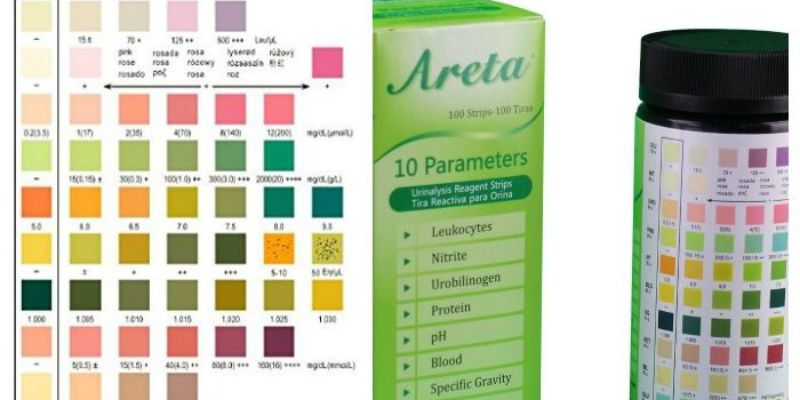
A urine test strip checks for things like glucose, ketones, protein, pH, blood, leukocytes, and nitrites. Each square on the strip tests a different marker, giving you a snapshot of your health.
How Long Do I Wait for the Color Changes?
Most strips require 30–60 seconds for the color changes to appear. Check the instructions on your strip’s package for the exact timing.
Can I Reuse a Urine Test Strip?
No, you can’t reuse a urine test strip. Once it’s been dipped, the chemicals are used up, and it won’t give accurate results again.
What If My Results Show Something Abnormal?
If you see unusual results, like blood or high glucose, don’t panic. Test again to confirm, and contact your doctor for advice.
Are Urine Test Strips Accurate?
Urine test strips are generally accurate for home use, but they’re not perfect. Factors like improper storage or timing can affect results. Always confirm with a doctor if you’re unsure.
Can I Use Urine Test Strips During Pregnancy?
Yes, but talk to your doctor first. Pregnancy can affect urine test results, especially for glucose or protein, so professional guidance is key.
Where Can I Buy Urine Test Strips?
You can find urine test strips at pharmacies, online retailers, or medical supply stores. I usually grab mine from a local drugstore or order them online for convenience.