How to Remove Cat Urine Smell From Hardwood Floors: A Simple Guide
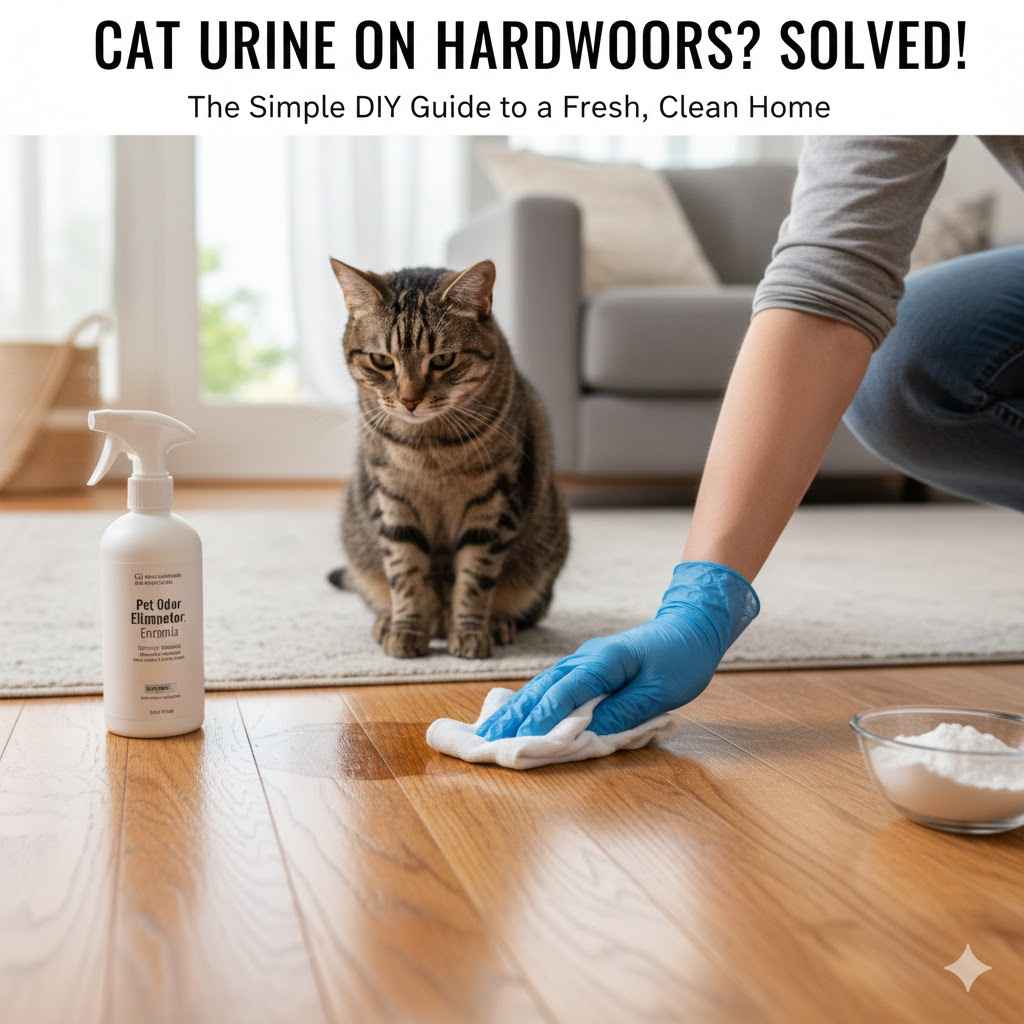
If you’re dealing with a cat that had an accident on your hardwood floors, you’re not alone! Knowing How to Remove Cat Urine Smell From Hardwood Floors can seem tricky, especially for beginners. Cat urine has a strong, stubborn smell. But don’t worry! This blog post offers a straightforward, step-by-step solution. We’ll explore the best ways to get rid of that unpleasant odor and help your floors look and smell fresh again. We’ll start with identifying the problem areas.
Finding the Problem Areas and Preparing for Action
The first step in removing cat urine smell from hardwood floors is finding where the accident happened. Cat urine can soak into the wood and spread, making it hard to find. It’s a key first step. This part needs attention, even if you think you know where the problem is. Failing to pinpoint the exact locations can lead to a lingering smell. We will explore ways to identify the affected spots.
Using Your Nose and Eyes
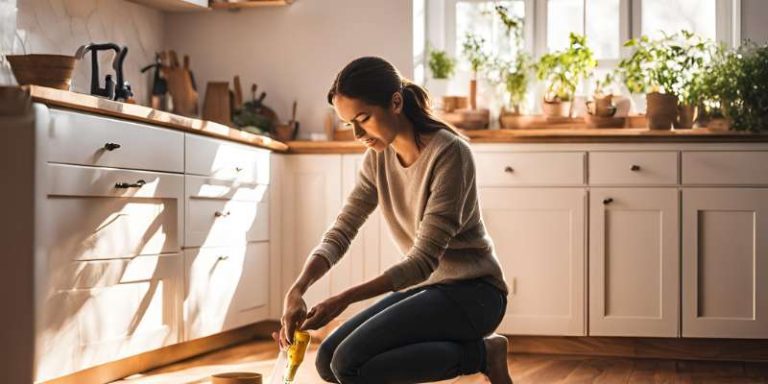
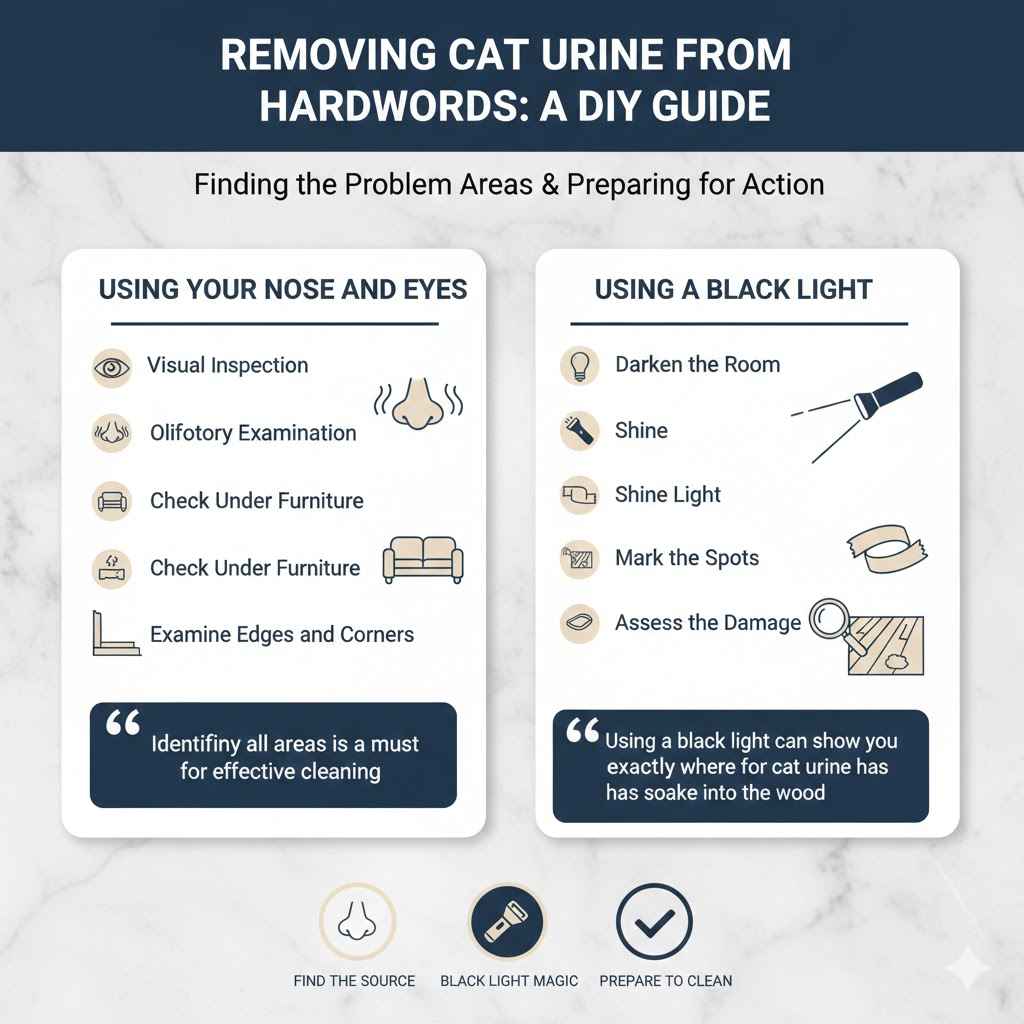
The simplest method is often the most effective. Carefully sniff around your floors. You’ll likely notice a distinct ammonia smell, especially near the affected areas. Get down on your hands and knees to get closer to the floor. Look closely for any discoloration or staining on the wood. Cat urine can cause the wood to darken or warp slightly. Examine around baseboards, under furniture, and in corners, as these are common spots for accidents. Inspecting the floor in good light will assist this process. Take your time to carefully assess the situation. Identifying all areas is a must for effective cleaning.
- Visual Inspection: Look for any signs of stains or discoloration on the hardwood. Cat urine can leave behind noticeable marks.
- Olfactory Examination: Use your sense of smell. Cat urine has a distinct ammonia smell that can be easy to detect once you get close to the floor.
- Check Under Furniture: Move furniture like sofas and beds. Look for hidden spots.
- Examine Edges and Corners: Inspect edges, corners, and areas near baseboards.
Once you’ve found all the problem spots, you will have to determine the best method for removing the urine. It is important to act quickly because the longer the urine sits, the more it seeps into the wood. This approach will help remove the smell and prevent future problems.
Using a Black Light
A black light, or ultraviolet (UV) light, is a handy tool. Cat urine glows under a black light, making it easy to spot even if it’s not visible to the naked eye. Turn off the lights in the room, and shine the black light over your hardwood floors. The urine will glow, highlighting any areas that need attention. This method is especially useful if the accident happened a while ago, or if the stain is not obvious. It allows for a more precise cleaning, and removes any smell that remains.
- Darken the Room: Turn off all the lights in the room to make the urine glow easier.
- Shine the Light: Slowly move the black light across the floor.
- Mark the Spots: Use painter’s tape or chalk to mark any areas that glow under the UV light.
- Assess the Damage: Note how deep the stains appear to be.
Using a black light can show you exactly where the cat urine has soaked into the wood. It allows for a complete cleaning approach. This can make the process more effective. This is how you prepare for the next steps.
Step-by-Step Guide for Removing Cat Urine Smell
The next part of removing cat urine smell from hardwood floors involves cleaning. The goal is to remove the urine. A key element is the type of cleaner you’ll use. We’ll explore cleaning products that do the job right. The process includes several important steps, from absorbing the urine to deodorizing and cleaning the area thoroughly. Understanding each part is essential for getting rid of the odor and getting your floors back to normal. This guide provides a step-by-step method.
Absorbing the Urine
The first step involves absorbing as much of the urine as possible before you even use a cleaner. The more you can get up front, the better. This prevents the urine from soaking deeper into the wood. Begin by blotting the area with paper towels. You can put some weight on the paper towels to help absorb the urine. A clean cloth can be used. It is important to avoid rubbing. This can spread the urine and make the problem worse.
- Blot the Area: Use paper towels or a clean cloth to blot up as much urine as possible.
- Apply Pressure: Place a heavy object, like a book, on top of the paper towels.
- Replace Frequently: Change the paper towels frequently, until they come up dry.
- Avoid Rubbing: Rubbing can spread the urine. Blotting will take it up.
This initial step helps you remove urine. Removing the urine at the beginning improves the effectiveness of the next steps. Taking this time up front can greatly reduce the smell and prevent the urine from affecting the wood. Be patient and careful when you are absorbing the urine. It’s key to an effective clean.
Cleaning Products to Remove the Cat Urine Smell
Choosing the right cleaner is key. Regular household cleaners often don’t work. The best products break down the uric acid crystals. These crystals cause the lasting smell. Enzyme cleaners are designed specifically for this. They break down the urine. This is an important step when you are trying to remove cat urine smell from hardwood floors. Using the correct cleaner will give you the best results. A number of options can be used, with each offering a different way to clean.
- Enzyme Cleaners: These are specially formulated to break down the uric acid crystals.
- Pet Stain Removers: Many pet stain removers contain enzymes and are helpful.
- Avoid Ammonia-Based Cleaners: These can attract cats back to the same spot.
- Test in an Inconspicuous Area: Try any cleaner in a hidden area first.
Enzyme cleaners use natural enzymes to break down and eliminate the cat urine. When you have the right cleaner, you are ready to remove the cat urine smell from your hardwood floors. Always follow the directions on the product label. The correct product makes all the difference.
Applying the Cleaner
When you have picked the right cleaner, you will apply it to the affected area. The aim is to thoroughly soak the area. Let the cleaner sit for the time recommended on the label. This allows the enzymes or chemicals to do their work. Make sure to cover the stain completely. This will ensure that the urine is removed. The cleaner should not be wiped off. You should let the cleaner work. This is an important step.
- Apply Generously: Soak the affected area completely with the cleaner.
- Follow Instructions: Read and follow the product instructions for best results.
- Let It Sit: Allow the cleaner to sit for the recommended time.
- Avoid Wiping: Do not wipe the cleaner until it has done its work.
Proper application is key to getting rid of the cat urine smell. Taking the time to apply the cleaner the right way will help get your floors clean. Remember to follow the product’s instructions. That will help ensure the cleaner does the best job possible.
Removing the Cleaner and Drying the Floor
After the cleaner has set, you will need to remove it. You can do this by blotting the area with clean paper towels or a clean cloth. You should repeat this until the area is dry. This will help remove the cleaner and any remaining urine residue. It is important to make sure the floor is completely dry. You should also make sure to air dry the area. This helps to eliminate any lingering odors and prevents mold from forming. Be sure to check that the area is completely dry before proceeding.
- Blot the Area: Use paper towels or a clean cloth to blot up excess cleaner.
- Rinse If Needed: Some cleaners may require rinsing with water.
- Air Dry: Allow the area to air dry completely.
- Check for Odor: Smell the area to ensure the odor is gone.
Proper drying is important in removing the cat urine smell. Make sure the area is completely dry, which prevents further issues. This step ensures that the cleaning process is a success. If the smell remains, you may need to repeat the process. Proper drying is a step toward having a fresh-smelling home.
Addressing Stubborn Odors and Additional Steps
Sometimes, even after cleaning, the cat urine smell can linger. You might require additional steps to remove the smell. This section provides tips for tackling stubborn odors, along with methods to prevent future incidents. You can also explore options for protecting your floors. This approach will offer a number of methods. They are used to make sure that your floors smell great.
Repeating the Cleaning Process
If the smell persists after the first cleaning, it’s a good idea to repeat the process. This time, you might want to use a different cleaner or try a stronger solution. Be sure to follow the steps outlined earlier, including blotting and allowing the area to dry completely. A second round of cleaning can remove any urine that was left behind. It will remove the lingering smell. It may be helpful to use a different cleaner this time. This gives the area a second chance to be odor-free.
- Reapply Cleaner: Use the same cleaner or a different one.
- Soak Thoroughly: Make sure to completely saturate the affected area.
- Longer Setting Time: Allow the cleaner to sit for the maximum recommended time.
- Repeat Drying: Blot and allow the area to air dry completely.
Repeating the cleaning process can often do the trick. A fresh approach with a different cleaner or longer soak can make a big difference. Be sure to dry the area completely each time. This should help you get rid of the remaining smell.
Using Baking Soda
Baking soda is a natural deodorizer. It’s safe to use on hardwood floors. After cleaning, sprinkle a generous amount of baking soda over the affected area. Allow it to sit for several hours. This is especially helpful if the smell is still present. It will help to absorb any remaining odors. Then, vacuum or sweep up the baking soda. Baking soda is a budget-friendly and helpful method for tackling smells.
- Sprinkle Generously: Cover the affected area with a layer of baking soda.
- Let It Sit: Allow the baking soda to sit for several hours or overnight.
- Vacuum or Sweep: Remove the baking soda by vacuuming or sweeping.
- Repeat If Necessary: If the odor remains, repeat the process.
Baking soda can help neutralize odors. It is a good choice to freshen the area. Baking soda is a natural solution that should help you to remove the cat urine smell. You can use it as a final step in removing the odor. Using baking soda can make a big difference.
Sealing the Wood
If the urine has deeply penetrated the wood, you may need to seal the floor. This will trap any remaining odor. Sealing can prevent the smell from resurfacing. Sanding and refinishing the floor may be needed. You can apply a sealant to the affected area. This is a longer step. However, it can provide a long-term solution. Be sure to follow the directions on the product for the best results. Sealing your floor is an option for tackling stubborn smells.
- Sand the Area: If the stain is deep, light sanding can help.
- Apply Sealant: Use a wood sealant recommended for hardwood floors.
- Follow Instructions: Carefully follow the product instructions for best results.
- Reapply if Needed: You can apply several coats if necessary.
Sealing your floor is a great way to make sure the smell is gone. You can protect your floor by following the instructions. With a little work, you can remove the smell. It will keep it from returning.
Preventing Future Accidents and Protecting Your Floors
After you have removed the cat urine smell, you will want to take measures. These can help prevent future incidents. You can also protect your floors from damage. We will explore ways to change your cat’s behavior. You can also explore options to protect your floors from future spills. This plan can keep your floors clean.
Identifying and Addressing the Cause
It’s important to understand why your cat had an accident. Medical issues can sometimes be the cause. Things like urinary tract infections or diabetes can lead to accidents. Changes in the litter box are another possibility. Make sure the litter box is clean. You can explore how many litter boxes you need. Another consideration is your cat’s environment. Stress or anxiety can trigger accidents. By finding the cause, you can help solve the problem at the source. It can also help reduce the risk of future accidents.
- Veterinary Check-Up: Consult with a vet to rule out any medical issues.
- Litter Box Issues: Ensure the litter box is clean and accessible.
- Environmental Factors: Reduce stress and provide a comfortable environment.
- Monitor Your Cat: Watch for any signs of distress.
You can identify the cause. Knowing the cause will help you come up with a plan to solve the problem. Addressing the cause can stop future accidents. It will also make your cat happier. It can save you from a lot of cleaning in the future.
Using Protective Measures
Protecting your floors is another way to prevent cat urine damage. Using waterproof mats under food and water bowls can help. You can also use rugs and runners in high-traffic areas. These can help to absorb any spills. These can also protect your floors from stains. This protection is a helpful tool in dealing with accidents. This protection is another method to reduce the effects of accidents.
- Waterproof Mats: Use these mats under food and water bowls.
- Rugs and Runners: Place rugs in high-traffic areas.
- Consider a Tray: You can place a tray under the litter box.
- Regular Inspections: Check your floors regularly for any signs of accidents.
Using protective measures can help reduce floor damage. You can help prevent stains. This is an important way to make sure that your floors remain clean. These steps can protect your floors for years.
Training and Behavioral Changes
You can train your cat. Sometimes, cats have accidents because of behavioral issues. You can try positive reinforcement methods. You can reward your cat when they use the litter box. You can also use deterrents. Things like citrus scents can deter your cat from certain areas. You can also provide more attention and enrichment. These steps can address the behavior that is leading to the accidents. You will want to be patient and consistent. It takes time for the behavior to change.
- Positive Reinforcement: Reward your cat for using the litter box.
- Deterrents: Use scents like citrus to deter cats from certain spots.
- Environmental Enrichment: Provide plenty of toys and playtime.
- Professional Help: If needed, consider consulting with a cat behaviorist.
Training and behavioral changes can help resolve the underlying causes. You can teach your cat better habits. This will help reduce accidents. It can also improve the bond with your cat. You can work with your cat. It will help make a better living environment.
Real-Life Examples and Scenarios
To help illustrate the methods, here are some real-life scenarios. These cases show how these methods work in real-world situations. They will provide helpful insights. These examples will offer helpful lessons and show how these methods can work. These will help you know how to remove cat urine smell from hardwood floors.
-
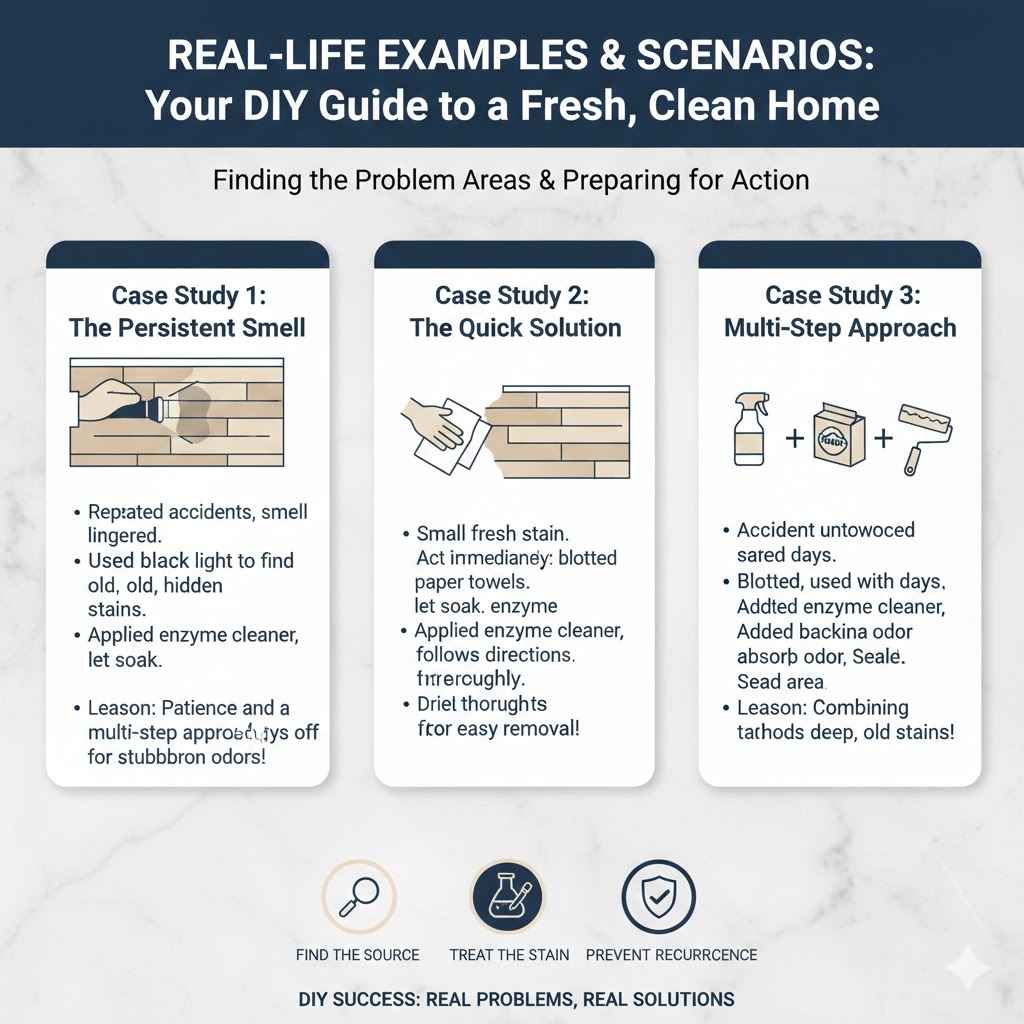
Case Study 1: The Persistent Smell
Sarah’s cat had repeated accidents on her hardwood floors. She tried various cleaners. She was not able to fully remove the smell. She was eventually able to find the area using a black light. After trying several methods, she used an enzyme cleaner and let it set for a long time. Then, she sealed the affected area. This did the trick! The cat urine smell was gone, and her floors looked and smelled fresh again. Sarah learned that patience is key when dealing with stubborn odors.
-
Case Study 2: The Quick Solution
John noticed a small spot of cat urine on his hardwood floors. He blotted up the urine with paper towels and immediately applied an enzyme cleaner. He let it sit for the recommended time. Then, he dried the area thoroughly. He had immediate success. The odor was gone. John quickly resolved the problem. This showed how important it is to deal with accidents promptly. He also learned that a good cleaner is important.
-
Case Study 3: The Multi-Step Approach
Maria’s cat had an accident that went unnoticed for several days. She blotted the area and used an enzyme cleaner. She then used baking soda. After that, she sealed the floor. She found that a multi-step approach was required. This process required a bit of work. Maria’s floors were once again odor-free. This teaches the value of using a number of approaches.
Frequently Asked Questions
Question: What if the smell won’t go away after the first cleaning?
Answer: If the smell lingers, repeat the cleaning process. Use a different cleaner. Apply it thoroughly. If needed, consider sealing the floor. This method often solves the problem.
Question: Can I use bleach to clean cat urine from hardwood floors?
Answer: Avoid using bleach. It can damage your floors. It can also make the smell worse. Use cleaners made specifically for pet stains.
Question: How can I prevent my cat from urinating on the floor again?
Answer: Identify the cause of the accidents. Consult with a veterinarian to rule out medical problems. Clean the litter box often. Try to reduce stress. You can also consult a cat behaviorist.
Question: Will the cat urine smell eventually disappear on its own?
Answer: No, the cat urine smell won’t disappear on its own. It’s important to act quickly and clean up the urine. This is the only way to get rid of the smell.
Question: Is it necessary to sand and refinish my hardwood floors to remove the smell?
Answer: Sanding and refinishing may be necessary if the urine has deeply penetrated the wood. This approach will remove the stain. It’s often required in extreme cases. Consider it if other methods fail.
Final Thoughts
Taking care of a cat urine accident on your hardwood floors may appear to be a problem. By exploring the right steps, you can successfully remove the cat urine smell. Start by finding the exact spot and soaking up as much of the urine as possible. Follow this by using a high-quality enzyme cleaner, applying it correctly, and letting it do its work. Remember that a number of steps may be required. You may need to repeat the process or use additional methods, such as baking soda or sealing the floor.
By using these methods, you’ll be able to get rid of the odor. You can also prevent future problems. Following these steps can help protect your home. With the right approach, your hardwood floors can be fresh and odor-free, giving you and your cat a pleasant living space. Remember, persistence is key. You’ve got this!