How to Remove Pet Odor from Hardwood Floors Fast
Dealing with pet smells on your beautiful hardwood floors can be a real headache. Many people find it tricky to get those stubborn odors gone, especially when they’re new to the whole pet-parent thing. But don’t worry, getting rid of them is easier than you think! This guide will walk you through simple, step-by-step methods. We’ll cover everything you need to know to tackle How to Remove Pet Odor from Hardwood Floors Fast and make your home smell fresh again.
Understanding Pet Odors on Hardwood
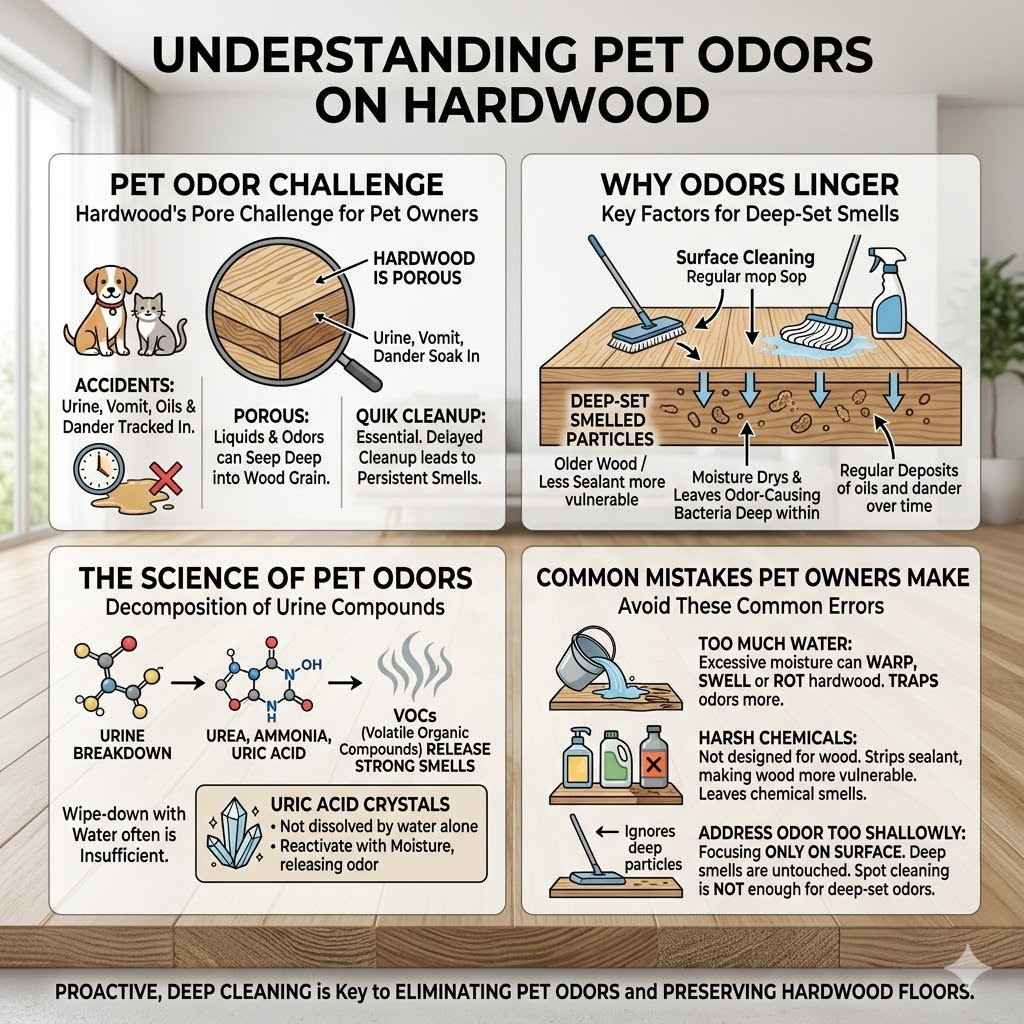
Pet odors on hardwood floors are a common challenge for pet owners. These smells often come from accidents like urine, vomit, or even just general pet dander and dirt that gets tracked in. Hardwood floors, while beautiful, can be porous, meaning liquids and odors can soak into the wood grain. This makes them harder to clean than other surfaces. When these substances aren’t cleaned up quickly, they can leave behind persistent smells that are tough to eliminate.
Why Odors Linger
Several factors contribute to why pet odors can linger on hardwood floors. The wood itself has tiny pores and grain lines where liquid can seep in. If an accident happens and isn’t immediately and thoroughly cleaned, the moisture can penetrate the wood. As the moisture dries, it leaves behind odor-causing bacteria and particles.
Over time, these particles can become embedded deep within the wood. Even regular cleaning might only address the surface, leaving the deeper smells untouched. This is especially true for older wood or floors with a less robust sealant. The constant presence of pets can also mean regular deposits of dander and oils that contribute to a general “pet smell” over time.
The Science of Pet Odors
Pet urine contains several compounds, including urea, uric acid, and ammonia. When these break down, they release volatile organic compounds (VOCs) that cause strong, unpleasant smells. Uric acid crystals are particularly problematic because they are not easily dissolved by water alone and can reactivate with moisture, releasing odors again.
This is why a simple wipe-down with water often isn’t enough. You need cleaning solutions that can break down these compounds and neutralize them. Without the right approach, these smelly components can remain in the wood, leading to a continually unpleasant aroma in your home.
Common Mistakes Pet Owners Make
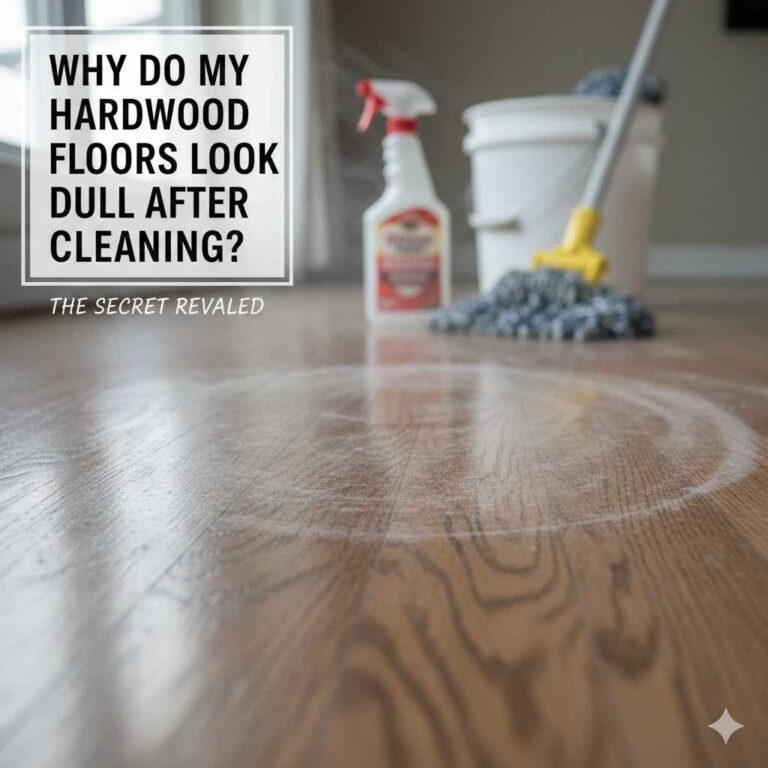
Many well-meaning pet owners make mistakes when trying to clean up after their pets on hardwood. One of the most common errors is using too much water. Excessive moisture can damage hardwood floors, causing them to warp, swell, or even rot over time. This damage can trap odors even more effectively.
Another mistake is using harsh chemical cleaners that are not designed for wood. Some strong cleaners can strip away the sealant from your hardwood, making the wood more susceptible to future damage and odor absorption. They can also leave behind their own chemical smells that might be unpleasant.
Finally, not addressing the odor deeply enough is a frequent issue. Many people focus only on the surface, but as mentioned, the odor can penetrate the wood. This means spot cleaning might not be sufficient for deep-set smells.
Effective Cleaning Methods for Pet Odors
Tackling pet odors on hardwood floors requires a multi-pronged approach. It’s about more than just cleaning the surface; it’s about neutralizing the source of the smell and ensuring it doesn’t return. These methods focus on using safe, effective solutions that won’t damage your floors.
Deep Cleaning Solutions
For stubborn odors, a deep cleaning solution is often necessary. These solutions are designed to break down the odor-causing compounds without harming the wood. One of the most effective and widely recommended DIY solutions involves white vinegar.
White vinegar is a natural disinfectant and deodorizer. Its acidity helps to neutralize alkaline odors like those found in pet urine. To prepare a solution, mix one part white vinegar with two parts warm water. You can apply this solution using a damp mop or a spray bottle, but be sure to wring out your mop very well so it’s just damp, not wet.
Another powerful natural cleaner is baking soda. Baking soda is known for its ability to absorb odors. You can sprinkle a generous amount of baking soda over the affected area, let it sit for several hours or overnight, and then vacuum it up. For larger areas, you can create a paste by mixing baking soda with a little water, applying it to the spot, letting it dry, and then vacuuming it away.
Enzymatic cleaners are also highly recommended, especially for pet accidents. These cleaners contain enzymes that specifically target and break down the organic matter that causes pet odors. They are very effective at eliminating smells at their source.
Using White Vinegar Effectively
When using white vinegar, it’s important to use it correctly on hardwood. Always dilute it with water. Never pour undiluted vinegar directly onto the floor. A common ratio is one cup of white vinegar to one gallon of warm water.
Apply the solution with a well-wrung-out mop. The goal is to lightly dampen the surface, not to saturate it. After mopping, allow the floor to air dry completely. The vinegar smell will dissipate as it dries, taking the pet odor with it. You may need to repeat this process for particularly strong or old odors.
The Power of Baking Soda
Baking soda is a fantastic odor absorber. For a fresh accident, after wiping up any liquid, you can sprinkle baking soda directly onto the damp spot. Let it sit for at least 30 minutes, or even overnight if the smell is strong. Then, vacuum it up thoroughly.
For older stains or persistent smells, you can make a paste of baking soda and water. Apply this paste to the affected area, let it dry completely (this might take several hours), and then vacuum it up. This method helps to draw the odor out of the wood. Remember to test baking soda on an inconspicuous area first to ensure it doesn’t affect your floor’s finish.
Enzymatic Cleaners Explained
Enzymatic cleaners are a top choice for pet odors because they work on a molecular level. They contain specific enzymes that break down the proteins and amino acids in pet waste, which are the primary source of the odor. These cleaners are designed to be safe for most floor types when used as directed.
When using an enzymatic cleaner, follow the product instructions carefully. Typically, you’ll apply the cleaner directly to the affected area, let it sit for a specified amount of time to allow the enzymes to work, and then wipe or blot it up. For deeply set odors, multiple applications might be necessary. These cleaners are particularly effective because they don’t just mask the smell; they eliminate it.
Natural vs. Commercial Cleaners
Both natural and commercial cleaners can be effective for removing pet odors from hardwood floors. Natural cleaners like vinegar and baking soda are often preferred by those looking for eco-friendly and non-toxic solutions. They are generally safe for pets and children once the floor is dry.
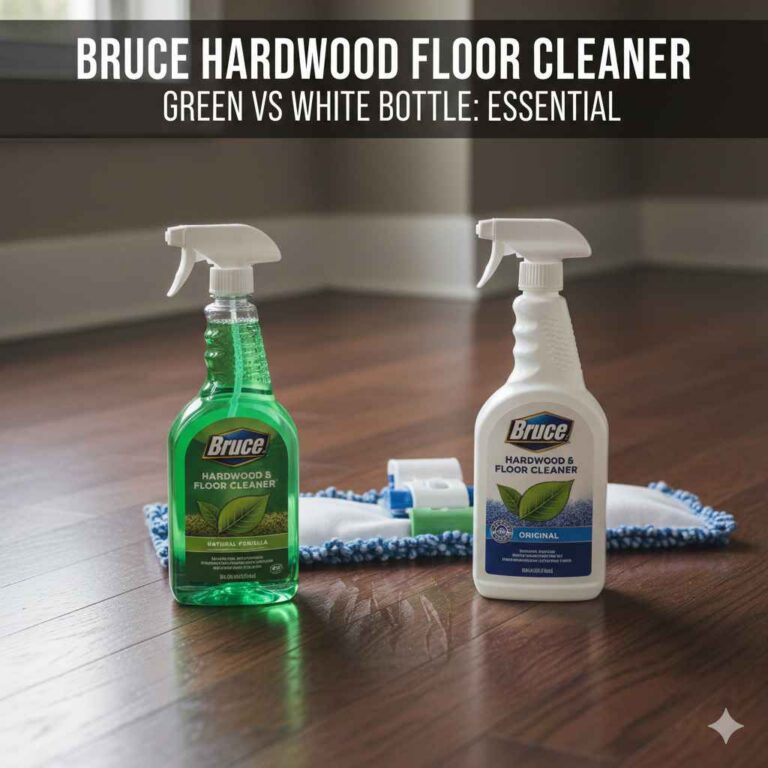
Commercial cleaners, especially enzymatic ones, can be incredibly powerful and convenient. They are formulated with specific ingredients to tackle tough pet stains and odors. However, it’s crucial to choose products that are specifically designed for hardwood floors and to test them in a small, hidden area first.
Benefits of Natural Cleaners
Natural cleaners offer several advantages. They are usually more affordable than commercial products. They are also readily available in most households. Their primary benefit is their safety. You don’t have to worry about harsh chemicals or fumes lingering on your floors, which is especially important if you have pets or young children who spend a lot of time on the floor.
Vinegar, for instance, is a mild acid that can help break down odor molecules. Baking soda is alkaline and absorbs odors effectively. Together, they create a powerful yet gentle cleaning duo. Their simplicity means they are less likely to damage the finish of your hardwood floors if used correctly.
When to Choose Commercial Cleaners
Commercial cleaners, particularly those labeled as “enzymatic” or “pet odor eliminators,” are often the go-to for very tough or old stains. These products are scientifically formulated to break down the specific compounds in pet waste that cause strong odors. Their advantage lies in their specialized action.
If you’ve tried natural methods and the odor persists, a good quality commercial enzymatic cleaner is often the next best step. Always ensure the product is safe for sealed hardwood floors. Many brands offer specific formulas for wood or pet stains, making them a reliable choice for serious odor problems.
Step-by-Step Guide to Eliminate Odor
Follow these steps to effectively remove pet odors from your hardwood floors and restore that fresh scent to your home.
Immediate Action for Fresh Accidents
When a pet accident happens, quick action is your best defense against lingering odors.
1. Blot up as much of the liquid as possible immediately. Use clean, absorbent cloths or paper towels. Press down firmly to soak up the moisture.
2. Do not rub, as this can spread the mess and push it deeper into the wood grain.
3. Once the area is as dry as possible, apply a cleaning solution. For fresh urine, a mixture of one part white vinegar and two parts water is a good starting point.
4. Dampen a clean cloth with the solution and gently wipe the area.
5. Follow up by blotting the area dry again with a clean cloth.
6. For added odor absorption, sprinkle a thin layer of baking soda over the spot and let it sit for at least 30 minutes before vacuuming it up.
The Importance of Blotting
Blotting is crucial because it removes liquid without spreading it. Rubbing can push urine further into the pores and crevices of the wood, making it harder to remove the odor completely. Gentle blotting with absorbent materials like paper towels or a clean, dry cloth helps lift the liquid out of the wood surface.
Choosing the Right Absorbent Material
For immediate cleanup, paper towels are excellent because they are disposable and very absorbent. Clean, soft cotton cloths or old towels can also be used. The key is to use materials that can soak up as much liquid as possible. Avoid anything abrasive that could scratch the wood.
Dealing with Old or Set-In Odors
Old odors are more challenging but not impossible to remove. These smells often indicate that the odor-causing substances have penetrated the wood.
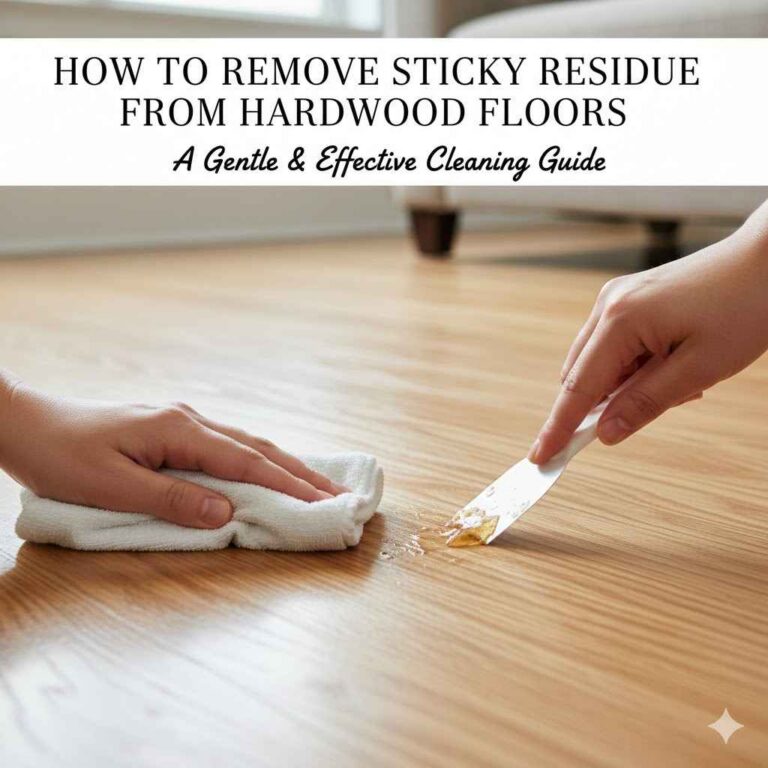
1. For dried-on messes, gently scrape away any residue with a plastic scraper. Be careful not to scratch the wood.
2. Apply your chosen cleaning solution generously to the affected area. For old odors, an enzymatic cleaner is often the most effective choice.
3. Allow the cleaner to sit for the time recommended on the product label, or for at least 15-30 minutes if using a DIY solution like vinegar and water.
4. Use a clean, damp mop or cloth to work the cleaner into the wood grain.
5. Blot the area thoroughly with a dry cloth to remove excess moisture.
6. If the odor persists, repeat the process. For very deep odors, you might consider a specialized wood floor cleaner designed for pet odor removal.
Testing Cleaning Solutions
Before applying any cleaner, especially a commercial one, to a large area, always test it on an inconspicuous spot of your hardwood floor. This could be in a closet or a corner that isn’t often seen. Allow the test area to dry completely and check for any discoloration, damage to the finish, or other adverse effects.
The Role of Ventilation
Good ventilation is key when dealing with odors. Open windows and doors to allow fresh air to circulate through your home. This helps to carry away lingering smells and speeds up the drying process after cleaning. You can also use fans to increase airflow.
Preventing Future Odors
Prevention is always better than cure. Taking steps to prevent future accidents and odors can save you a lot of work in the long run.
Regular Training and Potty Breaks: Ensure your pets have consistent potty training and regular opportunities to go outside. This reduces the likelihood of accidents indoors.
Quick Cleanup: Respond to accidents immediately. The faster you clean up, the less chance the odor has to set into the wood.
Use Pet Mats: Place washable mats or rugs in areas where pets frequently eat, drink, or rest. This can catch spills and dander before they reach the hardwood.
Grooming: Regular grooming of your pets can reduce the amount of dander, hair, and dirt that they bring into your home and onto your floors.
Seal Your Floors: Ensure your hardwood floors have a good, intact sealant. A properly sealed floor is more resistant to stains and odors. If your sealant is worn, consider having it refinished.
Importance of Floor Sealant
The sealant on your hardwood floors acts as a protective barrier. It fills in the microscopic pores of the wood, preventing liquids and odors from penetrating deeply. A well-maintained sealant makes cleaning significantly easier and helps prevent common issues like water damage and stubborn smells.
If your sealant is old or damaged, it’s a good idea to have your floors professionally inspected and potentially refinished. This will restore their protective qualities and make them more resistant to future problems.
Reducing Dander and Allergens
Pet dander is a common source of musty odors and can also contribute to allergies. Regular grooming of your pet, including brushing their coat and bathing them as needed, can significantly reduce the amount of dander shed in your home. Vacuuming your floors frequently with a vacuum cleaner that has a HEPA filter can also help trap dander and other allergens.
Advanced Techniques and Tips
Sometimes, you need to go a step further to completely banish pet odors. These advanced techniques can be very effective.
Using Odor Absorbers
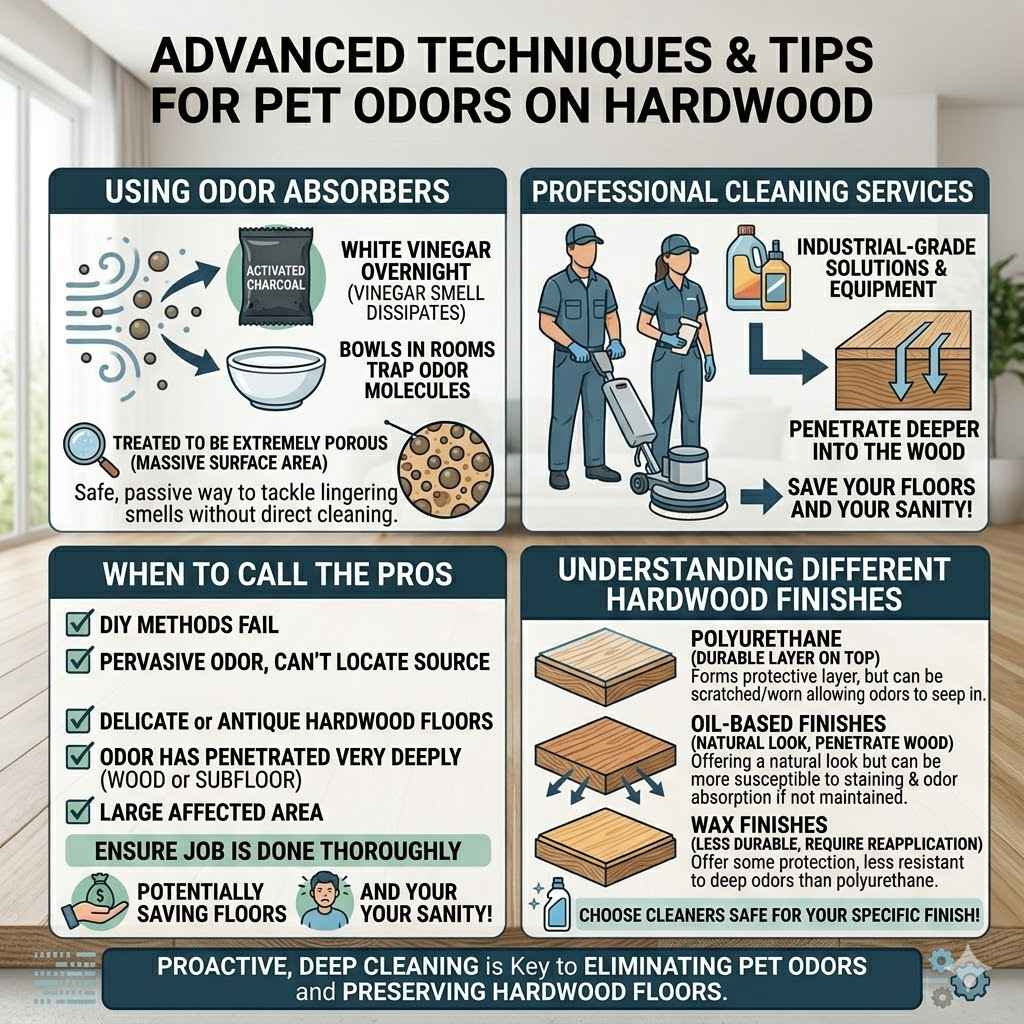
Beyond baking soda, other natural odor absorbers can be helpful. Activated charcoal is a highly porous material that excels at trapping odor molecules. You can place bowls of activated charcoal in rooms where pet odors are prevalent.
Another option is white vinegar. While it’s used as a cleaner, leaving a small bowl of white vinegar out in a room overnight can also help absorb lingering smells. The vinegar smell itself will dissipate by morning.
Activated Charcoal Explained
Activated charcoal is treated to be extremely porous, giving it a massive surface area. This large surface area allows it to adsorb, or capture, various substances, including odor-causing molecules. It’s a passive way to tackle smells without direct cleaning.
You can find activated charcoal in pet stores, garden centers, or online. Place it in small, breathable bags or open bowls in areas where odors are noticeable. It’s a safe and effective way to freshen the air and remove smells that might be clinging to surfaces.
Professional Cleaning Services
If DIY methods don’t fully resolve the issue, or if you have very extensive odor problems, consider professional floor cleaning services. Professionals have access to specialized equipment and stronger, industrial-grade cleaning solutions that can penetrate deeper into the wood.
They can assess the extent of the odor problem and use appropriate methods for your specific type of hardwood flooring. This can be a good option for severe cases or when you want to ensure the job is done thoroughly.
When to Call the Pros
Calling a professional might be the best route if:
You’ve tried multiple DIY methods without success.
The odor is pervasive and you can’t locate the exact source.
You have delicate or antique hardwood floors that you don’t want to risk damaging.
You suspect the odor has penetrated very deeply into the wood or subfloor.
You have a large area affected by strong pet odors.
A professional cleaning service can offer a deep clean that gets to the root of the problem, potentially saving your floors and your sanity.
Understanding Different Hardwood Finishes
The type of finish on your hardwood floors can affect how you clean them and how easily odors penetrate. Common finishes include polyurethane, oil-based finishes, and wax.
Polyurethane: This is the most common modern finish. It forms a protective layer on top of the wood. While durable, it can be scratched or worn down, allowing odors to seep in.
Oil-Based Finishes: These penetrate the wood, offering a more natural look but can be more susceptible to staining and odor absorption if not maintained.
Wax Finishes: These are less durable and require more frequent reapplication. They offer some protection but are generally less resistant to deep odors than polyurethane.
Knowing your floor’s finish helps you choose the right cleaning products and methods. Always opt for cleaners that are safe for your specific finish.
Frequently Asked Questions
Question: Will vinegar damage my sealed hardwood floors?
Answer: When diluted with water (typically one part vinegar to two parts water), white vinegar is generally safe for sealed hardwood floors. However, always test in an inconspicuous area first, and avoid saturating the floor. The acidity can break down odors without damaging the sealant if used properly and in moderation.
Question: How often should I clean my hardwood floors for pet odors?
Answer: For fresh accidents, clean them immediately. For general pet odor maintenance, a weekly or bi-weekly cleaning with a pet-safe floor cleaner is recommended. If you notice any persistent smells, address them promptly with targeted treatments.
Question: Can I use bleach on my hardwood floors to remove pet odors?
Answer: It is strongly advised not to use bleach on hardwood floors. Bleach is a harsh chemical that can strip the finish, discolor the wood, and potentially damage it. It may mask odors temporarily but can cause long-term harm.
Question: What if the pet odor has spread beyond the visible stain?
Answer: If the odor seems to have spread, you may need to treat a larger area. Using a diluted vinegar solution or an enzymatic cleaner over a broader section, allowing it to work, and then blotting thoroughly can help. Good ventilation is crucial in these situations.
Question: Are there any specific products you recommend for pet odor on hardwood?
Answer: Enzymatic cleaners specifically designed for pet odors and safe for hardwood floors are highly effective. Brands like Rocco & Roxie Supply Co. or Nature’s Miracle often have suitable products.
Always check the label for compatibility with hardwood.
Summary
Effectively tackling How to Remove Pet Odor from Hardwood Floors Fast involves immediate action, proper cleaning solutions, and preventative measures. By using diluted vinegar, baking soda, or specialized enzymatic cleaners and blotting thoroughly, you can neutralize and eliminate odors. Protecting your floors with good sealant and maintaining regular cleaning routines will keep your home smelling fresh and your hardwood floors looking beautiful for years to come.