How To Restore Wood: Step-By-Step Guide For Beginners
Restoring wood involves a meticulous process that revitalizes the aesthetic and structural integrity of wooden surfaces. Utilizing a combination of techniques such as sanding, staining, and sealing, one can breathe new life into aged and damaged wood. This practice not only enhances the visual appeal but also fortifies the material against future wear and environmental factors.
Knowledge of various wood types, along with the right tools and materials, is crucial for successful restoration. Understanding the science behind wood preservation is essential for achieving optimal results. Dive deeper into the intricacies of how to restore wood and discover methods that can transform your space.
How To Restore Wood: Essential Tips And Techniques
Restoring wood can breathe new life into tired or damaged surfaces, transforming the aesthetic of furniture, fixtures, and flooring alike. Techniques vary based on the type of wood and the extent of deterioration, encompassing cleaning, sanding, refinishing, and staining. Understanding how to restore wood involves assessing the condition of the piece, choosing the right materials, and applying the appropriate methods to achieve a polished finish. With attention to detail and a little patience, even the most worn wood can regain its original beauty.
Understanding Different Types of Wooden Surfaces
Characteristics of hardwood vs. softwood. Common applications: furniture, flooring, and cabinetry.
Wood comes in two main types: hardwood and softwood. Hardwood, from trees like oak and maple, is strong and perfect for furniture. Softwood, from trees like pine and cedar, is lighter and often used for flooring.
Understanding these differences helps you choose the right wood for your projects. Plus, who wouldn’t want a sturdy chair that won’t collapse the moment you sit down? Below is a simple table to show their characteristics:
| Type | Characteristics | Common Uses |
|---|---|---|
| Hardwood | Dense, durable, often expensive | Furniture, cabinetry |
| Softwood | Lighter, easier to work with, usually cheaper | Flooring, construction |
Assessing the Condition of Wood
Signs of damage: scratches, dents, and rot. Evaluating the finish: varnish, lacquer, or paint.
To restore wood effectively, first look for signs of damage. Common issues include:
- Scratches: Small lines that can affect the wood’s appearance.
- Dents: Indentations that can happen from heavy objects.
- Rot: Soft, spongy areas often caused by moisture.
Next, evaluate the finish on the wood. Check if it has:
- Varnish: A glossy layer that protects the wood.
- Lacquer: A fast-drying finish that gives a smooth surface.
- Paint: Colorful coatings that can hide imperfections.
Identifying these factors helps you decide how to restore your wood.
Essential Tools and Materials for Wood Restoration
Hand tools vs. power tools. Recommended cleaning and finishing products.
Before diving into wood restoration, gather your essential tools—like a superhero for your furniture! Hand tools, such as chisels and sandpaper, are great for detail work. Meanwhile, power tools like sanders and drills save time and muscle.
It’s like using a magic wand instead of a spoon! Also, don’t forget quality cleaning and finishing products for a polished look.
| Tool Type | Examples |
|---|---|
| Hand Tools | Chisels, Sandpaper, Paintbrush |
| Power Tools | Sander, Drill, Heat Gun |
| Cleaning Products | Wood Soap, Vinegar |
| Finishing Products | Stain, Varnish, Oil |
With these items, you’re ready to bring your wood back to life. Happy restoring, and may your dust bunnies take flight!
Steps to Clean and Prepare Wood for Restoration
Dust removal techniques. Cleaning solutions: natural vs. chemical options.
Before diving into restoration, start with dust removal. A soft cloth or a damp rag can wipe off the dust beautifully. Use a vacuum with a brush attachment for those tricky corners. Next comes cleaning!
You can choose between natural and chemical options. Natural is great for the environment, like soap and water. Chemicals work fast but can be strong.
Think of them as the superheroes of cleaning! Below is a quick comparison:
| Option | Pros | Cons |
|---|---|---|
| Natural | Safe, Eco-friendly | May take longer |
| Chemical | Fast-acting | Can be harsh |
Choose wisely and let your wood shine like never before!
Techniques for Repairing Damaged Wood
Filling scratches and dents. How to deal with cracks and split wood.
Wood can face battles with scratches and dents, but fear not! You can fill those pesky marks using wood filler. First, clean the area, then apply the filler with a putty knife and allow it to dry.
Sand it down to a smooth finish. For cracks and splits, think of wood glue as the superhero. Squeeze it into the crack, clamp it tight, and let it cure. Soon, your wood will stand strong like a tree!
Here’s a handy table to summarize:
| Damage Type | Repair Method |
|---|---|
| Scratches and Dents | Use wood filler |
| Cracks and Splits | Squeeze in wood glue |
Stripping Old Finishes and Preparing for New Coating
Methods for removing old paint and varnish. Sanding techniques to achieve a smooth surface.
Ready to give your wood a fresh look? First, strip off that old paint and varnish. You can use chemical strippers or a heat gun like a superhero saving the day. Just remember, wear gloves so you don’t end up with a sticky situation!
Next, it’s all about sanding. Grab your sandpaper and make those surfaces as smooth as a kid’s tummy after eating ice cream. Use a progressive grit approach: start coarser and finish fine for that silky feel.
| Method | Description |
|---|---|
| Chemical Stripping | Apply a chemical solution to dissolve old finishes. |
| Heat Gun | Use heat to soften the finish, then scrape it off. |
| Sanding | Sand with different grit paper for a smooth surface. |
Applying New Finishes: Stains, Oils, and Sealants
Choosing the right finish for your wood type. Stepbystep application process.
Choosing the right finish for your wood type is crucial. Different woods absorb finishes differently. Here are some options:
- Stains: Enhance color and grain.
- Oils: Penetrate wood for a natural look.
- Sealants: Protect against moisture and damage.
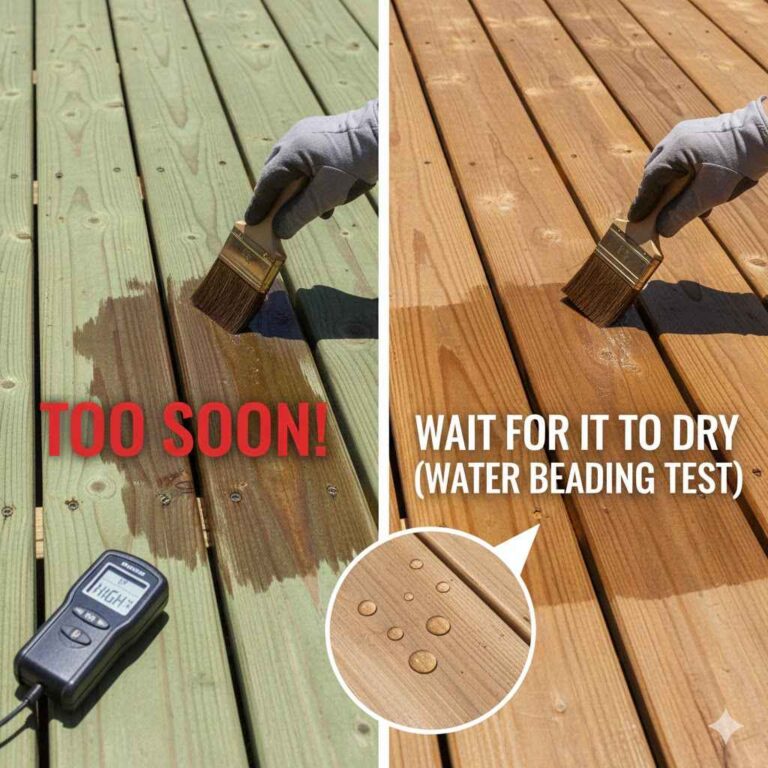
To apply a finish, follow these steps:
- Clean the wood surface thoroughly.
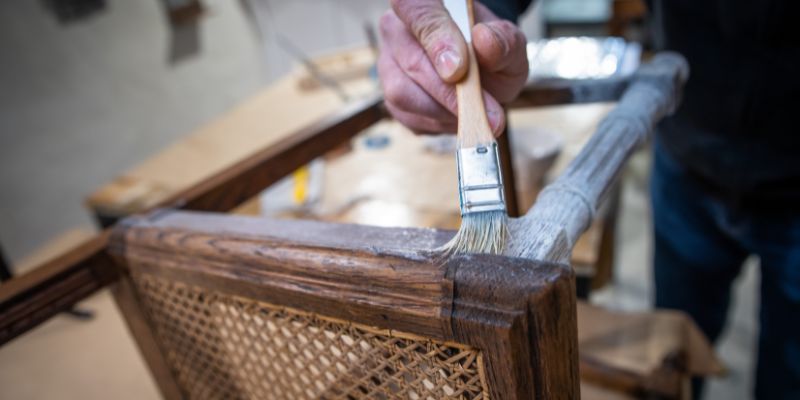
- Apply the finish using a brush or cloth.
- Allow time for drying.
- Sand lightly between coats if needed.
- Apply additional coats for extra protection.
Your choice and technique will create a beautiful and lasting effect!
Maintenance Tips for Restored Wood
Best practices for cleaning and care. How to prevent future damage.
Keeping your restored wood looking fabulous is easier than you think! Regular cleaning with a soft cloth and mild soap will keep dust bunnies at bay. Avoid harsh chemicals—they’re like the evil villains of the wood world! To prevent scratches, use coasters for drinks.
Also, be mindful of moisture; wood hates getting too soggy, like a cat in the rain!
| Tip | Description |
|---|---|
| Dust Regularly | Use a soft cloth to avoid scratches. |
| Use Mild Soaps | They clean without harmful effects. |
| Avoid Excess Moisture | Keep wood dry to prevent damage. |
Follow these tips to keep your wood smiling and shiny for years to come!
Common Mistakes to Avoid in Wood Restoration
Oversanding and its effects. Using incompatible products.
Many people jump into wood restoration full of enthusiasm, but some common blunders can turn a fun project into a funny disaster. First up, oversanding! Too much sanding can turn your beautiful wood into a sad pile of splinters.
Agreeing to *match* wood with products that don’t get along is another misstep. They could end up in a cringe-worthy showdown, not a perfect finish!
| Error | Effect |
|---|---|
| Oversanding | Splintered wood and uneven surfaces |
| Using incompatible products | Peeling and bubbling finishes |
Resources and Further Reading
Recommended books and websites. Professional services for complex restoration projects.
If you want to dive deeper into the art of wood restoration, there are some treasures out there. Books like “The Complete Manual of Woodworking” and “Woodworking Basics” are great for beginners and seasoned pros alike. Websites such as Wood Magazine and This Old House offer tons of tips and tricks. Feeling overwhelmed?
Don’t fret! Professional services are available for those tricky projects, so you don’t have to wrestle that stubborn wood alone!
| Resource Type | Title/Website |
|---|---|
| Book | The Complete Manual of Woodworking |
| Book | Woodworking Basics |
| Website | Wood Magazine |
| Website | This Old House |
| Service | Professional Restoration Services |
Conclusion
In conclusion, restoring wood can transform worn-out surfaces back to their former glory. By following the appropriate techniques, including sanding, staining, and sealing, you can rejuvenate your wooden items effectively. Whether it’s furniture, cabinetry, or flooring, investing time in wood restoration not only enhances beauty but also prolongs the life of your cherished wooden pieces.
Embrace these methods for stunning results!
FAQs
What Are The Essential Tools And Materials Needed For Restoring Wood Furniture?
To restore wood furniture, essential tools and materials include sanding tools (like sandpaper or an electric sander), wood glue for repairs, and a putty knife for applying wood filler. You will also need finishing supplies such as stain or paint, brushes, and rags for application. A sealant or varnish is important to protect the restored surface. Additionally, safety gear like masks and gloves is recommended to protect against dust and chemicals.
How Can I Identify The Type Of Finish On My Wood Surface Before Starting A Restoration Project?
To identify the type of finish on your wood surface, start by examining the sheen; glossy finishes are often lacquer or polyurethane, while matte finishes may indicate oil or wax. You can perform a small test by applying a solvent: denatured alcohol can help identify shellac, while mineral spirits can indicate oil-based finishes. If the finish softens or comes off with the solvent, it’s likely shellac or lacquer; if it remains intact, it may be a polyurethane or varnish. Lastly, consider the age and history of the piece, as it can provide clues about the type of finish used.
What Are The Best Methods For Removing Old Paint Or Varnish From Wood Without Damaging It?
The best methods for removing old paint or varnish from wood without causing damage include using a heat gun, which softens the coating for easy scraping, and applying chemical strippers that are safe for wood surfaces. Additionally, sanding with fine-grit sandpaper can help remove remaining residues while preserving the wood’s integrity. Always test any method on a small, inconspicuous area first to ensure no harm comes to the wood. Finally, follow up with a thorough cleaning to remove any remaining chemicals or debris before refinishing.
How Can I Repair Scratches And Dents In Wood Surfaces During The Restoration Process?
To repair scratches and dents in wood surfaces, start by cleaning the area to remove any dirt or debris. For small scratches, gently rub a matching wood stain or a crayon specifically designed for wood over the area to blend it in. For deeper dents, place a damp cloth over the dent and use a hot iron to steam the wood, helping it to swell back into shape. Finally, finish with a clear coat of varnish or sealant to protect the repaired area and restore its luster.
What Steps Should I Follow To Properly Stain And Seal Restored Wood For Optimal Protection And Appearance?
To properly stain and seal restored wood, start by thoroughly sanding the surface to ensure it’s smooth and clean. Next, apply a wood stain of your choice with a brush or cloth, following the grain and allowing it to penetrate for the desired color before wiping off excess. Once the stain is dry, seal the wood with a clear protective finish, such as polyurethane or varnish, using a brush or spray application for even coverage. Allow sufficient drying time between coats, typically 24 hours, and lightly sand between layers to achieve a smooth, durable finish.