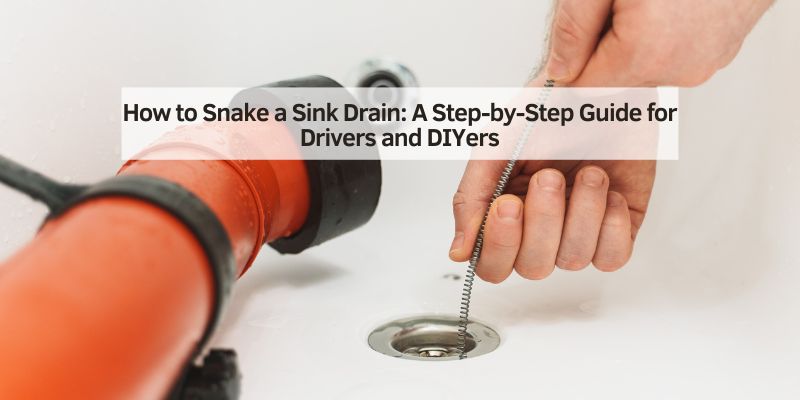
How to Snake a Sink Drain: A Step-by-Step Guide for Drivers and DIYers
Hey there! Picture this: you’re at a rest stop on a long road trip, washing your hands in the sink, and the water just won’t drain. It’s frustrating, right? I’ve been there, and as someone who loves cars and spends a lot of time on the road for my automotive blog, I’ve learned a thing or two about fixing clogged sinks. Knowing how to snake a sink drain has saved me from calling a plumber more than once, whether at home or at a friend’s place during a trip.
It’s a practical skill that’s easier than it sounds, and I’m excited to share what I’ve learned with you. Whether you’re a driver who likes to be prepared or just someone dealing with a stubborn sink, this guide will walk you through the process in a way that’s simple and fun, like we’re tackling it together at a roadside diner. Let’s dive in and unclog that drain!
Why Sink Drains Get Clogged
Before we get to snaking, let’s talk about why sinks clog in the first place. I’ve seen my fair share of clogged sinks, and it’s usually the same culprits. Hair, soap scum, grease, and food particles are big ones. In my bathroom sink, it’s mostly hair and toothpaste gunk. In the kitchen, it’s grease and bits of food from washing dishes. For drivers, think about those times you’re cleaning up at a rest stop or RV campsite—those public sinks get clogged from all sorts of stuff people rinse down.
Clogs happen when this gunk builds up in the drainpipe, blocking water flow. Over time, it can turn into a stubborn mess. I learned this the hard way when my kitchen sink started draining slower than a traffic jam. Understanding what’s causing the clog helps you know how to fix it, so let’s move on to the tools you’ll need.
Tools You’ll Need to Snake a Sink Drain
Snaking a sink drain doesn’t require a ton of fancy equipment, which is great news. I keep a small toolkit in my car for emergencies, and most of these items are easy to find. Here’s what I use:
- Drain Snake (or Auger): This is the star of the show. It’s a long, flexible cable with a coiled end to grab or break up clogs. I got a basic one for about $20 at a hardware store.
- Gloves: Trust me, you’ll want gloves. Drains can be gross, and I learned that after getting gunk on my hands.
- Bucket: A small bucket catches any water or mess that comes out. I use an old one from my garage.
- Plunger: Sometimes, a quick plunge can loosen things before snaking. I keep a small one in my toolkit.
- Screwdriver or Wrench: You might need these to remove the drain cover or P-trap.
- Rags or Towels: These are handy for cleaning up spills. I always have some in my car for road trips.
- Flashlight: It helps you see under the sink. My phone’s flashlight works in a pinch.
You can find these at any hardware store or even online. I keep my drain snake in my car for emergencies, like when I stayed at a friend’s RV and their sink backed up. Now, let’s get to the prep work.
Preparing to Snake the Sink Drain
Before you start snaking, you need to set things up. I made the mistake of diving in once without prep, and let’s just say it was a wet mess. Here’s how I do it now:
First, clear out the area under the sink. I move any cleaning supplies or random stuff stored there. It gives you room to work and keeps things dry. Next, put on your gloves—trust me, it’s worth it. Place a bucket under the sink to catch any water that spills. I also laid down a towel to soak up drips.
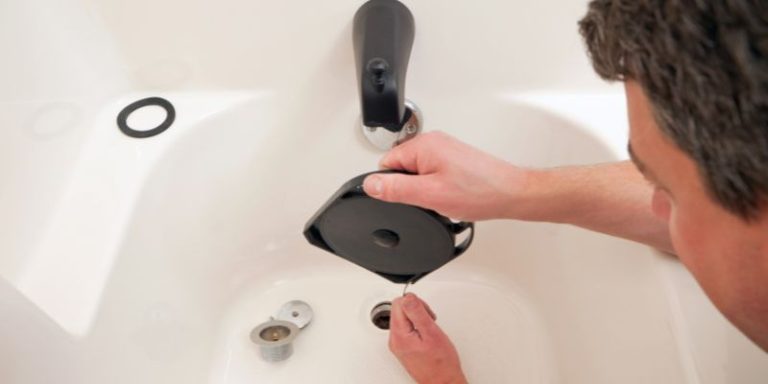
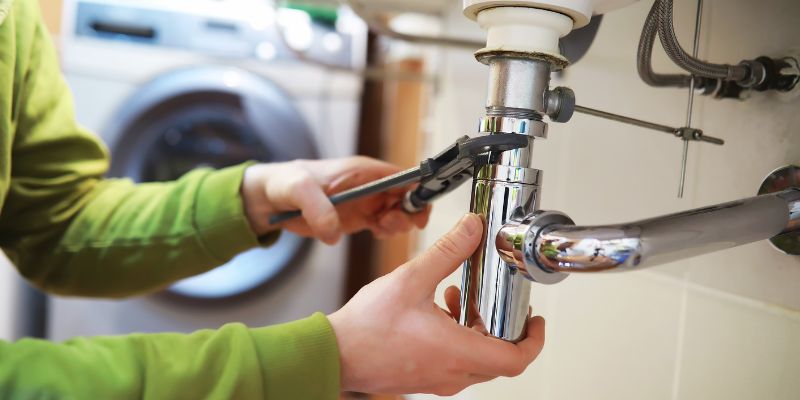
If your sink has a pop-up stopper, you’ll need to remove it. I use a screwdriver to loosen the screw under the sink that holds it in place. Sometimes, you can just pull it out. Check your sink’s setup, as some are trickier. If the clog might be in the P-trap (that curved pipe under the sink), you can unscrew it with a wrench. I did this once and found a huge glob of grease—gross but satisfying to remove.
Finally, turn off the water supply to the sink if you’re removing the P-trap. I forgot this once, and water went everywhere. Now you’re ready to snake!
How to Snake a Sink Drain: Step-by-Step
Alright, here’s the part you’ve been waiting for. Snaking a sink drain is straightforward once you get the hang of it. I’ve done this a few times, and it feels like a small victory every time the water flows again. Here’s how I do it:
Step 1: Insert the Snake
Take your drain snake and push the coiled end into the drain opening. If you removed the stopper or P-trap, go straight into the pipe. I start by gently pushing the snake in, feeling for resistance. The first time I tried this, I was nervous about pushing too hard, but the snake is designed to bend through the pipes.
Step 2: Push and Turn
As you push the snake, turn the handle (if it’s a hand-crank model). This helps the snake move around bends in the pipe. I usually go slow, feeling for the clog. Sometimes, you’ll hit a spot where it feels stuck—that’s likely the clog. Keep turning and pushing gently. If you’re using a zip-it tool (a cheap plastic snake), just push and pull it in and out.
Step 3: Break Up or Grab the Clog
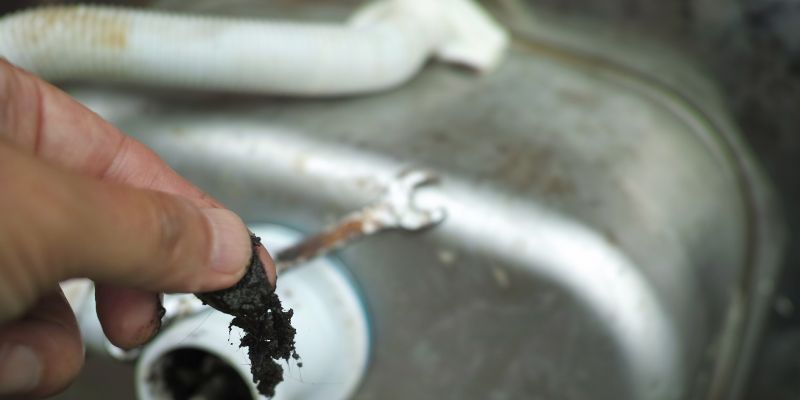
When you hit the clog, you’ll feel resistance. I wiggle the snake and turn it to either break up the clog or hook it. For hair clogs, the snake grabs the gunk, and you can pull it out. For grease or food, it might break up and flush through. I had a hair clog once that came out looking like a small monster—yuck!
Step 4: Pull Out the Snake
Once you feel the clog give way, slowly pull the snake out. I do this carefully to avoid splashing gunk. If you’ve hooked something, it’ll come out with the snake. Have your bucket ready for any mess. I always check what comes out—it’s satisfying to see the culprit.
Step 5: Test the Drain
Run some water to see if the drain flows. I usually start with a trickle to avoid a mess. If it’s still slow, you might need to snake again or try plunging first. When I snaked my kitchen sink, it took two tries to fully clear a greasy clog.
Step 6: Clean Up
Rinse the snake with hot water and soap to clean it. I also wipe down the sink and pipes with a rag. If you removed the P-trap, reattach it tightly to avoid leaks. Turn the water supply back on and check for leaks. I learned to double-check this after a small drip turned into a bigger problem.
Here’s a quick table summarizing the steps:
| Step | What to Do | Tips |
|---|---|---|
| Insert Snake | Hair clogs the hook, grease breaks up | Go slow, feel for resistance |
| Push and Turn | Turn the handle to navigate the pipes | Be gentle around bends |
| Break Up Clog | Have a bucket ready for gunk | Wiggle and turn to grab or break the clog |
| Pull Out Snake | Run water to check the flow | Remove the snake slowly |
| Test Drain | Rinse the snake, reattach parts | Start with a trickle |
| Clean Up | Rinse snake, reattach parts | Check for leaks |
Common Mistakes to Avoid
I’ve made a few blunders while snaking drains, so let me save you some trouble. Don’t push the snake too hard—you could damage the pipes. I got overzealous once and bent a cheap snake. Also, don’t skip the bucket or gloves; the mess is real. Another mistake is ignoring a slow drain after snaking. If it’s not fully clear, try again or check the P-trap. Finally, don’t use chemical drain cleaners before snaking—they can splash and burn you. I learned that from a close call with a harsh cleaner.
When Snaking Doesn’t Work
Sometimes, snaking doesn’t do the trick. I had a stubborn kitchen clog that wouldn’t budge. If this happens, try plunging first to loosen the clog. You can also check the P-trap for gunk—mine was packed with grease. If it’s still clogged, the problem might be deeper in the pipes, like in the main drain line. That’s when I call a plumber. I’ve learned it’s better to admit defeat than risk breaking something.
Preventing Future Clogs
After dealing with a few clogs, I’ve gotten better at preventing them. Here’s what works for me:
- Use a Drain Strainer: I put strainers in my bathroom and kitchen sinks to catch hair and food. They’re cheap and easy to clean.
- Flush with Hot Water: Once a week, I pour a kettle of hot (not boiling) water down the kitchen sink to melt grease.
- Avoid Grease: I never pour grease down the drain. I collect it in a jar and toss it in the trash.
- Clean Regularly: I snake my drains every few months as maintenance, even if they’re not clogged.
- Be Mindful at Rest Stops: When using public sinks, I avoid rinsing big chunks of food or gunk. It helps keep those drains clear for everyone.
Why This Matters for Drivers
If you’re a driver, a clogged sink can be a real pain, especially at a campsite or a friend’s place. I’ve been at RV parks where the sink was sluggish, and knowing how to snake it saved the day. Plus, carrying a drain snake in your car is like having a spare tire—it’s a small tool that can fix a big problem. Being prepared means you can handle these issues without derailing your trip. I’ve even helped a fellow camper snake a sink, and it felt great to share the know-how.
Safety Tips
Snaking a drain is safe if you’re careful. I always wear gloves to avoid gross stuff and protect my hands. If you’re using a power snake (like a drill attachment), go slow to avoid splashing. Keep kids and pets away from the work area—I learned this when my dog tried to “help.” If you’re working with the P-trap, make sure the water’s off to avoid a flood. And never mix snaking with chemical cleaners; the combo can be dangerous.
When to Call a Plumber
I love DIY fixes, but sometimes you need a pro. If you’ve snaked the drain and it’s still clogged, or if you see water backing up in multiple drains, the issue might be in the main line. I had this happen at home, and a plumber found a tree root in the pipes. Also, if you’re not comfortable removing the P-trap or using a snake, don’t risk it. A plumber’s fee is worth avoiding a bigger mess.
Tools for Drivers on the Go
As a driver, I keep a compact toolkit in my car for situations like this. A basic drain snake (like a zip-it or hand-crank model) fits easily in a trunk. I also carry gloves, a small bucket, and a multi-tool for screws or the P-trap. These have come in handy at campsites or rentals. If you’re on a long trip, check for hardware stores along your route in case you need a snake. I’ve found them at gas stations with auto sections, too.
Why Snaking a Sink Drain Is Empowering
Learning to snake a sink drain has been a game-changer for me. It’s not just about fixing a clog—it’s about feeling capable and prepared. Whether I’m at home or on the road, I know I can handle a sluggish sink without panic. It’s a small skill that saves time, money, and stress. Plus, there’s something satisfying about pulling out a clog and watching the water flow freely again. It’s like clearing a roadblock on a highway!
Conclusion
There you go—everything I’ve learned about how to snake a sink drain. From grabbing the right tools to avoiding common mistakes, this skill is easier than it looks and super useful, especially for drivers like us. I’ve gone from stressing over a clogged sink to tackling it with confidence, and you can too. Whether you’re at home, on a road trip, or helping a friend, snaking a drain is a practical fix that keeps things flowing. So, grab a snake, keep some water handy, and hit the road knowing you’re ready for anything—even a stubborn sink. Here’s to clear drains and smooth travels!
Frequently Asked Questions
What kind of drain snake should I buy?
A basic hand-crank snake or zip-it tool works great for most sinks. I got a $15 zip-it for my bathroom and a $20 crank snake for tougher clogs. They’re easy to use and store in my car.
Can I snake a sink drain without removing the P-trap?
Yes, you can! I often snake right through the drain opening. But if the clog’s in the P-trap, removing it makes things easier. Just have a bucket ready for spills.
How do I know if the clog is too deep for snaking?
If snaking doesn’t work after a couple of tries, or if multiple drains are slow, the clog might be in the main line. I had this once and needed a plumber to fix a root issue.
Is it safe to use chemical drain cleaners with a snake?
No way! I learned this the hard way. Chemicals can splash and burn you when snaking. Stick to the snake or hot water to be safe.
How often should I snake my drains to prevent clogs?
I snake my drains every few months, even if they’re fine. It’s like car maintenance—keeps things running smoothly.
Can I prevent sink clogs without snaking?
Totally! I use drain strainers to catch hair and food, and I pour hot water down weekly to melt grease. Regular cleaning and avoiding grease down the drain helps a lot.