How to Stop Water from Coming Under Door Threshold: A Homeowner’s Guide to Dry Floors
Hey there, buddy! So, you’ve got water sneaking under your door threshold, and it’s driving you up the wall? I hear you—there’s nothing worse than mopping up puddles in your entryway after a rainstorm. I’ll never forget the time I found my living room rug soaked because water was creeping under my front door. It was a mess, but it pushed me to figure out how to fix it for good. Whether you’re dealing with stormy weather, a poorly sealed door, or just want to keep your floors dry, stopping water from getting under the threshold is something you can tackle with a bit of know-how. I’ve tried all sorts of fixes, made some mistakes, and learned what really works.
Let’s sit down, like we’re chatting in your garage, and I’ll walk you through every step to keep that water out. This guide is packed with practical tips, easy solutions, and a touch of encouragement for anyone in the USA ready to take on this project. Ready to keep your home dry? Let’s dive in!
Understanding Why Water Gets Under the Door
First, let’s talk about why this happens. Water finds its way under a door threshold when there’s a gap or weak seal between the door and the floor. Rain, snowmelt, or even a garden hose left running can slip through these openings. I noticed this at my house during a big storm—the water just poured under the back door like it owned the place.
Common causes include worn-out weatherstripping, a damaged or uneven threshold, or a door that’s not sitting right. Sometimes, the ground outside your door slopes the wrong way, sending water straight to the gap. My side door had this problem because the patio was tilted toward the house, pooling water right at the threshold. Knowing what’s causing the leak helps you choose the right fix, whether it’s a quick patch or a bigger overhaul.
Inspecting Your Door and Threshold
Before you start fixing anything, take a good look at the problem. I once bought a new door sweep without checking what was wrong, and it didn’t help at all. Here’s how I scope things out now:
Open the door and check the threshold—that strip at the bottom where the door meets the floor. Look for cracks, wear, or gaps. I use a flashlight to spot tiny openings that water can sneak through. Close the door and see if you can see daylight under it—that’s a sure sign of a bad seal. Check the weatherstripping along the door’s bottom and sides for tears or missing pieces.
Head outside next. Is water pooling by the door? Check the slope of the ground or porch. My front porch had a dip that held water like a little pond. Look at your gutters and downspouts, too—clogged ones can dump water right at the door. Jot down what you find to plan your attack.
Gathering Tools and Supplies
To stop the water, you’ll need some basic tools and materials. I keep a toolbox ready for home projects, and having the right stuff makes this job a breeze. Here’s what I grab:
- Weatherstripping: Rubber or vinyl strips to seal gaps.
- Door Sweep or Threshold Seal: A strip for the door’s bottom to block water.
- Replacement Threshold (Optional): If yours is too damaged to save.
- Silicone Caulk: For sealing cracks around the threshold.
- Caulk Gun: To apply caulk neatly.
- Screwdriver: For removing or adjusting thresholds and sweeps.
- Utility Knife: To cut weatherstripping or old caulk.
- Tape Measure: To measure your door and threshold.
- Cleaning Supplies: Soap, water, and a rag to clean the area.
- Level: To check if the door or threshold is straight.
- Hacksaw (Optional): For cutting a new threshold to size.
- Safety Glasses and Gloves: To keep you safe from sharp edges or chemicals.
These are affordable—weatherstripping costs $5-$20, and a new threshold is about $20-$60 at any hardware store. I snagged a heavy-duty door sweep for $12, and it’s been a lifesaver. Measure your door’s width (usually 36 inches) to get the right size materials.
Preparing the Work Area
A little prep makes the job smoother. I skipped cleaning once, and my new caulk didn’t stick right because of dirt. Here’s how I set up now:
Clean the threshold and door bottom with soap and water. Scrub away grime or old caulk with a sponge or brush. I use a toothbrush for tight corners. Dry everything with a clean rag—wet surfaces mess up adhesives. If the threshold is loose, tighten its screws with a screwdriver. If it’s cracked or warped, you’ll need to replace it, which we’ll cover later.
Outside, clear away leaves, dirt, or debris from the doorstep. I sweep the area and make sure downspouts are pointing away from the door. If the ground slopes toward the door, you may need to fix that, but let’s focus on the door first.
Quick Fixes to Stop Water Leaks
Let’s start with some easy solutions. These worked for me when the leak was small, and they’re perfect for beginners. Here’s what I do:
Step 1: Add or Replace Weatherstripping
Weatherstripping seals gaps around the door. Check the bottom of your door for a sweep—a rubber strip that brushes the threshold. If it’s torn or gone, get a new one. I picked up an adhesive door sweep, cut it to fit with a utility knife, and stuck it to the door’s bottom. Make sure it just touches the threshold when the door closes—too tight, and the door won’t shut easily.
For the door’s sides and top, use adhesive rubber or foam weatherstripping. Clean the frame, peel off the backing, and press it in place. I did this on my front door, and it stopped water and drafts right away. Test the door to make sure it closes smoothly.
Step 2: Seal with Silicone Caulk
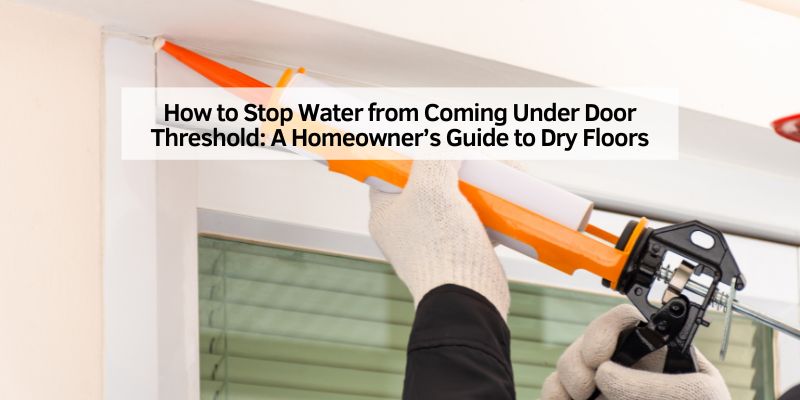
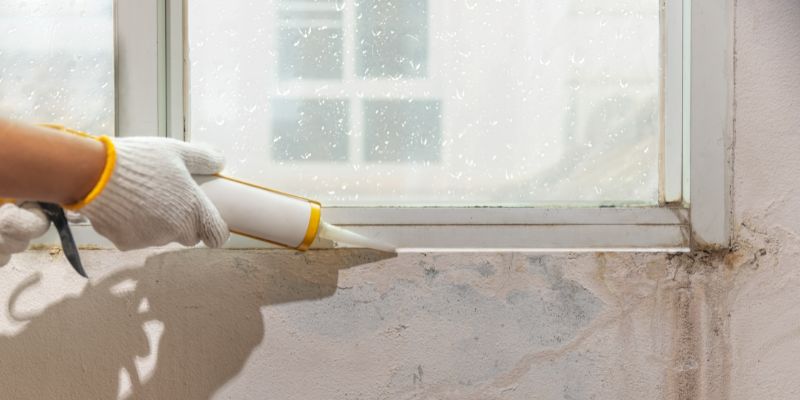
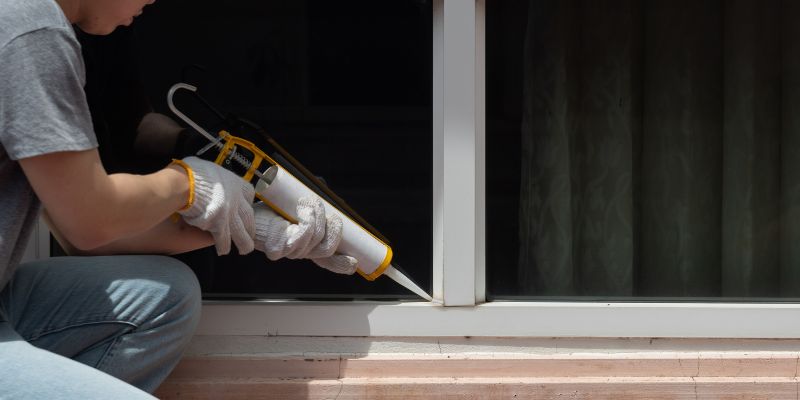
Caulk fills cracks around the threshold. I use clear silicone caulk because it’s waterproof and stays flexible. Cut the caulk tube’s tip at an angle, load it into the caulk gun, and run a thin bead along the threshold’s edges where it meets the floor or frame. Smooth it with your finger or a caulk tool for a clean finish.
I caulked my back door’s threshold, and it stopped leaks during light rain. Let the caulk dry for 24 hours before stepping on it. If there’s old caulk, scrape it off with a utility knife first.
Step 3: Adjust or Upgrade the Door Sweep
If your door has a sweep but water’s still getting in, it might be misaligned. Screw-on sweeps can be adjusted—loosen the screws, move the sweep so it brushes the threshold, and retighten. I fixed my side door this way, and it sealed the gap perfectly.
If the sweep is too worn, replace it with a sturdier one. Measure the door’s width and cut a new sweep to fit. I upgraded to a heavy-duty vinyl sweep, and it’s held up through two winters.
Replacing a Worn-Out Threshold
If your threshold is damaged—cracked, warped, or rusted—quick fixes might not be enough. I had to replace my front door’s threshold when it started falling apart after years of weather. Here’s how I do it:
Step 1: Remove the Old Threshold
Close the door and unscrew the old threshold with a screwdriver. Most are held by screws into the floor or frame. If it’s stuck, pry it gently with a flathead screwdriver. I had to wiggle mine to break the old caulk’s grip. Lift it out and clean the area with a rag.
Step 2: Measure and Trim the New Threshold
Measure the width of the door frame with a tape measure. Buy a new threshold that matches—aluminum or wood are durable choices. If it’s too long, cut it with a hacksaw. I got an aluminum threshold and trimmed it to fit my 36-inch door. Test-fit it to make sure it sits flat and even.
Step 3: Install the New Threshold
Place the threshold in the doorway. Use a level to check that it’s straight—shim it with thin wood strips if it’s uneven. Screw it into place with the provided screws, drilling pilot holes if the floor is tough. I used a drill to speed this up. Apply silicone caulk around the edges to seal it tightly.
Step 4: Check the Door’s Fit
Open and close the door to test the seal. The sweep should lightly touch the new threshold. If it’s too tight, adjust the sweep or sand the threshold slightly. I had to tweak my door’s sweep after this, but it gave me a perfect seal.
Fixing External Water Issues
Sometimes, the problem isn’t just the door—it’s the water outside. My back porch was a nightmare because water pooled right at the door during storms. Here’s how I tackle external fixes:
- Redirect Water: Make sure gutters and downspouts send water away from the door. I added a $15 splash block to my downspout to divert water into the yard.
- Correct Sloping: If the ground slopes toward the door, add soil, gravel, or concrete to slope it away. I piled gravel by my back door, and it stopped pooling.
- Add a Canopy: A small awning or canopy keeps rain off the door. I installed one over my side door for $60, and it cut down on water buildup.
- Keep Drains Clear: If your porch has a drain, clean out leaves or dirt. I check mine monthly to prevent clogs.
Maintaining Your Door and Threshold
Once you’ve stopped the leak, regular upkeep keeps it that way. I inspect my doors every few months for wear. Clean the threshold and sweep with soap and water to remove dirt. Check weatherstripping and caulk for cracks—replace or reapply as needed. I re-caulked my front door last fall, and it’s still watertight.
Lubricate door hinges with a drop of oil to keep them moving smoothly. Check the door’s alignment—settling can create new gaps. I tightened my back door’s hinges once to fix a slight sag that let water in.
Choosing the Best Materials
Not all seals are created equal. I go for rubber or vinyl door sweeps—they’re tough and flexible. For thresholds, aluminum is my pick for exterior doors because it resists rust. Silicone caulk is the best for sealing—it’s waterproof and lasts for years. Avoid cheap foam weatherstripping; it tears easily. I learned this when a $3 strip fell apart after one storm.
Here’s a table to summarize fixes:
| Issue | Fix | Cost | Tips |
|---|---|---|---|
| Gaps Under Door | Ensure light contact with the threshold | $5-$20 | Replace with an aluminum threshold |
| Cracked Threshold | Apply silicone caulk | $5-$10 | Smooth bead, dry for 24 hours |
| Damaged Threshold | Slope the ground away from door | $20-$60 | Level it, caulk edges |
| Water Pooling Outside | Redirect downspouts, add gravel | $10-$60 | Slope the ground away from the door |
Why Tackle This Yourself?
Fixing a leaky threshold yourself saves cash and feels great. I dodged a $200 contractor bill by doing it myself, and it took just a few hours. It’s a project that builds confidence for other home fixes, like sealing windows or repairing a screen door. Every time I walk through my dry entryway, I’m proud I took care of it.
Handling Stubborn Leaks
If water keeps coming in, don’t lose hope. I had a leak that wouldn’t quit until I found a crack in the door frame. Check for:
- Tiny Gaps: Use a flashlight to spot hidden cracks in the frame or threshold.
- Door Misalignment: A sagging door creates gaps. Tighten hinges or adjust the frame.
- Weatherstripping Issues: Ensure it’s snug but not too tight.
- External Leaks: Check for water from above, like a bad roof seal.
If it’s a bigger issue, like a structural problem, call a pro. I hired someone to fix a porch slope once, but most threshold leaks are DIY-friendly.
Boosting Your Home’s Protection
Stopping water under the door protects your home from mold, rot, and damage. My entryway used to smell musty, but now it’s fresh and dry. A sealed door also saves energy by blocking drafts. I noticed my heating bill dipped after fixing my doors.
Wrapping It Up with a Dry Home
Hey, friend, you’re now ready to stop water from sneaking under your door threshold like a pro! From slapping on a new door sweep to sealing with caulk, you’ve got all the tools to keep your floors dry and your home happy. I remember how mad I was at those wet rugs, but solving it myself turned a headache into a win. Grab your supplies, take it slow, and enjoy the satisfaction of a watertight door. You’ll love stepping into a dry home, even in the worst weather. So, go fix that leak, and tell me how it feels to beat it—I’m rooting for you!
FAQ: Your Questions Answered
What’s the easiest way to stop water under a door threshold?
Add a new door sweep or apply silicone caulk. Both are quick and cheap fixes.
How do I know if I need a new threshold?
If it’s cracked, warped, or rusted, and caulk doesn’t help, replace it.
Can I fix this without replacing the threshold?
Yes, try weatherstripping or caulk first. They work for most small leaks.
What if water pools outside the door?
Redirect downspouts, add gravel, or install an awning to divert water.
How often should I check my door’s seal?
Every 3-6 months, or after big storms. Replace worn seals quickly.
Is silicone caulk better than other types?
Yes, it’s waterproof and flexible, perfect for thresholds.
Can I use these fixes on a metal door?
Sure thing. The steps are the same, just ensure sweeps fit metal doors.