How to Store a Chainsaw Without Oil Leaks
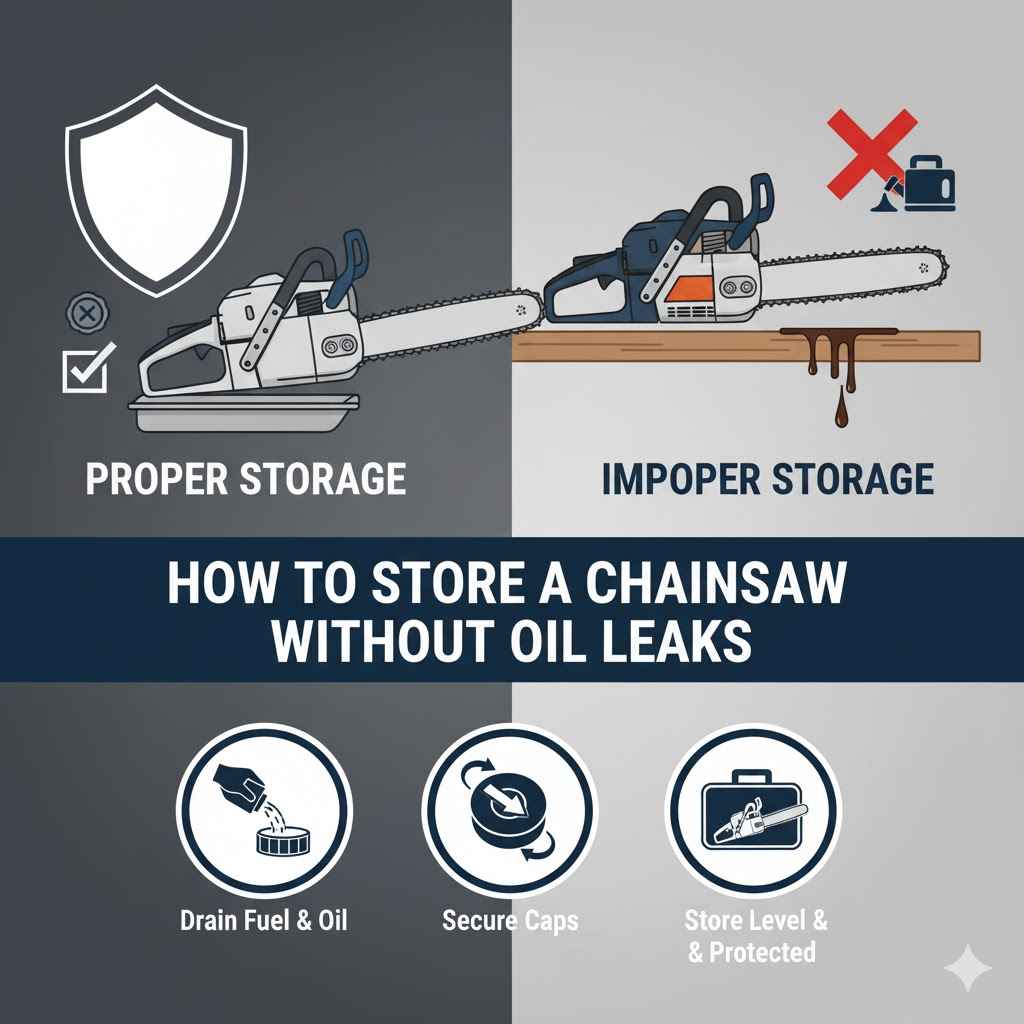
Storing a chainsaw can be tricky, especially when you want to avoid messy oil leaks. Many people run into problems with oil dripping out, making a mess in their garage or shed. This can happen if the chainsaw isn’t stored the right way. But don’t worry, it’s much easier than you think! We’ll show you exactly what to do, step by step, so you can keep your chainsaw clean and ready to go next time. Get ready for a simple guide that solves all your storage worries.
Preparing Your Chainsaw for Storage
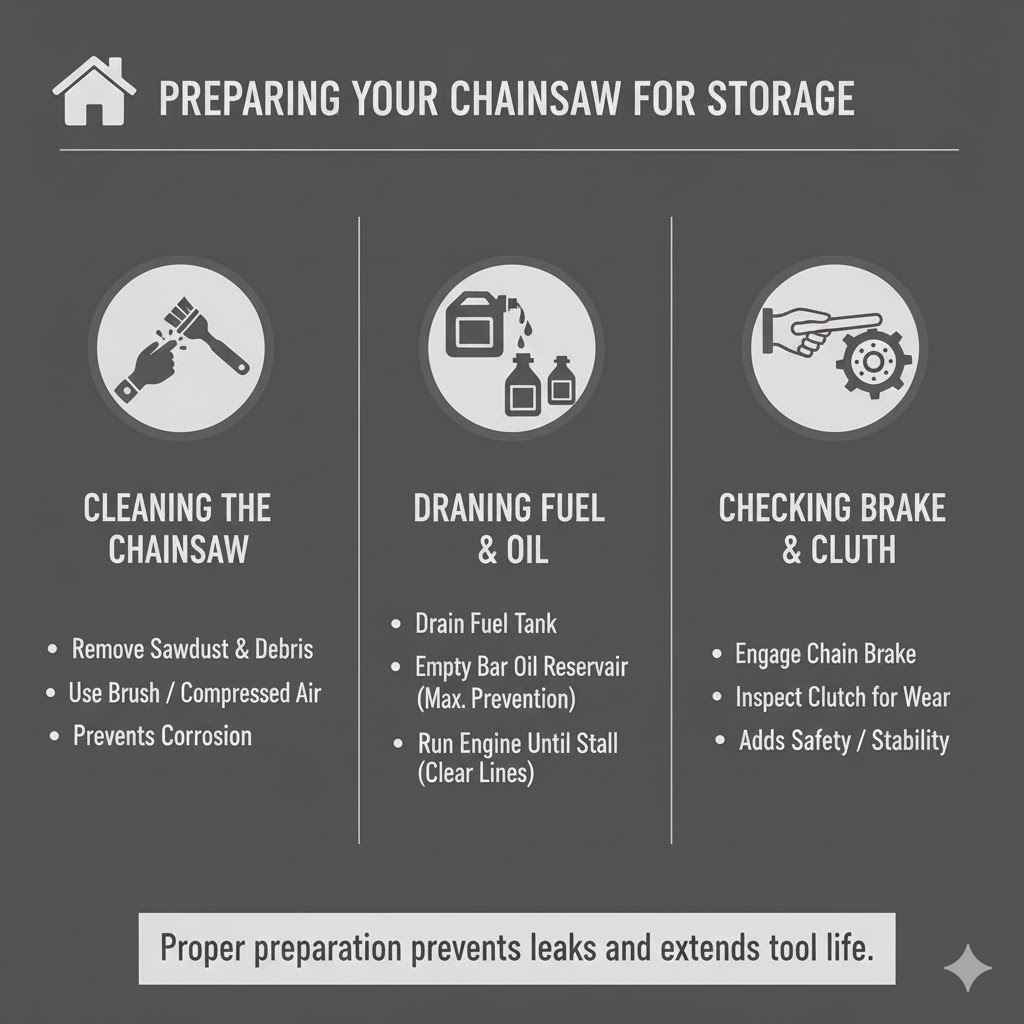
Proper preparation is the first step to ensure your chainsaw doesn’t leak oil when stored. This involves several key actions that safeguard both the tool and your storage space. Ignoring these steps can lead to unfortunate messes and potential damage to your equipment over time. Taking a few extra minutes now saves you a lot of trouble later.
Cleaning the Chainsaw
A clean chainsaw is less likely to have issues with oil seepage. Remove sawdust, wood chips, and any debris from the bar, chain, and body of the saw. Use a brush or compressed air for this.
Cleaning removes any residue that could interfere with seals or cause corrosion. Keeping the saw clean makes it easier to spot any potential damage that might lead to leaks later on. It also helps maintain the saw’s overall condition for longer use.
Draining or Reducing Fuel and Oil
This is perhaps the most critical step for preventing leaks. For long-term storage, it’s best to drain the fuel tank completely. This prevents fuel from degrading and creating varnish in the carburetor. Similarly, for the bar and chain oil, you have a few options.
Emptying the bar oil reservoir helps prevent leaks, especially if the saw is stored on its side. Some suggest leaving a small amount to lubricate the chain and bar, but for maximum leak prevention, empty it entirely. This ensures no oil can escape from the tank or the oiler system.
Running the engine until it stalls after draining the fuel ensures all fuel is out of the lines and carburetor. This prevents gumming up the engine’s delicate parts over time. It’s a standard procedure for any engine that will sit for an extended period.
Checking the Chain Brake and Clutch
Ensure the chain brake is engaged. This adds an extra layer of safety and can help secure the chain. Inspect the clutch for any signs of wear or damage, as a failing clutch could contribute to oil distribution issues.
A functional chain brake is vital for safety. When stored, it also acts as a mechanical lock, adding stability. This prevents accidental chain movement, which is especially important if any residual oil is present.
The Best Storage Positions for Your Chainsaw
Where and how you position your chainsaw during storage significantly impacts the likelihood of oil leaks. Storing it upright is the simplest and most effective method for preventing gravity from working against you. However, if space is tight, there are still ways to store it horizontally with added precautions.
Storing Upright
Storing your chainsaw in an upright position is the most straightforward method to prevent oil leaks. This is because the bar oil reservoir is typically designed to seal effectively when the saw is vertical. Gravity keeps any oil contained within the tank.
The upright position means the oil level is below any potential weak points in the tank seals. This eliminates the pressure that gravity would otherwise exert on those seals if the saw were stored horizontally or upside down. It’s the most natural position for the saw’s components.
Storing Horizontally with Precautions
If you must store your chainsaw horizontally due to space constraints, taking extra steps is necessary. This usually involves ensuring the bar oil reservoir is completely empty or using specialized bags to contain any potential leaks.
If the bar oil reservoir is empty, the horizontal position poses no leak risk from that component. The focus then shifts to ensuring the fuel system is sealed or empty. Some experts recommend storing the saw on its side with the carburetor facing upwards to prevent fuel leakage if any remains.
Using a specialized chainsaw storage bag designed to be oil-resistant can provide an excellent secondary layer of protection. These bags are often made of durable, impermeable materials that can catch any minor drips that might escape.
Using a Chainsaw Storage Bag
A good quality chainsaw storage bag can be a lifesaver for preventing messes. These bags are often made from heavy-duty, oil-resistant materials designed to contain spills. They also protect the saw from dust and damage.
A sealed bag creates a contained environment. If any small amount of oil were to seep out, it would be held within the bag, preventing it from spreading onto shelves or floors. This is particularly useful for older chainsaws where seals might not be as tight.
Long-Term Chainsaw Storage Best Practices
For chainsaws that won’t be used for several months, more involved preparation is recommended. This ensures the saw remains in top condition and is ready to perform when needed again. These steps go beyond basic leak prevention and focus on overall preservation.
Fuel System Care
For long-term storage, it’s essential to treat the fuel system properly. If you drain the fuel, consider running the engine for a few seconds to clear the lines. Alternatively, you can use a fuel stabilizer.
Fuel stabilizers prevent gasoline from breaking down and forming gummy deposits. These deposits can clog fuel lines and the carburetor, leading to starting problems. Adding a stabilizer and letting the engine run for a few minutes ensures it circulates throughout the fuel system.
Stabilizers work by preventing oxidation, which is the chemical process that causes fuel to degrade. This is especially important for modern fuels that contain ethanol, which can absorb moisture and separate. A properly stabilized fuel system is key for easy restarts after storage.
Lubrication and Protection
While draining bar oil is key for preventing leaks, other parts of the chainsaw might benefit from light lubrication. A light coating of oil on the chain and bar can prevent rust.
Applying a light coating of bar and chain oil or a rust-inhibiting spray to the chain and bar protects them from corrosion. This is especially important in humid environments. Ensure the oil or spray doesn’t make the chain excessively slick if you plan to store it in a way that might cause leaks.
The moving parts of the chainsaw, like the clutch and sprocket, should be checked. A very light application of oil might be appropriate for these areas if recommended by the manufacturer, but avoid over-oiling.
Storing Accessories
Don’t forget about your chainsaw accessories. Store extra chains, files, and maintenance tools in a separate, organized container. This keeps everything together and prevents damage.
Keeping accessories organized means you won’t have to search for them when you need them. A dedicated toolbox or kit for your chainsaw tools is ideal. This also protects them from dirt and moisture.
Addressing Specific Chainsaw Components and Leaks
Understanding how specific parts of your chainsaw can contribute to leaks is helpful. This allows you to focus your attention on these areas during preparation and storage.
Bar and Chain Oil Reservoir
This is the most common culprit for oil leaks. The reservoir itself, its cap, and the oil pump system are key areas to inspect.
The reservoir cap needs to be securely tightened. If the seal is damaged or worn, it won’t create a tight closure, allowing oil to escape. Always check the rubber gasket or O-ring on the cap for cracks or stiffness.
The oil pump mechanism can also be a source of leaks, especially if it’s damaged or if the seals within it are worn. While this is harder to fix yourself, proper preparation can mitigate its impact.
Fuel Tank and Cap
While less common for oil leaks, fuel tank issues can still cause problems if mixed with oil or if the tank is damaged. Ensure the fuel cap is also properly sealed.
The fuel cap on a chainsaw usually has a vent to equalize pressure. If this vent becomes clogged, pressure can build up. However, this is more likely to cause fuel to be forced out rather than oil leaks. The primary concern here is fuel integrity for storage.
Engine Seals and Gaskets
The engine itself has various seals and gaskets to prevent oil from leaking out of the crankcase. While less common for bar oil leaks, these can be a source of engine oil leaks if the saw uses a separate engine oil system or if there’s internal oil mixing.
Engine seals prevent lubrication oil from escaping the engine’s moving parts. Over time, these seals can dry out, crack, or wear down. If you notice engine oil leaks, it might indicate a need for seal replacement. This is a more serious repair issue.
The Importance of a Clean Chain and Bar
Keeping the chain and bar clean is not just about performance; it also plays a role in leak prevention. Excess gunk can prevent proper sealing around components.
A buildup of sawdust and oil residue on the bar and chain can act like a wick, drawing oil out of small crevices or unsealed areas. Cleaning this off ensures a clean surface for inspection and reduces the chance of accidental oil transfer.
Real-World Scenarios and Solutions
Let’s look at a couple of common situations people face when storing chainsaws and how to deal with them effectively. These examples highlight the practical application of the storage advice.
Scenario 1 The Garage Floor Mess
John stores his chainsaw in his garage on a shelf. Every few months, he notices a small puddle of oil underneath it. He’s worried about damaging his tools and making his garage messy.
Problem: Likely a slightly loose bar oil cap or a minor leak from the reservoir seal, exacerbated by the chainsaw being stored horizontally or at an angle on the shelf.
Solution: John needs to ensure his bar oil reservoir is completely empty before storing the saw. He should also clean the reservoir cap and the area around it, then tighten it firmly. If the leak persists, he might need to replace the cap’s gasket or consider a specialized storage bag for the saw. Storing the saw upright on its handle, if possible, would also solve this.
Scenario 2 The Winter Storage Dread
Sarah is putting her chainsaw away for the winter. She wants to make sure it’s protected and won’t have any issues when spring comes around. She’s heard stories about old fuel causing problems.
Problem: Potential for degraded fuel in the tank and carburetor, and the risk of bar oil leaks if not prepared correctly.
Solution: Sarah should add a fuel stabilizer to her gas tank and run the engine for a few minutes to circulate it. She should then empty the bar oil reservoir completely. After cleaning the saw, she can store it upright in a clean, dry place, perhaps inside a chainsaw storage bag for extra protection against dust and minor drips.
Statistics on Chainsaw Storage Issues
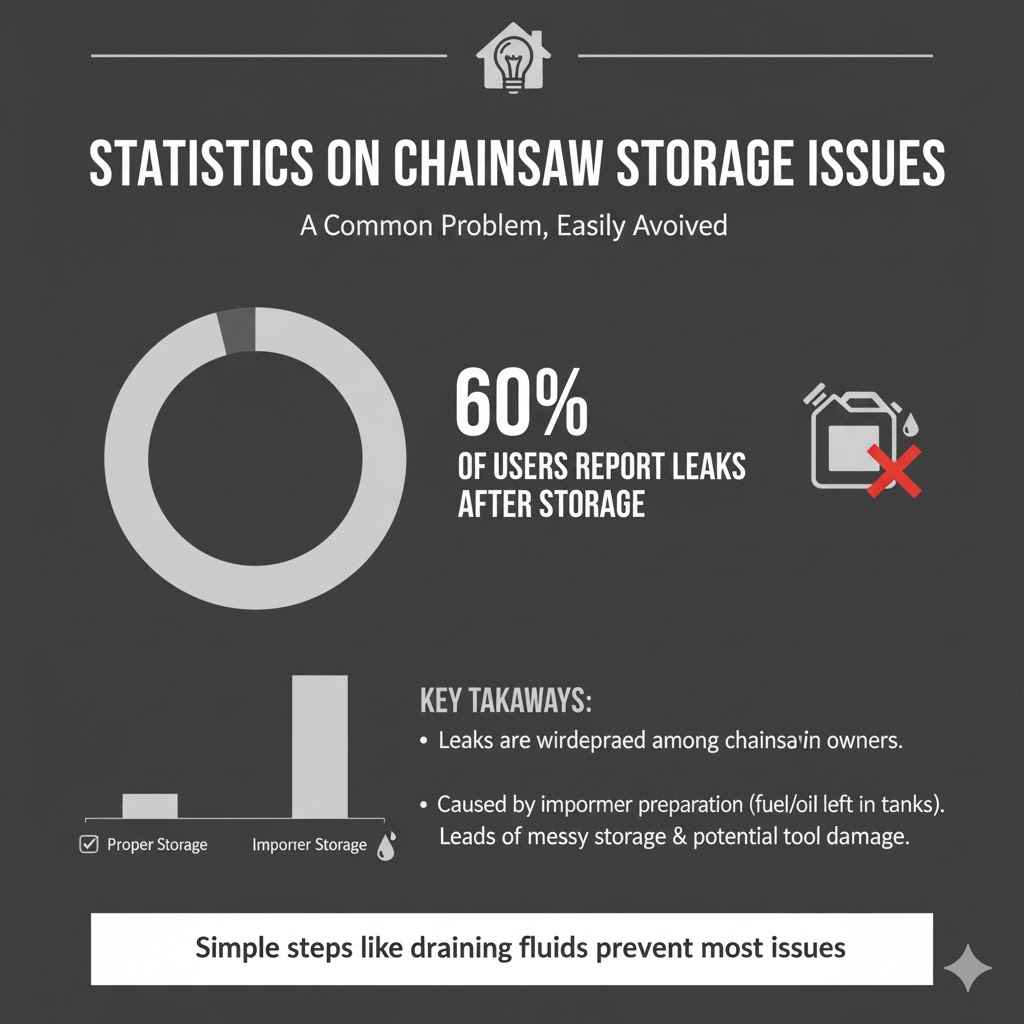
While exact statistics on chainsaw oil leaks are hard to come by, anecdotal evidence and repair shop reports suggest it’s a common issue. Many users underestimate the importance of proper preparation for storage.
A survey conducted by a popular outdoor equipment forum found that over 60% of users reported experiencing some form of oil or fuel leak from their chainsaw after a period of storage. This highlights a widespread problem that can be easily avoided.
Frequently Asked Questions
Question: How do I know if my chainsaw is suitable for horizontal storage
Answer: If your chainsaw’s bar oil reservoir has a well-sealed cap and you’ve ensured it’s completely empty before storage, it’s generally suitable for horizontal storage. However, upright storage is always the safest bet to prevent any potential leaks.
Question: Should I leave oil in the bar and chain for storage
Answer: No, for long-term storage, it is best to drain the bar and chain oil reservoir completely to prevent leaks. You can re-lubricate the chain and bar when you are ready to use the saw again.
Question: What if I notice an engine oil leak, not bar oil
Answer: An engine oil leak indicates an issue with the internal engine seals or gaskets. This is a more serious problem that might require professional repair or specific mechanical knowledge to fix.
Question: Can I store my chainsaw in a shed
Answer: Yes, a shed is a good place to store a chainsaw, provided it is dry and protected from extreme temperatures. Ensure the area is well-ventilated and the saw is stored securely to prevent accidents.
Question: How often should I check my stored chainsaw
Answer: For long-term storage, checking your chainsaw every few months is a good idea. This allows you to spot any potential issues, like developing leaks or signs of damage, early on.
Summary
Storing your chainsaw without oil leaks is achievable. Emptying the bar oil reservoir is key. Always tighten the cap securely and store your saw upright if possible. If horizontal storage is necessary, ensure the reservoir is completely empty or use a protective bag. Proper preparation prevents messy leaks and keeps your saw in good condition for your next job.