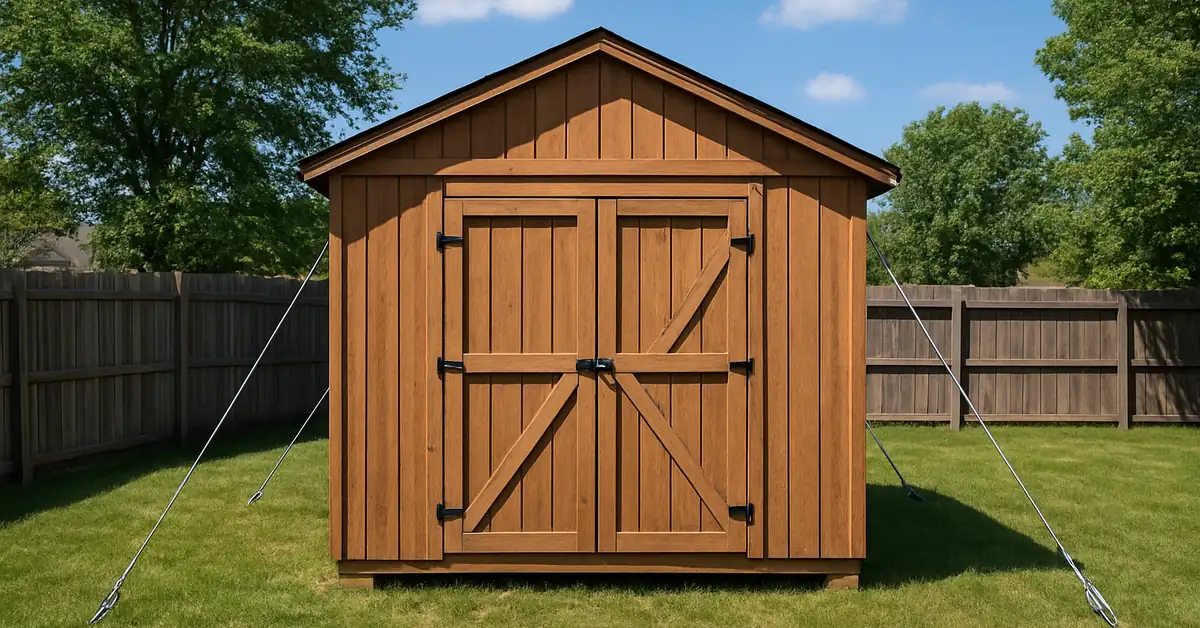
How to Tie Down a Shed So It Survives 39+ MPH Winds
Auger ground anchors or cable strap systems secure most sheds in under 2 hours, but coastal and hurricane-prone areas need anchors rated for 130+ mph, not a basic $20-$50 kit. NOAA’s Beaufort scale rates sustained winds of just 39 mph strong enough to snap tree branches and shift an unanchored shed. This guide covers auger, concrete, and strap anchoring methods, the tools each needs, and the mistakes that cause anchors to fail.
What Does It Mean to Tie Down a Shed?
Tying down a shed means anchoring it to the ground. This keeps it from moving in storms or high winds. Sheds can tip over or slide if not secured. I’ve seen sheds tumble in strong winds, and it’s not pretty! Anchoring protects your shed, tools, and yard.
Why Tie Down Your Shed?
Sheds hold important things like tools or bikes. Strong winds or floods can lift them off the ground. In my area, winds hit 60 miles per hour last year. My anchored shed didn’t budge! Tying it down saves money and keeps your stuff safe. Some places even require anchoring by law — North Carolina, for example, requires ground anchors at every corner for any accessory building over 12 feet in any dimension.
📊 Sustained winds of 39 mph (NOAA Beaufort Force 8, “Gale”) are already strong enough to snap tree branches — a threshold an unanchored shed can reach in an ordinary seasonal storm, not just a hurricane. — Source: NOAA Storm Prediction Center, Beaufort Wind Scale
Types of Shed Anchoring Methods
There are a few ways to tie down a shed. Each works for different sheds and ground types. I’ll explain the three main methods: auger anchors, concrete anchors, and strap systems. Each has pros and cons, but they’re all easy to use with the right steps.
Auger Anchors
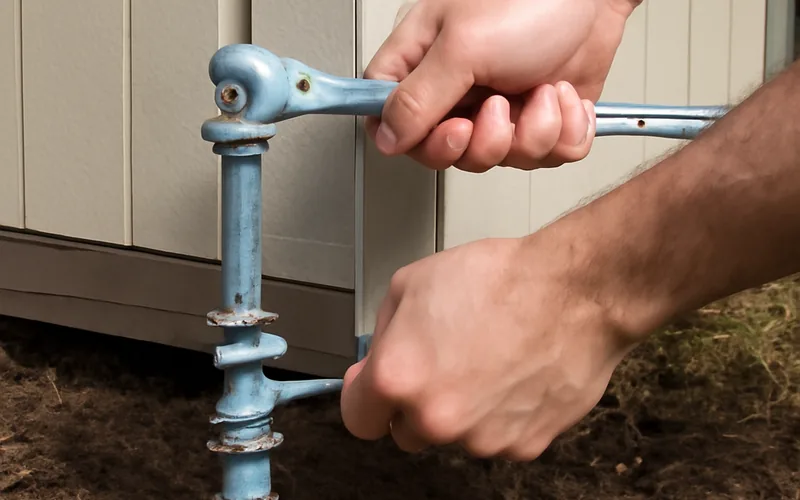
Auger anchors are like big screws you twist into the ground. They’re great for dirt or gravel yards. I used augers for my 10×12 wood shed, and they held tight. They’re easy to install and don’t need concrete.
Concrete Anchors
Concrete anchors go into a poured concrete base. They’re super strong for big sheds. I helped my cousin use these for his metal shed. They’re permanent but need more work to set up.
Strap Systems
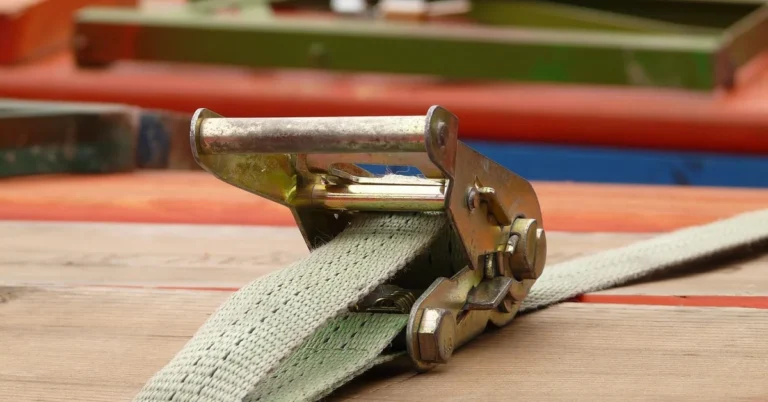
Strap systems use cables or metal straps over the shed. They connect to anchors in the ground. I saw these on a light-frame shed at a friend’s house. They’re good for windy areas but can be tricky to install — if you’ve never ratcheted a strap tight before, our guide to using ratchet tie-down straps covers the technique.
Tools and Materials You’ll Need
You don’t need fancy tools to tie down a shed. Here’s what I used for my shed, with simple options for beginners:
- Auger anchor kit: Includes screws and cables (about $30 at Home Depot).
- Drill or wrench: To twist augers or tighten bolts.
- Hammer: For pounding anchors into hard ground.
- Tape measure: To place anchors evenly.
- Safety gloves: To protect your hands.
- Concrete mix: For concrete anchors (optional, about $10 per bag).
- Metal straps or cables: For strap systems (around $20).
You can find these at hardware stores or online. Check for kits with clear instructions.
Step-by-Step Guide: How to Tie Down a Shed
Here’s how I tied down my shed using auger anchors. This method is easy and works for most yards. Follow these steps, and your shed will stay put!
- Pick the Spot: Choose a flat area for your shed. I measured my yard to make sure it was level.
- Mark Anchor Points: Put a stake at each corner of the shed. I used chalk to mark spots 6 inches from each corner.
- Soften the Ground: Wet the soil with a hose if it’s hard. This made twisting my augers easier.
- Screw in Augers: Twist auger anchors into the ground using a wrench. Leave 2 inches of the stem out.
- Attach Cables: Slide cables through the auger’s eye and connect to the shed’s frame. I used clips to secure them.
- Tighten Everything: Pull cables tight and check all corners. I tugged mine to make sure they didn’t move.
- Test Stability: Push the shed gently to ensure it’s secure. Mine didn’t budge after this!
For concrete or strap methods, check the kit’s instructions. They’re similar but need extra steps like pouring concrete.
Best Shed Anchor Kit Pick
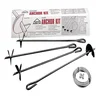
Arrow Shed AK4 Earth Anchor Kit – $56.66
Made by a major shed manufacturer specifically for anchoring shed corners — matches the auger method this guide’s step-by-step section walks through.
- Best for: Dirt or gravel yards, corner-anchoring a shed frame
- Why we picked it: Purpose-built for sheds by a recognized shed brand, not a generic tent stake kit
- Main drawback: Not rated for hurricane-force (130+ mph) coastal wind zones
Compare more shed anchor options
 Option 1 ShelterLogic 6-Pc Auger Anchor Kit – $35.47
|
 Option 2 31in Heavy-Duty Earth Anchors (4-Pack) – $39.97
|
 Option 3 30in Ground Anchor 2-Pack w/ Tools – $38.92
|
As an Amazon Associate we earn from qualifying purchases.
Comparing Shed Anchoring Methods
Here’s a table comparing cost, setup time, and the tradeoffs of each method.
| Method | Cost | Setup Time | Best For | Main Drawback |
|---|---|---|---|---|
| Auger Anchors | $20-$50 | 1-2 hours | Dirt or gravel | May loosen in sandy soil |
| Concrete Anchors | $50-$100 | 4-6 hours | Permanent sheds | Hard to remove if you move |
| Strap Systems | $30-$60 | 2-3 hours | Windy areas | Straps may rust over time |
I love the auger anchors for their simplicity, but concrete anchors are the strongest option for permanent, larger sheds. Choose based on your ground type, budget, and whether you plan to move the shed later.
Benefits of Tying Down Your Shed
Anchoring your shed has big benefits. It keeps your shed safe in storms, protects your stuff, and can meet local laws. FEMA specifically lists anchoring storage sheds and outbuildings as a way to prevent them from becoming wind-driven flying debris that can damage nearby homes. Anchoring also adds strength to light sheds, like vinyl or resin ones.
Drawbacks to Watch Out For
No method is perfect. Auger anchors can loosen in sandy soil. Concrete anchors are hard to remove if you move. Straps might rust over time. I learned to check my augers every year to make sure they’re tight.
Common Mistakes to Avoid
I’ve made mistakes, so you don’t have to! Here are three things to avoid:
- Skipping a Level Base: An uneven shed can pull anchors loose. I used a level to check my ground first.
- Using Weak Anchors: Cheap anchors can bend in wind. I spent a bit more for strong ones.
- Ignoring Local Rules: Some towns require permits. I called my city hall to check.
My Top Tips for Shed Anchoring
Here are my favorite tips from anchoring my shed:
- Check Weather History: Look up your area’s wind speeds at NOAA. Stronger winds need stronger anchors.
- Save Money: Buy anchor kits on sale at hardware stores. I got mine 20% off!
- Test Yearly: Walk around your shed each spring to tighten loose cables.
Other Ways to Secure Your Shed
You can add extra protection to your shed. I put heavy concrete blocks inside mine for extra weight. You can also brace the walls with 2×4 boards, like my neighbor did. These help in super windy areas.
Tools and Costs for Shed Anchoring
| Tool/Material | Average Cost | Where to Buy |
|---|---|---|
| Auger Anchor Kit | $30 | Home Depot, Lowe’s |
| Concrete Mix | $10 per bag | Hardware stores |
| Metal Straps | $20 | Online retailers |
Safety Tips for Anchoring
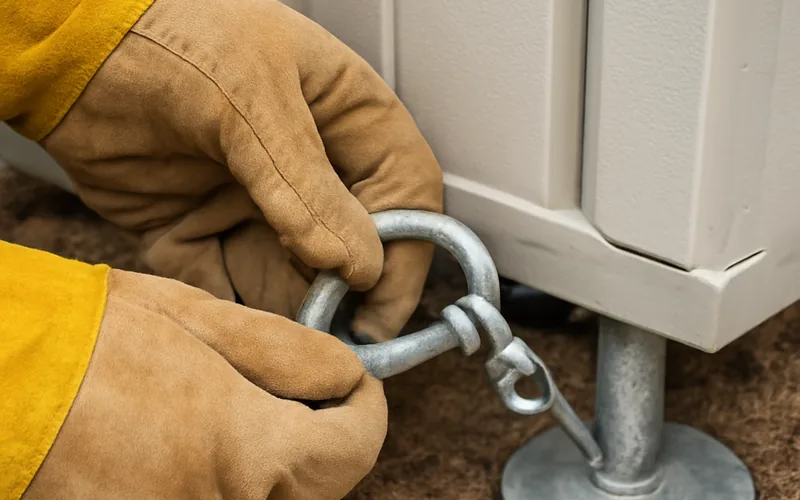
Safety comes first! Wear gloves to avoid cuts from cables. Don’t anchor alone—ask a friend to help. I had my brother hold the shed while I tightened cables. Check that anchors are deep enough to hold in wind.
My Shed Anchoring Story
When I got my first shed, I didn’t anchor it. A big wind came, and it shifted two feet! I learned my lesson and used auger anchors the next day. Now, my shed stays put, and I sleep better during storms. You can do this too!
“When we didn’t anchor our first shed, a single windstorm shifted it two feet across the yard overnight. We installed auger anchors at all four corners the next day, and it hasn’t moved since — even through a hurricane warning.”
Frequently Asked Questions
How Do I Know If My Shed Needs Anchoring?
Almost every shed needs anchoring, especially in windy areas. NOAA’s Beaufort scale marks 39 mph as strong enough to snap tree branches, well below hurricane force, so check your area’s wind history and local building code rather than waiting for a named storm.
What’s the Easiest Way to Tie Down a Shed?
Auger anchors are the easiest for beginners. They screw into the ground and connect with cables. I used them in an hour, and they held my shed through a big storm.
Can I Anchor a Shed on Gravel?
Yes, use auger anchors or concrete piers in gravel. I anchored my shed on gravel with augers. Make sure the ground is packed tight for a strong hold.
How Much Does It Cost to Tie Down a Shed?
Costs range from $20 to $100, depending on the method. Auger kits are cheapest at $20-$50. I spent $35 on my kit and saved by installing it myself.
Do I Need a Permit to Anchor My Shed?
Some towns require permits for sheds over a certain size. Call your local city hall to check. I avoided a fine by checking rules before anchoring.
Can I Move My Shed After Anchoring?
Auger anchors are easy to remove for moving. Concrete anchors are harder to take out. I moved my shed by unscrewing augers in 30 minutes.
What Happens If I Don’t Anchor My Shed?
An unanchored shed can tip or slide in wind. My neighbor’s shed moved 10 feet in a storm! Anchoring keeps it safe and protects your stuff.
Conclusion
Tying down a shed is easy and keeps it safe. You can use augers, concrete, or straps to secure it — pick the method that matches your ground type and budget, and expect results in under a few hours. My shed survived a big storm because I anchored it right. Pick a method, grab your tools, and try it this weekend.
Sponsored / affiliate links. As an Amazon Associate I earn from qualifying purchases. I may earn additional commission from eligible campaigns.