How to Wire a Ceiling Fan and Light
Hey there! So, you’re thinking about installing a ceiling fan with a light in your home, maybe to cool down your garage or add some style to your living space. I’m thrilled to help you out! As a car enthusiast, I’m no stranger to getting my hands dirty with wiring projects, whether it’s upgrading my car’s headlights or tackling home improvements like this one. When I decided to wire a ceiling fan and light in my garage, I was a bit nervous about the electrical work, but after some trial and error (and a few calls to my electrician buddy), I got it done. Now, my garage is cool, bright, and perfect for late-night wrenching sessions.
In this article, I’m going to walk you through every step of wiring a ceiling fan and light, from prep to final testing, with simple tips that anyone can follow. Whether you’re a DIY newbie or a seasoned gearhead, I’ve got you covered. Let’s dive in and get that fan spinning and light glowing!
Why Install a Ceiling Fan with a Light?
I love ceiling fans with lights because they’re like the perfect two-in-one upgrade. They keep your space cool and add bright, functional lighting. In my garage, where I’m often working on car projects, the fan keeps the air moving while the light helps me see every bolt and wire. It’s like having a cooling system and headlights for your room!
These setups are also energy-efficient, especially with LED bulbs, and they can save you money compared to running an AC. Plus, they come in tons of styles—modern, rustic, industrial—so you can match your vibe. Wiring them might sound intimidating, but it’s doable if you take it step by step, just like swapping out a car’s alternator.
Understanding the Basics of Ceiling Fan Wiring
Before I grabbed my tools, I had to wrap my head around how ceiling fan wiring works. It’s not too different from wiring a car’s accessory lights. Most ceiling fans with lights have three main wires: hot (usually black or red), neutral (white), and ground (green or bare copper). Some fans have a separate hot wire for the light (often blue), which lets you control the fan and light independently.
Your home’s ceiling junction box will also have hot, neutral, and ground wires. The goal is to connect the fan’s wires to the house’s wires correctly. If you want separate switches for the fan and light, you’ll need a setup with two hot wires in the box. My garage had this, which made things easier, but I’ll cover what to do if you don’t have that setup, too.
Gathering the Right Tools and Materials
I keep a toolbox ready for projects like this, and wiring a ceiling fan doesn’t need much. Here’s what I used:
- Screwdriver (Phillips and flathead for different screws).
- Wire strippers to trim insulation.
- Wire nuts for secure connections.
- Electrical tape to insulate wires.
- A voltage tester to check for live wires.
- Pliers to twist wires together.
- A sturdy ladder for ceiling work.
- A stud finder to locate ceiling joists.
You’ll also need your ceiling fan kit, which includes the fan, light, mounting bracket, and canopy. My kit came with wire nuts and screws, but I grabbed extras just in case. I also used a flashlight for better visibility in the dim junction box. It’s like prepping for a car repair—having everything ready saves time and frustration.
Preparing Your Space for Installation
Before I touched any wires, I made sure my workspace was safe and ready. Safety is huge, like when you’re jacking up a car. First, I turned off the power at the breaker box. I used a voltage tester to confirm the wires in the ceiling box were dead. I got a small shock once when I skipped this step—not cool.
I cleared the area below the ceiling, moving tools and furniture to avoid tripping. In my garage, I pushed my workbench to the side. I also laid a drop cloth to catch dust or debris. My ceiling already had a junction box rated for a fan, which is key because fans are heavier than lights. If your box isn’t fan-rated, you’ll need to replace it with one that can handle the weight and vibration. I’d call an electrician for that—it’s like upgrading a car’s suspension for heavy loads.
I used a stud finder to locate ceiling joists, just in case I needed extra support. My fan was light enough for the junction box, but heavier fans might need a brace. I also checked the ceiling height—my 8-foot ceiling was perfect, but higher ceilings might need a downrod to lower the fan.
Checking Your Electrical Setup
Before wiring, I made sure my electrical setup could handle the fan and light. My garage had a junction box with two hot wires—one for the fan, one for the light—plus a neutral and ground. This let me control the fan and light with separate switches, which is awesome for flexibility.
If your box only has one hot wire, you can still install the fan, but you’ll control both the fan and light with one switch. If you want separate controls, you’ll need to run a new wire, which is a job for an electrician unless you’re super confident. I checked my breaker to ensure it could handle the fan’s load—most fans use less than 100 watts, so a standard 15-amp circuit is usually fine.
If your home is older, like mine was, you might not have a ground wire in the box. I’ll cover how to handle that later. For now, use a voltage tester to double-check that everything is off before you start wiring.
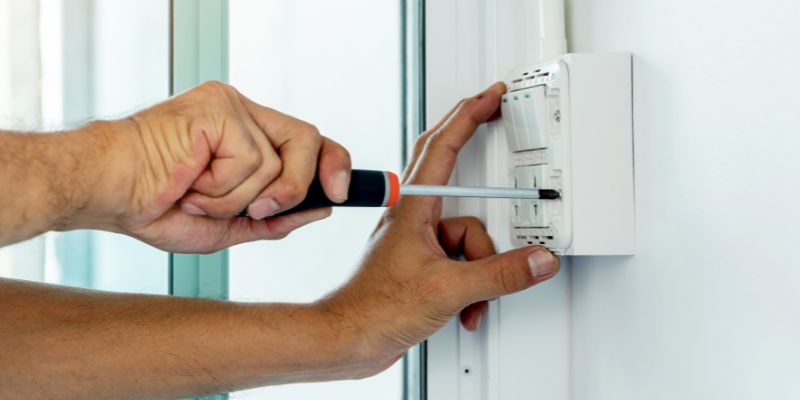
Wiring the Ceiling Fan and Light
Now for the fun part—wiring! This was the step that made me nervous, but it’s like connecting a car’s wiring harness: follow the colors and take your time. Here’s how I wired my fan and light.
Inside the ceiling box, I found a black hot wire (for the fan), a red hot wire (for the light), a white neutral wire, and a bare copper ground wire. My fan had matching wires: black (fan), blue (light), white (neutral), and green (ground).
I started with the ground wire. I twisted the fan’s green ground wire with the house’s bare copper ground wire, secured them with a wire nut, and wrapped it with electrical tape. This keeps everything safe, like grounding a car’s battery to the chassis.
Next, I connected the fan’s black wire to the house’s black hot wire, twisting them together and capping with a wire nut. For the light, I connected the fan’s blue wire to the house’s red hot wire in the same way. Then, I connected the white neutral wires together. I tugged each connection to make sure it was secure—loose wires can cause flickering or shorts, like a bad connection in a car’s stereo.
If your box only has one hot wire (usually black), connect both the fan’s black and blue wires to it. This means one switch controls both, which is fine for simple setups. My fan’s instructions had a wiring diagram, which I followed like a car repair manual.
Mounting the Ceiling Fan
With the wires connected, I moved on to mounting the fan. This part felt like bolting on a new car part—satisfying when it locks in. My fan came with a mounting bracket that screws into the junction box. I attached the bracket first, making sure it was level and secure.
Then, I lifted the fan motor into the bracket. This was tricky because fans are heavy, so I asked a friend to hold it while I connected the wires to the canopy (the cover that hides the wiring). I threaded the wires through the canopy, then screwed it to the bracket. I made sure everything was tight to avoid wobbling, like balancing a car’s wheels.
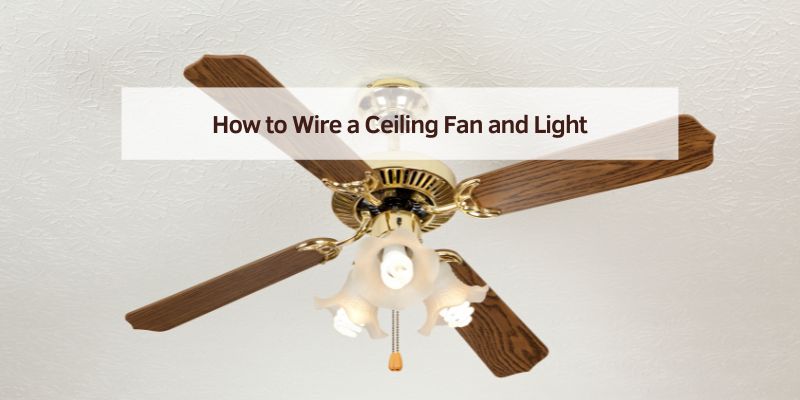
For the light kit, I attached it to the bottom of the fan, following the instructions. My kit had a pull chain for the light, but some fans use a remote or wall switch. I installed the blades last, using the provided screws and a screwdriver. Double-check that everything’s secure—vibrating fans can loosen over time.
Installing a Downrod for High Ceilings
My garage has a standard 8-foot ceiling, so I didn’t need a downrod, but if your ceiling is higher (like 9 feet or more), you’ll want one. A downrod lowers the fan to about 7-8 feet from the floor for better airflow. It’s like lowering a car’s suspension for better handling.
My fan kit came with a short downrod, but for a 10-foot ceiling, I’d use a 12- to 18-inch rod. You thread the wires through the downrod before connecting them to the ceiling box. I helped a friend install a fan with a downrod, and we had to adjust the length a few times to get it right. Measure your ceiling and follow the fan’s guide for the best rod length.
Adding a Wall Switch or Remote
I wanted to control my fan and light separately, so I installed a dual wall switch. It’s like having separate controls for your car’s headlights and fog lights. My junction box had two hot wires, so I wired one switch to the fan (black wire) and one to the light (red wire).
If your fan uses a remote, it’s even easier. My friend’s fan had a receiver that I wired into the canopy, following the instructions. The remote lets you control speed and light without a wall switch. If you’re adding a new switch, you might need an electrician to run wires, especially in older homes. I did this for my kitchen fan, and it cost about $150 but was worth it.
Testing and Troubleshooting
Once everything was wired and mounted, I was pumped to test it. I turned the power back on at the breaker and flipped the switch. The fan spun smoothly, and the light glowed perfectly. But I’ve had projects go wrong, so here’s what to check if you run into issues.
If the fan wobbles, check the blade screws and tighten them. I had this happen once, and rebalancing the blades fixed it, like aligning a car’s tires. If the light flickers, check the wire connections—loose wire nuts are usually the culprit. I tightened a loose nut in my garage fan, and it solved the problem.
If nothing works, double-check that the power is on and test the wires with a voltage tester. I had a breaker trip once, and I felt silly when I realized it. If the fan hums but doesn’t spin, the motor might be faulty—contact the manufacturer. It’s like diagnosing a car that won’t start—check the basics first.
Handling Older Homes with No Ground Wire
My old house didn’t have ground wires in some ceiling boxes, which was a headache. If your box lacks a ground wire, you can connect the fan’s ground wire to the metal junction box if it’s grounded. Look for a green grounding screw in the box and attach the wire there.
If the box isn’t grounded, you’re in tricky territory. I called an electrician to run a ground wire in my kitchen, and it cost about $200. It’s like upgrading a car’s electrical system—sometimes you need a pro to make it safe.

Safety Tips for Wiring
Safety is everything when wiring a ceiling fan. I always turn off the power and test with a voltage tester. I wear rubber-soled shoes and use insulated tools, just like wearing gloves when handling car fluids.
Don’t rush the wiring. I take my time twisting wires and securing connections to avoid problems later. If the fan is heavy, get a friend to help lift it—my buddy held mine while I wired it, and it made things so much easier.
If you’re unsure about anything, call an electrician. I’ve learned to know my limits, like when I’m out of my depth with a car repair. Better safe than sorry with electricity.
Table: Ceiling Fan and Light Wiring Guide
Here’s a quick table I made to sum up the wiring process based on my experience.
| Wire Type | Fan/Light Wire | House Wire | Action |
|---|---|---|---|
| Ground | Green or bare | Bare copper | Twist together, secure with wire nut. |
| Fan Hot | Black | Black | Connect with wire nut, wrap with tape. |
| Light Hot | Blue | Red | Connect with wire nut, wrap with tape. |
| Neutral | White | White | Connect with wire nut, wrap with tape. |
My Journey with Wiring a Ceiling Fan and Light
When I moved into my house, my garage was hot and dimly lit, perfect for car projects but not much else. I decided a ceiling fan with a light would fix both problems. My first attempt was a mess—I wired the fan wrong and it wobbled like crazy. After watching some videos, talking to my electrician friend, and redoing the connections, I got it right. Now, my garage is cool, bright, and the perfect spot for working on my car or just chilling. The process was like tuning an engine—challenging but so rewarding when it all comes together. I’m excited to share what I’ve learned to help you nail your own project.
Conclusion
Wiring a ceiling fan and light might seem like a big project, but it’s totally doable with the right steps. I’ve been through the ups and downs, from loose connections to wobbly blades, and I can tell you it’s worth the effort. With a bit of planning, the right tools, and a focus on safety, you can transform your space into a cool, well-lit haven. Whether it’s your garage, kitchen, or living room, a ceiling fan with a light adds style and function, like a custom upgrade for your home. So, grab your voltage tester, turn off that breaker, and get ready to make your space shine. You’re about to create something awesome!
FAQ
Can I wire a ceiling fan myself?
Yes, if you’re comfortable with basic wiring. I did mine, but I called an electrician for a tricky junction box. Always turn off the power first.
What if my ceiling box doesn’t have a ground wire?
I connect the fan’s ground to the metal box if it’s grounded. If not, I’d call an electrician to add a ground wire.
How do I control the fan and light separately?
You need two hot wires in the box—one for the fan, one for the light. I used a dual switch, but a remote works too.
Why is my fan wobbling after installation?
Check the blade screws and tighten them. I had this issue and rebalanced the blades, like aligning a car’s tires.
What bulbs should I use for the light?
I use dimmable LED bulbs, 800 lumens, 2700K for a warm glow. They’re energy-efficient and perfect for any mood.